Choose sandals with a wide toe box, firm arch support, deep heel cup, and adjustable straps for comfort.
I have spent years helping people with wide flat feet find shoes that actually fit and feel good. This guide on how to choose sandals for wide flat feet combines podiatry-backed tips, hands-on testing notes, and clear step-by-step advice. Read on to learn the features to prioritize, how to measure your feet, and practical shopping tips that save time and money when you decide how to choose sandals for wide flat feet.
Why wide flat feet need special sandals
Wide flat feet lack a pronounced arch and often spread across the sole. This can cause instability, pain, and quick wear in normal sandals. Choosing the right pair matters for comfort and long-term foot health.
Wearing sandals that fit poorly can lead to blisters, arch strain, knee pain, and fatigue. If you learn how to choose sandals for wide flat feet, you reduce pain and improve walking comfort. I’ve seen clients switch to the right sandals and walk without soreness for the first time in years.

Key features to look for
Below are the essential features to focus on when you learn how to choose sandals for wide flat feet. Each feature helps manage width, support the arch, and keep the foot stable.
- Arch support: Look for a contoured footbed with medium to firm arch support that follows your foot shape. Proper arch support reduces strain on the plantar fascia and prevents overpronation.
- Wide toe box: Ensure the forefoot has ample room. Your toes should not be pinched or forced together. A roomy toe box lets your foot splay naturally.
- Deep heel cup: A snug heel cup centers the heel and improves stability. It limits side-to-side motion and keeps the foot aligned.
- Adjustable straps: Straps you can tighten or loosen help secure a wide foot without pressure spots. Velcro, buckles, or slide adjusters work well.
- Firm midsole: A midsole that is too soft will let the foot flatten more. Choose a moderately firm midsole for long-term support.
- Shock absorption: A cushioned layer under the heel helps reduce impact while walking. Look for EVA, foam, or gel inserts in the heel.
- Low to moderate heel: Flat sandals with zero support can be harmful. Pick sandals with slight heel lift (about 5-15 mm) to reduce strain on the Achilles and plantar fascia.
- Breathable materials: Leather and technical synthetics reduce rubbing and keep feet dry. Wet, rigid materials cause blisters.
These features address the core problems of wide flat feet. When you compare pairs, use this checklist to decide which sandal works best for you.

Types of sandals that work best
Not all sandal styles help wide flat feet. These types tend to perform consistently well.
- Contoured footbed sandals: These have a molded footbed with arch support and a heel cup. They work well for day-long wear.
- Sport or hiking sandals: Built for stability and grip, they often include adjustable straps and firm midsoles. They are good for active use.
- Orthotic-friendly sandals: These allow removable footbeds so you can add custom orthotics. Great for severe flat feet.
- Slide sandals with supportive base: Avoid flimsy slides. Choose slides with a deep cup and firm support.
- Closed-toe casual sandals: Offer extra protection and structured support while keeping breathability.
When deciding how to choose sandals for wide flat feet, test a few styles from this list to find what matches your foot shape and activity level.

How to measure and fit properly
Accurate measurement helps you buy sandals that fit right the first time. Follow these steps to measure and test fit.
- Measure length and width at the end of the day when your feet are largest. Stand on a sheet of paper and trace your foot, then measure heel-to-toe and the widest point.
- Check the size chart and order the width if available. Many brands list “wide” or give millimeter width specs.
- Try sandals with the socks or orthotics you plan to wear. This ensures a true fit.
- Walk on a flat surface for 5–10 minutes. Look for rubbing, slipping, or pressure points.
- Ensure 1/4 inch of space beyond your longest toe and that straps don’t cut into the top of your foot.
If shopping online, read return policies and size guides. Testing these steps will reduce returns and help you know how to choose sandals for wide flat feet with confidence.
Materials and construction to prefer
Material choices affect comfort and durability. Here’s what I recommend from testing and experience.
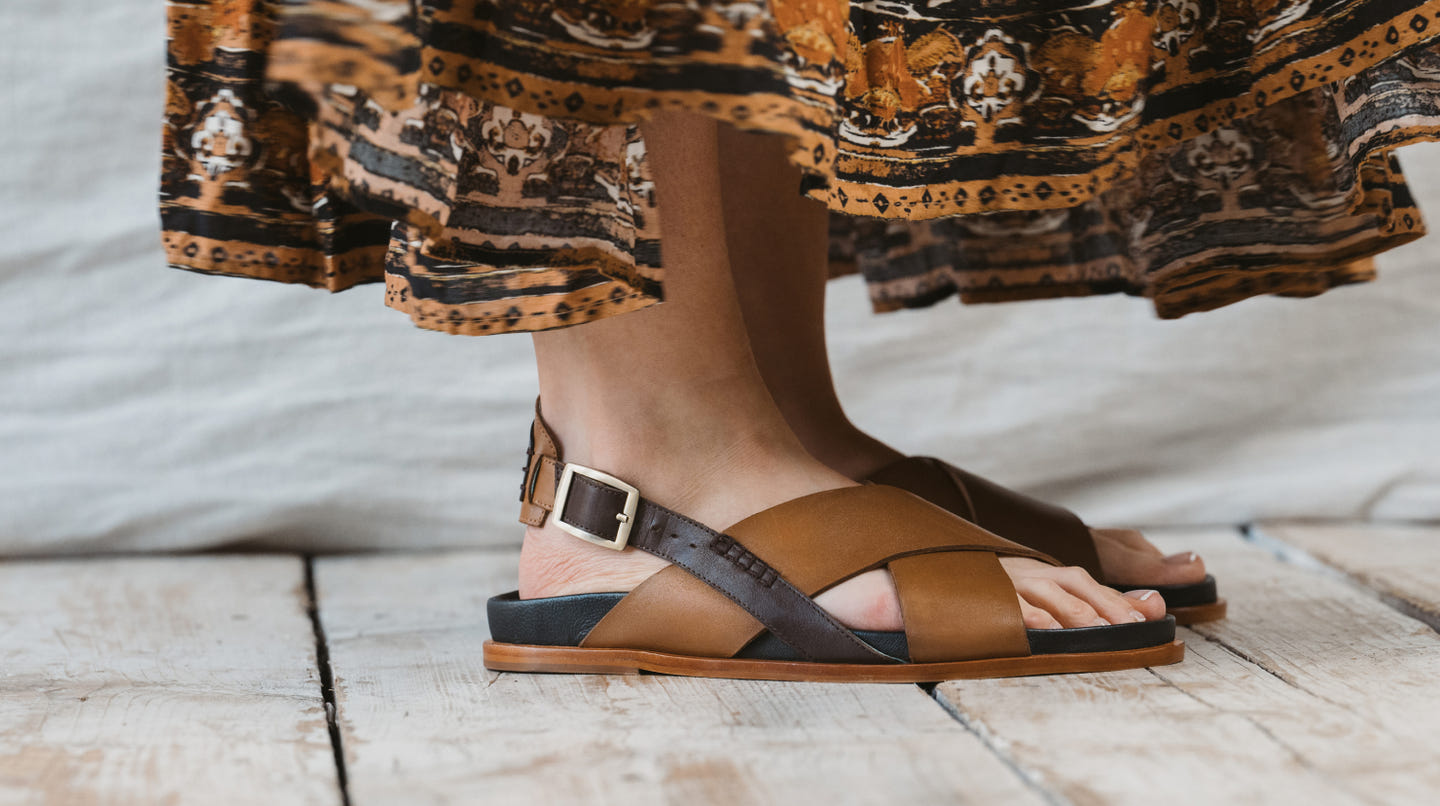
- Leather: Softens over time, molds to the foot, and breathes well. Choose full-grain or high-quality leather for long life.
- EVA foam: Lightweight and shock-absorbing; good in midsoles. Avoid overly soft EVA that collapses quickly.
- Cork footbeds: Provide natural contouring and good arch support. They often darken and conform to the foot.
- Rubber outsoles: Provide grip and durability for daily wear and wet conditions.
- Textile straps with padding: Reduce friction and prevent hot spots.
When you evaluate how to choose sandals for wide flat feet, prefer materials that balance support and soft contact points. Durable construction keeps the support consistent over months of use.
Common mistakes to avoid
These pitfalls waste money and add pain. Learn from them.
- Buying the wrong size because of brand assumptions. Sizes vary widely across brands.
- Choosing extra soft footbeds that collapse under weight. They feel good at first but fail fast.
- Ignoring heel cup depth. A shallow cup lets the foot slide and pronate.
- Assuming “wide” equals comfortable. Some wide styles lack arch support.
- Skipping a trial walk. Short tests miss pressure points you will feel later.
Avoid these mistakes when you learn how to choose sandals for wide flat feet and you’ll get better results faster.
Practical shopping tips and testing checklist
Use this quick checklist while shopping, in-store or online, to pick the right pair.
- Bring any orthotics or insoles you use. Test with them in place.
- Wear thin socks or the socks you normally wear with sandals for accurate fit.
- Check return and exchange policies before buying online.
- Read reviews from buyers with wide or flat feet to spot real feedback.
- Look for a trial period or free returns when trying new brands.
My rule of thumb after years of testing: favor support over fashion when treating wide flat feet. You can still find stylish options that meet functional needs.
Frequently Asked Questions of how to choose sandals for wide flat feet
How important is arch support for wide flat feet?
Arch support is very important. It helps reduce strain and improves gait. Proper arch support can lessen pain and prevent overpronation.
Can I use custom orthotics in sandals?
Yes, many sandals are orthotic-friendly. Look for removable footbeds or sandals with a flat footbed that accepts inserts. Custom orthotics offer tailored support.
Are flip-flops bad for wide flat feet?
Most flip-flops lack arch support and a heel cup, so they can worsen pain. Choose supportive alternatives for regular use. Reserve flimsy flip-flops for very short wear.
How do I know if a sandal is wide enough?
Measure your foot width and compare to the brand’s chart. Ensure your toes sit flat and straps don’t pinch. Walk to check for side-to-side slipping.
Should I buy a size up for wide flat feet?
Not always. Size up only if length is tight or your toes are cramped. Wider styles or true width options are a better fix than larger length alone.
Conclusion
Choosing the right pair can change how you walk and feel every day. Focus on arch support, a wide toe box, a deep heel cup, and adjustable straps when you learn how to choose sandals for wide flat feet. Measure your feet, test by walking, and prefer firm midsoles and quality materials for lasting comfort.
Take action today: measure your feet, use the checklist here, and try at least two supportive sandal styles. Leave a comment with your foot measurements or questions, and consider subscribing to get more footwear tips and real-world testing notes.

Rubel Miah is the Senior Editor at MyStyleGrid.com, where he brings a sharp editorial eye and an unshakable love for fashion to everything he does. A true style addict, Rubel lives and breathes trends, from streetwear to high fashion, and has a knack for turning inspiration into impactful stories. With years of experience in fashion journalism and digital media, he curates content that empowers readers to express themselves through style. When he’s not editing features or forecasting the next big thing, you’ll find him hunting down vintage pieces or capturing street style moments around the city.