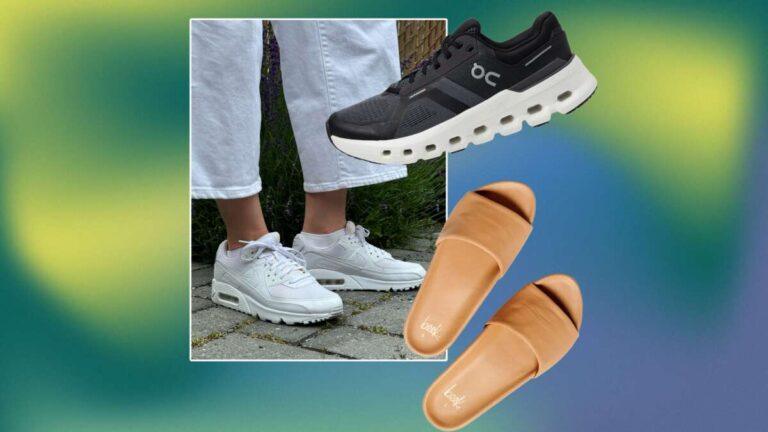
Add arch-support insoles, tighten and pad straps, and use cushioned soles for safer walking.
I have worked with walkers, shoe makers, and foot-health pros to help people walk farther and feel better. This guide on how to make sandals more supportive for walking combines clear steps, tested DIY fixes, and buying tips you can use today. Read on for practical, proven ways to improve comfort, reduce pain, and make your sandals perform more like walking shoes.
Why support matters for walking
Support reduces strain on your feet, ankles, and knees. When sandals lack support, your gait changes and small issues grow into pain. Learning how to make sandals more supportive for walking prevents blisters, reduces fatigue, and protects joints. Simple fixes often yield big gains for daily comfort.

How to evaluate your sandals for support
Start by checking sole stiffness, arch contour, and strap fit. Walk on a flat surface and notice pressure points and heel slip. If your feet feel unstable or tired quickly, your sandals are not supporting you well. Use this quick test to decide which fixes to try first.
:max_bytes(150000):strip_icc()/vwt-walking-shoes-test-orthofeet-kita-hands-free-brie-goldman-01-ced6e9c8a503491c83d037d595d847bc.jpeg)
Quick upgrades to make sandals more supportive for walking
You can improve support in minutes with the right parts. I often start with insoles and strap pads when helping friends and clients. Here are fast, effective upgrades to try.
- Replace flat footbeds with removable arch-support insoles. Many come in thin profiles that fit most sandals.
- Add heel cups or gel pads to stop heel slippage and absorb shock.
- Use toe-post cushions for thong sandals to cut pressure between toes.
- Apply non-slip heel grips to secure your foot and reduce rubbing.
- Use foot tape or moleskin on rub points to prevent blisters.
The best way to learn how to make sandals more supportive for walking is to combine a thin arch insole with better strap fit. That combo stabilizes your foot and cuts fatigue on long walks.

DIY cushioning and arch support options
If you prefer low-cost fixes, try these DIY ideas. I used these methods while testing sandals on long errands and saw real improvement.
- Trim and insert a contoured insole made for sandals. Cut to shape with sharp scissors.
- Layer closed-cell foam under the arch for more lift. Glue with contact cement for a lasting bond.
- Use cork sheets to create a custom arch. Warm the cork gently to shape it, then glue it in place.
- Add thin EVA foam pads beneath the footbed for extra cushioning without bulk.
When you do DIY work, test the fit after each change. Overbuilding the arch can cause new pressure points. Learning how to make sandals more supportive for walking means balancing cushioning, arch height, and strap security.
:max_bytes(150000):strip_icc()/tal-i-have-over-30-pairs-of-sandals-and-these-are-my-most-comfortable-for-walking-tout-6ce946dc91024d4186becc9f362f6b35.jpg)
Strap and heel modifications for stability
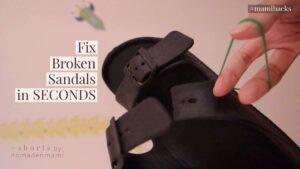
Straps control motion. Tighten and pad them to lock the foot in place and reduce sliding.
- Replace worn straps with wider ones to distribute pressure.
- Add strap pads or silicone sleeves to reduce chafing.
- Use a heel strap or clip-on heel cup to stop backward movement.
- Convert single-strap sandals to an ankle wrap using removable straps or laces.
I once converted a summer slide into a reliable walking sandal by adding a thin ankle strap and a gel heel cup. The change made a dramatic difference on a two-mile walk.

Choosing the right sandal for long walks
Some sandals are designed with walking in mind. If upgrades aren’t enough, choose a better base. Use these criteria when shopping.
- Look for molded footbeds with defined arch support and a heel cup.
- Choose soles with shock-absorbing materials like EVA or polyurethane.
- Prefer adjustable straps to fine-tune fit across the forefoot and ankle.
- Check tread for grip and flexibility that matches your stride.
Understanding how to make sandals more supportive for walking also means knowing when a new pair is the smarter investment. A high-quality walking sandal can save your feet and your time.

Care, fit, and maintenance for lasting support
Keep your sandals performing well with simple care. Routine checks prevent support loss and prolong life.
- Replace insoles annually or when they show compression.
- Re-glue loose footbeds promptly to keep alignment.
- Wash straps gently and air-dry to retain strap tension.
- Rotate sandals with other shoes to reduce wear and let materials recover.
I learned the hard way that neglecting worn insoles leads to knee pain. Regular maintenance is a small step with big payoff.
When to see a podiatrist or orthotist
If pain persists after upgrades, consult a foot specialist. Persistent arch, heel, or knee pain may need professional assessment. A podiatrist or orthotist can prescribe custom orthotics or suggest therapeutic solutions. Do not ignore worsening pain or numbness.
Frequently Asked Questions of how to make sandals more supportive for walking
How soon will I feel a difference after adding arch support?
Most people notice better comfort within a single walk. Give your feet a week of short walks to adapt fully.
Can I add orthotic inserts to any sandal?
Many sandals accept thin, removable orthotic inserts, but some molded footbeds do not. Measure interior depth before buying inserts.
Are there risks to DIY arch builds?
Yes. Too-high or uneven arches can create new pressure points or change gait mechanics. Make small changes and test often.
How often should I replace sandals used for walking?
Replace when midsoles compress or straps loosen noticeably, typically every 12 to 24 months for regular use. Heavy use shortens that timeline.
Will strap adjustments stop blisters on long walks?
Proper strap fit reduces slip and friction and often prevents blisters. Combine strap tuning with padding for best results.
Conclusion
You can make sandals more supportive for walking with smart upgrades, better fit, and routine care. Start with thin arch-support insoles, secure the straps, and add targeted cushioning for the fastest gains. Test changes on short walks and step up slowly to longer distances. Try one upgrade today, and notice how much farther and more comfortably you can walk. Share your results, ask questions below, or subscribe for more foot-friendly tips.

Rubel Miah is the Senior Editor at MyStyleGrid.com, where he brings a sharp editorial eye and an unshakable love for fashion to everything he does. A true style addict, Rubel lives and breathes trends, from streetwear to high fashion, and has a knack for turning inspiration into impactful stories. With years of experience in fashion journalism and digital media, he curates content that empowers readers to express themselves through style. When he’s not editing features or forecasting the next big thing, you’ll find him hunting down vintage pieces or capturing street style moments around the city.