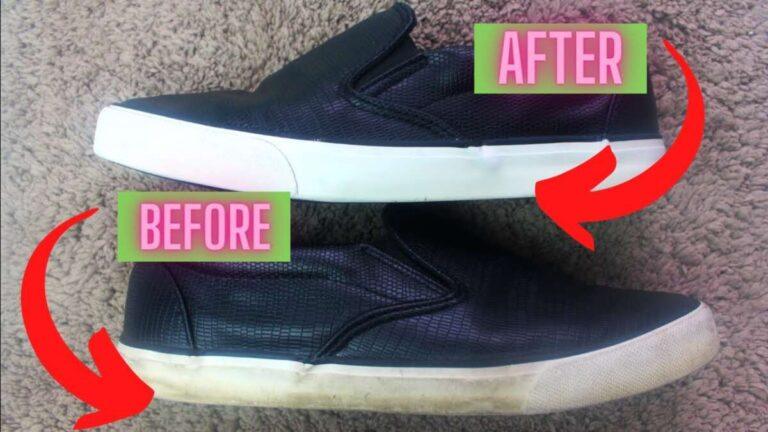
Clean shoe bottoms by scrubbing with a stiff brush, warm soapy water, and targeted spot cleaners.
I’ve cleaned hundreds of shoes for myself and clients, so I’ll walk you step-by-step through practical, safe methods for how to clean shoe bottoms. This guide covers tools, techniques for different sole types, stain fixes, and easy maintenance tips to keep your soles looking sharp and extending shoe life. Read on to learn clear, tested methods for how to clean shoe bottoms fast and effectively.
Why cleaning shoe bottoms matters
Dirty soles do more than look bad. They carry germs, track grime indoors, and wear down traction patterns. Learning how to clean shoe bottoms protects floors, keeps shoes safer, and preserves value.
Good sole care prevents buildup that can make shoes slip or lose grip. When you know how to clean shoe bottoms correctly, you also avoid damage to the material. This increases comfort and keeps your shoes ready for daily use.

Tools and materials you’ll need
Use the right gear for best results. Below are common items I use when teaching or fixing shoes.
- Stiff brush or old toothbrush — for scrubbing grooves.
- Soft-bristle brush or cloth — for delicate areas.
- Mild dish soap or shoe cleaner — works on most dirt.
- Baking soda — for deodorizing and scuff lifting.
- White vinegar — for tough stains and mildew.
- Magic eraser — for vinyl, rubber, and white midsoles.
- Toothpick or wooden skewer — to remove stuck debris from grooves.
- Warm water and a bucket — basic rinse solution.
- Towel or microfiber cloth — for drying.
Having these on hand makes how to clean shoe bottoms easier and faster. I keep a small kit at home and one in my car for quick cleanups.
Step-by-step: how to clean shoe bottoms (general method)
Follow these clear steps for most shoes. Keep sentences short and work on one shoe at a time.
- Remove loose dirt
- Tap soles together outdoors to knock off dust.
- Use a toothpick to dislodge pebbles in tread grooves.
- Prepare cleaning solution
- Mix warm water with a few drops of dish soap.
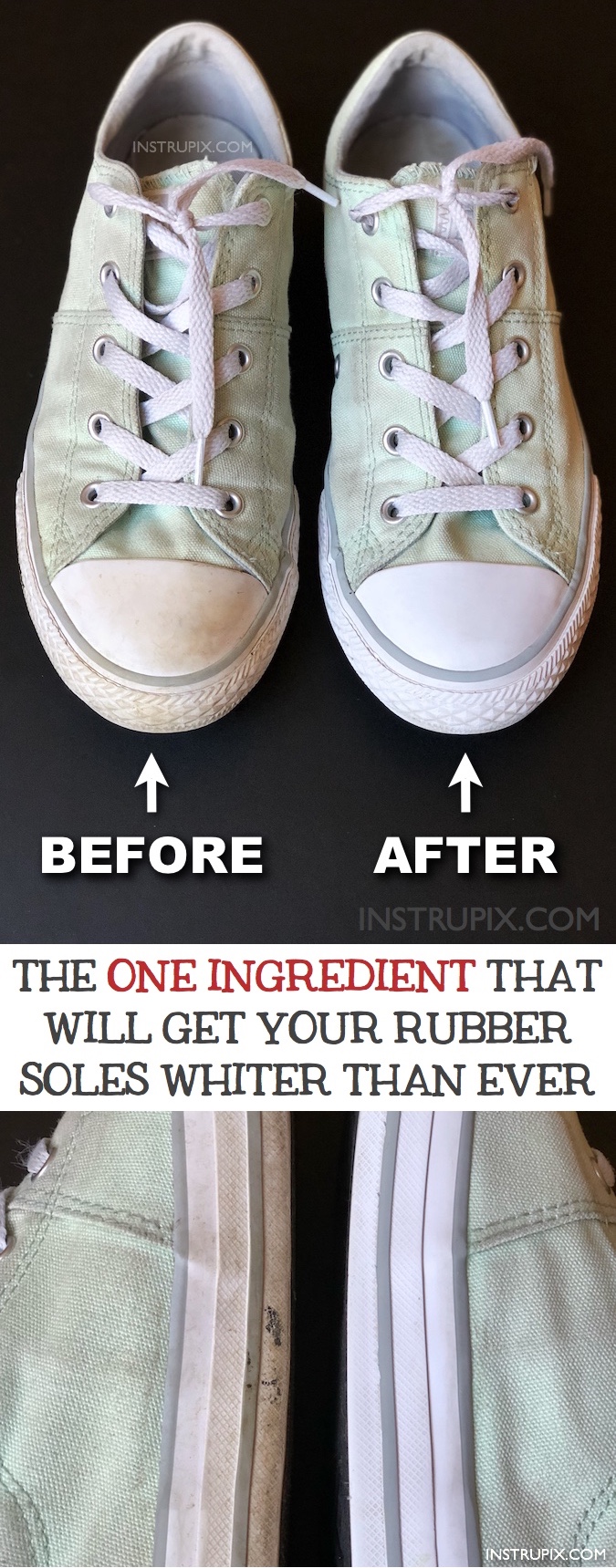
- For white rubber, add a little baking soda for extra lift.
- Scrub the soles
- Dip a stiff brush into the solution and scrub in circular motions.
- Focus on grooves, edges, and textured areas.
- Rinse and inspect
- Wipe with a clean damp cloth to remove soap and loosened dirt.
- Repeat scrubbing if stains remain.
- Dry and finish
- Pat dry with a towel and air dry away from direct heat.
- Apply a small amount of white vinegar on mildew spots and rinse.
When you repeat how to clean shoe bottoms, you’ll get faster. I clean shoe bottoms once every two weeks for sneakers I wear daily, and it keeps them in good shape.
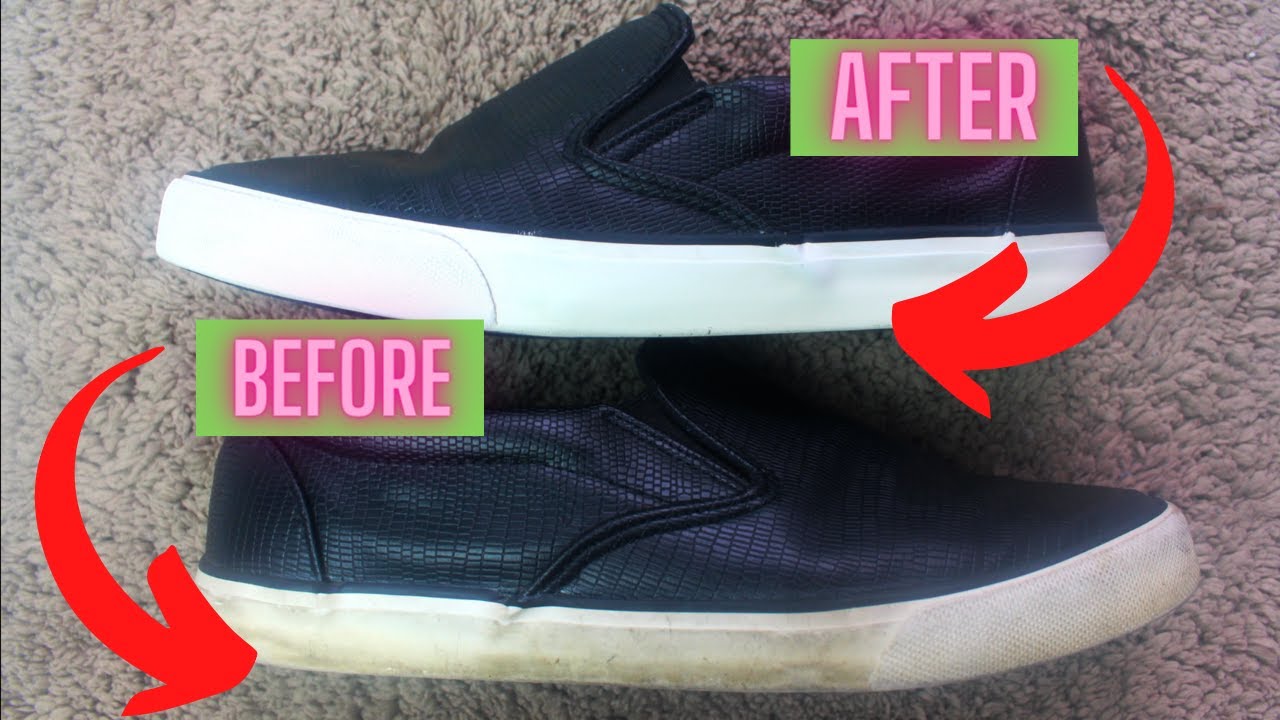
Special care by sole type
Different soles need different care. Here’s how to clean shoe bottoms by material.
Rubber soles
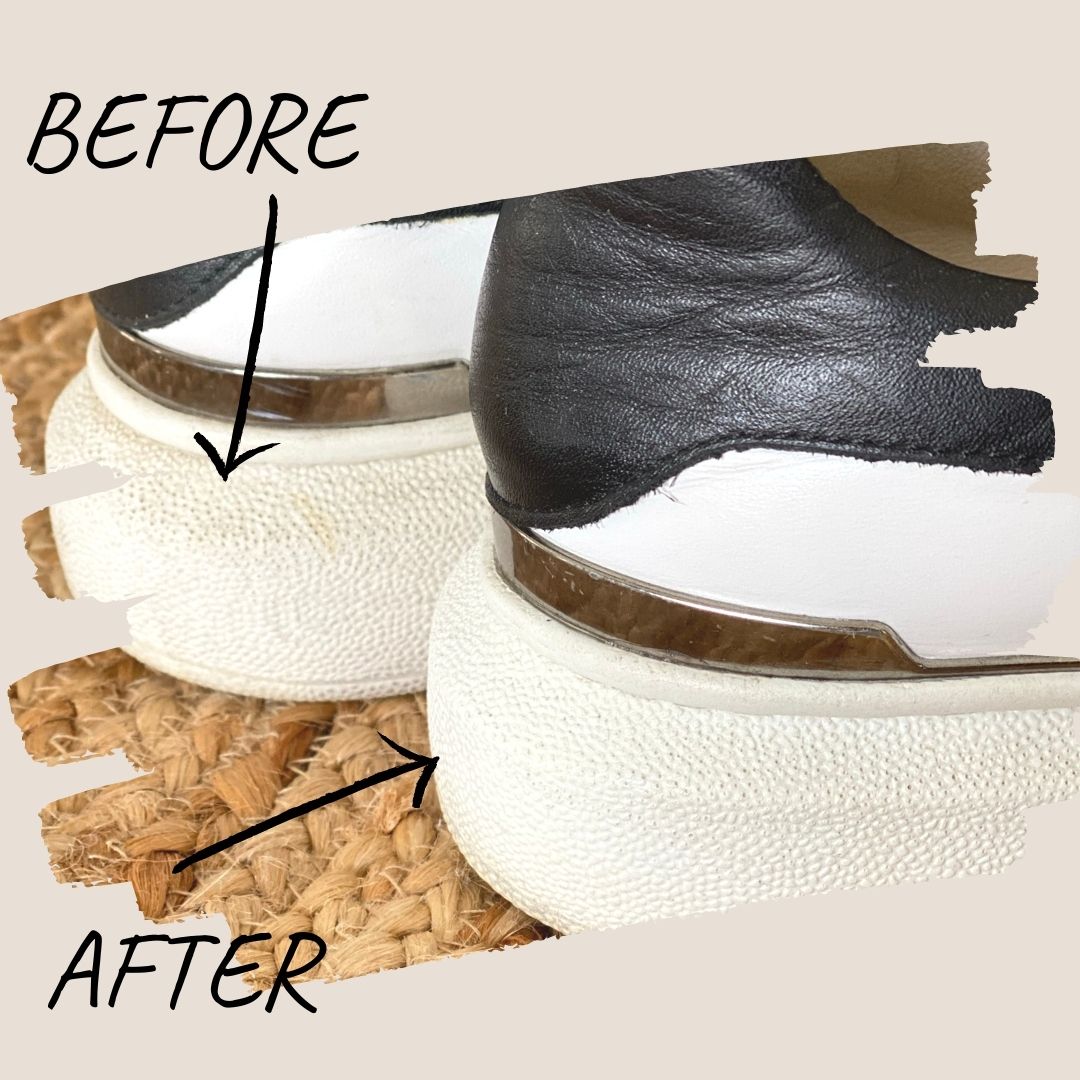
Rubber is tough. Use warm soapy water and a stiff brush. For white rubber midsoles, magic erasers or baking soda paste restore brightness.
Foam or EVA soles
These are softer and can tear. Use gentle soap and a soft brush. Avoid harsh chemicals that can degrade foam.
Leather soles
Leather needs careful cleaning. Use a damp cloth and mild leather cleaner. Condition the leather after cleaning to prevent drying.
Sticky or gum soles
Gum soles pick up grime easily. Scrape gently with a plastic tool, then scrub with soap. Avoid hot water, which can soften the sole.
Knowing how to clean shoe bottoms by material prevents accidental damage. Test cleaners on a small area first to be safe.
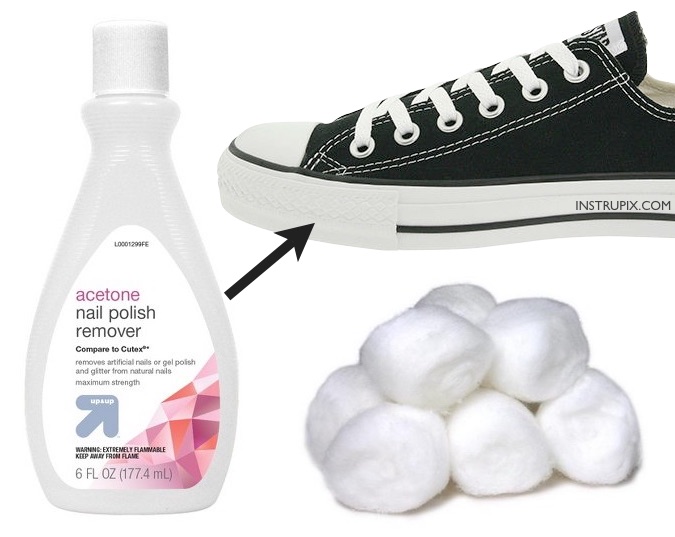
Tough stains and tricks that work
Some marks refuse to go. Try these tested tricks.
- Oil or grease
- Sprinkle baking soda, let sit to absorb oil, then brush away.
- Use dish soap and warm water for scrubbing.
- Mud and clay
- Let mud dry, then tap and brush off. Scrub remaining marks with soap.
- Scuff marks
- Use a pencil eraser or magic eraser. For stubborn scuffs, a fine-grit sanding block works gently.
- Mildew or mold
- Mix one part white vinegar to two parts water. Wipe soles and let air dry in sun.
- Gum stuck to soles
- Freeze the sole by placing the shoe in a plastic bag in the freezer for an hour, then chip the gum away.
I once removed a tough grease patch from a tennis shoe by using baking soda and a toothbrush. It looked nearly new afterward. That taught me to try simple fixes before buying specialty cleaners.

Common mistakes to avoid
Avoid these traps when you learn how to clean shoe bottoms.
- Using bleach on colored soles
- Bleach can fade and weaken materials.
- Scrubbing too hard on soft soles
- Aggressive scrubbing tears foam or thin rubber.
- Drying near direct heat
- Heat warps soles and glues.
- Skipping tests
- Test cleaners in a hidden spot first to avoid surprises.
These mistakes cause damage. Treat soles gently and choose cleaners with care.

Maintenance tips to keep soles clean longer
A little care prevents big cleaning jobs. Try these habits.
- Wipe soles after each use when possible.
- Keep a quick-clean kit in your car or entryway.
- Rotate shoes to reduce wear and grime buildup.
- Store shoes off damp floors to avoid mold.
- Apply a protective spray for certain materials to repel dirt.
Regular, small efforts make how to clean shoe bottoms easier. I set a weekly five-minute routine to wipe soles and check for stuck debris.

Frequently Asked Questions of how to clean shoe bottoms
What is the best household cleaner for shoe bottoms?
Mild dish soap and warm water work well for most soles. For white rubber, baking soda paste brightens without harsh chemicals.
Can I use a washing machine to clean shoe bottoms?
Washing machines can hurt some shoes, especially those with leather or glued soles. Hand cleaning is safer and more effective for most soles.
How often should I clean shoe bottoms?
For daily shoes, clean the soles every 1–2 weeks or when they start to look dirty. Heavy-duty or outdoor shoes may need more frequent cleaning.
Will vinegar damage shoe soles?
Diluted white vinegar is safe for many soles but test on a small area first. Avoid using vinegar on delicate leather or certain foam materials.
How do I remove gum from shoe bottoms?
Freeze the shoe in a sealed plastic bag for an hour, then carefully chip off the gum with a plastic tool. Follow up with warm soapy water to remove residue.
Conclusion
Regular care makes shoes safer, last longer, and look better. Use the right tools and methods to learn how to clean shoe bottoms without damage. Start with simple steps: remove loose dirt, scrub with mild soap, treat stains, and dry properly. Try these tips over the next week and you’ll notice cleaner soles and fewer surprises.
Share your results or ask a question below, sign up for updates, or leave a comment about your best cleaning hacks.

Rubel Miah is the Senior Editor at MyStyleGrid.com, where he brings a sharp editorial eye and an unshakable love for fashion to everything he does. A true style addict, Rubel lives and breathes trends, from streetwear to high fashion, and has a knack for turning inspiration into impactful stories. With years of experience in fashion journalism and digital media, he curates content that empowers readers to express themselves through style. When he’s not editing features or forecasting the next big thing, you’ll find him hunting down vintage pieces or capturing street style moments around the city.