Repair shoes by cleaning, gluing, stitching, replacing parts, and protecting the finish.
I have repaired hundreds of pairs and taught others how to repair shoes with clear, hands-on methods. This guide lays out step-by-step actions, tools, and decisions you need to fix common shoe problems. You will learn how to repair shoes at home, when to tackle a job yourself, and when to see a pro. Read on for practical tips, safety notes, and real-world lessons from my work restoring worn footwear.

Tools and materials you need
Start with a small kit. These tools let you handle most fixes and make how to repair shoes simpler.
- Glue: strong, flexible shoe glue or contact cement. Use glue made for rubber and leather.
- Needles and thread: heavy-duty awl and waxed thread for stitch repairs.
- Replacement parts: heels, soles, insoles, heel taps.
- Cleaning supplies: soft brush, mild soap, leather cleaner, and cloths.
- Finishing tools: sandpaper (fine), leather conditioner, shoe polish.
- Small tools: pliers, clamps, rubber mallet, scissors, ruler, masking tape.
I always keep a basic set at home. It saves time and helps me test how to repair shoes before doing bigger jobs. Start with these items and add parts as you learn.

How to assess shoe damage
A good fix starts with a good check. Learn to spot what needs work when you want to know how to repair shoes.
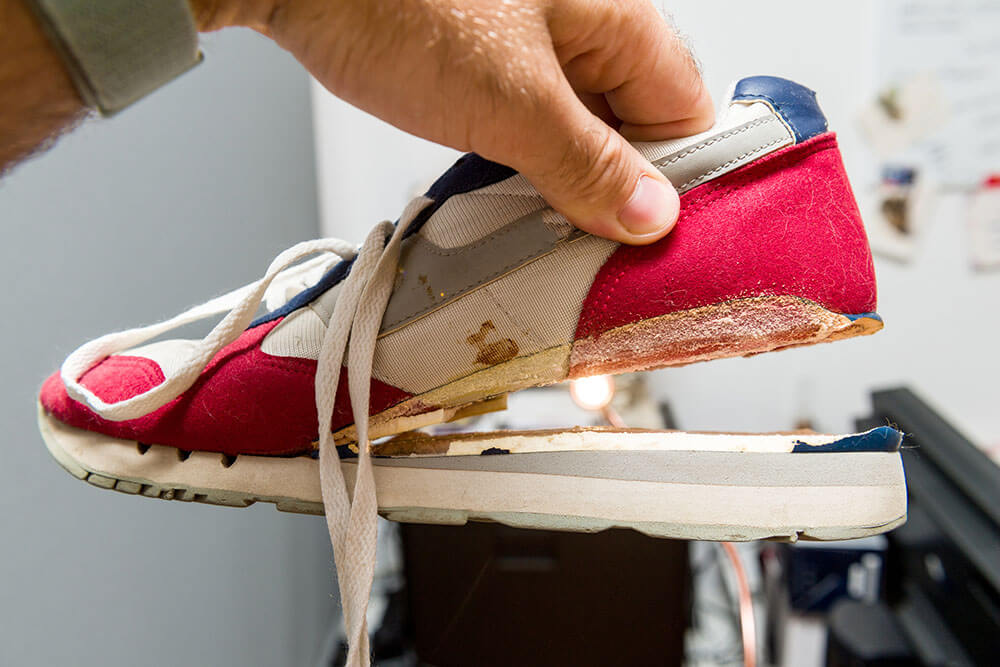
- Look at soles: Are they worn thin, cracked, or peeling?
- Check heels: Are they uneven or loose?
- Inspect seams: Any split stitches or tears in the upper?
- Examine material: Leather scuffs, holes in fabric, or detaching layers?
- Smell and fit: Bad odor or changed fit can mean a worn insole or padding problem.
Take photos and notes. I record the main issue before I repair shoes. This helps plan parts and time.
Step-by-step repairs for common problems
Follow simple steps to fix the usual issues. These methods show how to repair shoes with care.
Re-gluing a separated sole
- Clean the area and remove old glue with a scraper.
- Roughen smooth surfaces gently with fine sandpaper.
- Apply an even layer of shoe glue to both surfaces.
- Press together and clamp or weigh down for 12–24 hours.
- Trim excess glue and test the bond.
Replacing a worn heel or heel cap
- Remove the old heel cap with pliers and a small saw if needed.
- Match and fit a new heel cap. Sand for a snug fit.
- Glue and press the cap. Nail tiny finishing nails if the part requires it.
- Shape and polish the heel to match.
Stitching torn seams and reattaching uppers
- Clean the seam area. Trim frayed edges.
- Use an awl to make or widen stitch holes.
- Use waxed thread and a strong saddle stitch for leather.
- Tie off and seal ends with a small drop of glue.
Patching holes and worn spots
- For fabric, use an iron-on patch or stitch a patch under the tear.
- For leather, use a thin leather patch glued from the inside.
- Finish with conditioner and polish to blend the repair.
Replacing insoles and footbeds
– Remove the old insole and clean the interior.
- Trace and cut a new insole from foam or cork.
- Glue the insole down or use removable options for breathability.
- Check fit and comfort.
I use these steps daily in my work. Small repairs often take less than an hour. Complex jobs can take days. Learning how to repair shoes means practicing on old pairs first.

Cleaning and conditioning leather and fabric
Good cleaning helps repairs last. Clean before you fix. Condition afterward.
- Remove dirt with a brush. Use mild soap for fabric. Use a leather cleaner for leather.
- Let shoes dry at room temperature. Avoid heat.
- Apply conditioner to leather to keep it soft and prevent cracks.
- Polish for shine and protection. Use color-matched polish or a neutral one.
I once skipped conditioning on a fix. The leather cracked within months. Conditioning makes a real difference when you learn how to repair shoes well.

Preventive maintenance to extend life
Routine care cuts repair needs. These habits show how to repair shoes less often.
- Rotate shoes. Let them rest between wears.
- Use shoe trees to keep shape and wick moisture.
- Clean and condition monthly for leather shoes.
- Replace heel caps early before the heel frame wears.
- Add sole protectors for high-wear areas.
Small steps prevent big fixes. I teach clients to do these and they save money over time.

When to take shoes to a cobbler
Some jobs need pro tools or skill. Know when to seek help for how to repair shoes.
- Major sole replacement on high-end shoes.
- Complex stitch work on delicate materials.
- Structural fixes on boots or performance shoes.
- Restoring heirloom or designer shoes.
If a repair may lower value or you lack tools, see a pro. A cobbler can also match colors and parts better.
Cost, time, and choosing parts
Plan costs and time before you start a repair. This helps you decide how to repair shoes effectively.
- Glue and small tools: low cost, same-day fixes.
- Heel caps and insoles: $5–$30 and often same-day.
- Full resoles and major rebuilds: $40–$150+ and take days.
- High-end restores: costs vary widely and may take a week or more.
I get estimates before big jobs. Knowing costs helps you pick DIY vs. pro for how to repair shoes.

Safety tips and best practices
Work safe to avoid injury and ruined shoes when you learn how to repair shoes.
- Work in a well-vented area when using glues and solvents.
- Wear gloves and eye protection on tough repairs.
- Use clamps, not hands, when gluing for long bonds.
- Test glue on scrap material before use.
- Keep tools sharp and clean for better results.
I once cut a thread with a dull blade and damaged a shoe. Good tools and safe habits improve results.

Frequently Asked Questions of how to repair shoes
What glue is best to repair shoes?
Use a flexible, strong shoe glue or contact cement made for rubber and leather. These glues resist water and flex with the shoe.
Can I fix a sole that is cracked?
Yes. Small cracks can be filled with flexible glue or a rubber repair compound. Deep or extensive damage may need a full resole.
How long does a typical repair take?
Small fixes like re-gluing take a few hours to set. Heel or stitch repairs can take an hour. Major resoles take days.
Will a DIY repair last as long as a cobbler's work?
Simple DIY fixes can last well if done right. Complex structural repairs often hold longer when done by a skilled cobbler with proper tools.
How to stop shoes from smelling after repair?
Remove insoles and air them. Clean inside with a mild cleaner and use baking soda or charcoal pouches to absorb odor. Replace old insoles for best results.
Conclusion
You now have clear steps, tool lists, and decision rules to repair shoes at home or know when to go to a pro. Start small, practice on worn pairs, and build skills and gear over time. Try one simple repair this week and see how much you save and learn. Share your progress, ask questions, or subscribe for more repair tips and guides.

Rubel Miah is the Senior Editor at MyStyleGrid.com, where he brings a sharp editorial eye and an unshakable love for fashion to everything he does. A true style addict, Rubel lives and breathes trends, from streetwear to high fashion, and has a knack for turning inspiration into impactful stories. With years of experience in fashion journalism and digital media, he curates content that empowers readers to express themselves through style. When he’s not editing features or forecasting the next big thing, you’ll find him hunting down vintage pieces or capturing street style moments around the city.