Pick supportive, well‑fitted sandals, use orthotic inserts, and follow simple foot care steps.
I have helped many people and tested dozens of brands to learn how to prevent sandals from causing foot pain. I blend hands‑on experience, podiatric guidance, and simple science to give clear steps you can use today. Read on to get practical tips, product features to look for, and easy exercises so your feet stay happy in sandals all season.
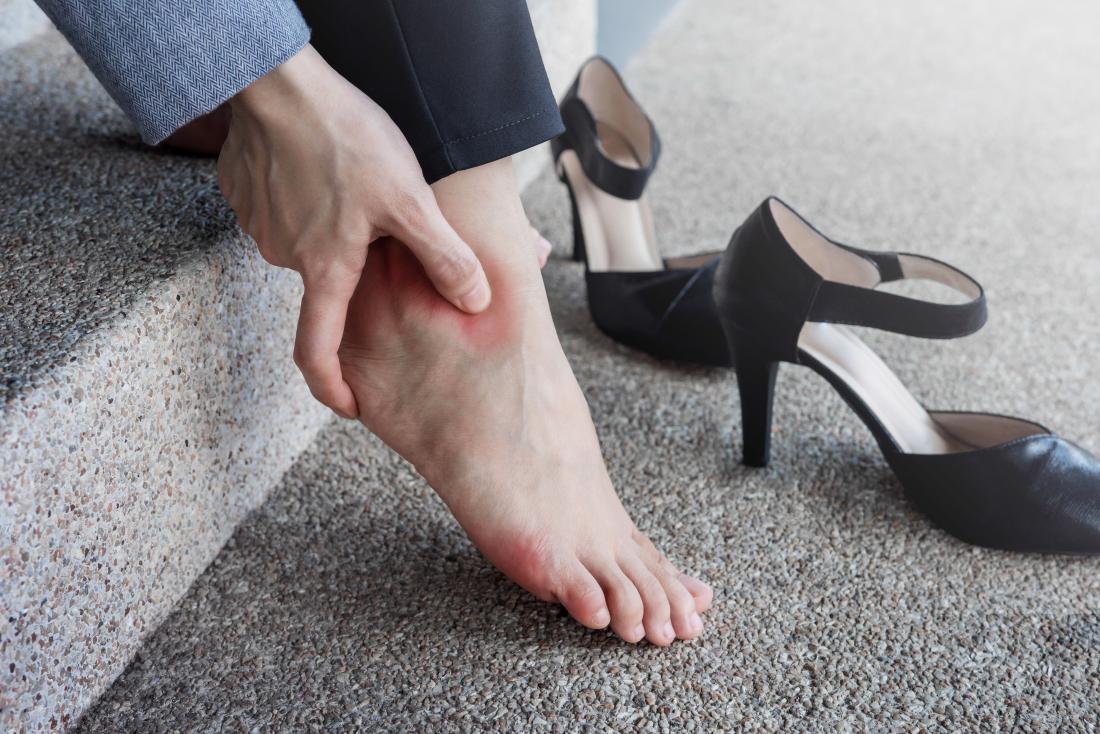
Why sandals often cause foot pain
Sandals can be thin, flat, and unsupportive. These traits let your foot collapse, strain tendons, and irritate nerves. Knowing why pain starts helps you take direct action on how to prevent sandals from causing foot pain.
Common mechanical problems with sandals
- No arch support that leads to overpronation and plantar pain.
- Hard or uneven soles that increase pressure on joints.
- Loose straps that make toes grip and strain muscles.
- Narrow toe boxes that compress toes and cause blisters.
How footwear design affects foot health
- Thin soles reduce shock absorption and stress the heel.
- Flat footbeds shift load to soft tissues rather than bone.
- Poorly placed straps change gait and add friction.
From my experience testing sandals, even small features change comfort a lot. Learning these basics is the first step in how to prevent sandals from causing foot pain.

How to choose sandals that protect your feet
Choosing the right sandal matters most. Pick sandals with features that reduce strain. Use this checklist when shopping to learn how to prevent sandals from causing foot pain.
Sandal selection checklist
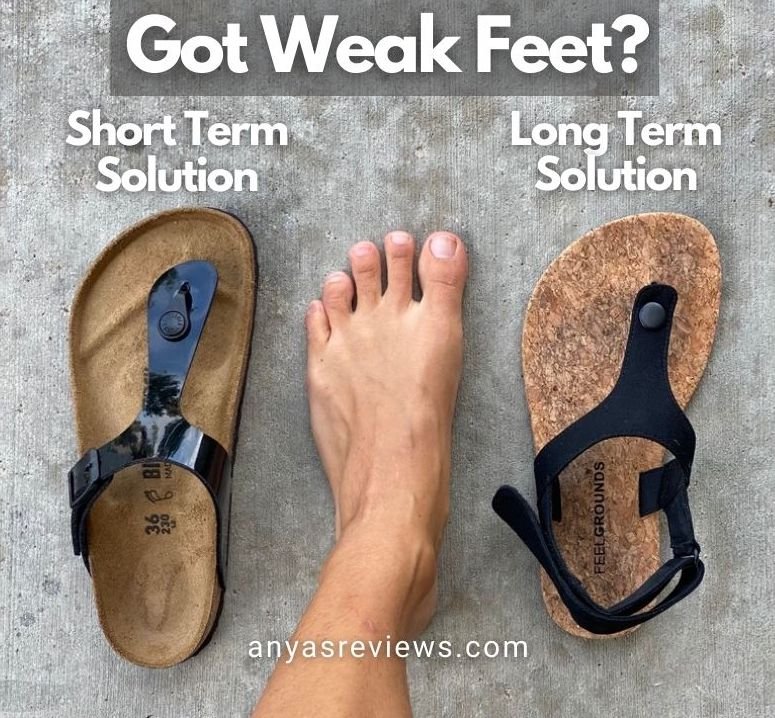
- Arch support: Look for molded footbeds or built‑in arch contours.
- Heel cup: A shallow heel cup lets the foot slide; a defined cup stabilizes the heel.
- Cushioning: Opt for EVA, cork, or latex layers for shock absorption.
- Secure straps: Adjustable straps across the instep and heel reduce toe gripping.
- Proper width: Choose a width that fits the widest part of your foot.
- Flexible forefoot: Some bend is good, but avoid overly flexible, flimsy soles.
Try‑on tips in store or at home
- Walk at least 10 steps and mimic daily activities.
- Test sandals on hard and soft surfaces.
- Wear the socks or orthotics you plan to use.
- Press the arch area with your thumb to feel support.
When you know how to prevent sandals from causing foot pain, shopping becomes smarter and faster.
Modify and adapt existing sandals
You do not need to toss every uncomfortable sandal. Simple fixes can convert a poor sandal into one that protects your feet. I have retrofitted multiple pairs this way and seen big improvement.
Easy, effective modifications
- Add orthotic insoles: Trim them to fit and restore arch support.
- Use heel pads: Thin gel pads reduce heel strike pain.
- Apply metatarsal pads: They redistribute pressure across the forefoot.
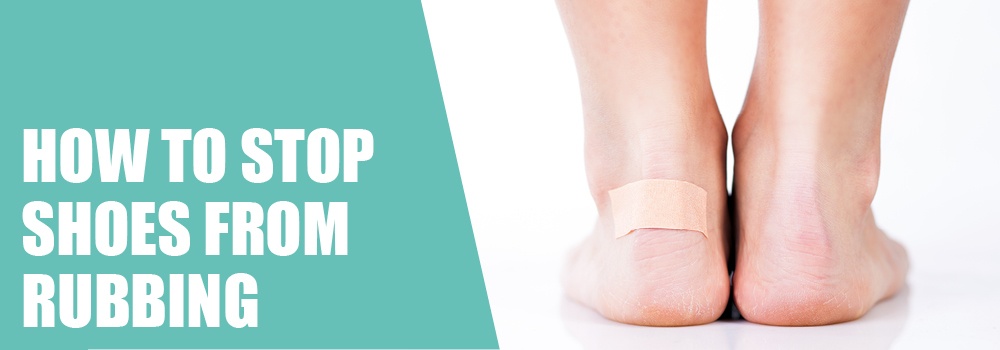
- Add strap padding: Moleskin or silicone sleeves stop chafing.
- Glue on non‑slip pads: Improve traction to prevent slips that strain muscles.
Steps to fit inserts correctly
- Remove the original footbed if possible.
- Trace and trim the insole to match the sandal shape.
- Test walk and trim more if edges rub.
- Replace or adjust strap length to accommodate added thickness.
These fixes show practical ways of how to prevent sandals from causing foot pain while saving shoes you already own.
Foot care, exercises, and daily habits
Healthy feet are less likely to hurt in sandals. Daily care and simple exercises help your feet adapt. I recommend quick routines I have used with clients to prevent recurring pain.
Daily care routine
- Wash and dry feet nightly to prevent skin issues.
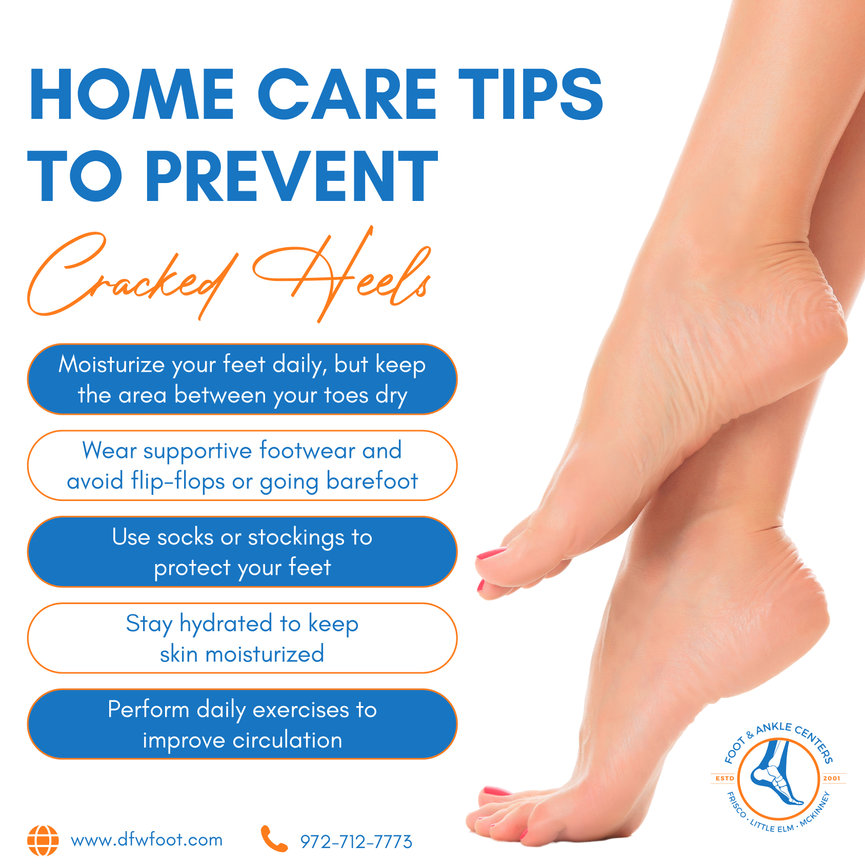
- Moisturize to avoid cracks that lead to pain.
- Trim nails straight to avoid ingrown nails.
Quick exercises (5–10 minutes)
- Toe curls: Pick up a towel with toes for 1 minute.
- Calf stretch: Lean against a wall for 30 seconds per leg.
- Arch lifts: While seated, lift the arch without curling toes, 10 reps.
- Ankle circles: 10 circles per direction to improve mobility.
When to use orthotics or night splints
- Use over‑the‑counter orthotics for mild support.
- Consult for custom orthotics if pain persists.
- Night splints help with plantar fascia tightness.
These steps form a simple plan to reduce and prevent pain and explain how to prevent sandals from causing foot pain in daily life.
When to see a specialist
Not all pain resolves with better sandals and care. Know when to get help. A timely visit can stop small problems from becoming chronic.
Red flags to consult a podiatrist or physical therapist
- Pain that lasts more than two weeks despite self‑care.
- Severe sharp pain, numbness, or tingling.
- Visible swelling, bruising, or deformation.
- Pain that limits walking or daily tasks.
What professionals can do
- Diagnose underlying causes with exams and imaging if needed.
- Prescribe custom orthotics or physical therapy plans.
- Offer injections or surgical options when conservative care fails.
Getting expert care is part of a safe strategy for how to prevent sandals from causing foot pain over the long term.

Frequently Asked Questions of how to prevent sandals from causing foot pain
How do I know if my sandals are the cause of my foot pain?
Try a different supportive shoe for a day. If pain eases, sandals are likely the cause. Removing the sandals for several days can confirm this.
Can orthotic inserts stop sandal pain?
Yes. Orthotic inserts add arch support and cushioning that many sandals lack. Over‑the‑counter inserts help mild issues; custom ones suit persistent problems.
Are flip‑flops always bad for feet?
Not always, but most thin flip‑flops lack support and promote toe gripping. Use them sparingly and choose thicker, supportive versions when possible.
How long should I wear sandals each day?
Limit long walks in unsupportive sandals to short periods. Swap to supportive shoes for long standing or walking sessions to prevent strain.
Can exercises really prevent sandal pain?
Yes. Strengthening and stretching reduce tendon strain and improve foot mechanics. Regular, short exercises can make a big difference.
When should I replace sandals?
Replace sandals if the sole is worn flat, straps fray, or the footbed no longer holds shape. Worn sandals fail to offer proper support and can cause pain.
Conclusion
Preventing sandal‑related foot pain is about choice, fit, and simple care. Pick sandals with support, adapt older pairs with inserts, and keep up daily foot exercises. If pain persists, seek professional help early to avoid long‑term issues. Start by checking your current sandals today, try one modification, and pay attention to how your feet feel—then build better habits from there. Share your experience, subscribe for more foot care tips, or leave a comment about what worked for you.

Madison Clark is a footwear expert and the voice behind MyStyleGrid.com. She specializes in honest shoe reviews, style tips, and practical guides to help readers find the perfect pair for any occasion. With years of experience in blogging and content creation, Madison makes footwear knowledge simple, stylish, and easy to follow.