Thread laces straight through the bottom eyelets, then crisscross or skate-style up for a snug, even fit.
I’ve laced dozens of DC shoes over years of skating and street wear, and I’ll walk you through every step. This guide covers how to lace DC shoes for fit, comfort, and performance. You’ll get clear, expert methods, practical tips, and real-world advice so you can lace like a pro.

Why proper lacing matters
Proper lacing changes how a DC shoe fits, feels, and performs. It keeps your foot stable on the board and prevents hot spots and heel slip. Lacing also affects foot alignment and can reduce pain during long sessions. Mastering how to lace DC shoes saves money and improves comfort.
Tools and prep before you start
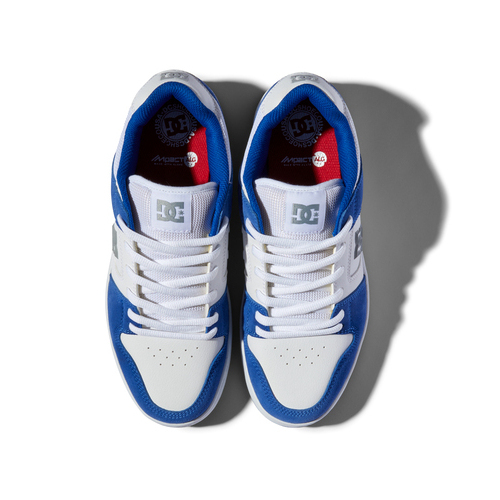
Prepare the right laces and a clean shoe for best results. Use laces that match your DC shoe eyelet count and length. Replace frayed laces and clean eyelets to avoid uneven wear. Good prep helps ensure your lacing lasts and works well.
- Lace length basics: short (36–40 in) for low eyelets, medium (45–54 in) for 6–7 eyelets, long (54–63 in) for 8+ eyelets.
- Lace type: flat laces for skate grip, waxed for less slipping, round for casual fit.
- Tools: clean cloth, needle or lace hook for tight threading.

Step-by-step lacing methods
Below are reliable lacing methods tailored to DC shoes. Choose the one that fits your foot shape, activity, and look.
Traditional crisscross (best all-round)
- Insert lace tips through bottom eyelets from outside in so tips are even.
- Cross left over right and thread up through the next eyelets from inside out.
- Continue crisscrossing to the top, keeping tension even as you go.
- Tie a secure knot or double knot. Adjust slack by pulling near each eyelet.
This method gives stable midfoot lockdown and is easy to adjust. I used this on early DC models for daily wear and found it balanced comfort and control.
Skate-style (locked-in heel for skateboarding)
- Start with lace tips even and thread from outside in at the lowest eyelets.
- Crisscross to the second-to-top eyelets and stop.
- Create a “heel lock” by threading each lace up vertically into the top eyelet on the same side, then cross and tuck under the vertical loop before tying.
- Tighten the loops to lock the heel and finish with a secure knot.
This technique prevents heel lift during tricks. I learned it after slipping in Ollies; it made my heel stay planted.
Straight bar (clean look and comfort)
- Thread each lace straight across the bottom eyelets from outside in so the lace runs inside horizontally.
- For the left lace, go up one eyelet on the left and across to the right; repeat upward.
- For the right lace, mirror that pattern so visible bars run across the shoe.
- Tighten evenly and tie at the top.
Straight bars reduce pressure points and look tidy under jeans. They are less adjustable on the fly but very comfortable for walking.
Alternate patterns for wide or narrow feet
- For wide feet: skip one cross occasionally to reduce pressure over the forefoot.
- For narrow feet: tighten lower eyelets more and use a heel lock to prevent slipping.
Try each method for a few days to find what suits your foot and the specific DC shoe model.
Tips for fit, comfort, and performance
Small adjustments make a big difference in how your DC shoes feel and perform.
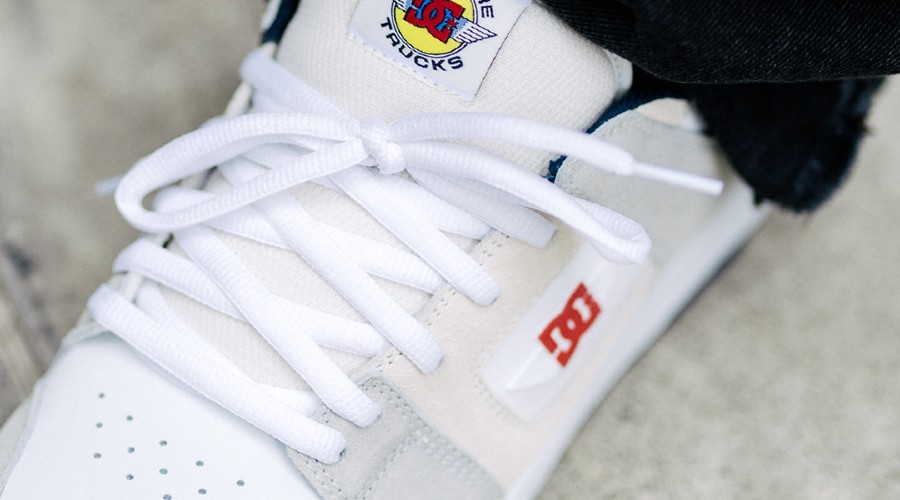
- Even tension: tighten laces evenly from bottom to top to avoid pressure points.
- Lace models: replace flat laces with waxed laces for less slippage while skating.
- Knot choice: use a double knot for active use; single knot for casual wear.
- Heel lock: use heel lock technique when heel lift is an issue.
- Eyelet care: bend metal eyelets back into place if they snag laces.
From my experience, small tension fixes reduced blisters and improved board control. Try one change at a time to see what helps.

Common mistakes and how to fix them
Avoid these errors when learning how to lace DC shoes.
- Uneven tension: leads to pinching or looseness. Fix by re-threading and pulling each cross tight.
- Wrong lace length: too long leads to dangerous loops; too short prevents tying. Measure eyelets first.
- Ignoring wear: frayed laces can snap mid-use. Replace laces regularly.
- Tight top eyelets: can cut circulation. Loosen top two eyelets if toes feel numb.
I once skated an entire session with uneven tension and got a sore spot above my toes. Re-lacing immediately solved it.

Maintenance and care for laces and shoes
Keep laces and DC shoes in good shape to extend life and performance.
- Clean laces: hand wash with mild soap and air dry to avoid shrinking.
- Inspect eyelets: remove rust or sharp edges that fray laces.
- Replace smartly: match lace length and type when swapping.
- Store shoes: keep them dry and avoid tight knots when storing to preserve lace fibers.
Routine checking saved me from a snapped lace mid-ride. Small care steps prevent big disruptions.
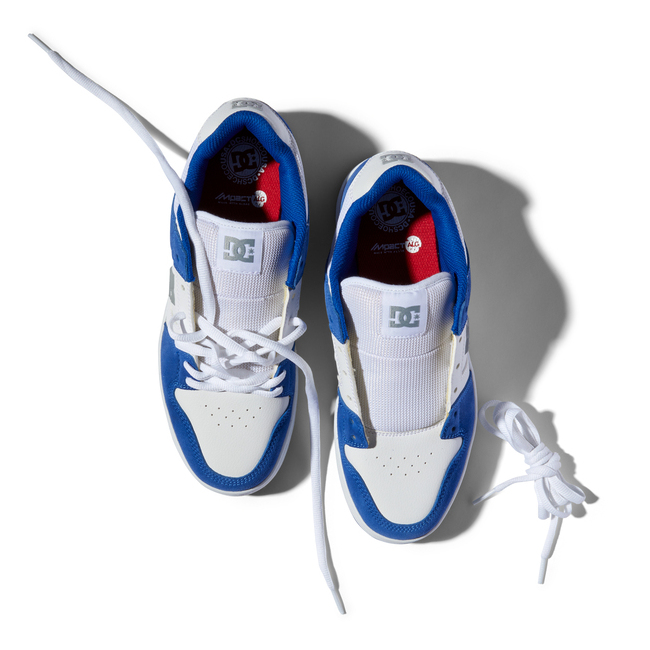
Frequently Asked Questions of how to lace dc shoes
What lace length is best for DC shoes with 6 eyelets?
For 6 eyelets, a lace between 45 and 54 inches usually works. Choose longer if you like wrapping or double-knotting.
How can I stop my laces from coming untied?
Use a double knot or reef knot and consider waxed laces for friction. Tucking the bow under the tongue helps for board sports.
Should I use a heel lock every time?
No, use a heel lock when you experience heel slip or for active use like skating. It can feel tight at first but helps performance.
Can lacing reduce foot pain?
Yes, proper lacing evens pressure across the foot and can alleviate hot spots and numbness. Experiment with tension and eyelet spacing for best results.
How often should I replace DC shoe laces?
Replace laces when they show fraying, thinning, or reduced grip. For daily use, inspect every few months and replace as needed.
Conclusion
Mastering how to lace DC shoes improves comfort, performance, and shoe life. Use the right lace length, pick a lacing pattern that suits your activity, and adjust tension evenly. Try the crisscross, skate-style, and straight bar methods to see which fits your feet best. Now take a few minutes to re-lace your DC shoes with one of these methods, test the fit, and share your results or questions below.

Rubel Miah is the Senior Editor at MyStyleGrid.com, where he brings a sharp editorial eye and an unshakable love for fashion to everything he does. A true style addict, Rubel lives and breathes trends, from streetwear to high fashion, and has a knack for turning inspiration into impactful stories. With years of experience in fashion journalism and digital media, he curates content that empowers readers to express themselves through style. When he’s not editing features or forecasting the next big thing, you’ll find him hunting down vintage pieces or capturing street style moments around the city.