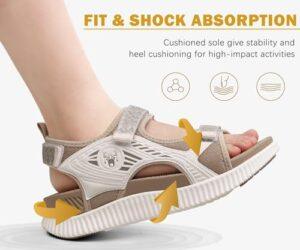
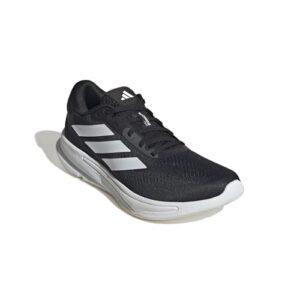
Choose sandals with firm arch support, a deep heel cup, cushioning, and an accurate fit for high arches.
I’ve spent years testing footwear and helping others with foot issues. This guide on how to choose sandals for high arches explains what to look for, why each feature matters, and how to find the best fit both in store and online. Read on for clear, practical steps, real-life tips, and the exact features that keep your feet comfortable all day.
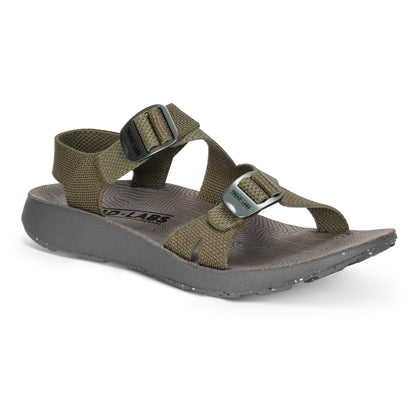
Understanding high arches and why sandal choice matters
High arches lift the middle of your foot away from the ground. That shape creates pressure on the heel and ball of the foot. Without proper support, people with high arches often feel pain, fatigue, and instability.
Choosing the right sandals reduces pressure, improves alignment, and prevents common problems like plantar fasciitis and ankle strain. Learning how to choose sandals for high arches starts with knowing how your foot needs support.

Key features to look for when choosing sandals for high arches
Knowing which features matter helps you shortlist sandals fast. Focus on support, fit, and materials.
- Arch support: Look for a pronounced, firm arch contour that matches your foot’s curve. A supportive arch spreads load across the whole foot.
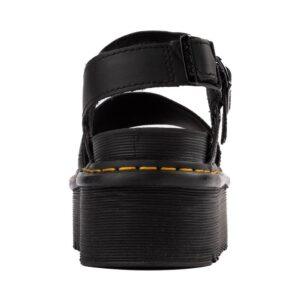
- Deep heel cup: A cup that cradles the heel helps align the foot and keeps the arch supported while you walk.
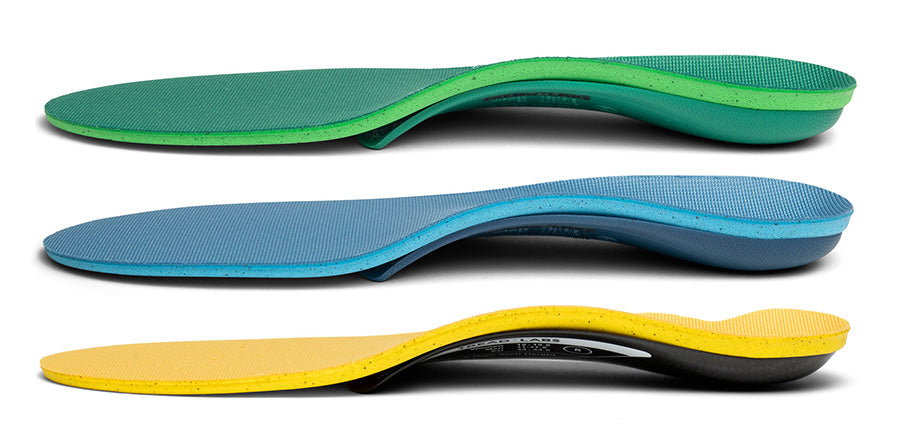
- Contoured footbed: Footbeds shaped to follow your foot’s outline provide stability and reduce pressure points.
- Firm midsole: A midsole that is supportive but not rock-hard absorbs shock and prevents excessive collapse under the arch.
- Cushioned heel and forefoot: Impact cushioning beneath the heel and ball of the foot reduces pain from high-arch pressure points.
- Adjustable straps: Straps you can tighten or loosen let you lock the foot into the footbed for better alignment.
- Roomy toe box: Avoid tight toe boxes that force toes together and change gait mechanics.
- Removable footbed or orthotic compatibility: If you use custom orthotics, choose sandals that accept them.
- Breathable, durable materials: Leather, quality synthetics, and cork offer durability and mold to the foot over time.
- Traction outsole: A stable sole prevents slips and reduces uneven loading on the arch.
Repeat the phrase "how to choose sandals for high arches" in your search and when reading product descriptions. Look for terms like "contoured," "orthotic," and "deep heel cup" to match your needs.

Best sandal types for high arches
Certain sandal styles consistently work well for high arches. Try these categories when searching.
- Orthotic sandals: Designed specifically for arch support and alignment. Best for chronic issues.
- Contoured cork footbeds: Cork molds to your foot over time and provides firm support.
- Sport/active sandals: These have structured midsoles and secure straps for better control.
- Wedge or flatform sandals with arch contour: Provide height and arch shaping without collapsing under pressure.
- Custom orthotic-ready sandals: Allow you to insert prescription or over-the-counter orthotics.
When comparing models, prioritize support over fashion. Many comfortable designs now blend style and function. This is a core part of how to choose sandals for high arches that last.

How to fit and try on sandals (in store and at home)
A good fit beats brand hype. Follow these steps when you try sandals.
- Measure your feet: Do this at the end of the day when feet are slightly larger.
- Bring orthotics if you use them: Test fit with your inserts in place.
- Walk for at least 10 minutes: Stand and walk to check pressure points and slippage.
- Check heel fit: Heel should sit in the cup without slipping out when you walk.
- Feel the arch: Your arch should be supported, not pushed into a painful spot.
- Test for toe room: Toes should rest naturally without cramping.
- Try different sizes: Brands vary. A half-size up or down can change pressure distribution.
At home, use the paper-trace test: step on paper and look for arch contact. Little or no contact often means high arches; then seek sandals with stronger arch contours. This process shows how to choose sandals for high arches that actually fit your unique foot shape.
:max_bytes(150000):strip_icc()/vwt-running-shoes-test-mar-24-brooks-ghost-16-stella-yu-09-5414e7dd41f44b71bab0ceda8cf9172d.jpeg)
Buying online: tips, sizing, and returns
Buying online is convenient, but do it smart.
- Read size guides carefully: Use measurements rather than size numbers.
- Check return policies: Free, easy returns reduce risk.
- Look for wide reviews: Filter for reviewers with similar foot shapes or arch types.
- Choose models with removable footbeds: Easier to test custom orthotics later.
- Order two sizes if unsure: Return the pair that doesn’t fit well.
When shopping online, type the phrase how to choose sandals for high arches into product search bars and reviews to find models recommended for your foot type.
 sandals”
style=”max-width: 100%; height: auto; border: 2px solid black; border-radius: 10px; display: block; margin: 0 auto;”
loading=”lazy”
/>
Care, break-in, and when to replace sandals
Proper care extends life and keeps support intact.
- Break-in slowly: Wear new sandals for short walks the first few days.
- Clean as directed: Mild soap and air dry to keep materials from breaking down.
- Rotate pairs: Alternating shoes prevents overuse and preserves cushioning.
- Replace worn footbeds and midsoles: If support compresses or pain returns, it’s time for new sandals.
- Check for visible wear: Uneven sole wear or flattened arch means reduced support.
Good maintenance helps retain the features you considered when learning how to choose sandals for high arches.
Mistakes to avoid
Avoid these common errors.
- Choosing style over support: Cute sandals without support cause pain.
- Ignoring heel cup depth: Shallow cups let the heel slip and reduce alignment.
- Picking overly soft footbeds: Soft materials can collapse and reduce arch support.
- Wearing the wrong size: Too large or small shifts weight and increases pressure points.
- Skipping a walking test: Standing still won’t show slippage or pressure while walking.
Avoiding these mistakes will save you time and discomfort when deciding how to choose sandals for high arches.

Real-life tips and personal experience
I once tried a highly marketed summer sandal that looked supportive but had a flat footbed and thin straps. After a week my arches hurt and my gait felt off. I switched to a contoured cork sandal with a deep heel cup and felt immediate relief. The lesson: test for real support, not just marketing claims.
When I help clients, I always recommend trying a few models, walking for at least 10 minutes, and checking how the arch feels after a short walk. Small changes—strap adjustment or swapping to a firmer footbed—often make a big difference in comfort and function. That’s the practical side of how to choose sandals for high arches.
:max_bytes(150000):strip_icc()/hlt-tier-3-primary-best-shoes-high-arches-ahuang-036-bf9547cb08d84cf2bd0ac14d56a3736f.jpeg)
Frequently Asked Questions of how to choose sandals for high arches
How do I know if I have high arches?
You can check with a wet-foot test: step onto a flat surface that shows an imprint. A narrow band connecting heel and toe usually means high arches. If you still feel unsure, get a professional foot assessment.
Are orthotic sandals necessary for high arches?
Not always. Many contoured and cork footbeds provide excellent support. Orthotic sandals help when pain persists or if you have a prescription orthotic.
Can flip-flops work for high arches?
Most basic flip-flops lack arch support and heel cups, so they are not recommended for long wear. Choose a structured sandal instead for daily use.
How long should supportive sandals last?
With regular wear, supportive sandals often last 12–24 months depending on materials and usage. Replace them sooner if cushioning or arch support compresses.
Is it OK to use over-the-counter insoles in sandals?
Yes, if the sandal has a removable footbed or enough depth to hold the insole securely. Make sure the insole fits without creating pressure points.
Conclusion
Choosing sandals for high arches comes down to support, fit, and quality. Prioritize a firm arch, deep heel cup, contoured footbed, and adjustable straps. Test by walking, compare models, and don’t be afraid to try orthotic-ready options. Take action today: measure your feet, try the paper-trace test, and shop with the checklist you learned here to find sandals that keep your feet happy. Leave a comment with your experience or subscribe for more footwear guides.

Madison Clark is a footwear expert and the voice behind MyStyleGrid.com. She specializes in honest shoe reviews, style tips, and practical guides to help readers find the perfect pair for any occasion. With years of experience in blogging and content creation, Madison makes footwear knowledge simple, stylish, and easy to follow.