Choose supportive sandals with heel cups, arch support, secure straps, orthotic inserts, and ankle exercises.
I have helped many people stop sandals causing ankle pain by combining shoe choices, simple fixes, and targeted exercises. As a clinician and longtime footwear tester, I explain why sandals can hurt your ankles and exactly what to do. Read on for step-by-step, practical guidance you can start today to stop sandals causing ankle pain and get back to walking and enjoying the outdoors.

Why sandals cause ankle pain
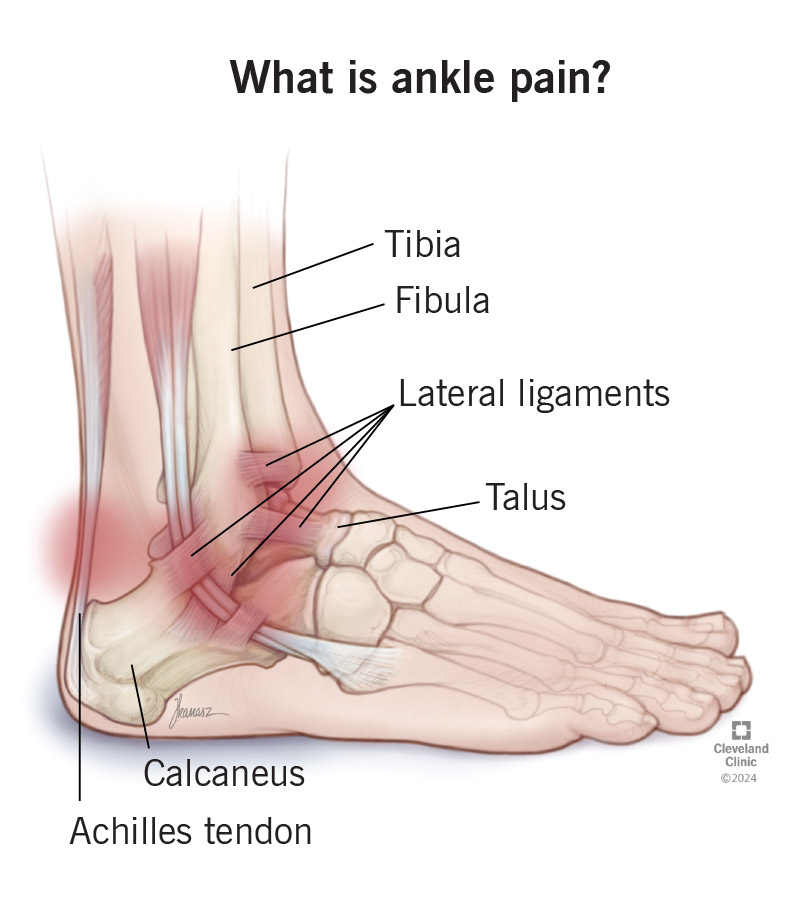
Sandals often lack the structure and support modern shoes provide. Thin soles, no heel cup, and loose straps let your foot roll. That rolling places extra stress on the ankle tendons and ligaments.
Common causes
- Lack of arch support allows the foot to flatten and overpronate.
- Weak heel cup means more side-to-side motion at the ankle.
- Loose straps let the foot slide forward, increasing strain.
- Thin, flexible soles fail to absorb shock and force the ankle to stabilize.
How this creates pain
- When the foot moves too much, muscles must work harder.
- Tendons get irritated from repetitive strain.
- Small, repeated twists can inflame ligaments and cause pain.
If you want to stop sandals causing ankle pain, you must address these core problems: stability, support, and control.

Immediate steps to stop sandals causing ankle pain
If your ankles hurt right now while wearing sandals, try quick fixes to reduce pain and risk.
Quick actions
- Stop walking on uneven ground and switch to a flat, firm surface.
- Remove the sandals and rest your feet. Apply ice for 10 to 15 minutes if there's swelling.
- Swap to a more supportive shoe if you have one nearby.
- Use temporary inserts or folded cloth under the arch to reduce overpronation.
Short-term fixes to improve sandals now
- Tighten straps so your foot does not slide.
- Add a heel cup or adhesive foam pad to reduce side motion.
- Use a cushion insert to absorb shock.
These measures help reduce immediate pain and are the first steps to stop sandals causing ankle pain.
How to choose supportive sandals that prevent ankle pain
Choosing the right sandal matters. Look for these features when shopping or evaluating your current pair.
Key features to look for
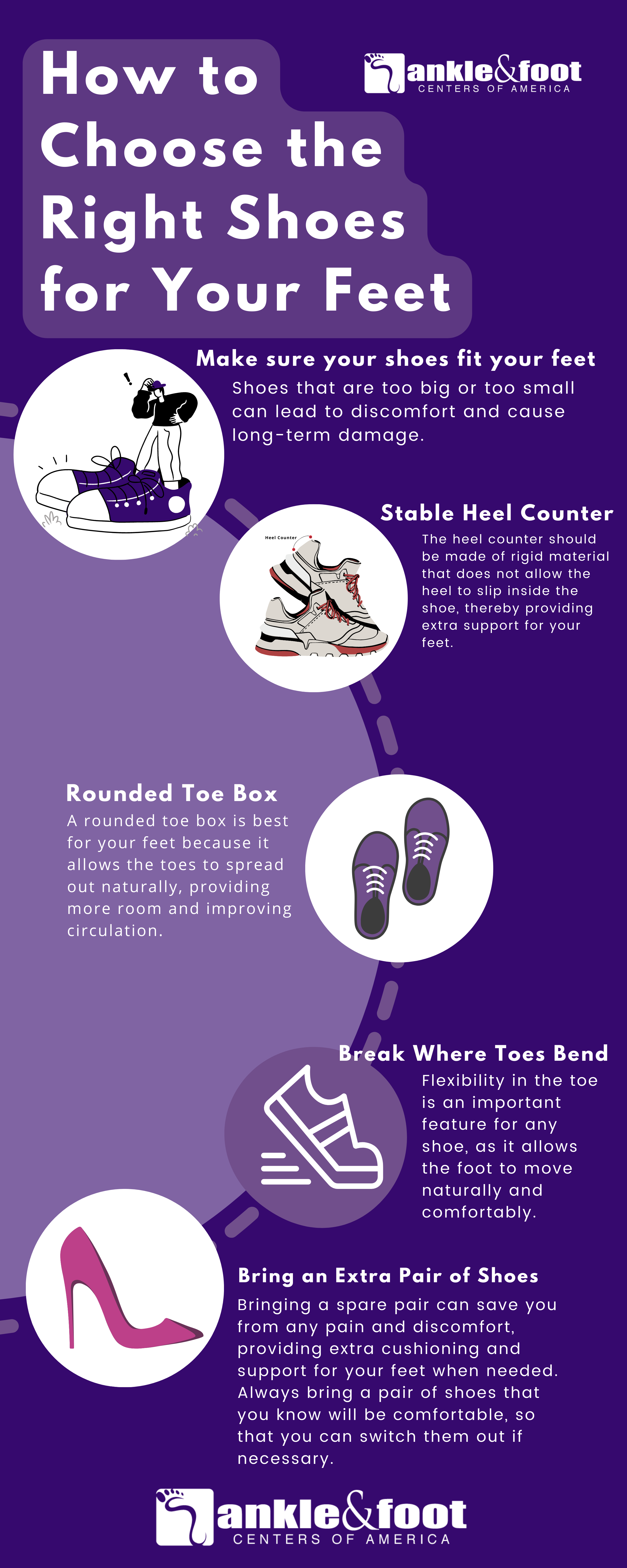
- Firm heel cup that cradles your heel and limits side-to-side motion.
- Noticeable arch support to keep your foot aligned.
- Adjustable straps across the heel and forefoot for a secure fit.
- Sturdy midsole with some cushioning to absorb impact.
- A non-slip outsole with a small tread for traction.
Fit tips
- Try sandals later in the day when feet may be slightly swollen.
- Ensure toes can move but your heel stays put.
- Walk around the store and test on different surfaces.
If you learn how to stop sandals causing ankle pain, choosing sandals with these features is the most effective long-term step.

Orthotics, inserts, and heel cups: small changes, big impact
Adding the right insert can change how a sandal supports your foot. Orthotics and heel cups improve alignment and reduce strain.
Options to consider
- Molded arch inserts for long-term correction of flat feet.
- Gel heel cups to cushion and centralize the heel.
- Foam or cork footbeds that contour to your foot over time.
- Over-the-counter orthotic insoles for sandals that accept inserts.
How to use them
- Trim insoles to fit your sandal if needed.
- Replace thin stock footbeds with higher-support options.
- Combine inserts with secure straps for the best control.
In my experience, adding a molded insert reduced my ankle pain within days. Small changes to the sandal interior can stop sandals causing ankle pain faster than replacing the whole pair.
Exercises and stretches to strengthen ankles and prevent pain
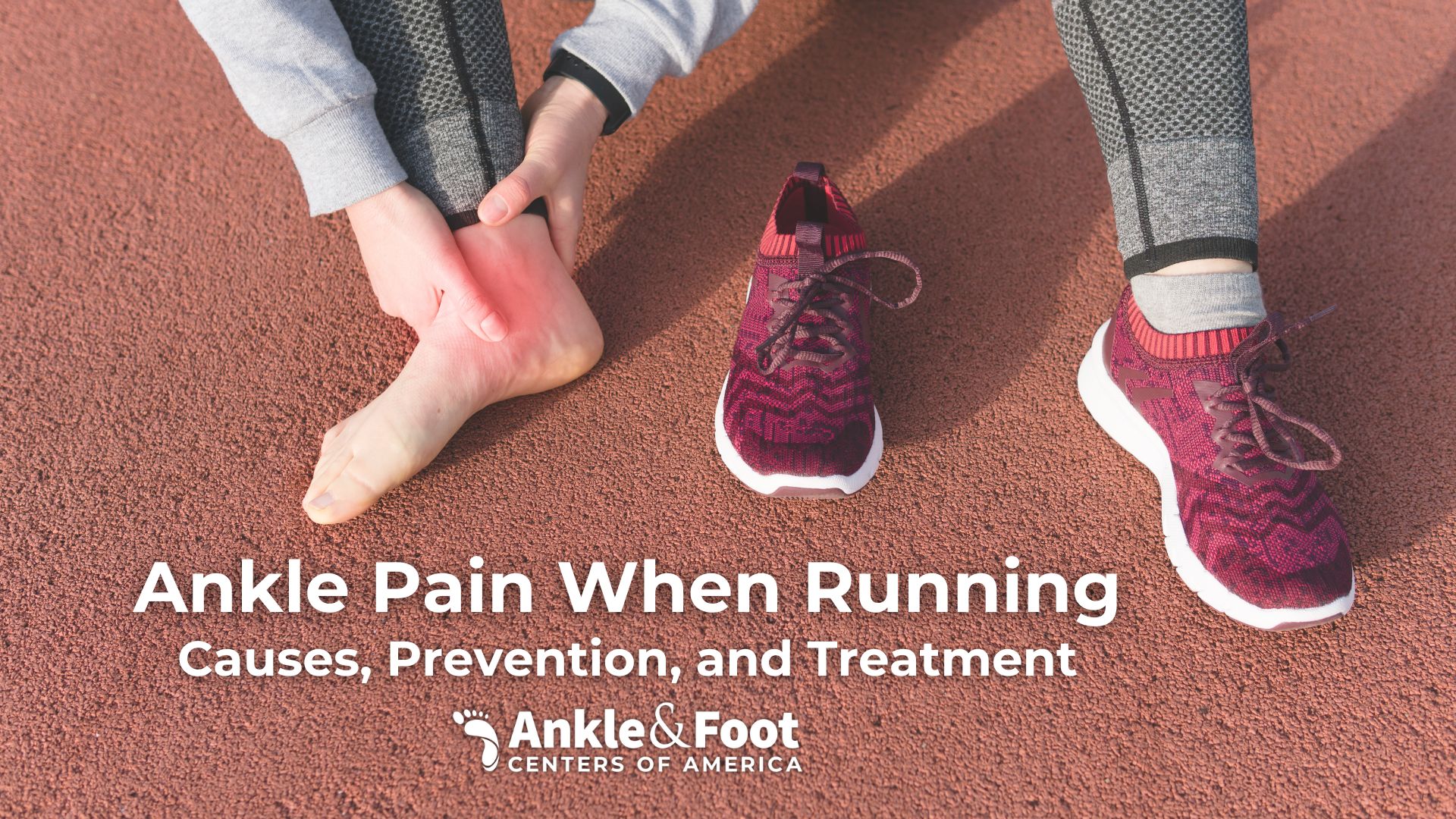
Building ankle strength and balance reduces injury risk and pain from sandals. Do these simple moves daily.
Ankle-strengthening routine
- Calf raises: 3 sets of 12 repetitions. Stand on both feet, rise up on toes, and slowly lower.
- Single-leg balance: 3 sets of 30 seconds per leg. Progress by closing your eyes or standing on a cushion.
- Resistance band eversion/inversion: 2 sets of 12 reps each direction to strengthen side muscles.
- Ankle circles: 2 sets of 10 circles each way per ankle for mobility.
Stretches
- Standing calf stretch: hold 20 to 30 seconds per leg.
- Achilles stretch on a step: controlled lowering for 10 reps.
Do these exercises 3 to 5 times per week. Over time, they reduce the load on the ankle and help stop sandals causing ankle pain.

Daily habits and prevention strategies
Prevention is about habits as much as shoes. Small routines protect your ankles while using sandals.
Practical habits
- Rotate footwear so you do not rely on one sandal daily.
- Avoid extended walks in unsupportive sandals.
- Keep a backup pair of supportive shoes for long days.
- Maintain healthy body weight to reduce ankle load.
- Gradually increase walking time in new sandals to allow tissues to adapt.
Lifestyle tips
- Strengthen hips and core to improve gait and reduce ankle stress.
- Use ice and rest after long days if your ankles feel tight.
- Replace sandals when footbeds wear down or straps loosen.
These habits help stop sandals causing ankle pain before it starts.
When to see a doctor or specialist
Most sandal-related ankle pain heals with rest, better shoes, and exercises. But seek professional help if symptoms persist or worsen.
Warning signs
- Intense pain that prevents walking.
- Swelling or bruising that does not improve after a few days.
- Numbness or tingling in the foot or toes.
- Pain that persists despite changing shoes and doing exercises.
What a professional can do
- Diagnose tendon or ligament damage.
- Prescribe custom orthotics or physical therapy.
- Recommend injections or imaging if needed.
If you can’t stop sandals causing ankle pain with basic steps, schedule an evaluation to rule out a more serious condition.
Frequently Asked Questions of how to stop sandals causing ankle pain
Can I make any sandal supportive enough to stop ankle pain?
Yes. Adding a molded insole, a heel cup, and tightening straps can greatly improve support. These adjustments often reduce pain quickly.
How long until my ankle feels better after changing sandals?
You may feel relief within days if you correct support and rest the ankle. Full recovery for tendon irritation can take several weeks with consistent care.
Are flip-flops always bad for ankle pain?
Since flip-flops offer little heel support and allow sliding, they often worsen ankle issues. Use them only for short, low-impact activities.
Do custom orthotics help with sandal-related ankle pain?
Custom orthotics can help if you have structural foot issues or persistent pain. They provide tailored support and improve foot alignment.
Will strengthening exercises really stop sandals causing ankle pain?
Yes. Strength and balance work reduce strain on tendons and ligaments and lower the chance of recurring pain. Consistency is key.
Conclusion
To stop sandals causing ankle pain, combine better sandals with inserts, secure strap adjustments, and regular ankle strengthening. Start with quick fixes today and build daily habits to protect your feet. Try one change this week—tighten straps, add an insert, or begin a two-week exercise plan—and see how your ankles respond. Share your results, ask questions below, or subscribe for more foot care tips.

Rubel Miah is the Senior Editor at MyStyleGrid.com, where he brings a sharp editorial eye and an unshakable love for fashion to everything he does. A true style addict, Rubel lives and breathes trends, from streetwear to high fashion, and has a knack for turning inspiration into impactful stories. With years of experience in fashion journalism and digital media, he curates content that empowers readers to express themselves through style. When he’s not editing features or forecasting the next big thing, you’ll find him hunting down vintage pieces or capturing street style moments around the city.