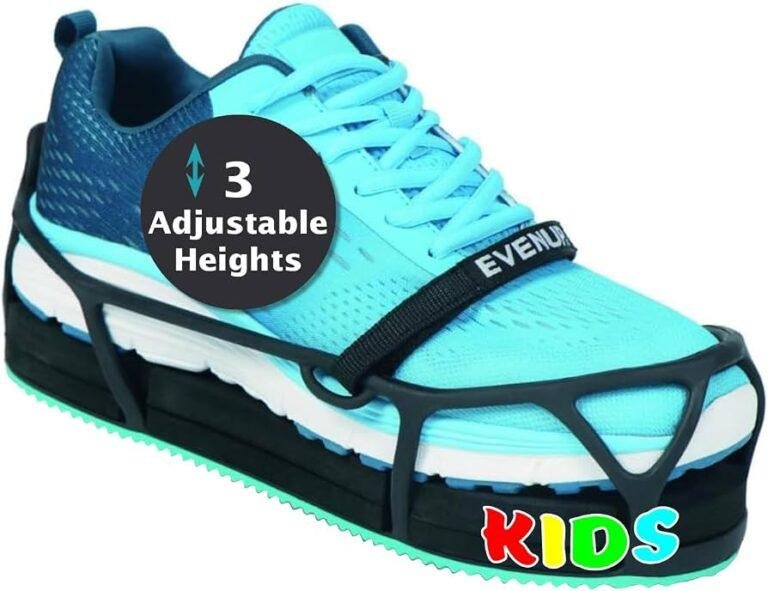
Basketball shoes can be good for walking, but comfort depends on the shoe, distance, and your feet.
Basketball shoes are built for quick cuts, jumps, and strong court grip. That design can help with support and cushioning, but it can also make some pairs heavy or stiff for daily walks. This guide explains when basketball shoes work well for walking, when they do not, and how to choose a pair that keeps your feet comfortable.

Are basketball shoes good for walking?
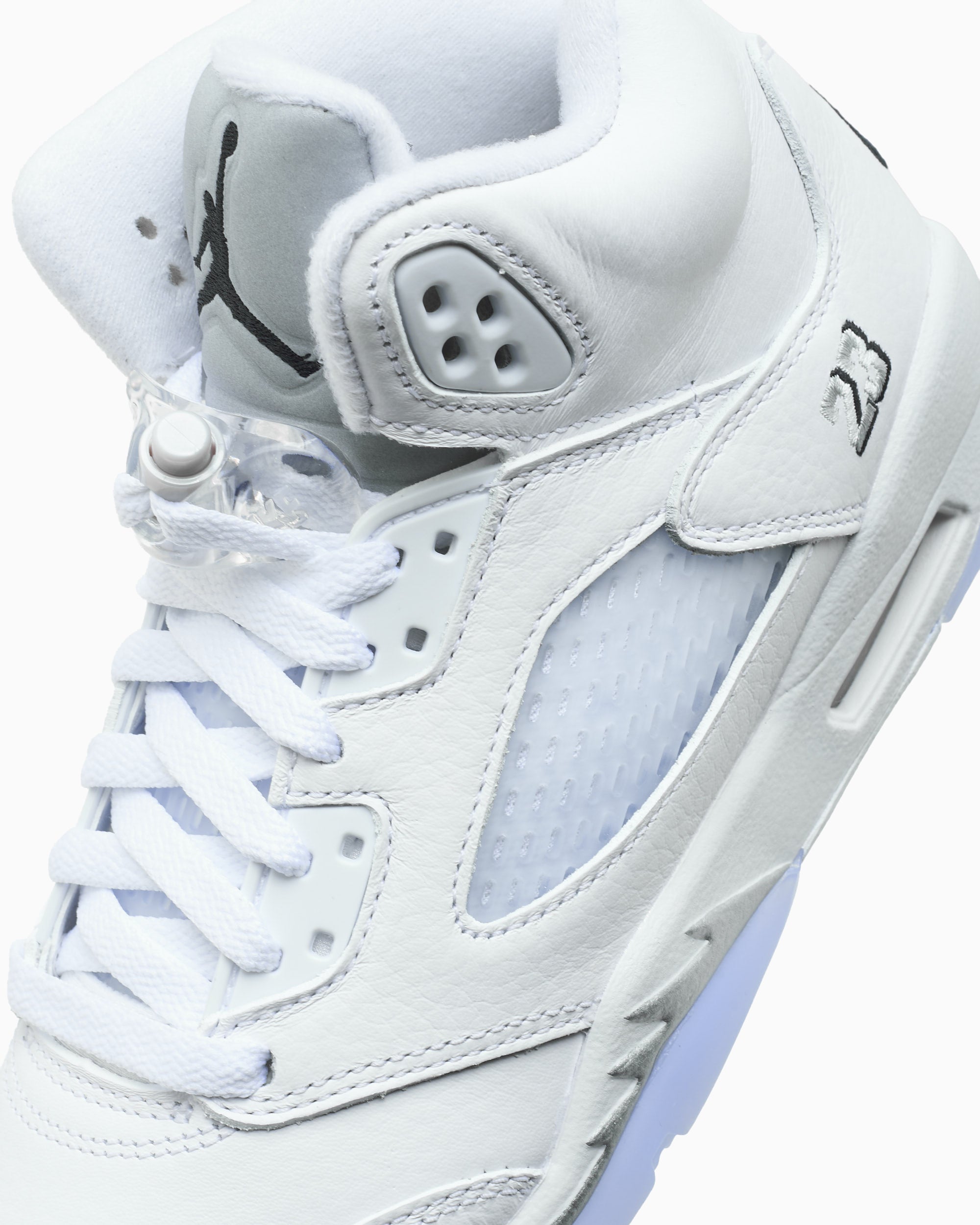
Yes, basketball shoes can be good for walking in many situations. They often have thick midsoles, padded collars, stable soles, and strong heel support. These features can make them comfortable for short walks, errands, school, travel, and casual daily use.
Still, basketball shoes are not made mainly for long-distance walking. Walking shoes are usually lighter and more flexible from heel to toe. Basketball shoes often focus on side-to-side movement, impact control, and ankle stability instead.
The best choice depends on your walking style:
• Short walks: Basketball shoes can work very well.
• Casual daily use: They may provide good support and comfort.
• Long walks: A walking or running shoe may feel lighter and more natural.
• Hot weather: Basketball shoes may feel warm because of their thick padding and high-top design.
• Uneven ground: Their firm structure can offer useful stability, but trail shoes may provide better grip.
So, are basketball shoes good for walking? They can be, especially when they fit well and match the type of walking you do.
Why basketball shoes can work well for walking
Basketball shoes offer several features that walkers may appreciate. Their design is made to protect the foot during fast and demanding movement. That protection can also help during everyday walking.
Cushioning and impact control
Basketball players land from jumps many times during a game. For this reason, many basketball shoes include foam, air units, or other cushioning systems in the midsole.
This cushioning can reduce the harsh feel of hard pavement or concrete. It may also help people who dislike thin, firm shoe soles. However, more cushioning does not always mean more comfort. A soft shoe can feel unstable if it does not support your foot well.
Strong heel support
Many basketball shoes have a firm heel counter. This part helps hold the rear of the foot in place. A secure heel can reduce unwanted movement inside the shoe.
That feature may help people who feel their heel sliding in loose shoes. It can also make short walks feel more stable. The trade-off is that a firm heel may feel restrictive if you prefer a relaxed, flexible shoe.
Stable construction
Basketball shoes often have a wide base. This base helps players stay balanced while moving side to side. For walking, that stable platform can feel secure on sidewalks, gym floors, and smooth indoor surfaces.
A stable base may be useful for people who want more structure than a lightweight running shoe provides. Yet too much structure can make the shoe feel bulky during long walks.
Durable outsoles
Basketball shoes often use rubber outsoles designed for repeated court contact. The rubber may last well during indoor use and light outdoor walking.
Durability varies by model. Indoor court shoes can wear down quickly on rough asphalt because outdoor pavement acts like sandpaper. Check the outsole before using basketball shoes outside every day.
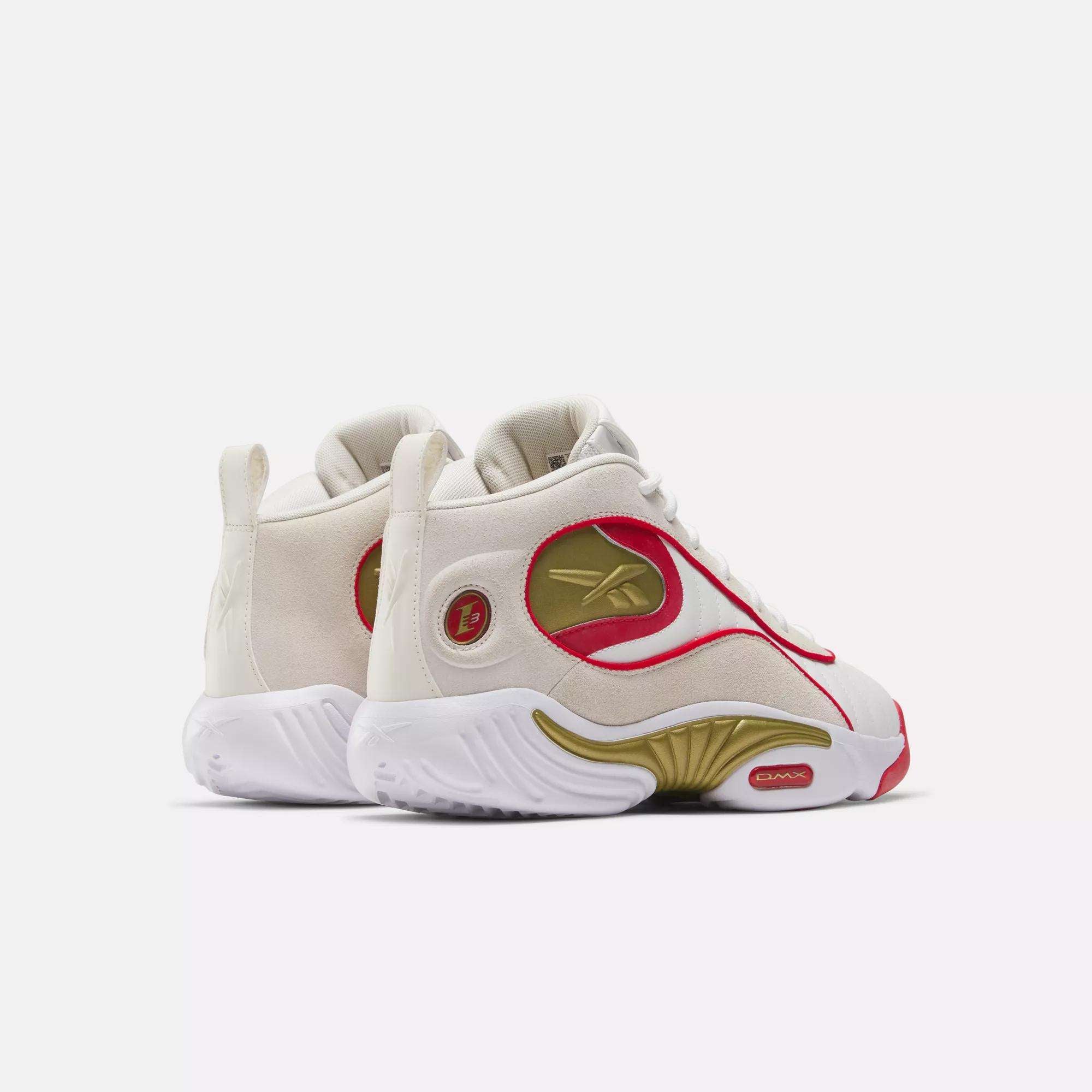
When basketball shoes may not be the best choice
Basketball shoes are not automatically the best walking shoes. Their strengths on the court can become drawbacks during long or relaxed walks.
They can be heavy
A basketball shoe usually has more material than a basic walking shoe. It may include extra padding, a thick sole, a strong upper, and a wide support frame.
That added weight is not a problem during a short trip. Over several miles, though, heavy shoes can make your legs feel tired. If you walk for an hour or more each day, compare the weight with a walking or running shoe.
They may be stiff
Court shoes need to control the foot during quick cuts. As a result, some models do not bend easily near the toes.
Walking requires the foot to roll from the heel toward the toes. A very stiff shoe can interrupt that motion. It may feel fine at first but become uncomfortable after a long walk.
High-tops can limit ankle movement
High-top basketball shoes cover more of the ankle. Some people like this extra feeling of support. Others find it restrictive when walking at a relaxed pace.
High-tops do not guarantee injury prevention. Research on ankle support shows that footwear can affect movement, but injury risk also depends on strength, balance, surface, and past injuries. Choose a high-top for comfort and fit, not because it promises complete protection.
They may run warm
Thick padding and synthetic materials can trap heat. This may be uncomfortable during summer walks or indoor travel.
Look for mesh panels, breathable fabric, and moisture-wicking lining if you want to walk in basketball shoes often. Socks also matter. Thin, breathable socks can reduce sweat and friction.
Outdoor wear can damage the sole
Many basketball shoes are designed for clean indoor courts. Rough outdoor surfaces can wear down the traction pattern.
If you need shoes for sidewalks and outdoor courts, look for an “outdoor” version with a harder rubber outsole. Indoor-only models should be saved for gym floors.

Basketball shoes versus walking shoes
Understanding the design difference can help you choose wisely. Basketball shoes and walking shoes may both feel cushioned, but they solve different problems.
| Feature | Basketball shoes | Walking shoes |
|---|---|---|
| Main purpose | Jumping, cutting, and court movement | Repeated forward steps |
| Weight | Often moderate to heavy | Usually light to moderate |
| Flexibility | Can be firm or structured | Usually flexible near the forefoot |
| Ankle design | Low, mid, or high-top | Usually low-top |
| Stability | Strong side-to-side support | Smooth heel-to-toe movement |
| Outsole | Court grip and durability | Pavement grip and everyday wear |
| Best use | Sports and short casual walks | Daily walking and longer distances |
A walking shoe often feels more natural because it is built for forward motion. A basketball shoe may feel more protective because it is built for impact and fast direction changes.
Neither design is always better. If you walk to work for 15 minutes and play basketball after work, basketball shoes may be practical. If you walk five miles each morning, a dedicated walking shoe is usually the smarter option.

Are basketball shoes good for walking on concrete?
Basketball shoes can be good for walking on concrete if they have enough cushioning and a comfortable fit. Concrete is hard and does not absorb much impact, so a well-cushioned midsole may feel helpful.
However, concrete also increases the cost of wearing heavy or stiff shoes. Pay attention to pressure under the heel and forefoot. If your feet feel tired, numb, or sore, the shoe may not suit your walking routine.
For regular concrete walking, look for:
• A cushioned but stable midsole
• A rubber outsole made for outdoor use
• A flexible forefoot
• A secure heel without tight pressure
• Breathable materials
• Enough toe room
Replace the shoes when the outsole becomes smooth or the midsole feels flat. Worn cushioning can change how your foot absorbs each step.

Are basketball shoes good for walking long distances?
Basketball shoes can handle long distances, but they are not usually the most efficient choice. Their extra weight and court-focused structure may increase fatigue over time.
Some walkers prefer the firm support of basketball shoes. Others find that running shoes or walking shoes reduce leg strain. Your foot shape, body weight, walking speed, and surface all affect the result.
Try this simple test before using basketball shoes for a long walk:
-
Wear them indoors for 20 to 30 minutes.
-
Walk on a hard surface and notice pressure points.
-
Check whether your heel stays secure.
-
Bend the shoe near the toes.
-
Take a short outdoor walk before increasing the distance.
Do not use a new pair for a long trip right away. Blisters often come from friction, poor fit, or a sudden increase in walking time. Gradual use gives your feet time to adjust.
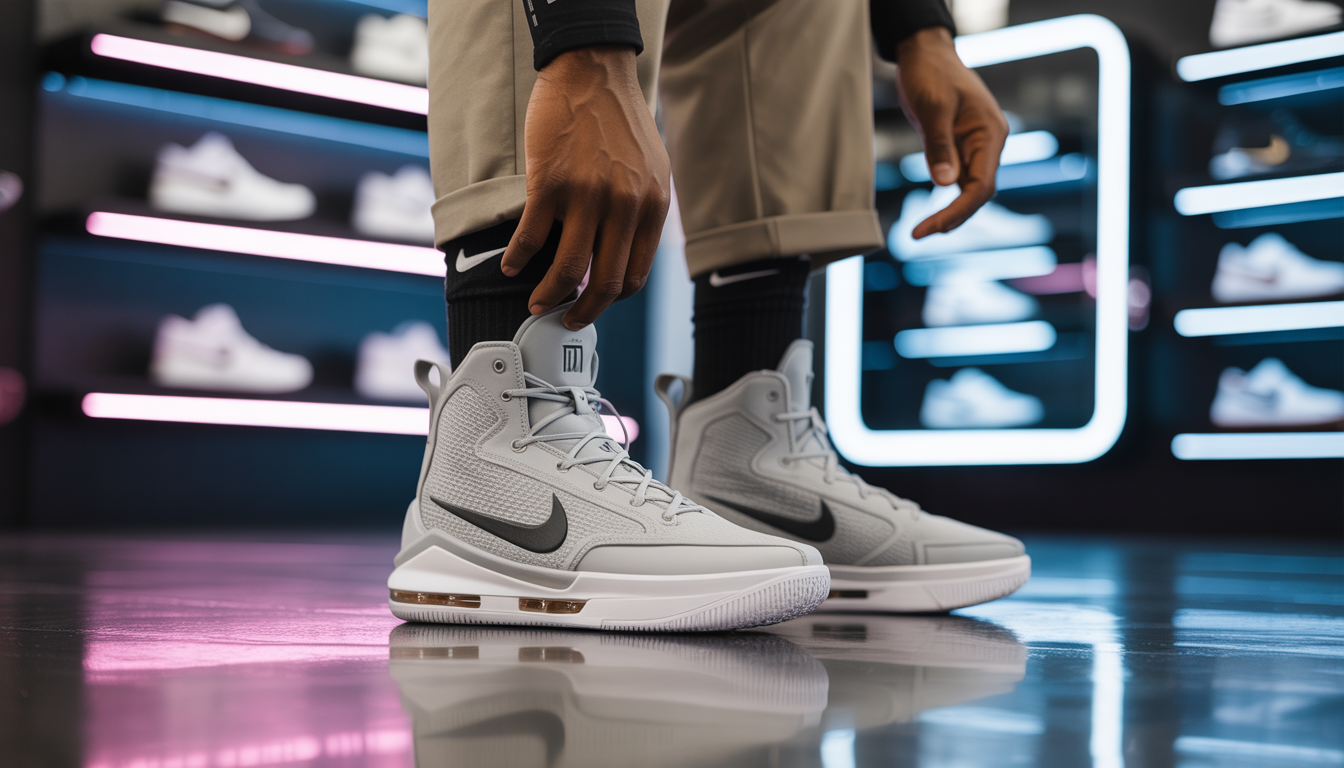
How to choose basketball shoes for walking
The right basketball shoe can feel comfortable during daily use. Focus on fit and function rather than color, brand, or player endorsement.
Choose the right fit
Your toes should have room to spread and move. A useful guideline is about a thumb’s width between your longest toe and the front of the shoe. Your heel should stay in place without painful pressure.
Try shoes later in the day. Feet often swell after hours of standing and walking. Testing shoes at that time can give you a more realistic fit.
Check the sole flexibility
Hold the shoe at both ends and gently bend it. It should flex near the front of the foot, but it should not fold in the middle like a soft slipper.
A shoe that is too rigid may make walking feel forced. A shoe with no structure may lack the support you need.
Consider low-top designs
Low-top basketball shoes are often better for walking because they allow more ankle movement. They may also weigh less and feel cooler.
Mid-top and high-top designs can still work if you prefer more coverage. The key is whether the collar rubs, presses, or limits comfortable movement.
Match the outsole to the surface
Choose a durable rubber outsole for outdoor walking. Shoes made only for polished indoor courts may lose grip and wear down fast on pavement.
Look at the tread pattern. A visible, deep pattern often works better outdoors than a thin, flat court pattern.
Test the shoe with your normal socks
Socks change the fit. Thick athletic socks can make a narrow shoe feel too tight. Thin socks can create extra room but may increase rubbing.
Walk, stop, turn, and climb a few steps in the shoes. Comfort should remain steady during each movement.

Common mistakes to avoid
Many walking problems come from using a shoe in the wrong way. A few simple checks can prevent discomfort.
• Choosing style over fit: A popular shoe still fails if it pinches your toes.
• Wearing indoor shoes outdoors: Rough pavement can quickly damage soft court rubber.
• Ignoring pain: Mild adjustment can happen, but sharp pain, numbness, or lasting soreness is a warning.
• Buying the wrong size: Shoe sizes vary by brand, so measure and try before you buy.
• Wearing worn-out shoes: A smooth outsole and compressed midsole reduce support.
• Skipping a break-in period: Use new shoes for short walks first.
• Expecting high-tops to prevent every injury: Ankle coverage cannot replace strength, balance, or safe movement.
In my practical footwear testing approach, the biggest mistake is judging a shoe after only five minutes. A pair can feel soft in a store yet create pressure after an hour. Always test basketball shoes for the activity you plan to do.
Can basketball shoes help with foot support?
Basketball shoes can provide support, but “support” does not mean the same thing for everyone. A firm sole may help one person feel stable while making another person’s feet feel stiff.
People with flat feet, high arches, plantar heel pain, arthritis, or past injuries may need a more specific shoe choice. A shoe cannot diagnose or treat these conditions. If pain continues, speak with a podiatrist or another qualified health professional.
Orthotic inserts may improve comfort for some walkers. They also reduce the space inside the shoe, so make sure the basketball shoe has enough depth. Never force an insert into a tight shoe.
A good everyday shoe should feel secure, balanced, and comfortable from the first few minutes. Support should feel like a steady hand, not a clamp around your foot.
Care tips for basketball shoes used for walking
Good care can extend the life of your shoes and protect their grip.
• Clean dirt with a soft brush or damp cloth.
• Let wet shoes dry at room temperature.
• Remove the insoles to improve airflow.
• Avoid direct heat, such as a radiator or hair dryer.
• Rotate between two pairs if you walk often.
• Use basketball shoes indoors when possible if they have a soft court outsole.
• Inspect the tread and midsole every few weeks.
Do not put every basketball shoe in a washing machine. Water, heat, and strong detergent can weaken glue, damage foam, and change the shape of the upper. Follow the care instructions from the manufacturer.
Frequently Asked Questions
Are basketball shoes comfortable for everyday walking?
Basketball shoes can be comfortable for everyday walking when they fit well and are not too heavy. Low-top models with flexible soles often feel more natural than stiff high-top models.
Can I wear basketball shoes for walking outside?
Yes, but check the outsole first. Shoes made for outdoor courts or mixed use usually handle pavement better than indoor basketball shoes.
Are basketball shoes better than running shoes for walking?
Usually, no. Running shoes are often lighter and designed for repeated forward movement, while basketball shoes focus on court stability and side-to-side control.
Can high-top basketball shoes hurt your ankles while walking?
They can feel restrictive if the collar is stiff or tightly laced. High-tops do not automatically cause ankle pain, but you should stop using them if they create rubbing, pressure, or limited movement.
How long can basketball shoes last when used for walking?
Their lifespan depends on the outsole, surface, body weight, and walking frequency. Inspect the tread and cushioning instead of relying only on a time estimate.
Are basketball shoes good for people with flat feet?
Some may feel supportive, but not every model suits flat feet. Look for a stable base and enough room for an insert, and seek professional advice if walking causes ongoing pain.
Can I use basketball shoes for travel?
Yes, basketball shoes can work well for travel if you prefer support and do not mind extra weight. For trips with many miles of walking, a lighter walking or running shoe may be more comfortable.
Conclusion
Basketball shoes can be good for walking, especially for short trips, casual use, travel, and mixed sports activities. They offer cushioning, stability, and durable construction, but they may also feel heavy, stiff, warm, or less efficient on long walks.
Choose a pair with a secure fit, flexible forefoot, breathable upper, and outsole suited to your walking surface. Test the shoes gradually, watch for pain, and switch to dedicated walking shoes when distance and comfort become your main goals.
Before your next walk, try your basketball shoes on the surface you use most. If they feel stable and comfortable from start to finish, keep using them. If they create pressure or fatigue, explore a lighter walking shoe and share your experience with others.

Rubel Miah is the Senior Editor at MyStyleGrid.com, where he brings a sharp editorial eye and an unshakable love for fashion to everything he does. A true style addict, Rubel lives and breathes trends, from streetwear to high fashion, and has a knack for turning inspiration into impactful stories. With years of experience in fashion journalism and digital media, he curates content that empowers readers to express themselves through style. When he’s not editing features or forecasting the next big thing, you’ll find him hunting down vintage pieces or capturing street style moments around the city.