Yes. Polarized sunglasses cut glare, reduce eye strain, and improve visual comfort and safety.
If you have asked are polarized sunglasses better for your eyes, you are not alone. I have tested dozens while driving, hiking, shooting photos, and fishing. In this guide, I explain how polarization works, when it helps, and where it does not. You will get clear, practical advice so you can choose with confidence.
How polarization works
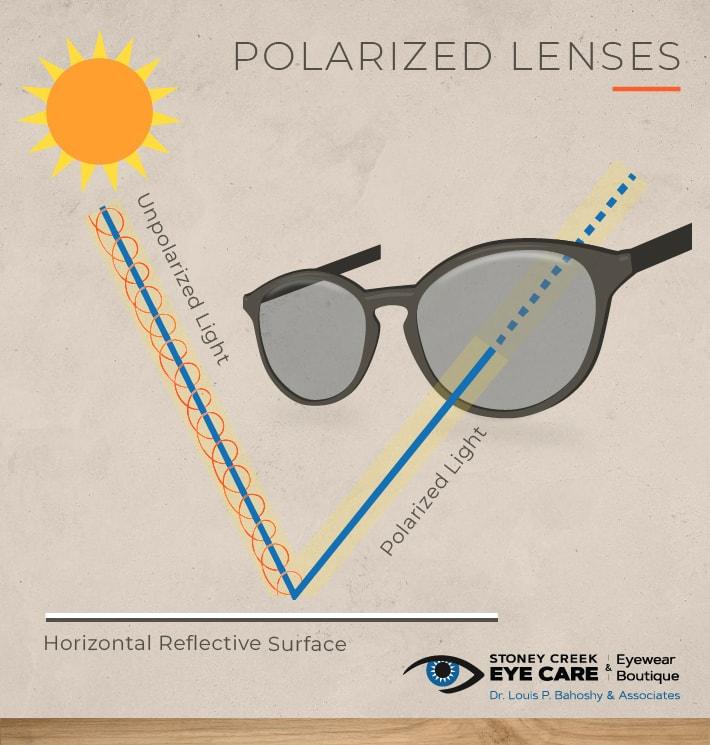
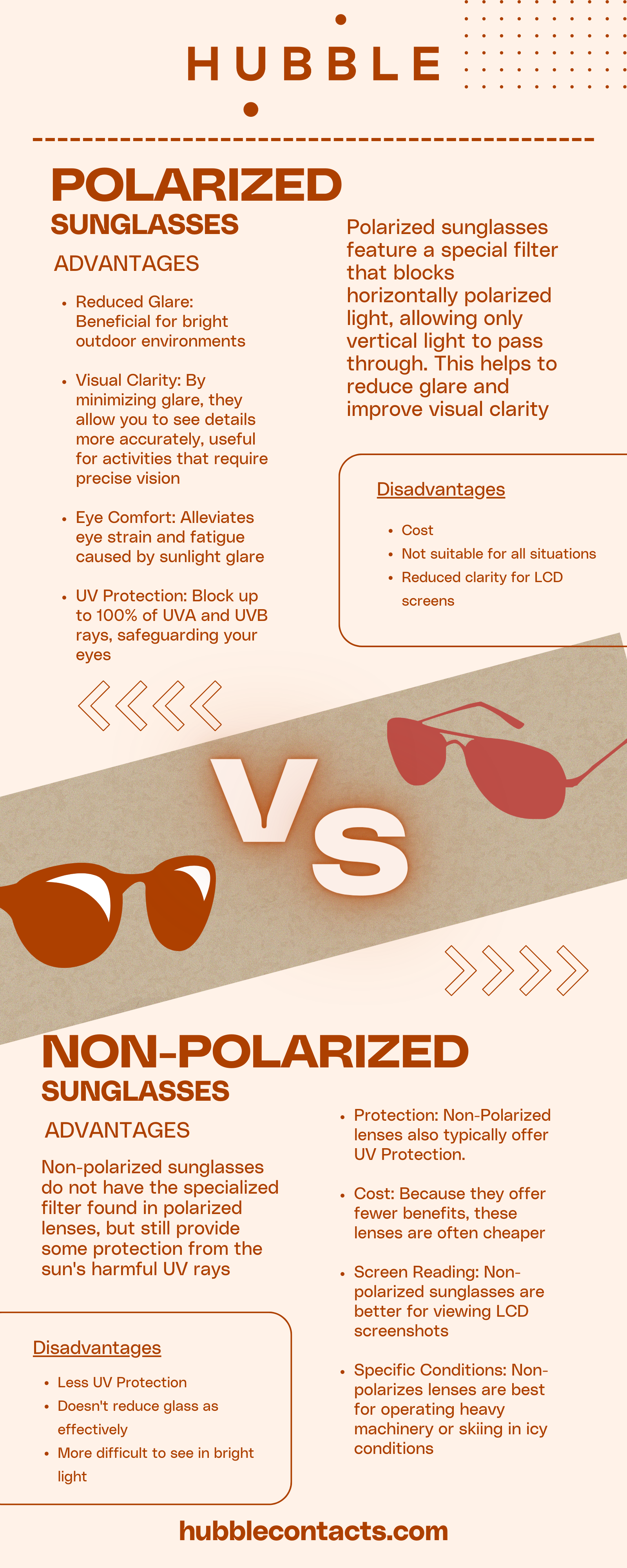
Polarized lenses use a special filter that blocks intense reflected light. That glare comes from flat surfaces like water, snow, glass, and roads. It is often horizontally polarized light. The filter lets useful light through and stops the harsh part that blinds you.
Polarization is not the same as UV protection. UV blocking shields your eyes from harmful radiation. Polarization reduces glare. You want both features in one pair. Many people ask, are polarized sunglasses better for your eyes, or is it hype? When you face glare, the tech is real and the benefit is clear.
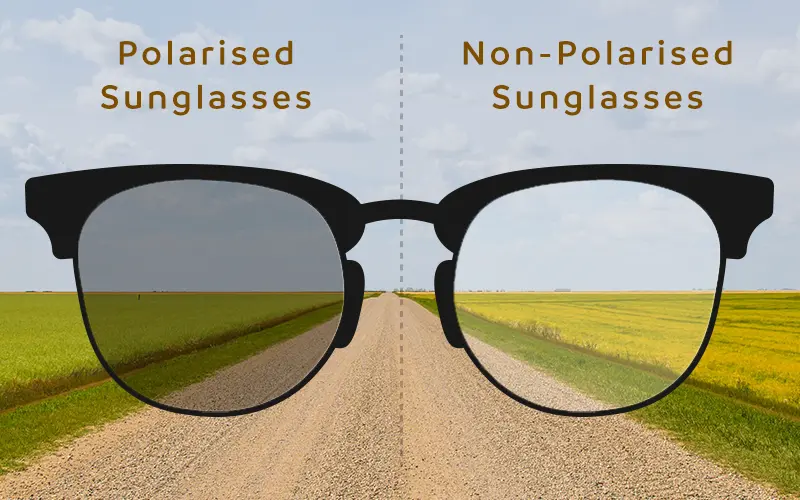
Compared with regular tinted lenses, polarized lenses do more than darken your view. They increase clarity, cut veiling glare, and can improve contrast in bright scenes. This helps you see edges, water depth, and road details you would miss with simple tints.
Benefits for your eyes and brain
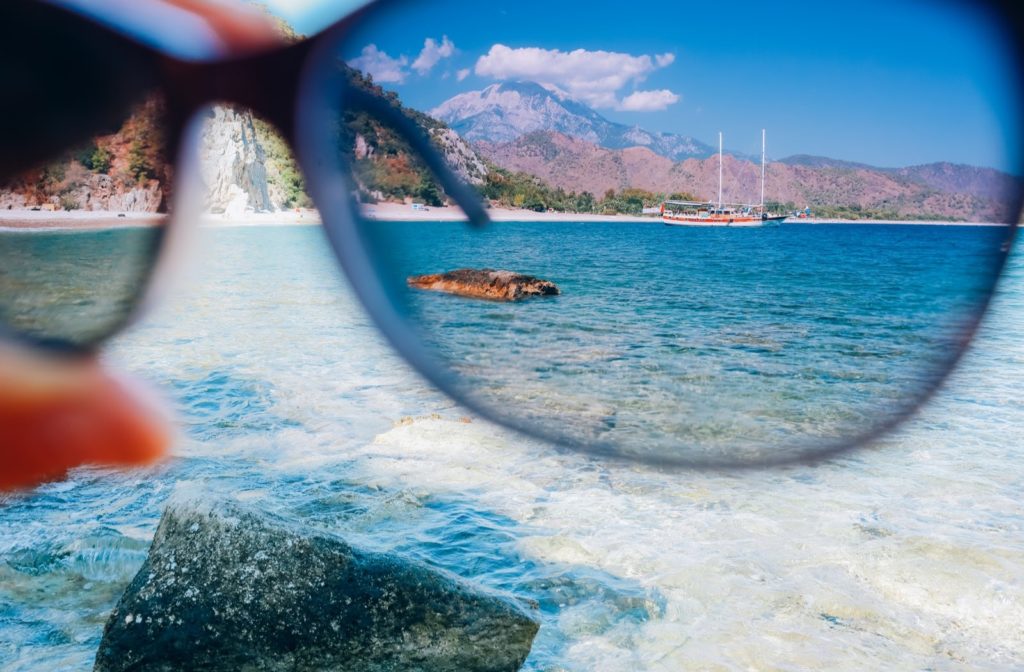
For driving, fishing, beach days, and snow travel, are polarized sunglasses better for your eyes? They ease glare fast, which calms your visual system. Less squinting means less fatigue at the end of the day.
You may notice sharper edges and fewer halos. Clinical tests show reduced disability glare and better contrast sensitivity in bright light. This helps you see hazards sooner, from a slick patch on the highway to a rock under the water. If you struggle with headaches, the question are polarized sunglasses better for your eyes often has a yes. Lower glare can reduce trigger load and improve comfort.
My field note: As a sports photographer, I use polarization over water and in midday sun. It lets me read surface texture and color more accurately. As a daily driver, it cuts windshield glare and eases long trips.

When polarization may not be the best choice
So, are polarized sunglasses better for your eyes in every case? No. There are a few trade-offs.
- Some LCD or OLED screens look dim, rainbowed, or black at certain angles. This can affect car displays, phones, fuel pumps, and airplane instruments.
- Skiers sometimes prefer non-polarized lenses to spot icy sheen on snow. Polarization can mute that glare cue.
- Stress patterns in car windows can look like odd blotches. This is not harmful, but it can be distracting.
- In very low light or deep shade, polarization can feel a bit too dim. You may want a lighter tint or photochromic option.
These are use-case limits, not safety risks. Keep them in mind as you choose.
Are they better than UV-blocking non-polarized lenses?
When people ask are polarized sunglasses better for your eyes, I give a two-part answer. For eye health, UV protection does the heavy lifting. UV exposure links to cataracts, macular damage, pterygium, and photokeratitis. You need 100 percent UV blocking, labeled UV400 or better.
So are polarized sunglasses better for your eyes than plain UV lenses? Not for blocking UV damage. Both protect if they block UV to the same level. But for comfort, safety, and less eye strain, polarization often wins.
Think of UV protection as sunscreen for your eyes. Polarization is like wiping fog off the windshield. Both matter. But they solve different problems. For safety and strain, are polarized sunglasses better for your eyes? Most of the time, yes.
How to choose a good pair
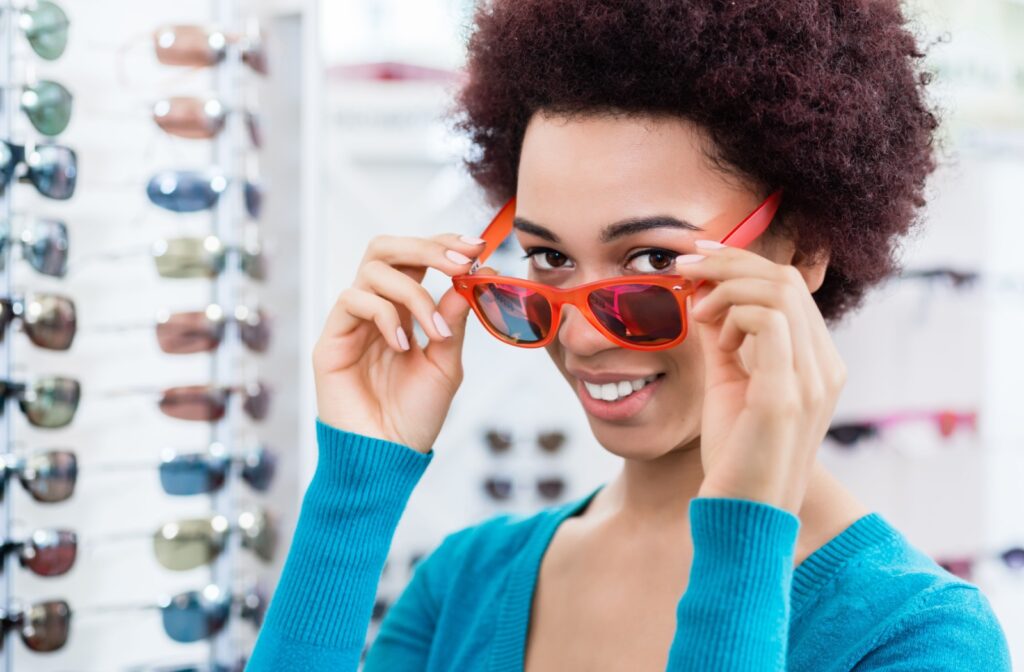
To decide are polarized sunglasses better for your eyes, match the lens to your life. Use this checklist to find a trusted pair.
- Look for UV400 on the label. That means 100 percent UV protection across UVA and UVB.
- Check standards. ANSI Z80.3 or equivalent testing is a good sign of quality.
- Pick the right tint. Gray keeps colors true for driving. Amber or copper can boost contrast for fishing or cycling.
- Choose lens material. Polycarbonate is light and impact resistant. Trivex gives crisp optics with similar safety.
- Get backside anti-reflective. It stops light from bouncing into your eyes from behind the lens.
- Ensure full coverage. Wrap or larger frames block side glare and wind.
- Test the polarization. Rotate the glasses while looking at a reflection. The glare should fade and darken at certain angles.
- If you need Rx, ask for polarized prescription lenses. They work well for most wearers.
Real-world use cases and my take
In real life, are polarized sunglasses better for your eyes depends on setting. Here is what I recommend based on hands-on use.
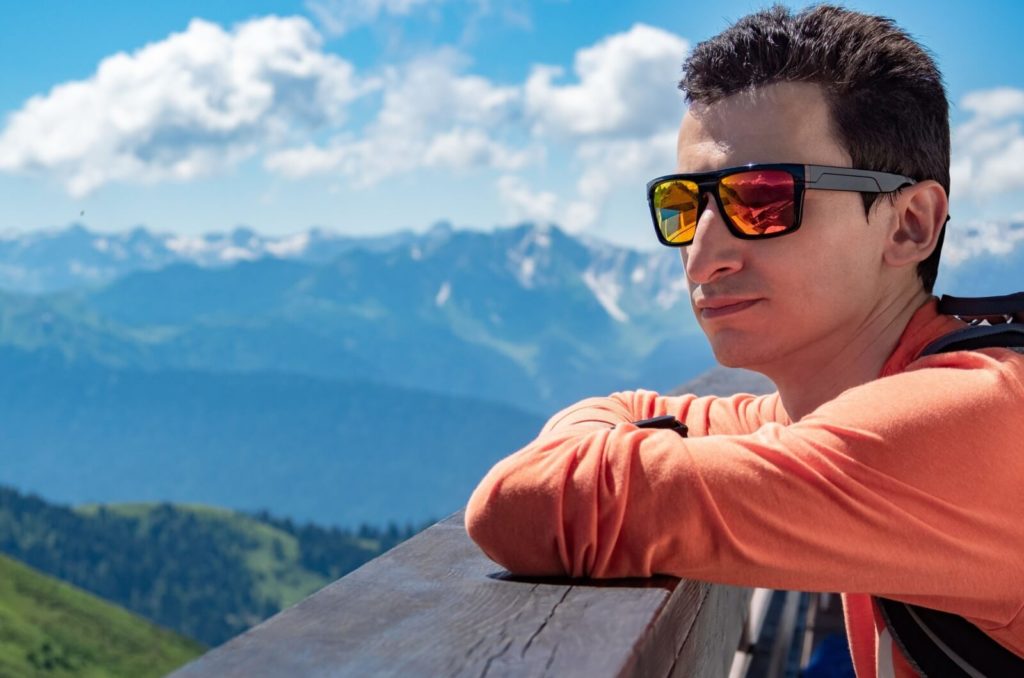
- Driving: Big yes for daytime. You will see through windshield glare and road shine. Avoid at night.
- Water sports and fishing: Yes. You will see under the surface and read currents and structure.
- Snow and mountain: Often yes. If you need to spot ice, try both and see which you prefer.
- City walking and travel: Yes in bright sun. They ease squinting and boost comfort.
- Migraine or light sensitivity: Often yes. Lower glare reduces triggers for many people.
- Pilots: Often no. Some displays and canopy reflections require non-polarized lenses.
My personal rule: if glare is a major factor where you are, polarization earns its place. If screens or ice clues matter more, test before you commit.
Care and safety tips
If you wonder are polarized sunglasses better for your eyes long term, maintain them well so they keep doing their job.
- Clean with lens spray and a soft microfiber cloth. Avoid paper towels and harsh cleaners.
- Store in a hard case to prevent scratches and coating damage.
- Do not leave them on hot dashboards. Heat can warp frames and harm coatings.
- Keep a backup non-polarized pair for screens, night use, or special tasks.
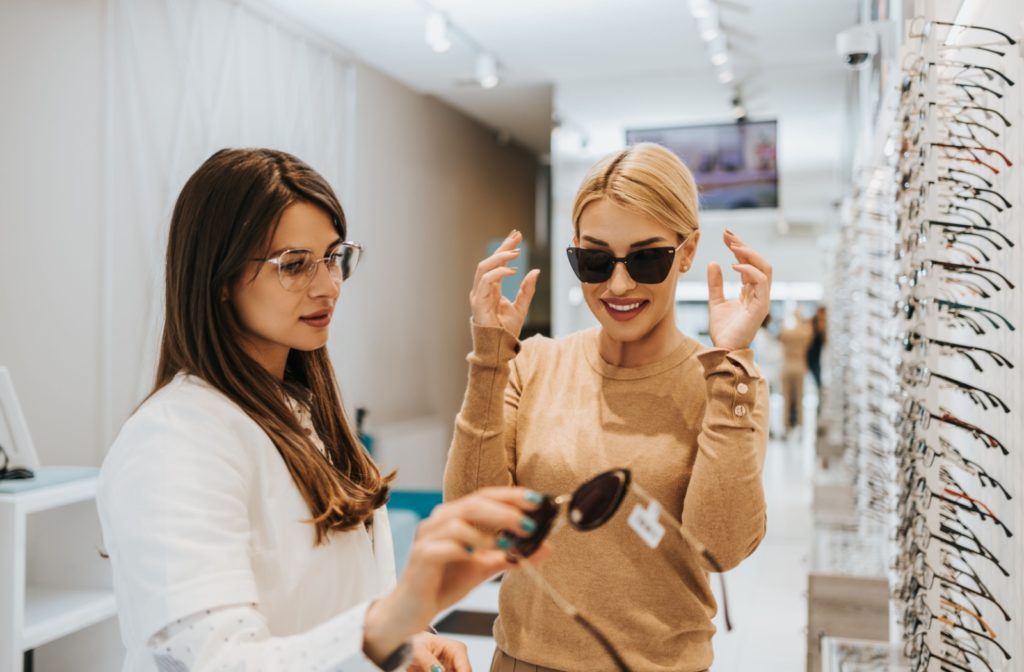
- Buy from trusted brands or optical shops. Some cheap lenses claim UV blocking but fail testing.
Frequently Asked Questions of are polarized sunglasses better for your eyes
Are polarized sunglasses better for your eyes?
Yes for glare and comfort, sometimes for safety. They do not add extra UV protection by themselves, so always choose UV400 lenses.
Do polarized sunglasses block UV light?
Only if the lens also has UV protection. Polarization and UV blocking are separate features, and you need both.
Are polarized sunglasses good for driving at night?
No. At night you want the most light and accurate cues. Use clear, anti-reflective lenses instead.
Can polarized lenses cause headaches?
Most people feel less strain with polarization. If you notice discomfort, it is usually from poor fit, wrong tint, or low-quality optics.
Are polarized sunglasses safe for kids?
Yes, with UV400 and a good fit. Kids spend lots of time outdoors, so consistent UV protection matters a lot.
Will polarization change color perception?
Gray polarized lenses keep colors most true. Amber or copper tints shift color slightly but can improve contrast.
Why do some screens look weird with polarized lenses?
Polarization can block light from LCDs at certain angles. Tilt the device or remove the glasses to view the screen.
Conclusion
Polarized sunglasses are a smart upgrade when glare is your main problem. They lower eye strain, improve contrast, and can help you spot hazards sooner. For long-term eye health, UV protection is non-negotiable, with polarization as the comfort and clarity bonus.
Try a quality UV400 polarized pair for your top use, like driving or time on the water. See how your eyes feel after a full day. If this helped, share it with a friend, subscribe for more clear-eyed gear guides, or leave a question and I will help you pick the right lenses.

Rubel Miah is the Senior Editor at MyStyleGrid.com, where he brings a sharp editorial eye and an unshakable love for fashion to everything he does. A true style addict, Rubel lives and breathes trends, from streetwear to high fashion, and has a knack for turning inspiration into impactful stories. With years of experience in fashion journalism and digital media, he curates content that empowers readers to express themselves through style. When he’s not editing features or forecasting the next big thing, you’ll find him hunting down vintage pieces or capturing street style moments around the city.