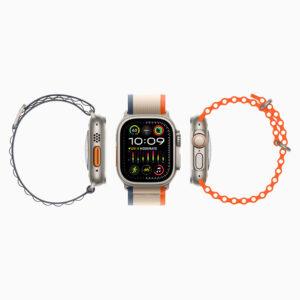
Smart watches are worth it for many people who want health tracking, quick alerts, and useful daily tools.
Are smart watches worth it for you? The answer depends on your goals, phone, budget, and willingness to charge another device. After comparing fitness features, battery life, health tools, comfort, privacy, and long-term value, this guide will help you make a smart choice without falling for flashy features you may never use.

What Is a Smart Watch?
A smart watch is a wearable computer that sits on your wrist. It connects to your phone and can show alerts, track activity, measure health data, control music, provide directions, and run small apps.
Most smart watches include several common features:
• Step and movement tracking
• Heart rate monitoring
• Sleep tracking
• Workout modes
• Phone notifications
• Alarms and timers
• Contactless payments
• Music controls
• GPS location tracking
• Voice assistants
Some models also offer advanced tools such as ECG readings, blood oxygen estimates, skin temperature data, fall detection, and emergency alerts.
The key point is simple: a smart watch is not just a smaller phone. It is a quick-access tool for your wrist. It can reduce how often you reach for your phone, while also giving you a steady view of your daily habits.

Are Smart Watches Worth It for Most People?
Are smart watches worth it for most people? They can be, especially if you want quick information and better awareness of your daily activity.
A smart watch often earns its place through small moments. You can check a message during a meeting, start a run without carrying your phone, or see who is calling while your phone is across the room. These small actions can save time throughout the day.
A smart watch may be worth buying if you:
• Exercise several times each week
• Want reminders to move more
• Need quick access to calls and messages
• Prefer contactless payments
• Want basic sleep and heart rate data
• Use a compatible phone every day
• Like setting goals and reviewing progress
However, a smart watch may not be worth it if you dislike frequent charging, rarely exercise, or already ignore notifications. It can also feel like an expensive accessory if you only use it to tell time.
Think of it like a gym membership. The value comes from use, not ownership. A smart watch cannot make you healthier by sitting in a drawer.

Main Benefits of a Smart Watch
Health and Fitness Tracking
Health tracking is one of the strongest reasons people buy a smart watch. Most models can count steps, estimate calories, record workouts, and measure heart rate during the day.
Many watches can track activities such as:
• Walking
• Running
• Cycling
• Swimming
• Strength training
• Hiking
• Yoga
• Rowing
These tools can make vague goals more concrete. Instead of saying, “I should move more,” you can aim for a 30-minute walk or a certain number of active minutes.
Research supports the value of wearable activity trackers for increasing physical activity, though results vary by person. A watch works best when it helps you build a habit. It is not a replacement for a doctor, trainer, or medical test.
Fast Notifications
Smart watches let you see important alerts without pulling out your phone. You can glance at a message, reject a call, or view a calendar reminder in seconds.
This is useful when you are:
• Cooking
• Driving, when used safely and legally
• Walking
• Working at a desk
• Caring for a child
• In a meeting
Notifications can also become a problem. If every app sends alerts to your wrist, the watch may create more stress than it removes. I recommend allowing only calls, direct messages, calendar events, and truly useful reminders.
Safety Features
Many current watches include safety tools. These may include fall detection, crash detection, emergency calling, location sharing, and irregular heart rhythm alerts.
These features can provide peace of mind for older adults, outdoor athletes, and people who live alone. Still, they have limits. A watch can miss an event or produce a false alert, and it may need a phone connection or cellular plan to contact emergency services.
Never treat a smart watch as a medical safety device. Use it as an extra layer of support.
Better Daily Organization
A smart watch can act like a small personal assistant. It can remind you about appointments, start a timer, show directions, and help you manage tasks.
For busy people, this can be surprisingly useful. A short vibration on your wrist may work better than a phone alarm that you quickly dismiss.

Smart Watch Limitations to Consider
Are smart watches worth it when they have clear drawbacks? That depends on how much these limits affect your routine.
Battery Life
Battery life remains one of the biggest complaints. Some watches last about one day, while simpler fitness watches can last one to two weeks.
Frequent charging can interrupt sleep tracking. It can also frustrate people who want a device that simply works.
Before buying, check:
• The average battery life in real use
• Charging time
• Battery performance with GPS
• Battery performance with cellular service
• Whether the charger is easy to replace
A watch that lasts seven days may suit you better than a more advanced model that needs daily charging.
Limited Medical Accuracy
Smart watches can collect helpful data, but many readings are estimates. Step counts, calorie estimates, sleep stages, and wrist heart rate readings may not match clinical equipment.
Factors that affect accuracy include:
• Loose fit
• Cold skin
• Heavy movement
• Tattoos
• Sweat