Most sunglasses help your eyes; only low-quality, non‑UV pairs can be harmful.
If you have wondered are sunglasses bad for your eyes, you are not alone. I work with eyewear daily and have tested hundreds of frames and lenses. In this guide, I explain when sunglasses help, when they can hurt, and how to choose safe pairs. You will get clear steps, real examples, and research-backed tips to protect your sight for life.
What sunglasses actually do
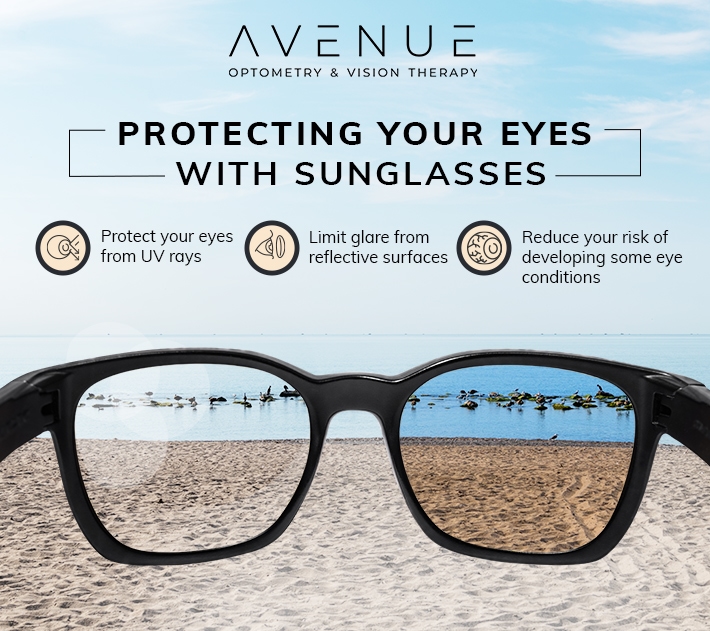
Sunglasses are more than dark glass. Good lenses block ultraviolet light. They also cut glare and boost contrast so your eyes can relax.
Here is what matters most:
- UV protection blocks UVA and UVB, which can damage the cornea, lens, and retina.
- Polarization reduces glare from water, snow, and roads. It does not equal UV safety on its own.
- Lens darkness lowers visible light. Dark does not mean safe unless UV is blocked.
- Standards like UV400, ANSI Z80.3, and ISO 12312-1 signal proper UV blocking.
- Backside anti-reflective coating helps stop UV that bounces off the back of the lens into your eyes.
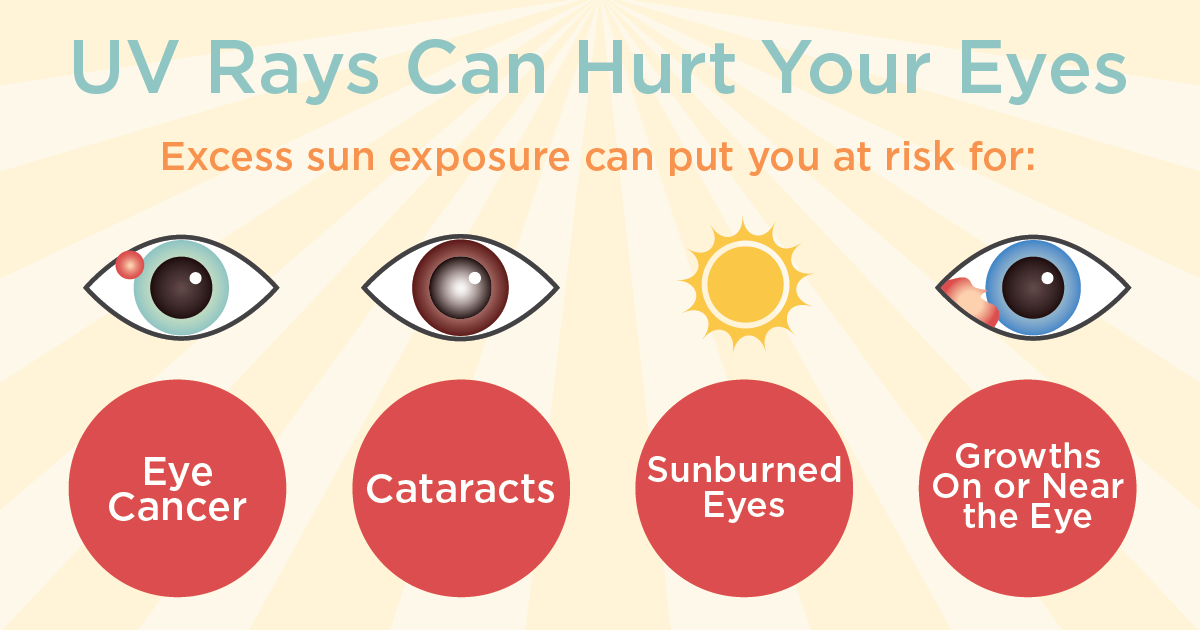
Why this matters: UV is linked to cataracts, macular damage, pterygium, and photokeratitis (sunburn of the eye). With the right pair, your risk drops while comfort rises.

Are sunglasses bad for your eyes? The real risks explained
Short answer: No, if they block UV. Yes, if they are dark but fail to block UV. This is the key reason people ask are sunglasses bad for your eyes. Your pupils open wider behind dark lenses. If UV is not filtered, more UV reaches the back of the eye. That is the harm.
Dark lenses without UV protection
This is the worst case. I have tested cheap street shades that were pitch black but let UV pass. They felt comfy yet raised UV exposure. If you worry and ask are sunglasses bad for your eyes, this is the main trap.
Overusing sunglasses in low light
Wearing very dark lenses indoors or at dusk can strain eyes. Your visual system works harder. Use lighter tints for clouds or shade. Use clear lenses inside.
Poor optical quality
Uneven lenses can warp vision and cause headaches. Off-axis distortion or rough coatings can push your eyes to fight focus. That can lead to fatigue.
Blue light myths
Some say sunglasses must block all blue light. That is not needed for most people outdoors. The main goal is UV. A bit of blue reduction can help with glare, but it is not the core safety need.
Are sunglasses bad for your eyes if worn daily?
Daily wear is safe when UV protection is real and the tint suits the light. Problems start when the tint is wrong for the task, or the lenses are fake.
When sunglasses can cause problems
Here are real issues I see in the clinic and lab. These are the times people ask are sunglasses bad for your eyes and the answer can be yes.
- Counterfeit or novelty lenses with zero UV block. They look cool, but they trick your eyes.
- Super dark fashion tints used at night or indoors. They cause strain and slow reactions.
- Scratched or peeling coatings. They scatter light and raise glare and fatigue.
- Loose frames with gaps at the sides. Side UV sneaks in and hits the eye and eyelids.
- Driving in very dark Category 4 lenses. They are unsafe and often illegal for driving.
Small note on sun and health: Sunglasses do not stop your skin from making vitamin D if you get normal sun on your skin. You do not need to skip eye protection to get vitamin D.

How to choose safe, healthy sunglasses
Use this checklist to buy right. It is simple and works.
- Look for UV400 or 100% UVA/UVB on the label. That is the non‑negotiable feature.
- Check standards: ANSI Z80.3 or ISO 12312-1. These show lab-grade testing.
- Pick polarization for water, snow, and driving glare. It boosts comfort and clarity.
- Wraparound frames or larger lenses block side UV. Your eyelids will thank you.
- Choose the right tint. Gray keeps colors true. Brown and copper add contrast. Green is a balanced middle.
- Use lighter tints for clouds and shade. Use darker tints for bright noon sun.
- Add backside anti-reflective coating to cut bounce-back UV.
- Lens material: polycarbonate or Trivex are light, tough, and block UV by design.
- Photochromic lenses that darken in sun are fine if they also meet UV400.
Price check: You do not need luxury logos. You need UV400, a good fit, and clear optics. If the label is vague, skip it.
Wearing tips and daily habits for eye comfort
Safe use matters as much as a safe lens. Here is what I teach patients when they ask are sunglasses bad for your eyes.
- Wear them whenever the UV index is moderate to high, even on clouds. UV hides in haze.
- Water, sand, snow, and concrete reflect UV. Use wrap frames at the beach or on snow.
- Keep glasses clean. Rinse with water, then use a microfiber cloth. No shirt sleeves.
- Store in a hard case. Scratches hurt optics and comfort.
- Match lens to light. Do not wear very dark tints at dusk or indoors.
- Let in morning light without shades for a few minutes to support your body clock, unless your doctor advises otherwise.

Special cases: kids, contacts, driving, screens, medical
Kids
Children get more sun per year than adults. Their lenses are clearer, so more UV reaches the retina. Get kid-sized frames with UV400 and a snug fit. Make it a habit early.
Contact lens wearers
Some contacts block UV, but they do not cover the whole eye. You still need sunglasses to protect the white of the eye and the lids.
Driving
Polarized gray lenses reduce road glare and help signs pop. Avoid very dark Category 4 tints. Keep a lighter pair for dusk and storms.
Screens and indoor light
You do not need sunglasses for screens. If light bothers you, use clear blue-reducing glasses or dim the screen. Save sunglasses for outdoor UV.
Medical and light sensitivity
After eye surgery, migraine, or corneal issues, your doctor may advise specific tints. Rose or FL-41 tints can help with migraine. Ask your eye care pro for a custom plan.
When used well, the answer to are sunglasses bad for your eyes is no. They are part of your health kit.
My field notes and lessons learned
I once tested two near-identical pairs. One had proper UV400. One did not. The unsafe pair was darker, and my pupils opened up. The UV meter still spiked. That is how harm sneaks in.
Common mistakes I see:
- Buying only by style or brand, not by UV spec.
- Using one very dark pair for all times of day.
- Skipping wrap frames at the beach or on snow.
Simple fixes:
- Check UV400 and standards first. Fit and style come after.
- Keep two tints: dark for noon sun, medium for clouds.
- Replace scratched lenses. It is cheaper than eye strain.
Are sunglasses bad for your eyes? Not when you pick right, wear right, and keep them clean.

Frequently Asked Questions of are sunglasses bad for your eyes
Are sunglasses bad for your eyes if you wear them every day?
No, not if they block 100% UVA and UVB. Problems arise with fake UV claims, poor optics, or very dark tints in low light.
Do darker lenses protect better?
Not always. Darkness reduces visible light, but only UV400 or proper standards ensure UV safety.
Are polarized sunglasses better for eye health?
Polarization reduces glare and improves comfort. Health protection still depends on true UV blocking.
Can kids wear sunglasses safely?
Yes, and they should. Choose UV400, impact-resistant lenses, and a wrap fit to block side light.
Can sunglasses cause headaches?
Yes, if lenses are warped, misaligned, or too dark for the setting. A better fit, proper tint, and quality optics fix this.
Are cheap sunglasses bad for your eyes?
Not if they meet UV400 and standards. Many cheap pairs do not, so buy from trusted retailers and check labels.
Should I wear sunglasses on cloudy days?
Yes. Up to 80% of UV can pass through clouds. Use a medium tint with full UV protection.
Conclusion
Used right, sunglasses protect your eyes, cut glare, and keep vision sharp for years. The risk comes from dark lenses without UV protection, poor fit, and the wrong tint at the wrong time. Focus on UV400, standards, and comfort, and you will be set.
Take one action today: check your current pair for UV400. If it is missing, upgrade. Want more clear tips like this? Subscribe, share this guide, or ask your questions in the comments.

Rubel Miah is the Senior Editor at MyStyleGrid.com, where he brings a sharp editorial eye and an unshakable love for fashion to everything he does. A true style addict, Rubel lives and breathes trends, from streetwear to high fashion, and has a knack for turning inspiration into impactful stories. With years of experience in fashion journalism and digital media, he curates content that empowers readers to express themselves through style. When he’s not editing features or forecasting the next big thing, you’ll find him hunting down vintage pieces or capturing street style moments around the city.