The best hiking boots for bad knees combine stable support, soft cushioning, firm grip, and a comfortable, secure fit.
A steep trail can turn into a painful test when each downhill step sends a jolt through your knees. I know the feeling: your boots may look tough, yet your legs tire fast, your feet slide inside, and your knees pay the price. The right hiking boots cannot cure knee pain, but they can reduce extra strain by improving balance, cushioning impact, and keeping your feet aligned. In this guide, I review nine practical choices for trail walks, travel, work, and light hikes. I also explain what to look for if you have arthritis, old injuries, weak knees, or poor balance.
NORTIV 8 Men’s Tactical Hiking Boots Lightweight Cushion

The NORTIV 8 Tactical Hiking Boot is a strong option for hikers who want light support without a bulky feel. Its cushioned build helps soften repeated steps on packed paths and gravel roads. The taller boot shape can also help hold the ankle steady when the ground feels uneven. That matters because a stable ankle can make your stride feel more controlled.
I see this model as a useful choice for day hikes, park trails, and outdoor work. The tactical look is simple, and the roomy wide option may suit feet that swell during long walks. It is not a replacement for an orthopedic brace or medical care. Still, for many people searching for the best hiking boots for bad knees, this boot offers a sensible mix of cushion, weight, and trail-ready support.
Pros:
- Light cushioning helps reduce harsh step impact
- High-top design offers useful ankle support
- Wide sizing gives toes more room to spread
- Traction helps on dirt, gravel, and mild slopes
- Good fit for hiking, outdoor work, and travel
- Tactical styling looks less bulky than many work boots
Cons:
- May feel warm in hot summer weather
- Break-in time may be needed for some users
- Not designed for technical mountain routes
My Recommendation
I recommend this NORTIV 8 model for hikers with mildly weak knees who want a supportive boot that stays fairly light. It suits people who walk on mixed ground and need more structure than a running shoe provides. The wide version may also help users who dislike cramped toe boxes. As one of the best hiking boots for bad knees, it gives good everyday value when available in the right size.
NORTIV 8 Men’s Waterproof Lightweight Hiking Boots

Wet feet can change a comfortable hike into a painful one. This waterproof NORTIV 8 boot aims to keep moisture out while giving the foot a stable platform. Its lightweight design is helpful for hikers who feel that heavy boots pull on their legs. The added height can also give the ankle a little more confidence on loose trails.
This boot works well for rainy walks, muddy parks, and casual hiking trips. I like it for people who want water protection but do not want the stiff feel of a traditional leather boot. Waterproof boots can run warmer, so breathable socks are a smart match. The sole should give useful grip for normal trails, although I would choose a more technical boot for steep rock or deep mud.
Pros:
- Waterproof design helps keep socks dry
- Light build reduces tiring weight on long walks
- Raised collar adds ankle coverage
- Useful traction for wet paths and light mud
- Good choice for changing weather
- Comfortable style for hiking and daily outdoor use
Cons:
- Less breathable than a non-waterproof shoe
- Water protection depends on a proper tongue and lace fit
- May need extra insole support for flat feet
My Recommendation
This is one of the best hiking boots for bad knees for people who hike in wet weather and want a lighter boot. It is especially useful for casual hikers, dog walkers, and travelers who face rain or damp grass. I would pair it with a supportive insole if you need stronger arch control. Its overall value is appealing when you want water resistance without a heavy mountain boot.
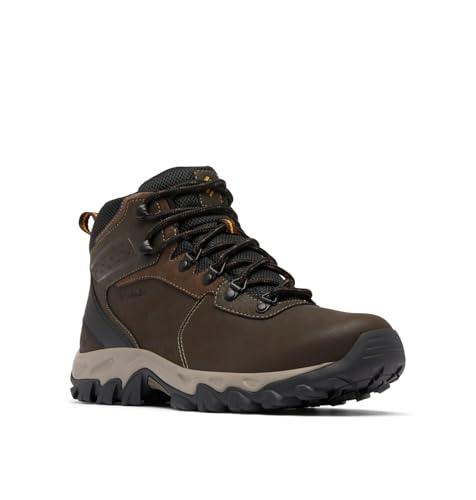
Columbia Newton Ridge Plus II Waterproof Hiking Boot

The Columbia Newton Ridge Plus II remains a popular style because it blends a classic hiking-boot shape with a fairly comfortable ride. Its waterproof construction is useful when trails stay damp. The mid-height collar helps hold the ankle, while the cushioned midsole can make hard ground feel less sharp. I also like the traditional lace system because it lets you fine-tune pressure across the foot.
This boot has a more substantial feel than a lightweight trail shoe, but it does not feel like a heavy work boot. That balance can help hikers who need protection and stability but still want to move at a steady pace. The outsole is suited to normal hiking terrain, from forest paths to rolling hills. If your knees hurt most on descents, use trekking poles too; boots work best as part of a complete support plan.
Pros:
- Waterproof construction supports wet-weather hiking
- Mid-height design improves ankle stability
- Cushioned midsole helps soften firm trail surfaces
- Classic lacing allows a more secure fit
- Durable upper suits regular outdoor use
- Good balance of support and everyday comfort
Cons:
- Heavier than a low-cut hiking shoe
- May feel stiff during the first few wears
- Some feet may need a wider size
My Recommendation
I recommend the Columbia Newton Ridge Plus II for hikers who want dependable structure and waterproof coverage. It is a strong pick for moderate trails, cool weather, and users who prefer a traditional boot feel. The stable platform may help you feel more secure when carrying a pack. For many shoppers, this is among the best hiking boots for bad knees because it offers a proven all-round design at a practical price.
NORTIV 8 Women’s Waterproof Hiking Boots

This women’s NORTIV 8 hiking boot focuses on light comfort, water protection, and everyday trail support. The light gray color gives it a clean outdoor look that works beyond the trail. Its higher shape helps the ankle feel held in place, which may help reduce wobble on uneven ground. The cushioned sole also gives the foot a softer landing than a flat casual shoe.
I would consider it for local trails, short hikes, camping, and rainy outdoor chores. The boot should feel easier to lift than many rugged leather options. A secure heel fit is important, so take time to lace it well and walk indoors before a long trip. People with knee arthritis may appreciate the lighter stride, but they should still stop if pain increases or swelling appears.
Pros:
- Lightweight design helps conserve energy
- Waterproof upper supports wet trail use
- Mid-height collar gives added ankle coverage
- Cushioning improves comfort on hard paths
- Attractive color works for casual daily wear
- Useful choice for short and moderate hikes
Cons:
- Light gray may show dirt quickly
- Waterproof fabric can feel warm
- Not the best choice for heavy backpacking
My Recommendation
This model is best for women who want supportive hiking boots without a heavy, stiff feel. It is a good fit for casual hikers, campers, and people who walk in damp parks. I would choose it for moderate trails rather than sharp, rocky routes. In the search for the best hiking boots for bad knees, this boot stands out for its light weight and weather-ready design.
NORTIV 8 Men’s Tactical Hiking Boots in Dark Brown

The dark brown NORTIV 8 Tactical Boot gives shoppers the same practical outdoor idea in a more understated color. It offers cushioning for repeated steps and a supportive shape for uneven paths. The darker finish hides dust and scuffs better than lighter boots. That makes it useful for trail work, camping, and outdoor jobs where appearance is not the only concern.
I found this type of boot most useful when I wanted one pair for several tasks. It can move from a morning trail to yard work without looking out of place. The sole should provide enough grip for common surfaces, while the upper helps protect against brush and small stones. It may not have the refined fit of a premium backpacking boot, but its comfort and cost can make it a smart everyday option.
Pros:
- Dark brown finish hides dirt and wear
- Cushioned sole supports frequent walking
- Protective upper suits outdoor work
- Stable ankle height helps on uneven ground
- Versatile design works for trails and chores
- Wide fit option can improve toe comfort
Cons:
- May feel warm during hot-weather hikes
- Basic cushioning may not suit severe foot pain
- Requires careful sizing for heel security
My Recommendation
I suggest this dark brown pair for men who need practical boots for both hiking and outdoor work. It is especially suited to people who want a durable-looking boot with useful cushioning and a steady fit. It can be a good value for short trips and daily use. If you need the best hiking boots for bad knees on a budget, this model deserves a close look.
Columbia Women’s Newton Ridge Waterproof Hiking Boot

The women’s Columbia Newton Ridge boot is built for hikers who want a classic look, a raised ankle, and protection from wet ground. Its cushioned sole helps make long walks more pleasant than they would be in a thin street shoe. The firm outsole can also help create a steadier base on packed dirt. I like that it offers trail function without looking overly technical.
This boot is a good match for day hikes, sightseeing, and cool-weather travel. It feels more protective than a sneaker, but it remains suitable for ordinary walking. The waterproof feature is useful in rain, though it can reduce airflow in warm conditions. For painful knees, focus on fit first: a boot that slips at the heel can cause short, awkward steps and more stress on the legs.
Pros:
- Waterproof construction helps block rain and puddles
- Supportive collar helps steady the ankle
- Cushioned platform improves walking comfort
- Classic style works on and off the trail
- Outsole provides useful grip for day hikes
- Durable design suits regular seasonal use
Cons:
- Can feel warm in humid weather
- Needs break-in time for some wearers
- Not intended for technical alpine hiking
My Recommendation
I recommend this Columbia boot for women who value stable support and a familiar hiking-boot shape. It is well suited to moderate trails, travel, and wet-weather walks. Hikers with sore knees may enjoy its cushioning and secure ankle feel, especially when paired with trekking poles. It remains a reliable candidate among the best hiking boots for bad knees for everyday outdoor use.
NORTIV 8 Men’s Tactical Hiking Boots in Coyote

The coyote version of the NORTIV 8 Tactical Boot is made for users who want a rugged outdoor look and a supportive, cushioned platform. Its wide 11W size can be helpful for feet that need more space. A roomy forefoot lets the toes spread and may improve balance on natural ground. The boot also offers enough coverage for brush, dust, and light trail debris.
I would use this pair for moderate hikes, camping trips, and outdoor tasks. Its low weight can reduce fatigue during long periods on your feet. That matters because tired legs often lead to poor form and less controlled steps. While it does not replace a medical knee support, the boot can help create a stable base from the ground up.
Pros:
- Wide 11W option gives extra room
- Cushioning helps soften repeated trail impact
- Protective height shields the ankle and lower leg
- Good traction for common outdoor surfaces
- Rugged color hides dust and mud marks
- Useful for hiking, camping, and work
Cons:
- May not suit narrow feet without careful lacing
- Can run warm in direct sun
- Limited for very steep or technical trails
My Recommendation
This coyote pair is best for men who need a roomy, stable boot for daily outdoor use. It may suit hikers with wider feet, mild balance concerns, or knees that tire in lightweight sneakers. I would not pick it for a long technical trek, but it makes sense for parks, campsites, and moderate trails. Its wide fit and cushion make it a practical Best Hiking Boots for Bad Knees option for many casual users.
KEEN Men’s Targhee 4 Mid Waterproof Hiking Boot

The KEEN Targhee 4 Mid is the most trail-focused boot in this group. It offers a supportive mid-cut shape, waterproof protection, and a roomy fit that many hikers appreciate. KEEN also places strong attention on toe protection, which helps on rocky paths and rough ground. Its firm, grippy outsole is designed for more demanding trail use than a simple walking boot.
This model is a good choice when stability matters more than having the lightest possible shoe. The mid height can help keep the ankle from rolling, while the broad forefoot gives the toes space to work. A secure heel fit remains vital, so try it with the socks you plan to hike in. If you regularly carry a pack or walk over roots and rocks, this boot may offer the confidence that softer casual footwear lacks.
Pros:
- Strong traction supports rough and uneven trails
- Waterproof construction helps in wet conditions
- Mid-height build adds ankle stability
- Roomy toe area improves comfort and balance
- Protective toe design helps block trail impacts
- Durable build suits regular hiking
Cons:
- More expensive than basic hiking boots
- Heavier and firmer than a light trail shoe
- May feel too structured for casual sidewalk walks
My Recommendation
I recommend the KEEN Targhee 4 Mid for hikers with bad knees who spend time on rocky, uneven, or wet trails. It is also a strong pick for people who carry a day pack and need more underfoot protection. The stable feel and roomy front can support a controlled stride. If your budget allows, this is one of the best hiking boots for bad knees for serious day hiking.
Athlefit Women’s Lace-Up Work Hiking Combat Boots
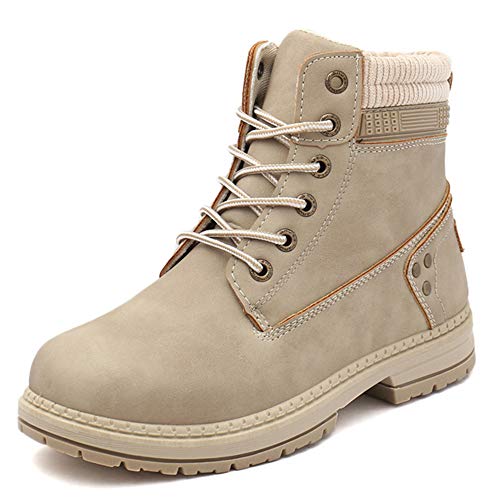
The Athlefit Women’s Lace-Up Boot is a casual option for light walks, errands, and easy outdoor paths. Its ankle coverage offers more structure than a flat fashion shoe. The lace-up design lets you adjust the fit around the ankle and instep. That can help reduce foot movement inside the boot, which is useful when knee pain makes every unstable step feel larger.
This boot is not a technical hiking boot, so I would keep it on gentle trails and firm ground. It may appeal to shoppers who need a versatile shoe for work, travel, and occasional outdoor use. The combat style also looks good with everyday clothing. For longer hikes, I would select a boot with deeper trail traction and more specialized cushioning.
Pros:
- Lace-up fit allows useful adjustment
- Ankle coverage adds structure on easy trails
- Versatile style works for daily wear
- Good option for short walks and errands
- Light outdoor use does not require a bulky boot
- Can help replace unsupportive flat footwear
Cons:
- Not suitable for technical hiking
- May provide less cushioning than trail boots
- Limited water protection compared with waterproof models
My Recommendation
I suggest the Athlefit boot for women who need a supportive ankle shoe for light outdoor use. It is best for city trails, casual walks, travel, and work rather than long mountain hikes. People with serious knee pain should confirm that the sole feels cushioned enough before committing to distance. As an affordable style-led choice, it can serve as an entry point into the best hiking boots for bad knees.
FREE SOLDIER Men’s 6-Inch Waterproof Hiking Boots

The FREE SOLDIER six-inch boot is built for people who want a protective, work-ready hiking boot. Its taller profile helps cover the ankle, while the waterproof build adds useful protection in wet conditions. The suede leather style feels rugged and can handle everyday outdoor wear. It also provides more upper coverage than a low hiking shoe.