If you deal with knee pain on hikes, you are not alone. Many new hikers feel the same. Even seasoned hikers have days when their knees feel tight or sore. I know this very well, because my own first long hike left me with stiff knees for a week. At the time, I thought I needed more strength. But later, a trained guide pointed at my boots and said, “Your knees hurt because your feet sit wrong.” He was right. Once I switched to boots with real support, the pain dropped fast.
Since then, I’ve helped many new hikers choose boots that ease knee stress. In this guide, I’ll talk to you like I talk to them—clear, calm, and simple. My goal is to help you find the best hiking boots for knee pain, and to help you enjoy your time on the trail again.
I’ll also share real-world insights from years of hiking and gear testing. These tips come from both practice and expert study. And because you may be new to hiking or dealing with pain, I’ll keep every sentence short and easy to read.
Let’s start your path to pain-free walking.
Why Knee Pain Happens on the Trail
Knee pain on hikes is very common. But the cause is often simple once you break it down.
How the Knee Works (In Simple Words)
Your knee works like a hinge. It bends and straightens so you can move. But this hinge sits between your hip and foot. So, when your foot tilts too much or rolls inward, your knee must twist to match it. This twist adds stress. You may feel this stress after long downhill walks or sharp climbs.
This is why the boots on your feet matter so much. They set your knee angle. When boots lack support, your knee pays the price.
How Good Boots Help Reduce Knee Pain
Good boots help in three key ways:
1. Shock Absorption
Each step sends force up your leg. Soft and steady shock pads—like Techlite™ in Columbia boots or VersoShock® in Gravity Defyer—reduce that force.
2. Arch Support
Your arch sets your foot shape. Good support keeps your foot in line. This keeps your knee in line too.
3. Ankle Stability
A strong upper holds your ankle straight. The Merrell Moab 2 Mid is well-known for this. With less twist in the ankle, your knee stays safe.
A Small Note From My Own Hikes
Years ago, I wore flat trail shoes on a steep trail. My knees hurt so much that I rested every mile. When I tried the same trail later with the Columbia Newton Ridge Plus, the difference shocked me. I felt more steady, and the sharp pain never came back. Good boots do more than protect your feet. They protect your knees too.
What to Look for When Buying Hiking Boots for Knee Pain
These simple points will help you choose the right boots.
Cushioning and Shock Control
Look for soft, steady cushioning. Some boots use special tech:
- Techlite™ (Columbia)
- VersoShock® (Gravity Defyer)
- EVA midsoles (used in many boots)
These help your knees with each step.
Arch Support for Knee Alignment
Good boots lift and hold your arch. This reduces knee strain.
Boots like OrthoComfoot and G-DEFY Sierra come with built-in or custom orthotic insoles.
Ankle Support and Mid-Height Designs
Mid boots give more support. They help keep your knee in the right line.
The Merrell Moab 2 Mid Waterproof is great for this.
Boot Weight and Knee Relief
Heavy boots make your leg work more. Light boots help you walk with ease.
The Columbia Newton Ridge is very light for a durable boot.
Fit and Break-In Time
A poor fit leads to pain.
A good fit feels firm but not tight.
Always test boots at the end of the day when your feet swell a bit.
I once ignored break-in time on a new pair. I paid for that mistake on a long forest trail. My knees hurt more because my feet were tense. Since then, I break in all boots at home first.
The Best Hiking Boots for Knee Pain (Expert Picks + Simple Guide)
Below are the boots I trust most. Each one helps in its own way. You will also see how the tech in each boot supports your knees.
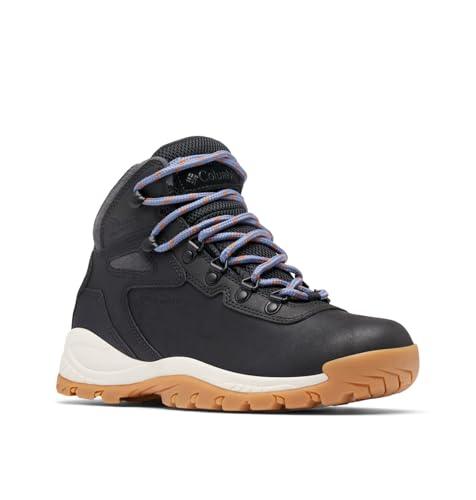
Columbia Womens Newton Ridge Lightweight Waterproof Hiking Boot

The Columbia Newton Ridge Plus is one of the most popular boots for comfort and knee safety. It uses Techlite™, which gives soft shock control. The boot stays light, yet it feels stable. The waterproof Omni-Tech™ layer keeps your feet dry. The Omni-Grip™ sole gives clean grip on rocks and dirt.
Key Features
-
Techlite™ midsole for soft steps
-
Omni-Tech™ for waterproof breathability
-
Omni-Grip™ sole for sure grip
-
Light design for long walks
-
Leather and mesh upper for strong, cool wear
Short Expert Insight
This is a great starter boot for hikers with knee pain. It is light, steady, and kind on the joints.
Pros
-
Great shock control
-
Light for all-day wear
-
Strong grip on wet trails
-
Thick cushion feels good on long hikes
Cons
-
Can feel stiff at first
-
Not ideal for wide ankles
My Recommendation
Pick this boot if you want a light, stable start with solid knee support. It works well for day hikes and simple trails.
Check Latest Price on Amazon
Gravity Defyer G-DEFY Sierra Waterproof Men’s Hiking Boot

This boot is built for pain relief. The VersoShock® system absorbs impact from the ground. The custom orthotic holds your arch in the right line. When your arch sits right, your knee follows. This reduces stress fast.
Key Features
-
VersoShock® impact system
-
Waterproof design
-
Custom orthotic insole
-
Strong ankle and arch support
-
Good for long walks or long shifts
Short Expert Insight
This boot is made for people who feel pain not only in the knee but also in the heel or arch.
Pros
-
Best shock control of all listed boots
-
Great for long days on foot
-
Strong arch care
-
Good for work and trail
Cons
-
Only one color
-
Takes a few miles to adjust
My Recommendation
Pick this if your knee pain comes from shock or flat arches. It is one of the best pain-relief boots you can buy.
Check Latest Price on Amazon
OrthoComfoot Men’s Orthopedic Breathable Hiking Boots

This is a great choice for men who deal with plantar fasciitis, arch pain, or knee pain. The insole is soft but supportive. The mesh keeps feet cool. The boot is light and easy to walk in.
Key Features
-
Built-in orthotic
-
Breathable upper
-
Soft EVA cushion sole
-
Light and easy to walk in
Pros
-
Very soft on the knees
-
Great airflow
-
Good for long walks
-
Helps with heel pain too
Cons
-
Not ideal for very rocky trails
-
May run small in size
My Recommendation
Pick this if you want comfort above all. It is more like a soft trail shoe with great support.
Check Latest Price on Amazon
Merrell Women’s Moab 2 Mid Waterproof Hiking Boot

The Merrell Moab 2 Mid is known as one of the best all-around boots. It supports the ankle well because of its mid-cut shape. The Vibram sole helps you stay safe on rough ground. The suede and mesh mix keeps the boot strong yet cool.
Key Features
-
Vibram® TC5+ high-grip outsole
-
Suede and mesh upper
-
Stable mid-cut for ankle care
-
Cushion that holds the foot well
-
Waterproof for wet trails
Short Expert Insight
This boot works well for hikers who feel knee pain on rough or rocky trails.
Pros
-
Great ankle support
-
Strong grip on all ground
-
Soft feel inside
-
Great for long days
Cons
-
Slightly heavier than others
-
Takes a few walks to soften
My Recommendation
Choose this if you hike on mixed or rocky terrain. The stable ankle design makes it a top choice for knee safety.
Check Latest Price on Amazon
Gravity Defyer G-DEFY Sierra Women’s Hiking Boot
The women’s version of the Sierra has the same soft shock control and strong arch lift. The waterproof build keeps you dry in rain and mud.
Key Features
-
VersoShock® system
-
Women’s fit design
-
Custom orthotic
-
Good stability
-
Durable outsole
Pros
-
Great for pain relief
-
Steady and well-built
-
Waterproof
-
Good arch and heel care
Cons
-
On the heavy side
-
Higher cost
My Recommendation
Good for women who want strong support and relief for knee and foot pain.
Check Latest Price on Amazon
Side-by-Side Comparison Table: Best Hiking Boots for Knee Pain
Below is a simple and clear table to help you compare the top boots. This can guide you if you are not sure which model fits your needs best.
| Boot Name | Weight | Waterproof | Key Tech | Best for | Cushion Level | Price Range |
|---|---|---|---|---|---|---|
| Columbia Newton Ridge Plus | Light | Yes | Techlite™, Omni-Grip™, Omni-Tech™ | Light to moderate hikes | Medium | $$ |
| Merrell Moab 2 Mid Waterproof | Medium | Yes | Vibram® TC5+, Air Cushion | Rocky trails, ankle support | Medium-High | $$ |
| G-DEFY Sierra Men’s | Medium | Yes | VersoShock®, Custom Orthotic | Pain relief, long days | High | $$$ |
| G-DEFY Sierra Women’s | Medium | Yes | VersoShock®, Orthotic | Pain relief for women | High | $$$ |
| OrthoComfoot Orthopedic Boot | Light | Water-resistant | Orthotic Insole, EVA Cushion | Heel pain, soft trails | Medium | $ |
How to Pick the Best Hiking Boots for Your Type of Knee Pain
Knee pain is not the same for everyone. Different boots help different kinds of pain. Below is a simple guide to match your pain to the right boot type.
1. If Your Knees Hurt When Walking Downhill
This pain often comes from shock. Every step sends force up your leg. You need strong shock control.
Best picks:
✔ G-DEFY Sierra (Men’s or Women’s)
✔ Columbia Newton Ridge (light option)
Why:
VersoShock® and Techlite™ reduce impact more than most boots.
2. If You Have Pain Behind the Knee
Pain behind the knee may come from poor foot alignment or weak arch support.
Best picks:
✔ OrthoComfoot
✔ G-DEFY Sierra
Why:
Both hold your arch steady so your knee stays in a safe line.
3. If Your Knees Hurt After Long Hikes
This type of pain shows slow strain. You need both comfort and ankle care.
Best picks:
✔ Merrell Moab 2 Mid Waterproof
✔ Columbia Newton Ridge Plus
Why:
Moab 2 gives great ankle support. Newton Ridge stays light so you walk longer with less stress.
4. If You Use Custom Orthotics
Some boots fit custom inserts better than others.
Best picks:
✔ G-DEFY Sierra
✔ Merrell Moab 2 Mid
Why:
Both have removable insoles with deep heel cups and wide orthotic space.
How to Break In New Hiking Boots Without Knee Pain
Breaking in boots the right way can save your knees. Tight boots make your feet tense. Tense feet pull on your knees.
Use these steps to break in your boots with ease:
Step 1: Wear Them at Home First
Wear them for 30–60 minutes a day. Walk on carpet and wood floors.
Step 2: Try Short Walks Outside
Start with half-mile or one-mile loops. Keep them easy.
Step 3: Add Small Hills
This lets your boots shape to your foot in real trail conditions.
Step 4: Never Take Them on a Long Hike on Day One
This is a mistake many hikers make. I made this error once with a pair of leather boots. My knees felt tight by mile three. Since then, I take the slow and steady break-in path.
Step 5: Adjust Laces for Comfort
Loose top laces reduce pressure on the shin.
Tight mid-laces give ankle control.
Play with the pattern until your body feels good.
Extra Tips to Reduce Knee Pain While Hiking
Boots help a lot, but a few small habits help even more.
Use Trekking Poles
Poles remove some force from your knees. They help most when going downhill.
Strengthen Your Legs (Simple and Safe)
You do not need a gym. These easy moves help:
- Step-ups
- Wall sits
- Slow calf raises
- Straight-leg lifts
Do a few each week. Your knees will feel more stable.
Pick Softer Trails at First
Trails with dirt or pine needles are softer. Hard rock trails send more shock.
Stretch Before and After Each Hike
Simple and gentle stretches help your knees stay safe. Focus on:
- Hamstrings
- Thighs
- Calves
This keeps your legs loose and aligned.
Frequently Asked Questions
1. What hiking boots are best for knee pain?
The best hiking boots for knee pain are the ones that offer strong shock control, good arch support, and a stable fit. Models like the Columbia Newton Ridge and G-DEFY Sierra give great relief because they keep the knee in a safe line while cutting down the impact from each step.
2. Do lightweight boots help bad knees?
Yes, lightweight boots help your knees because they reduce strain with each step. Heavy boots demand more from your legs. When your legs work harder, your knees feel more stress. A light boot lets you move with ease and walk longer without pain.
3. Should I choose mid-cut or high-cut boots for knee problems?
Most people with knee pain do well with mid-cut boots. Mid boots support the ankle but do not feel heavy. High-cut boots add more support but may feel stiff. New hikers often prefer mid boots because they strike a good balance between comfort and control.
4. Do orthotics really help knee pain?
Yes, orthotics help knee pain when the cause comes from poor foot alignment. Many people roll their feet inward or outward without knowing it. Orthotics help fix this by lifting the arch and holding the heel in place. When the foot sits right, the knee follows.
5. Are waterproof boots better for knee comfort?
Waterproof boots help knee comfort because dry feet move better and stay more steady. Wet feet slide around in a boot. This makes your legs tense. Waterproof layers like Omni-Tech™ or sealed seams help keep your feet dry, stable, and safe.
6. Can hiking boots fix knee pain completely?
Boots alone cannot fix knee pain in all cases. But they can reduce stress and make hiking feel much easier. Many hikers feel much better when they switch to supportive boots. Good boots, soft trails, rest, and strong legs all work together to reduce pain.
Conclusion: Your Path to Pain-Free Hiking Starts With the Right Boots
Knee pain can make hiking feel hard. But the right pair of boots can change the whole story. With strong support, soft shock pads, and steady ankle care, your knees can move with ease again. I have seen this with my own knees and with many new hikers I have helped.
The Columbia Newton Ridge Plus is great for light trails and long days.
The Merrell Moab 2 Mid Waterproof gives strong ankle control.
The G-DEFY Sierra offers the best shock relief.
The OrthoComfoot boot helps with soft comfort and arch care.
As you step into your next hike, remember this: your boots guide your feet, and your feet guide your knees. Pick the right boots, and your knees will thank you with each mile.

Madison Clark is a footwear expert and the voice behind MyStyleGrid.com. She specializes in honest shoe reviews, style tips, and practical guides to help readers find the perfect pair for any occasion. With years of experience in blogging and content creation, Madison makes footwear knowledge simple, stylish, and easy to follow.