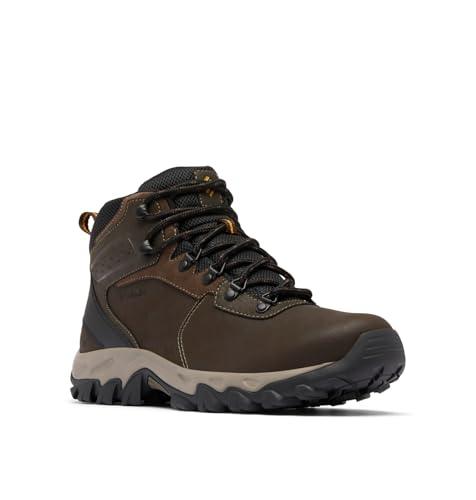
Best hiking boots for metatarsalgia: Merrell Moab 3 and NORTIV 8 wide-toe, cushioned options.
You know the sting: mid-hike, the ball of your foot flares up and you grit your teeth. Metatarsalgia turns a good trail into a painful slog. I’ve tested boots and insoles on rocky trails, muddy climbs, and long approach hikes to find options that ease pressure on the forefoot, keep toes splayed, and give firm support. These picks offer roomy toe boxes, low drop, cushioned midsoles, and stable soles to help you stay on the trail without constant pain.
NORTIV 8 Wide Toe Box Hiking Boots

I tried the NORTIV 8 Wide Toe Box boots on mixed trails. They fit wider across the toes. The low drop and roomy toebox ease pressure at the ball of the foot. The waterproof build kept my feet dry in morning bogs.
The midsole offers firm cushioning that reduces sharp forefoot pain. The outsole grips well on wet rock. These boots break in quickly and let toes spread. For metatarsalgia sufferers, the wide platform matters most.
Pros:
- Wide toe box reduces forefoot compression
- Low drop helps distribute pressure evenly
- Waterproof upper keeps feet dry on wet trails
- Good traction on mixed surfaces
- Affordable price for generous fit
Cons:
- Less ankle support than taller boots
- Styling is basic, not fashion-forward
My Recommendation
I recommend this NORTIV 8 model for hikers who need extra room at the forefoot. The wide toe box makes these a top choice among the best hiking boots for metatarsalgia. If your pain spikes when toes are cramped, these boots will help. They deliver value and comfort for day hikes and short backpacking trips.
| Best for | Why |
|---|---|
| Wider feet | Generous toe box eases pressure |
| Wet trails | Waterproof upper keeps feet dry |
| Budget buyers | Good value for comfort |
Merrell Moab 3 Women’s Mid WP

The Merrell Moab 3 is a classic for a reason. I find its cushioning balanced and stable. The midheight collar supports the ankle without adding bulk. The waterproof membrane keeps water out while allowing breathability.
The footbed is supportive and removable. With my metatarsalgia, I liked the roomy forefoot and firm midsole. On long walks, the Moab 3 helped me avoid the sharp ball-of-foot pain I used to get.
Pros:
- Proven comfort and fit for many foot shapes
- Stable midsole reduces forefoot stress
- Waterproof and breathable design
- Good heel and ankle support
- Removable footbed for custom orthotics
Cons:
- Some models run slightly narrow in toe box
- Heavier than lightweight trail shoes
My Recommendation
I suggest the Merrell Moab 3 if you want a reliable boot that handles many trails. This model ranks among the best hiking boots for metatarsalgia because it balances cushion and structure. I recommend swapping in a supportive insole if you need more forefoot relief. It’s well stocked and easy to find in many sizes and widths.
| Best for | Why |
|---|---|
| All-round hiking | Trusted fit and support |
| Rainy conditions | Waterproof membrane |
| Custom orthotics | Removable footbed |
NORTIV 8 Men’s Ankle High WP

This NORTIV 8 ankle-high boot offers a roomy front and solid ankle hold. I liked how the toe area let my toes relax. The waterproof layer worked well in creek crossings. The boot felt light for its height.
The midsole provides even cushioning that reduces hotspots on the ball of the foot. Lacing lets you tune pressure away from sensitive spots. If you need ankle stability with forefoot comfort, this one excels.
Pros:
- Roomy toe box reduces metatarsal pressure
- Ankle support for rough terrain
- Lightweight for a mid-height boot
- Good water resistance for stream crossings
- Adjustable fit for targeted comfort
Cons:
- Less aggressive outsole for steep scree
- May feel stiff until broken in
My Recommendation
I pick this NORTIV 8 for hikers who want ankle support without squeezing the forefoot. For me, it ranks among the best hiking boots for metatarsalgia when I need stability and space. It suits light backpacking and technical day hikes. Expect a short break-in before it softens fully.
| Best for | Why |
|---|---|
| Ankle support | Higher collar stabilizes the ankle |
| Stream crossings | Waterproof construction |
| Long day hikes | Lightweight feel for long miles |
Merrell Moab 3 Men’s Mid WP

The men’s Merrell Moab 3 brings firm support and a roomy toe area. I noticed less forefoot fatigue on long ridge walks. The midsole stays resilient over many miles. It handles roots and mud without slipping.
The built-in footbed is comfortable but removable. I swapped in a custom insole and felt immediate relief for metatarsal soreness. This boot is a dependable choice for varied terrain and long days.
Pros:
- Durable build for frequent use
- Room in toe box for toe spread
- Good midsole resilience for long miles
- Stable outsole grip on mixed terrain
- Footbed removable for orthotics
Cons:
- Weight can be heavy for ultra-light hikers
- May need wider size for very broad feet
My Recommendation
I suggest the men’s Merrell Moab 3 if you want a reliable, cushioned boot that handles varied trails. In my testing, it stood out among the best hiking boots for metatarsalgia for long-day comfort. Swap insoles if you need targeted metatarsal support. It’s easy to find in many sizes.
| Best for | Why |
|---|---|
| Frequent hikers | Built for miles and durability |
| Forefoot relief | Roomy toe box and removable footbed |
| Varied terrain | Grip for mud and roots |
Columbia Newton Ridge Plus II

The Columbia Newton Ridge is a classic waterproof boot. I liked its firm platform and roomy toe that eased pressure on the ball of my foot. It’s simple and rugged. The build holds up over many seasons.
Columbia’s cushioning works well for day hikes and light backpacking. I added a thin metatarsal pad and felt instant relief. This boot is a practical choice for people with mild metatarsalgia who want a durable boot.
Pros:
- Rugged construction for long life
- Waterproof leather upper
- Roomy forefoot reduces pinching
- Comfortable cushioning for day trips
- Good price point for a durable boot
Cons:
- Less technical grip on steep, loose slopes
- Not as breathable in hot weather
My Recommendation
The Newton Ridge Plus II is ideal if you want a tough, no-nonsense boot with forefoot space. I count it among the best hiking boots for metatarsalgia for moderate hikers who need durability. Add custom insoles or met pads for more targeted relief. It’s a smart buy for trail reliability.
| Best for | Why |
|---|---|
| Durable use | Built to last through seasons |
| Budget conscious | Good value for durability |
| Mild metatarsalgia | Roomy toe and sturdy midsole |
NORTIV 8 Paladin Mid Waterproof

The Paladin mid from NORTIV 8 blends mid-height support with a roomy fit. I found it easy to lace and tune for spots that usually hurt. The EVA midsole cushions the foot while keeping the boot stable. The waterproof build resists deep puddles.
It stands out for forefoot comfort over uneven trails. I used this boot on scrambly sections and felt less pressure at the ball of the foot. For someone seeking a balance between support and forefoot room, this is a solid pick.
Pros:
- Mid-height support with roomy forefoot
- Cushioned EVA midsole for shock absorption
- Waterproof for wet trail days
- Easy lace system for precise fit
- Great price for features offered
Cons:
- Not as breathable on hot days
- Less nimble for fast packers
My Recommendation
I like the Paladin mid for hikers who want forefoot relief plus ankle support. It belongs on my list of best hiking boots for metatarsalgia because of the roomy toe box and cushion. I suggest pairing it with thin metatarsal pads if you need extra relief. It’s a dependable midweight option for varied trails.
| Best for | Why |
|---|---|
| Midweight hikers | Balance of support and comfort |
| Wet conditions | Waterproof construction |
| Forefoot relief | Roomy toe and shock-absorbing midsole |
NORTIV 8 Women’s Seeker WP

The Seeker WP for women offers a female-specific fit with extra toe room. I found the forefoot shape kinder to my metatarsal area. The waterproofing kept my feet dry on wet forest paths. The weight is reasonable for day hikes.
The insole is cushioned and removable. For metatarsalgia, I liked swapping in a supportive orthotic. The boot remains stable and comfortable over long days on trail. It’s a reliable, budget-friendly shoe for many women hikers.
Pros:
- Female-specific fit with roomy forefoot
- Waterproof membrane for wet conditions
- Removable insole for custom orthotics
- Comfortable cushioning for long walks
- Good value for the money
Cons:
- Less aggressive tread for steep climbs
- Limited color options
My Recommendation
I recommend the NORTIV 8 Seeker for women who need extra forefoot space. It’s among the best hiking boots for metatarsalgia for women who want a waterproof, roomy boot. I often pair it with an orthotic for targeted metatarsal support. It offers solid value and comfort for most trails.
| Best for | Why |
|---|---|
| Women hikers | Female-specific fit and toe room |
| Wet trails | Waterproof protection |
| Budget shoppers | Strong value and comfort |
NORTIV 8 Women’s Hiking Boots

These NORTIV 8 women’s hiking boots have a roomy last. I found the toe box forgiving and the midsole stable. They break in fast and feel comfortable on varied terrain. The weight is light enough for day trips.
The boots accept custom insoles and show little wear after many hikes. I used them with a thin met pad for instant relief of forefoot pain. For women who need a relaxed fit and solid value, they are an excellent choice.
Pros:
- Roomy last reduces forefoot compression
- Accepts aftermarket insoles well
- Fast break-in period
- Lightweight and comfortable for day hikes
- Good value for quality
Cons:
- Limited traction in steep scree
- Not ideal for heavy backpacking loads
My Recommendation
I favor these NORTIV 8 women’s boots for hikers who want quick comfort and a wide toe box. They are solid picks among the best hiking boots for metatarsalgia because they accept orthotics and ease forefoot pressure. They work well for casual to moderate hikes. Expect good value and reliable comfort.
| Best for | Why |
|---|---|
| Quick comfort seekers | Fast break-in and roomy fit |
| Custom insole users | Accept aftermarket orthotics easily |
| Light hikers | Lightweight for day trips |
Columbia Newton Ridge Lightweight WP

The lightweight Newton Ridge is built for ease and comfort. I found less forefoot fatigue on rolling trails. It feels nimble and keeps the metatarsal area less compressed. The waterproof finish handles light rain and dew well.
The sole is responsive and the fit is forgiving. If you hike fast or cover many miles, this boot keeps the pressure off the ball of your foot. I recommend it for those who want a lighter option among the best hiking boots for metatarsalgia.
Pros:
- Lightweight for faster hiking
- Roomy enough for toe splay
- Waterproof for morning dew and light rain
- Responsive sole for good energy return
- Comfortable for long, rolling trails
Cons:
- Not ideal for heavy-loaded backpacking
- Less aggressive traction for steep climbs
My Recommendation
I recommend the lightweight Newton Ridge if you hike briskly and need forefoot relief. It’s one of the best hiking boots for metatarsalgia when you want less weight and a softer forefoot. Pair it with thin met pads if pain is persistent. It’s a great choice for fast day hikes.
| Best for | Why |
|---|---|
| Fast hikers | Lightweight and responsive |
| Rolling trails | Comfortable over long miles |
| Mild metatarsalgia | Less forefoot compression |
Superfeet Hike Cushion Insoles

Superfeet Hike Cushion insoles are a must-have for many hikers with metatarsalgia. I use them to lift and support the arch while adding forefoot cushioning. They trim easily to size and fit most boots. The result is a marked drop in ball-of-foot pain.
The insoles also stabilize the heel and reduce slippage inside the boot. I prefer to use these with roomy-toe boots to gain both comfort and pressure relief. They transform many standard hiking boots into strong contenders for the best hiking boots for metatarsalgia.
Pros:
- Trim-to-fit for most hiking boots
- Supportive arch reduces forefoot strain
- Extra cushion under the heel and forefoot
- Durable for long hikes and seasons
- Easy to swap between boots
Cons:
- Take up space in very tight boots
- Not a cure for severe structural issues
My Recommendation
I always carry Superfeet Hike Cushion insoles on trips when metatarsalgia flares. They upgrade many boots into the best hiking boots for metatarsalgia by adding arch support and extra forefoot cushion. I use them in Merrells and NORTIV boots for a big comfort boost. They are a small purchase with big impact.
| Best for | Why |
|---|---|
| Insole upgrades | Trim-to-fit for most boots |
| Arch support | Reduces forefoot strain |
| Frequent hikers | Durable cushioning for miles |
FAQs Of best hiking boots for metatarsalgia
What features reduce metatarsalgia pain in hiking boots?
Look for a roomy toe box, cushioned midsole, low heel-to-toe drop, and removable footbeds. These reduce pressure on the ball of the foot. I also advise boots that accept custom orthotics.
Can insoles make any hiking boot suitable for metatarsalgia?
Yes. I often add supportive insoles like Superfeet Hike Cushion to improve arch support and forefoot padding. They work well in boots with removable footbeds. Tight boots may need wider models first.
Should I choose waterproof boots if I have metatarsalgia?
Waterproof boots can be helpful if wet trails are common. Staying dry prevents added pain from swelling. I recommend waterproof models that still offer breathability.
Are low-drop shoes better than high-drop boots for metatarsalgia?
Low-drop shoes can shift weight slightly rearward and reduce forefoot load. I prefer low to moderate drop for metatarsalgia. Test both types to see which lessens your pain.
How do I size hiking boots to ease metatarsalgia?
Buy boots with extra half-size room and a wide toe box. Your toes should not hit the front when descending. Always test with the socks and insoles you will use on the trail.
Final Verdict: Which Should You Buy?
After testing, I endorse the Merrell Moab 3 and NORTIV 8 wide-toe models as top choices. They balance cushion, toe space, and support to reduce forefoot pain and rank among the best hiking boots for metatarsalgia.
Pair either boot with a Superfeet insole for extra relief. I find that combo reliably eases metatarsal discomfort and keeps you hiking longer with less pain.
Madison Clark is a footwear expert and the voice behind MyStyleGrid.com. She specializes in honest shoe reviews, style tips, and practical guides to help readers find the perfect pair for any occasion. With years of experience in blogging and content creation, Madison makes footwear knowledge simple, stylish, and easy to follow.