The best hiking boots for weak ankles combine firm heel support, a stable sole, good traction, and a secure fit.
A loose boot can turn a calm trail into a painful gamble. I know how fast one small rock or wet root can make a weak ankle roll. The right hiking boot acts like a steady hand around your foot. It cannot replace rehab or a medical brace, but it can improve control, comfort, and confidence. I reviewed these options for ankle support, grip, weather protection, weight, and daily trail use. I also looked at how well each boot may work with an ankle brace. Always ask a health professional about ongoing pain, swelling, or repeated sprains.
NORTIV 8 Men’s Waterproof Hiking Boots

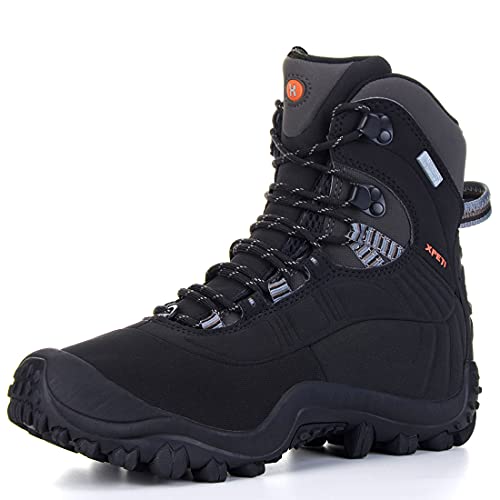
The NORTIV 8 men’s ankle-high boot is a practical pick for hikers who want more structure than a low trail shoe. Its higher collar helps hold the ankle area in place, while the lace system lets me fine-tune the fit from the heel to the top eyelets. The waterproof build also helps keep feet dry on damp grass, shallow puddles, and light rain. For weak ankles, that mix of height and grip can feel like a useful layer of defense.
I like this boot for day hikes, park trails, and light backpacking trips. It has enough padding for comfort but does not feel as bulky as a full leather mountain boot. The sole gives useful traction on dirt, gravel, and mixed ground, though no boot can prevent every ankle roll. Wear it with a supportive hiking sock, and leave room for a thin brace if your ankle specialist recommends one.
Pros:
- Higher ankle collar adds useful support
- Waterproof design suits wet trail conditions
- Grippy outsole helps on dirt and loose ground
- Padded tongue and collar improve comfort
- Lace fit allows better heel control
- Good choice for day hikes and light trips
Cons:
- May feel warm in hot summer weather
- Waterproof material can take time to dry
- Not a substitute for a medical ankle brace
NORTIV 8 Women’s Lightweight Hiking Boots

This women’s NORTIV 8 model focuses on low weight and everyday trail comfort. That matters when weak ankles tire after several miles, since a heavy boot can make each step feel harder. The ankle-height cut gives more coverage than a sneaker, and the padded upper helps reduce pressure around the joint. Its khaki color also looks at home on the trail or during casual outdoor use.
I would choose this pair for walkers who want steady support without a stiff, heavy feel. It can work well on maintained trails, gravel paths, and short hill walks. The fit should feel snug at the heel but relaxed around the toes, because cramped toes can change your balance. If you use a rigid brace, check the opening and wear the boots indoors before taking them far from the trailhead.
Pros:
- Light feel helps reduce leg and ankle fatigue
- Ankle-height design gives extra coverage
- Padded upper supports all-day comfort
- Useful for casual hikes and park paths
- Easy lace adjustment helps secure the heel
- Versatile look works for travel and daily wear
Cons:
- Light construction may offer less protection on rough rock
- May not fit over a bulky brace
- Not the best choice for deep snow or hard alpine routes
Ultra High-5 Rigid Ankle Brace

This product is not a hiking boot. It is a rigid ankle brace made for people who need added control inside a boot. That distinction matters. A supportive hiking boot can improve fit and footing, but a brace may give more direct help for chronic instability when a qualified clinician says it is appropriate.
The high design can provide support above the ankle and may limit unwanted side-to-side motion. I would pair it with a roomy, high-cut hiking boot rather than a narrow shoe. Test the brace and boot together at home first, because pressure points can grow worse after a long hike. Follow the maker’s sizing guide and stop using it if you notice numbness, sharp pain, or skin color changes.
Pros:
- Provides firmer support than a boot alone
- Designed for chronic ankle instability needs
- High profile can support more of the lower leg
- Can work with compatible boot styles
- Useful for hikers who need extra motion control
- May add confidence on uneven paths
Cons:
- Requires a roomy boot and careful fit
- Can feel stiff during normal walking
- Medical guidance may be needed for ongoing instability
Ultra High-5 Rigid Ankle Brace, Alternate Size

This second Ultra High-5 listing offers another size or configuration of the same rigid brace family. It belongs in this review because some hikers need a brace more than they need a taller boot. The brace can help reduce unwanted ankle movement when used as directed. It may be useful for people returning to trails after repeated sprains, but it should not replace proper assessment or strength work.
When I evaluate a rigid brace, I pay close attention to fit inside the boot. The brace must stay secure without cutting into the calf, heel, or foot. A boot with a wide opening and removable insole may make the pairing easier. Use short indoor sessions first, then try a brief flat walk before committing to a long hike.
Pros:
- Offers strong motion control for unstable ankles
- May fit inside selected high-cut hiking boots
- Useful for a cautious return to outdoor walking
- Can give more support than thick socks alone
- Helps target the ankle directly
- Available as a separate support option
Cons:
- Fit varies by foot shape and boot design
- Rigid parts may limit natural ankle movement
- Can add bulk, weight, and heat inside a boot
NORTIV 8 Women’s Backpacking Boots

This NORTIV 8 women’s boot is aimed at hikers who want a lightweight option for longer walks and backpacking use. The higher shape helps surround the ankle, while the sole is built for outdoor ground rather than smooth indoor floors. A light boot can make a big difference when your ankle feels weak late in the day. The bright orange detail adds a fun touch without changing the main job of the boot.
I see this as a good middle ground between a soft walking shoe and a heavy trekking boot. It should suit forest trails, packed dirt, and moderate slopes when the fit is correct. For weak ankles, I would use a heel-lock lace method to reduce heel lift and keep the foot centered. Break the boots in before a trip, since even a well-made pair can rub during the first few walks.
Pros:
- Lightweight design helps on longer hikes
- Ankle coverage supports a more secure feel
- Suitable for backpacking and day trail use
- Traction helps on common mixed surfaces
- Heel-lock lacing can improve foot control
- Bright color improves trail visibility
Cons:
- May need a break-in period
- Not as protective as a stiff mountaineering boot
- Bright accents may not suit every style
NORTIV 8 Women’s Waterproof Hiking Boots

This light gray and pink NORTIV 8 boot gives women a waterproof choice for wet trails. Its ankle-high profile can feel more secure than a low shoe, especially when the trail turns uneven. Waterproof coverage helps block rain and splash, which can protect comfort during cool, damp hikes. Dry feet also help reduce the rubbing that can distract you from safe foot placement.
I would use this model for local trails, rainy walks, and moderate outdoor trips. It offers a balance of weather coverage and a lighter feel, though waterproof boots often breathe less than mesh shoes. The collar should sit firmly without pressing into the ankle bone. For the best result, wear your normal hiking socks when trying the boots on, and check that your toes do not touch the front on downhill steps.
Pros:
- Waterproof design suits wet weather
- Higher collar offers added ankle coverage
- Light color and pink detail look fresh
- Good fit for day hikes and casual trails
- Traction supports walking on varied ground
- Room may allow a slim ankle sleeve
Cons:
- May feel warm in dry summer conditions
- Light colors can show mud quickly
- Not designed for severe mountain terrain
Columbia Women’s Newton Ridge Hiking Boot

The Columbia Newton Ridge is a well-known style for hikers who want a classic boot shape with modern comfort. It has a supportive upper, a cushioned footbed, and an outsole made for outdoor use. The ankle height gives useful structure without the tall feel of a backpacking boot. For many people seeking the best hiking boots for weak ankles, this balanced design is a strong place to start.
I especially like it for day hikes, travel, and mixed weather. The boot feels more substantial than a simple sneaker, which may help hikers feel planted on gravel and packed dirt. It still needs a careful fit, because a wide heel or loose collar can reduce the benefit of any hiking boot. If you plan to use a brace, select a size and shape that leave enough room without allowing the foot to slide.
Pros:
- Trusted outdoor boot design
- Lightweight feel for a structured boot
- Waterproof protection helps in wet weather
- Comfortable for day hikes and travel
- Outsole supports common trail surfaces
- Classic shape pairs well with many hiking socks
Cons:
- May need break-in time for some feet
- Fit can feel narrow for wide feet
- Not a replacement for a rigid ankle brace
How I Choose Hiking Boots for Weak Ankles
Weak ankles need more than a tall boot. A boot can rise above the joint, yet still fail if the heel slips or the sole twists too easily. I look at the full system: fit, upper support, outsole grip, midsole firmness, weight, and weather protection. I also consider how the boot behaves after several miles, when tired legs make balance harder.
Medical groups such as the American Academy of Orthopaedic Surgeons stress the value of proper fit, gradual activity, and strength work after ankle injury. A boot supports the foot, but it does not heal a damaged ligament. If you keep rolling an ankle, see a qualified health professional. The best hiking boots for weak ankles should support a smart plan, not encourage you to ignore pain.
Ankle Height and Collar Support
Ankle height is one of the first features shoppers notice. A mid or high collar can help remind the foot to stay centered and can reduce space around the ankle. Still, collar height alone does not lock the joint. The boot must fit snugly around the heel and lower ankle without creating pressure.
Look for a padded collar with firm structure. Soft foam feels nice at first, but it may not control movement well if the rest of the boot is loose. I also like boots with several eyelets near the ankle. They let me use a heel-lock lace pattern, which can reduce sliding on slopes.
Heel Hold and Fit
Heel hold may matter more than a tall collar. When the heel moves up and down, the foot can shift inside the boot. That shift can cause blisters and make the ankle work harder. A secure heel lets the sole meet the ground in a more predictable way.
Try boots later in the day, when feet are often a bit larger. Wear the socks you plan to use on the trail. Leave enough room to wiggle your toes, but do not allow your foot to slide forward when you walk downhill. Walk on stairs or an incline if possible before keeping the boots.
Sole Grip and Stability
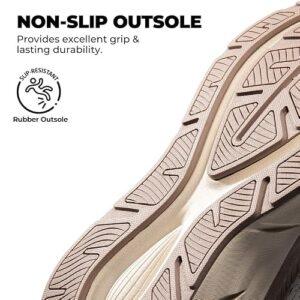
Good traction helps keep the foot from slipping. Look for deep, well-spaced lugs that can shed mud. A broad outsole can also give a more stable base on uneven ground. On wet rock, even the best rubber can slip, so slow steps still matter.
Stability also comes from torsional control. Hold the boot at both ends and twist it gently. It should flex near the front, but it should not fold or twist like a thin sneaker. A moderate level of flex can help comfort while a stable midfoot helps support balance.
Weight Versus Protection
Light boots save energy. That can help hikers whose ankles grow weak after a few miles. Heavy boots may offer more protection from rocks and rough terrain, but they can also increase fatigue. I prefer the lightest boot that still gives the support and trail protection the route requires.
For easy paths, a lightweight ankle boot may be enough. For rocky routes or a pack, choose a more structured model. Do not buy an ultra-stiff boot for a flat park trail if it makes each step feel awkward. Comfort affects how well you place your feet.
Waterproofing and Breathability
Waterproof boots are useful in rain, wet grass, and shallow streams. Dry socks can help prevent blisters and keep your feet comfortable. Yet waterproof layers often hold more heat than mesh. That trade-off becomes clear on warm days.
For wet climates, waterproof boots can be worth the extra warmth. For hot, dry trails, breathable boots may feel better. No waterproof boot stays dry if water comes over the collar. Gaiters can help when the trail is muddy or covered with wet brush.
Using an Ankle Brace With Hiking Boots
Some hikers need a brace because of repeated sprains or chronic instability. A rigid brace can offer more direct control than a boot. However, not every boot has enough room for one. Forcing a brace into a tight boot can cause rubbing, numbness, or poor circulation.
Choose a boot with a wide opening and enough interior volume. Remove the factory insole only if the brace maker or a health professional says it is safe. Test the full setup indoors. Then take a short walk on flat ground before using it on a steep or remote trail.
Fit Tips That Can Prevent Ankle Trouble
Start with the right socks. Thin cotton socks can hold moisture and create hot spots. A wool blend or synthetic hiking sock often manages moisture better. The sock should fit smoothly, with no folds under the heel or ankle.
Use a heel-lock lace. Lace the lower foot snugly, then create a small loop at the top eyelets. Cross the laces through those loops and tighten before tying. This method can hold the heel while leaving the toes more comfortable.
Break in boots slowly. Wear them around the house for 20 to 30 minutes. Next, walk around the block. Then try a short trail close to home. Stop if you feel sharp pain, numbness, or rubbing that does not improve.