The best recovery sandals for runners combine soft cushioning, steady arch support, easy fit, and reliable all-day comfort.
After a long run, even a short walk to the car can feel harder than expected. Hot spots, tired arches, sore heels, and tight calves often make ordinary flip-flops a poor choice. I tested the key features that matter most in post-run footwear, including foam feel, foot stability, strap comfort, traction, washability, and fit. These Best Recovery Sandals for Runners can help your feet relax after miles on pavement, trails, or a treadmill.
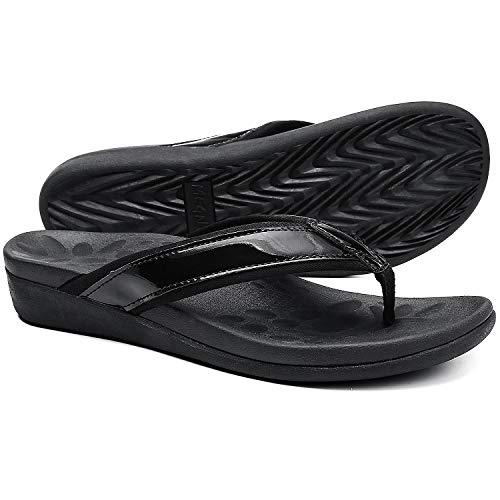
OOFOS OOriginal Recovery Sandal

The OOFOS OOriginal is one of the most familiar recovery sandals for runners, and its simple design still works well. The soft OOfoam footbed feels gentle under a tired heel and forefoot. I like the broad thong and smooth upper because they keep the sandal easy to wear after a run. The footbed also has a noticeable, curved shape that helps the sandal feel more supportive than a flat flip-flop.
This model suits runners who want a light sandal for post-run errands, showers, and time at home. Its foam absorbs a good amount of step shock, so each stride feels less harsh than it would in a firm casual sandal. The open design lets the foot breathe during warm weather. Still, the thong style may not suit people who dislike pressure between the toes or need a locked-in fit.
Pros:
- Soft, springy foam helps ease post-run foot fatigue
- Curved footbed gives more support than a flat flip-flop
- Light weight feels easy after long training sessions
- Open design promotes airflow in warm weather
- Simple shape works for home, travel, and quick errands
- Easy-clean construction suits frequent use
Cons:
- Thong strap may irritate runners who dislike toe pressure
- No adjustable strap for a custom fit
- Soft foam may feel too flexible for demanding walks
KuaiLu Arch Support Recovery Slides

These KuaiLu recovery slides focus on easy comfort and noticeable arch support. The slip-on design saves time when your feet feel worn out and you do not want to lace another shoe. The molded footbed gives the arch a clear place to rest, while the wide slide shape leaves room for natural toe spread. I find this style especially useful after runs that leave the midfoot feeling tight.
The green color adds a casual look, so this pair can move from the gym to the grocery store without looking like a medical shoe. The cushioned sole helps soften hard floors, and the open upper allows heat to escape. Because the strap does not fully wrap the heel, the sandals work best for relaxed walking rather than fast movement. Runners with very narrow feet may need to check the fit carefully before buying.
Pros:
- Arch shape gives tired feet a clear support point
- Slide-on design makes post-run changes fast
- Roomy front helps reduce cramped toe feel
- Soft cushioning feels comfortable on hard floors
- Breathable open upper suits warm recovery days
- Casual green color works beyond the gym
Cons:
- Loose slide design offers limited heel security
- Arch height may feel strong for flat-footed users
- Fit can feel less stable during quick turns
OOFOS OOahh Recovery Slide
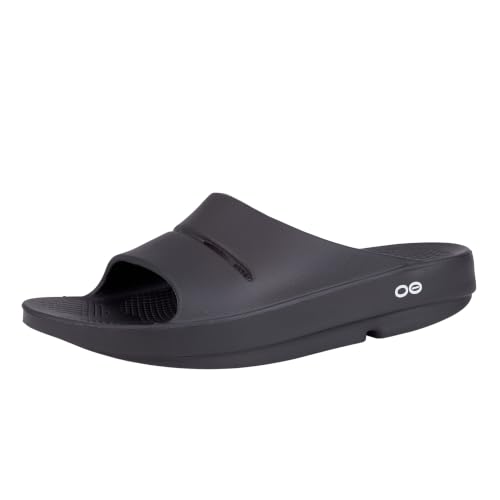
The OOFOS OOahh is a strong choice for runners who prefer a slide instead of a thong sandal. Its broad upper holds the foot without placing material between the toes. The footbed feels soft, yet it still has enough shape to guide the foot during casual walking. That balance makes it one of the most versatile recovery sandals for runners in this group.
I would reach for the OOahh after a long road run, speed workout, or race when my feet need quick relief. The black finish looks clean and hides normal marks from gym floors and pavement. The open toe keeps the sandal cool, while the easy-clean foam makes regular use simple. The main trade-off is fit: a fixed upper cannot adjust around a high instep or swollen foot.
Pros:
- Wide slide upper avoids toe-thong irritation
- Soft footbed helps reduce the feel of hard floors
- Contoured shape supports relaxed post-run walking
- Black color is easy to match with casual clothing
- Quick slip-on design saves tired legs and hands
- Foam construction is simple to wipe clean
Cons:
- Fixed upper does not offer adjustable tension
- May feel loose on narrow feet
- Soft foam can wear faster with heavy daily use
KuaiLu Black Arch Support Slides
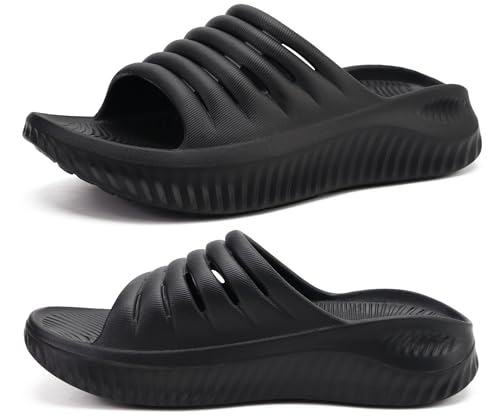
The black KuaiLu slide offers the same basic recovery idea in a more understated color. Its molded footbed adds shape under the arch and soft padding under the heel. That structure can feel welcome after a workout that leaves the feet heavy and dull. The upper stays open, which helps reduce the warm, trapped feeling common in closed recovery shoes.
This pair is best for runners who want one sandal for the house, gym locker room, and short trips. The slide goes on quickly, and the black finish suits nearly any outfit. I would use it for slow, easy walking rather than long hikes because the heel is not secured. If your feet swell after racing, the roomy design may feel more forgiving than a narrow sandal.
Pros:
- Neutral black color fits most casual outfits
- Molded arch support gives the foot useful structure
- Roomy slide shape allows some swelling after exercise
- Open upper helps keep feet cooler
- Easy slip-on fit works well at the gym
- Cushioned sole makes indoor floors more comfortable
Cons:
- No heel strap for secure movement
- Arch profile may take time to get used to
- Not the best choice for running or fast walking
KuaiLu Purple Recovery Arch Slides

The purple KuaiLu slide brings a brighter look to a practical recovery sandal. It uses a broad, molded footbed to give the heel and arch more support than a thin beach sandal. I like the way a slide lets the foot relax without the pressure of laces or a tight upper. The foam-like sole also helps take the sting out of tile, concrete, and other hard surfaces.
This model can suit runners who want comfort with a little personality. It is handy after daily mileage, at a race expo, or during a casual recovery walk. The open design supports airflow, and the slip-on entry makes it useful when your feet feel stiff. Like most open slides, it will not provide the control needed for uneven trails or quick side steps.
Pros:
- Bright purple color adds personal style
- Contoured footbed supports relaxed recovery steps
- Soft sole helps cushion hard indoor surfaces
- Easy-on shape works well after long runs
- Open construction allows useful airflow
- Wide front gives toes more breathing room
Cons:
- Color may not appeal to users wanting a plain sandal
- Open heel limits stability on uneven ground
- Fixed upper may not fit every instep shape
Tmaza Women’s Recovery Slide Sandals

The Tmaza recovery slide is designed for women who want a soft, simple sandal after training. Its open slide format makes it easy to put on when feet feel tender or swollen. The purple color gives it a fun look, while the cushioned base helps reduce the sharp feel of hard floors. The sandal feels more like a comfort tool than a fashion-first shoe, which is often exactly what runners need after a tough session.
I see this pair working well for home use, post-race downtime, and short errands. It can provide a relaxed platform while the foot cools and settles after miles. The lack of laces keeps pressure low across the top of the foot. However, shoppers should confirm the size chart and read current customer feedback because comfort slides can vary in width and fit from one foot to another.
Pros:
- Soft slide design feels gentle after hard workouts
- Fast entry helps when feet feel stiff
- Purple finish gives a bright, casual appearance
- Open toe supports airflow and comfort
- Cushioned base helps soften indoor walking
- Useful for home, travel, and post-race rest
Cons:
- Limited heel hold reduces walking stability
- Fit information should be checked before ordering
- May not offer enough arch shape for some runners
KuaiLu Beige Arch Support Slides

The beige KuaiLu slide is a quiet, versatile option for runners who prefer a neutral shade. Its shaped footbed supports the arch and gives the heel a cushioned landing. The broad upper holds the sandal in place during calm walking without squeezing the toes. I consider this style a practical bridge between a house slipper and an outdoor recovery sandal.
The beige color works well with shorts, joggers, and summer clothes, so you can wear it beyond the recovery window. Its open construction helps release heat after a warm run. The soft platform feels comfortable for standing in the kitchen or walking around the home. It remains a casual slide, though, and runners should not treat it as a substitute for a supportive training shoe.
Pros:
- Neutral beige color works with many outfits
- Arch support adds shape for post-run walking
- Cushioned heel helps soften each casual step
- Open upper allows air around the foot
- Wide front offers a relaxed toe area
- Versatile enough for home and short errands
Cons:
- Beige may show dirt more quickly than black
- No adjustable strap or heel hold
- Not suited to technical trails or fast movement
CUSHIONAIRE Fame Pillow Recovery Sandal

The CUSHIONAIRE Fame Pillow stands out because it uses double adjustable buckles instead of a fixed slide upper. That design gives you more control over fit, which matters when feet swell after a long run. The EVA platform feels soft and light, and the pillow-like sole offers a cushioned feel under the heel. The khaki color also gives this sandal a more styled look than many basic recovery slides.
I especially like the adjustment range for runners with a high instep or feet that change size during the day. The waterproof EVA construction makes it useful near a pool, after a muddy trail run, or in a locker room. A firmer, broader base may also feel steadier than an ultra-soft foam sandal. The trade-off is extra bulk, and the buckles may need a short break-in period before they feel completely natural.
Pros:
- Double buckles allow a more personal fit
- Waterproof EVA suits showers and pool areas
- Pillow-style sole gives a soft walking feel
- Khaki color looks polished and versatile
- Adjustability helps accommodate foot swelling
- Broader base can feel stable on flat ground
Cons:
- Buckle hardware adds weight and bulk
- Straps may rub until properly adjusted
- Less flexible than a thin foam slide
OOFOS OOmega OOahh Recovery Sandal

The OOFOS OOmega OOahh adds extra height and a more fashion-focused shape to the familiar OOahh idea. It keeps the soft recovery feel that makes OOFOS popular with runners after demanding workouts. The broad upper holds the foot without a toe post, and the contoured footbed supports relaxed steps. The Stardust shade gives this model a brighter, more noticeable look.
This sandal is a good match for runners who want recovery comfort but do not want a plain, low-profile slide. The raised platform can help keep the foot above hot pavement and wet ground. It also adds a little presence to casual outfits. Because the sole is taller, I would walk with care on uneven surfaces until the fit feels familiar, especially if you already feel tired after a race.
Pros:
- Soft foam helps tired feet feel more comfortable
- Raised platform adds height and cushioning
- No toe post means less between-toe pressure
- Contoured footbed supports easy recovery steps
- Distinct Stardust color adds style
- Open shape helps cool the foot
Cons:
- Taller platform may feel less stable at first
- Fixed upper limits fit adjustment
- Bright finish may show wear more clearly
How I Chose the Best Recovery Sandals for Runners
A recovery sandal should do more than feel soft for five minutes. I look at what happens after a full day of use, when the feet are tired and small problems become clear. The best recovery sandals for runners should feel comfortable right away, but they should also support relaxed, natural walking. I pay close attention to heel cushioning, arch shape, toe room, strap pressure, and surface grip.
Fit comes first. A sandal that slides around can make tired feet work harder, while one that squeezes the foot can create new hot spots. I also compare thong designs with slides and adjustable sandals because each style solves a different problem. A toe post may feel secure for some runners, while a broad upper is better for anyone who dislikes pressure between the toes.
Foam feel matters, but softer does not always mean better. Very soft foam can feel wonderful indoors yet become unstable on sloped sidewalks. A stable base can be more useful for errands, while a plush footbed may win for home recovery. I also consider cleaning, water exposure, weight, color, and how easily each model fits into a travel bag.
Why Runners Need Recovery Sandals
Running places repeated load on the feet, ankles, calves, knees, and hips. After a run, the foot may feel hot, compressed, or tender from hours of impact. A recovery sandal gives the foot more space than many running shoes. It can also offer a softer surface for the first steps after training.
Recovery sandals do not repair an injury, and they do not replace rest, sleep, food, or medical care. They simply make low-demand walking more comfortable. That small benefit can matter when you need to move around after a long run. Think of them as a cushion between hard training and daily life.
Many runners also like sandals because they allow airflow. This can feel helpful after a sweaty workout or race. Open footwear may reduce the damp feeling that can worsen rubbing. Still, runners with blisters should keep the area clean and protected instead of relying on an open sandal alone.
Important Features to Check Before Buying
Cushioning
Look for cushioning under the heel and forefoot. These areas often feel the most tired after long miles. Soft foam can reduce the harsh feel of concrete and tile. However, the foam should not feel so soft that your ankle rolls or your foot sinks to one side.
Arch support
Arch support is personal. Some runners prefer a clear, raised arch, while others want a flatter footbed. A supportive sandal should not cause sharp pressure. If the arch bump feels painful within a few minutes, choose a different shape.
Fit and adjustability
Slides are quick and simple, but they do not fit every foot. Adjustable buckles can help with a high instep, wide foot, or post-run swelling. A thong may stay on well, but it can irritate the skin between the toes. Check the brand size guide because sandal sizing does not always match running shoe sizing.
Traction
Good traction helps on smooth floors and damp areas. Still, most recovery sandals are made for casual use, not technical trails. Check the outsole before wearing a pair on wet pavement. If the tread looks shallow, slow down and avoid sharp turns.
Weight and flexibility
A light sandal feels better when your legs are tired. Flexible foam can also make the first steps feel natural. Yet some structure helps prevent the foot from wobbling. I prefer a sandal that bends at the forefoot but does not fold in the middle.
Water and cleaning
Many runners wear recovery sandals in locker rooms, near pools, or after muddy trail runs. Water-friendly materials make that use easier. Rinse away grit and let the sandals dry fully before storing them. Avoid high heat, which can change the shape of foam and synthetic materials.
Thong Sandals Versus Recovery Slides
Thong sandals work well for runners who want a lightweight, open design. They can feel secure because the toe post helps stop the foot from moving forward. The downside is clear: the post can rub or irritate the skin. I would choose this style only if you already know your feet tolerate toe straps.
Recovery slides feel easier for most people. They let you step in without guiding the toes around a post. A wide upper can also spread pressure across the foot instead of placing it in one small area. The trade-off is that slides may move more during walking, especially on narrow feet.
Adjustable sandals offer another path. They take longer to put on, but they can handle changes in foot volume. This makes them useful after races, long flights, or hot training days. For many runners, the CUSHIONAIRE Fame Pillow is the most flexible option in this list because its buckles allow more fit control.
How to Get the Right Size
Measure your feet at the end of the day. Feet often expand after hours of standing or training, and that is when you will most likely wear recovery sandals. Stand on a sheet of paper and measure both feet. Use the larger measurement when comparing it with the product chart.
Leave a small amount of room in front of the longest toe. Your heel should sit on the footbed without hanging over the back. The sandal should not force your toes to grip the edge. If your foot spills far over the sides, look for a wider size or a different model.
Wear the sandals indoors first. Walk for ten to fifteen minutes and check the arch, strap, toe area, and heel. A little new-shoe awareness is normal, but sharp pain is not. Return or exchange the pair if the fit remains wrong after a short trial.
Care Tips for Longer Sandal Life
Rinse recovery sandals after beach trips, trail runs, or locker room use. Use mild soap and a soft brush for dirt near the tread. Let the sandals air-dry in a cool place. Direct sun and hot car interiors can damage or warp foam.
Rotate between two pairs if you wear sandals every day. This gives the foam time to recover and lets each pair dry fully. Check the tread for smooth spots. Replace sandals when the footbed becomes uneven, the foam stays compressed, or the outsole loses useful grip.
Keep the footbed free of grit. Small stones can create pressure points that feel like a new injury. If a strap begins to rub, stop and adjust the fit before the skin breaks. Comfortable footwear should reduce small problems, not hide them.
When Recovery Sandals Are Not Enough
See a qualified health professional if pain is sharp, severe, or getting worse. Swelling, numbness, bruising, or pain that changes your walking pattern also deserves attention. A recovery sandal may help comfort, but it cannot diagnose a stress injury, tendon problem, or joint issue.
Do not use recovery sandals for speed work, long hikes, or uneven trails unless the design gives enough stability for that task. Most models here work best for easy walking and rest. Your running shoes remain the better tool for running. The sandal is the calm after the storm, not the storm gear.
My Recommendation
For most runners, I recommend the OOFOS OOahh Recovery Slide because it combines easy entry, a soft contoured footbed, and a broad upper without toe-post pressure. It is a strong everyday choice after road miles, races, and gym sessions. Runners who prefer a thong should choose the OOFOS OOriginal. Its lightweight feel and open shape make it simple for warm-weather recovery.
If you need more fit control, choose the CUSHIONAIRE Fame Pillow. Its double buckles help manage a high instep or normal post-run swelling. The KuaiLu slides offer appealing value for runners who want arch shape and casual comfort in several colors. The OOFOS OOmega OOahh suits users who want extra platform height and a more stylish look, while the Tmaza slide is a simple choice for relaxed home use.
| Best for | Why |
|---|---|
| Most runners | OOFOS OOahh offers soft comfort, easy entry, and no toe post. |
| Adjustable fit | CUSHIONAIRE Fame Pillow uses double buckles for better fit control. |
| Lightweight thong style | OOFOS OOriginal feels open, light, and easy after warm-weather runs. |
FAQs Of Best Recovery Sandals for Runners
What are recovery sandals used for?
Recovery sandals are made for easy walking after training. They give tired feet cushioning, room, and airflow. They do not replace running shoes or medical treatment.
Are recovery sandals good for plantar fasciitis?
Some runners may like the cushioning and arch shape, but results vary. A sandal should feel supportive, not painful. Ask a podiatrist or physical therapist if heel pain continues.
Should recovery sandals feel very soft?
They should feel comfortable, but extreme softness is not always best. A stable footbed can make walking easier. Choose the balance that feels secure for your feet.
Can I wear recovery sandals all day?
You can wear them for casual walking if they feel comfortable and stable. Start with short periods. Stop if you develop rubbing, arch pain, or ankle fatigue.
How should recovery sandals fit?
Your heel should rest on the footbed, and your toes should have room. The sandal should not pinch or make you grip with your toes. Measure your feet and check the current brand size chart before ordering.
Final Verdict: Which Should You Buy?
The OOFOS OOahh is my top pick for most runners. It offers soft cushioning, easy slip-on use, and a supportive shape without toe-post pressure.
The Best Recovery Sandals for Runners should make post-run steps feel calm and easy. Choose the fit, support, and strap style that match your feet.

Madison Clark is a footwear expert and the voice behind MyStyleGrid.com. She specializes in honest shoe reviews, style tips, and practical guides to help readers find the perfect pair for any occasion. With years of experience in blogging and content creation, Madison makes footwear knowledge simple, stylish, and easy to follow.