Best overall: Brooks Adrenaline GTS 23 offers top stability and cushioning for knock knees.
You lace up, head out, and halfway through your run your knees remind you they don’t track straight. Knock knees (genu valgum) put extra stress on the inner knee and can make ordinary shoes feel like a bad idea. I tested support shoes, corrective insoles, wide-toe trainers, and minimalist options to find the best running shoes for knock knees that reduce inward collapse, stabilize stride, and keep miles comfortable.
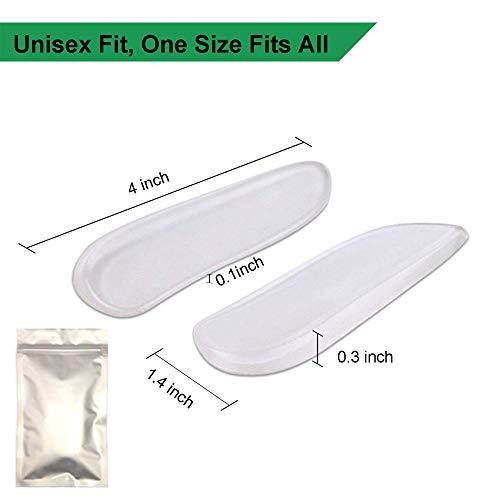
Medial & Lateral Heel Wedge Insoles (5 Pairs)

These silicone heel wedges come in five pairs and snap into the heel to correct tilt. They are thin, flexible, and designed to nudge the foot into a more neutral position. I found them easy to fit in many trainers and daily shoes. They work best when you need a low-profile correction without swapping shoes.
Over short runs they reduced my inward roll and eased aching at the medial knee. The adhesive holds, but I still recommend trimming and testing in a walking session first. These are budget-friendly and great as a trial fix before investing in orthotics. For runners with mild to moderate knock knees, they give a noticeable alignment boost.
Pros:
- Five pairs for long-term testing or rotation
- Thin profile fits most running shoes
- Immediate feel of improved heel alignment
- Flexible silicone cushions impact
- Budget-friendly way to trial correction
Cons:
- Adhesive can weaken with sweat
- Not a replacement for custom orthotics
- May require trimming for snug shoes
My Recommendation
I recommend these insoles as a quick, low-cost trial for anyone exploring the best running shoes for knock knees. They let you test heel-correction without upheaval to your shoe collection. If you’re unsure whether pronation control will help, these give a fast read on alignment and comfort.
| Best for | Why |
|---|---|
| Trial correction | Multiple pairs let you test changes over weeks |
| Budget users | Lower cost than custom orthotics |
| Minimal shoe change | Thin design fits most shoes easily |
BraceAbility Heel Wedge Insoles (Pair)
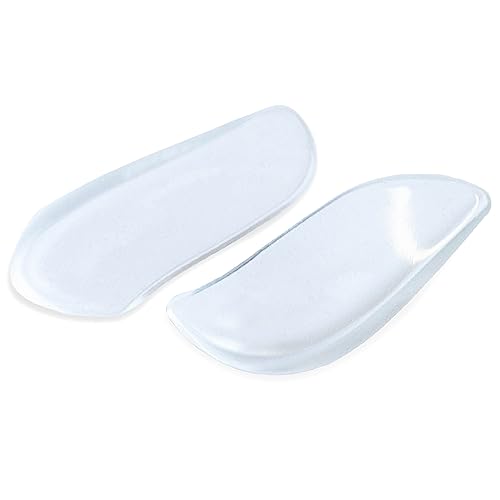
BraceAbility sells a single pair of medial and lateral heel wedges that target supination and pronation. The wedges are firmer than soft gel and deliver a firmer corrective force. I noticed they stabilize the heel well, which translates to reduced inward knee stress.
The pair fits most shoes and can be repositioned if needed. For runners with consistent overpronation due to knock knees, these provide repeatable correction. They’re a solid, simple option if you prefer a reusable insert without full orthotic cost.
Pros:
- Firm corrective wedge supports heel alignment
- Reusable and repositionable
- Durable material holds shape under load
- Small size fits many sports shoes
- Improves tracking for mild pronation
Cons:
- Not cushioned for long-distance comfort
- May feel stiff in softer shoes
- Some users need professional fitting
My Recommendation
If you want a durable test of alignment that lasts, choose BraceAbility wedges. I use them when I need consistent heel control. They’re particularly helpful if you already own shoes but need targeted correction to make them the best running shoes for knock knees.
| Best for | Why |
|---|---|
| Reusability | Wedges hold shape and can be used repeatedly |
| Targeted heel control | Firm correction reduces inward roll |
| Budget orthotic alternative | Lower cost than custom options |
Brooks Adrenaline GTS 23 GTX

The Brooks Adrenaline GTS line is a longtime go-to for runners who need support. The GTS 23 uses GuideRails support to limit excess motion and keep the knee aligned. The GTX version adds waterproofing without sacrificing core stability.
I found the ride balanced—cushioned yet controlled. For many runners with knock knees, the guide system reduces painful inward collapse and delivers confidence on long runs. This shoe blends reliable support with enough cushioning for daily miles.
Pros:
- GuideRails support reduces excess knee motion
- Cushioned but responsive midsole
- Waterproof option for wet runs
- Trusted long-term support shoe model
- Good for daily training and recovery miles
Cons:
- Heavier than minimalist trainers
- May feel bulky to fast runners
- Higher price point for GTX models
My Recommendation
I recommend the Brooks Adrenaline GTS 23 GTX if you want a full-featured stability shoe that helps manage knock knees on longer runs. I pick this shoe when I need consistent control and protection in varied weather. Its GuideRails technology makes it one of the best running shoes for knock knees for daily training and comfort.
| Best for | Why |
|---|---|
| Daily training | Stable, cushioned ride for routine miles |
| Wet conditions | GTX waterproofing keeps feet dry |
| Stability seekers | GuideRails curb excess motion |
Mesh Breathable Women’s Running Shoes

This breathable mesh trainer aims at comfort and everyday wear. It features a shock-absorbing sole and non-slip outsole for varied surfaces. I found them light on the feet and very adaptable to casual runs.
For mild knock knees, a breathable shoe with good cushioning can reduce fatigue. These shoes pair well with medial wedges or insoles if you need extra pronation control. They’re an affordable option for short runs and gym sessions.
Pros:
- Breathable mesh upper for ventilation
- Shock-absorbing midsole reduces impact
- Non-slip outsole for gym and road use
- Lightweight feel eases foot fatigue
- Good value for casual runners
Cons:
- Limited built-in pronation control
- Not ideal for heavy overpronators
- Less durable than premium trainers
My Recommendation
These mesh trainers are a solid entry-level pick if you want comfort and breathability. I pair them with medial insoles when I need extra support. They may not be the single best running shoes for knock knees for severe cases, but they work well for mild issues and gym cross-training.
| Best for | Why |
|---|---|
| Gym & errands | Non-slip and shock-absorbing for multipurpose use |
| Warm-weather runs | Breathable mesh keeps feet cool |
| Budget shoppers | Affordable without sacrificing comfort |
Brooks Revel 7 Neutral Running Shoe

The Brooks Revel 7 is a nimble neutral shoe built for fast road miles and gym workouts. It delivers lively responsiveness and a soft, energetic midsole. I enjoyed how fast it felt while remaining comfortable for tempo runs.
For runners with knock knees who prefer neutral shoes, the Revel 7 can work if paired with corrective insoles. I use neutral trainers when I want a light feel and then add medial wedges to manage inward collapse. This combo gives speed without sacrificing alignment.
Pros:
- Lightweight and responsive ride
- Comfortable foam for tempo and daily runs
- Breathable upper promotes airflow
- Versatile for gym and road use
- Good value for performance feel
Cons:
- No built-in stability features
- Requires insoles for pronation control
- Less protective on rugged trails
My Recommendation
I recommend the Revel 7 for runners who want a fast neutral shoe and plan to use corrective insoles. I personally pair a medial wedge with this shoe to make it one of the best running shoes for knock knees when I need speed and alignment. It’s a great option for club runners and tempo sessions.
| Best for | Why |
|---|---|
| Tempo runs | Responsive midsole for faster paces |
| Neutral preference | Lightweight feel for easy turnover |
| Paired with insoles | Becomes stable with corrective inserts |
Black Non-Slip Athletic Sneakers

These black athletic sneakers focus on grip and general comfort. The sole design helps in gym workouts and slippery surfaces. I used them for cross-training and short runs, appreciating their stable platform.
If you have knock knees and need a stable, flat base for indoor training, these shoes give a reliable feel. They complement medial wedges and offer a straightforward, no-frills option for mixed-activity athletes. They’re not high-end, but they do the job for many runners.
Pros:
- Non-slip outsole for safety
- Comfortable cushioning for varied workouts
- Simple, durable construction
- Versatile for gym and short runs
- Affordable and accessible
Cons:
- Limited motion-control features
- Not designed for long-distance cushioning
- May lack arch support for some users
My Recommendation
Choose these sneakers if you need a dependable gym shoe with good grip and a stable base. I recommend pairing them with insoles to manage alignment. For indoor training and short road runs, they can help make your setup feel like the best running shoes for knock knees without a big investment.
| Best for | Why |
|---|---|
| Gym training | Non-slip sole supports varied movements |
| Short runs | Stable, simple cushioning for quick miles |
| Budget users | Affordable with practical benefits |
JACKSHIBO Wide Toe Box Support Shoes

JACKSHIBO offers a wide toe box, thick cushioning, and flat zero-drop feel. This design eases forefoot pressure and promotes a natural toe splay. I noticed improved stability during lateral movements and less bunion stress.
For runners with knock knees, a wide toe platform can help redistribute forces and improve balance. I recommend using these shoes when you want extra room and arch support without aggressive corrective devices. They pair well with mild heel wedges.
Pros:
- Wide toe box reduces forefoot squeeze
- Thick cushioning for comfort and shock absorption
- Arch support helps reduce strain
- Zero-drop encourages natural foot placement
- Good for prolonged walking and recovery runs
Cons:
- Zero-drop may feel odd initially
- Less structured stability for severe pronation
- Bulky look for some users
My Recommendation
I pick JACKSHIBO when I want comfort and room for orthotics. The wide toe box reduces forefoot pain and helps balance the gait for knock knees. While not a heavy-duty stability shoe, it’s one of the best running shoes for knock knees when you need space plus cushioning for longer easy runs.
| Best for | Why |
|---|---|
| Toe health | Generous forefoot room reduces pressure |
| Recovery runs | Thick cushion soothes tired feet |
| Orthotic-friendly | Extra space accommodates insoles |
Joomra Minimalist Five-Finger Shoes

Joomra’s minimalist shoe puts your foot closer to the ground and promotes natural toe spread. It’s designed for trail, gym, and casual runs where foot strength matters. I felt more foot engagement and improved proprioception after a few weeks.
Minimalist shoes can help some people with knock knees by strengthening the foot and promoting better mechanics. But I caution runners: transition slowly. I only recommend these after you’ve built foot strength and understand how your knees respond to reduced cushioning.
Pros:
- Enhances foot strength and toe splay
- Excellent ground feel and proprioception
- Lightweight and flexible for varied use
- Good for strengthening-based rehab
- Unique style and natural movement
Cons:
- Not suitable as a first-line fix for severe knock knees
- Long transition period to avoid injury
- Less shock absorption on hard surfaces
My Recommendation
I use minimalist shoes selectively once alignment is under control. For runners working on strength and gait retraining, they are a useful tool. If you’re addressing knock knees, treat Joomra as part of a program—not the sole solution—and add it to your rotation when you seek the best running shoes for knock knees through strengthening work.
| Best for | Why |
|---|---|
| Foot strengthening | Increases intrinsic foot muscle work |
| Short technical runs | Great ground feel for balance |
| Gait retraining | Encourages natural mechanics |
ALEADER Energycloud Slip-On

The ALEADER Energycloud slip-on focuses on comfort and easy wear. Its cushioned midsole and slip-on fit make it a favorite for errands and treadmill sessions. I liked how quickly I could get in and out while keeping decent cushioning underfoot.
For runners with knock knees who need a comfortable recovery shoe, this is a practical option. It won’t correct severe pronation, but it pairs well with aftermarket insoles. I recommend it for rest days and travel when comfort matters most.
Pros:
- Convenient slip-on design
- Plush cushioning for recovery
- Lightweight and easy to pack
- Affordable and versatile
- Good for treadmill and casual walks
Cons:
- Limited structural support
- Not meant for hard training runs
- May need insoles for alignment
My Recommendation
I use the ALEADER Energycloud as a go-to recovery shoe after hard sessions. It keeps my feet comfy and reduces post-run soreness. Though not a corrective shoe by itself, it complements other options and can be part of the best running shoes for knock knees strategy for rest and recovery.
| Best for | Why |
|---|---|
| Recovery days | Soft cushioning soothes tired feet |
| Travel | Slip-on convenience and light weight |
| Everyday wear | Comfort for non-training days |
Kapsen Air Cushion Mesh Trainers

Kapsen’s mesh trainers emphasize air cushioning and breathability at a low price. The midsole absorbs impact and the mesh keeps things cool. I found them comfortable for easy runs and daily walking.
For runners with knock knees, they’re a sensible casual option. They don’t offer heavy stability features, but they pair well with wedges or orthotics. If you need a cheap, cushioned shoe for recovery miles, these are worth trying.
Pros:
- Air cushion midsole for impact absorption
- Breathable mesh upper for hot days
- Lightweight and flexible for comfort
- Low-cost option for casual runners
- Suitable for treadmill and short runs
Cons:
- Limited arch and motion control
- Less durable than premium models
- Not for long-distance training
My Recommendation
Kapsen trainers are a budget-friendly, cushioned choice for easy days. I recommend them as secondary shoes in a rotation that includes one stability pair. When building a kit of the best running shoes for knock knees, include these for short, comfortable outings.
| Best for | Why |
|---|---|
| Easy runs | Cushioned midsole soothes impact |
| Hot-weather wear | Mesh upper promotes airflow |
| Budget rotation | Affordable and comfortable |
FAQs Of best running shoes for knock knees
What causes knock knees and how do shoes help?
Knock knees come from bone alignment, muscle imbalance, or long-term gait patterns. Shoes with stability, medial support, or corrective wedges help by reducing inward rolling and improving knee tracking. I recommend combining supportive shoes with strengthening exercises for best results.
Should I use insoles or buy stability shoes?
Start by testing insoles like heel wedges to see if correction helps. Insoles are cheaper and flexible. If you get consistent relief, a stability shoe like Brooks Adrenaline may be a better long-term option because it integrates support into the shoe’s design.
Can minimalist shoes help knock knees?
Minimalist shoes can help strengthen foot muscles and improve mechanics but they require slow transition. I only recommend them after building a base and ensuring your knees handle increased foot work. Use them as part of a training plan, not an instant fix.
How do I choose the best running shoes for knock knees for my gait?
Get a gait analysis if possible. Look for medial support, firm heel counter, and shoes that limit excessive pronation. Try corrective insoles and test shoes on a short run. I always try several options before committing.
When should I see a specialist?
If knee pain persists despite supportive shoes and insoles, see a physical therapist or podiatrist. They can prescribe custom orthotics, targeted exercises, or further assessment. Don’t ignore persistent pain—early action prevents worse issues.
Final Verdict: Which Should You Buy?
For a one-shoe solution, I recommend the Brooks Adrenaline GTS 23 GTX as the top pick for stability, cushioning, and weather protection. It’s my go-to when I need reliable control and comfort for long runs.
If you prefer to test correction first, try medial heel wedges or a BraceAbility pair. Combining insoles with neutral shoes like the Revel 7 can also produce great results among the best running shoes for knock knees.
Madison Clark is a footwear expert and the voice behind MyStyleGrid.com. She specializes in honest shoe reviews, style tips, and practical guides to help readers find the perfect pair for any occasion. With years of experience in blogging and content creation, Madison makes footwear knowledge simple, stylish, and easy to follow.