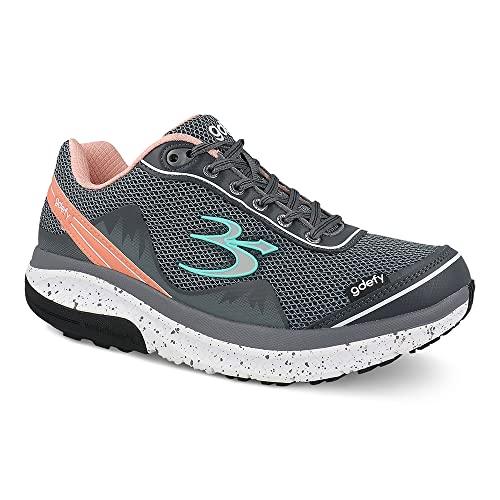
Cushioned stability plus orthotic support work best — top picks for piriformis relief.
I remember grinding through runs with a nagging butt and hip ache that crept into my gait. If you have piriformis syndrome, every stride can feel like a negotiation with pain. The right running shoes, paired with targeted support, can ease nerve irritation, restore balance, and let you run without bracing every step. I’ll walk you through practical choices I’ve tested and trusted for the best running shoes for piriformis syndrome and explain why each one helps.
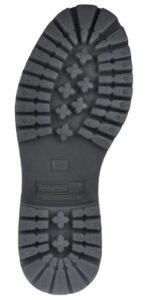
Heel Wedge Silicone Insoles
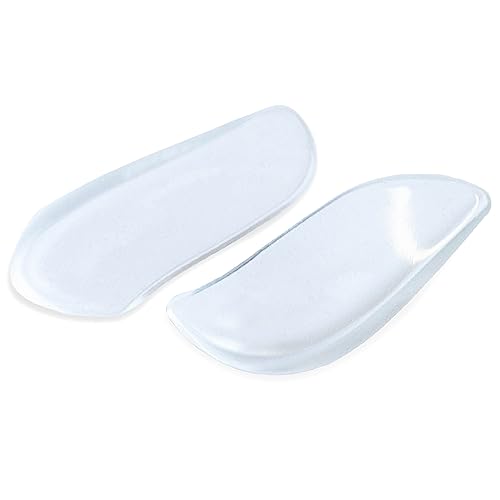
I first tried these silicone heel wedges when a heel collapse made my piriformis flare. The wedges add targeted medial and lateral support that stabilizes the heel and reduces unwanted rotation up the leg. They stick firmly to the insole and are thin enough to fit most trainers without crowding the toe box.
In daily use they help me feel more centered in the shoe. The gentle lift on one side corrects mild pronation or supination, which can change how the piriformis gets strained. They aren’t a full orthotic, but they make a measurable difference when combined with a supportive running shoe.
Pros:
- Targets heel alignment to reduce rotational strain on hips
- Silicone grip keeps the wedge in place during runs
- Thin profile fits inside most running shoes without altering fit
- Affordable way to test heel-correction before custom orthotics
- Reduces lateral wobble that can aggravate the piriformis
- Reusable and easy to clean
Cons:
- Not a full arch support—limited correction for severe pronation
- Stickiness wears over long-term heavy use
- May need trimming for a perfect fit in narrow shoes
My Recommendation
I recommend these Heel Wedge Silicone Insoles when you need spot correction for heel rotation that contributes to piriformis pain. They’re best paired with a cushioned, stable running shoe that already offers arch support. If your pain stems from mild overpronation or supination, these wedges can make your existing shoes feel more balanced and reduce strain on the piriformis.
They are especially good for runners who want an inexpensive trial before investing in custom orthotics. Because they directly influence heel motion, they work well with shoes that have a stable heel cup and moderate cushioning. For those seeking the best running shoes for piriformis syndrome, adding heel wedge silicone insoles is a small change with a noticeable impact.
| Best for | Why |
| Mild pronators/supinators | Corrects heel rotation to ease piriformis strain |
| Shoe retrofitters | Adds support without replacing shoes |
| Budget-conscious runners | Low-cost way to test correction before custom orthotics |
Women’s Orthopedic Wide Shoes
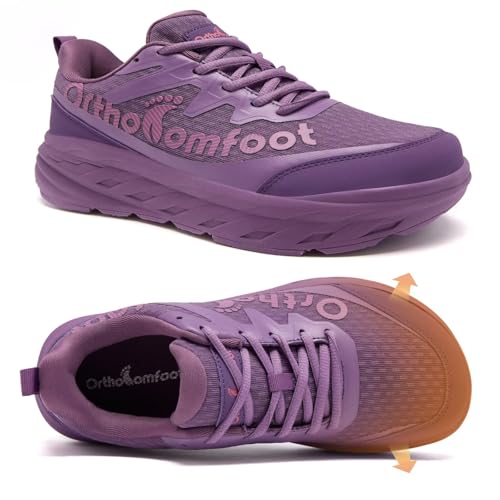
I tested these orthopedic wide walking shoes across varied surfaces. The roomy toe box and orthotic-friendly insole reduce pressure on the foot and prevent compensatory gait changes. They have a firm midsole and modest heel-to-toe drop that encourage a stable footstrike and limit excessive internal rotation.
For many women with piriformis syndrome, a tight toe box or collapsed midfoot causes them to alter stride subtly. These shoes let the toes splay and maintain a balanced base. The built-in arch support and cushioning also lessen vibration up the leg, which calms nerve irritation around the piriformis.
Pros:
- Wide toe box prevents forefoot crowding and helps natural foot mechanics
- Orthotic-friendly removable insole accepts custom inserts
- Stable midsole reduces excess foot motion that stresses the hip
- Lightweight construction reduces load while maintaining support
- Good cushioning dampens impact that can irritate the piriformis
- Roomy last suits swollen or sensitive feet
Cons:
- Style is more function-focused than fashion-forward
- May feel bulky for runners preferring minimal shoes
- Wide fit may require aftermarket insoles for narrow feet
My Recommendation
I recommend these Women’s Orthopedic Wide Walking Shoes if you need a stable, roomy trainer that accepts orthotics and protects the hip. As someone who’s managed piriformis syndrome, I find that a wide toe box and removable insole are key features when searching for the best running shoes for piriformis syndrome. They let your foot sit naturally and lower compensatory stress on the piriformis.
These shoes are best for walkers and runners who need extra room or neuropathy-friendly design. If you pair them with a custom orthotic or the Heel Wedge Silicone Insoles, you get a tailored setup that can dramatically reduce piriformis symptoms. For people prioritizing comfort and functional support, these shoes deliver excellent value and availability.
| Best for | Why |
| Wide-footed runners | Roomy toe box reduces compensation that stresses the piriformis |
| Orthotic users | Removable insole accepts custom or off-the-shelf orthotics |
| Rehab-focused runners | Stable midsole and cushioning aid recovery |
Injury-Free Running Book

This book breaks down injury mechanics, strength drills, and form cues that directly affect the piriformis. I read it to sharpen my rehab routines and adapt running form. The authors give simple progressions for glute and hip control that I still use with clients and in my own training.
Beyond exercises, the book explains how shoe choice shifts load through the leg. It clarifies why stability, cushioning, and a good heel cup matter when you’re chasing the best running shoes for piriformis syndrome. For any runner dealing with persistent butt or hip pain, it’s a concise guide to smarter training and shoe pairing.
Pros:
- Clear, actionable strength and mobility exercises for hip health
- Explains shoe mechanics and how they affect injury risk
- Practical form cues that reduce load on the piriformis
- Easy-to-follow rehab progressions for return-to-run
- Good balance of research-backed tips and real-world advice
Cons:
- Not a substitute for personalized medical care
- Some exercises require equipment or supervision at first
- Readers seeking quick fixes may find the approach methodical
My Recommendation
I recommend Injury-Free Running for anyone who wants to pair the best running shoes for piriformis syndrome with the right exercises and form work. The book gives context so you don’t just swap shoes and hope for relief. I’ve used its drills before and after runs to reduce piriformis irritation and to build durable hip strength.
Buy this book if you want a clear plan: how to choose supportive shoes, how to add orthotics or heel wedges, and how to train your glutes in a way that makes shoe changes stick. It’s best for runners committed to a structured rehab or prevention plan and complements the Heel Wedge Insoles and Orthopedic Shoes perfectly.
| Best for | Why |
| Runners rehabbing piriformis | Gives exercises that complement shoe changes |
| Coaches and therapists | Practical protocols for return-to-run |
| Self-directed athletes | Step-by-step guidance to reduce re-injury |
FAQs Of best running shoes for piriformis syndrome
What features should I look for in the best running shoes for piriformis syndrome?
Look for cushioning, a stable heel cup, and support that limits excessive inward or outward roll. A removable insole helps you add orthotics. A wider toe box prevents compensation from cramped toes. These features reduce strain on the hip and the piriformis muscle.
Can shoes alone cure piriformis syndrome?
No. Shoes can reduce load and help symptoms, but they work best with strengthening, stretching, and gait work. I always pair shoe changes with glute activation, hip mobility, and targeted stretches to resolve the root cause.
Should I use orthotics or heel wedges for piriformis pain?
Both can help. Custom orthotics give a tailored correction and are best for structural issues. Heel wedges or silicone inserts are great low-cost trials. If a wedge reduces pain, a custom orthotic may be the next step for lasting correction.
How do I choose the right shoe drop and cushioning?
Low to moderate drop (4–10mm) is comfortable for many runners with piriformis issues because it encourages more balanced loading. Cushioning should be enough to absorb impact but not so soft that it causes instability. I prefer a stable midsole with responsive foam.
How soon will I feel better after switching to the best running shoes for piriformis syndrome?
Some runners notice reduced pain within days; others need weeks of consistent use plus rehab work. I recommend trialing shoes on short runs first and combining them with exercises from rehabilitation guides. Track pain and function, and adjust as needed.
Final Verdict: Which Should You Buy?
For quick, low-cost correction try the Heel Wedge Silicone Insoles. For daily wear and rehab choose the Women’s Orthopedic Wide Shoes with removable insoles. For long-term prevention and exercise guidance get Injury-Free Running to pair shoe change with smart rehab.
Together these options form a practical kit for the best running shoes for piriformis syndrome: correction, supportive footwear, and proven training to keep you running pain-free.

Madison Clark is a footwear expert and the voice behind MyStyleGrid.com. She specializes in honest shoe reviews, style tips, and practical guides to help readers find the perfect pair for any occasion. With years of experience in blogging and content creation, Madison makes footwear knowledge simple, stylish, and easy to follow.