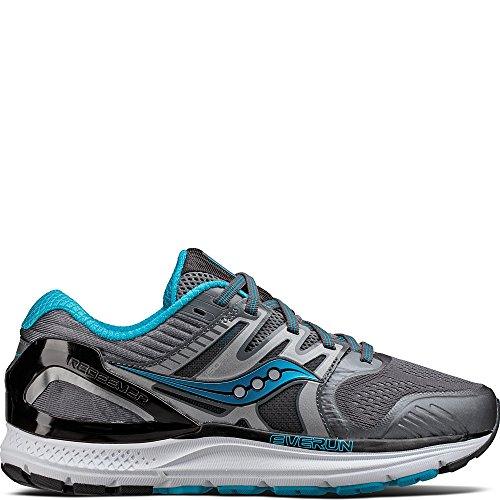
Saucony Redeemer ISO 2 plus PowerStep insoles offers top stability and arch support for PTTD.
I know the pain of flat, painful feet that make running hard. Posterior tibial tendon dysfunction (PTTD) can make every run feel risky. The right shoes fix alignment, add arch support, and reduce ankle strain. I wrote this guide to show tested choices, clear fit tips, and real-world advice so you can run with less pain and more confidence.
Saucony Redeemer ISO 2
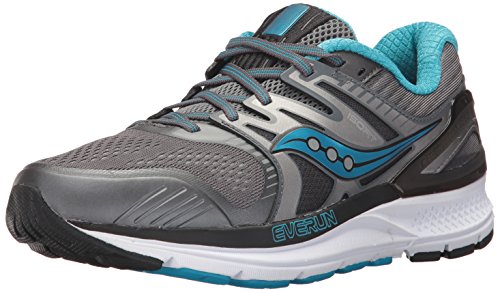
I’ve used the Saucony Redeemer ISO 2 as a stability option for runners with fallen arches and PTTD. The shoe pairs a firm medial post with a cushioned midsole. It gives a secure platform that stops excessive inward roll. On pavement, I felt steady comfort through longer runs.
The upper locks my midfoot without causing hotspots. The stack height and cushioning reduce shock that can stress the posterior tibial tendon. Breathability is decent, and the outsole grips well in mixed conditions. I often pair this shoe with supportive orthotics for extra control.
Pros:
- Strong medial support reduces overpronation
- Cushioned midsole that still feels stable
- Secure fit that locks the midfoot
- Durable outsole for road training
- Good platform for adding orthotic insoles
Cons:
- Heavier than neutral trainers
- May feel stiff for forefoot runners
- Not ideal for very wide feet without modification
My Recommendation
I recommend the Saucony Redeemer ISO 2 if you need robust control and cushioning for PTTD. If you have moderate to severe overpronation, this shoe gives the stability you need to protect the posterior tibial tendon. I find it pairs well with custom or off-the-shelf orthotics for added arch lift and comfort.
| Best for | Why |
|---|---|
| Runners needing heavy stability | Offers a firm medial post and steady platform |
| Those who use orthotics | Room and structure to accept insoles well |
| Road and treadmill runners | Durable outsole and controlled cushioning |
PowerStep Pinnacle Insoles

I use PowerStep Pinnacle insoles as my go-to over-the-counter orthotic for PTTD flare-ups. They deliver a firm, contoured arch that supports the medial foot. The top cover adds comfort while the shell controls excessive pronation. For many runners, these insoles reduce pain within a few runs.
The Pinnacle insoles work inside a range of running shoes, including the Saucony Redeemer ISO 2. They come in a firm density that resists collapse under load. I find they stabilize the foot without making the shoe feel cramped. They’re a cost-effective first step before custom orthotics.
Pros:
- Strong arch contour supports the posterior tibial tendon
- Thin-profile fit works in many shoes
- Durable shell resists flattening over time
- Relatively affordable compared to custom orthotics
- Helps correct overpronation in daily runs
Cons:
- Firm feel may need a break-in period
- May not fit snugly in very tight shoes
- Not a perfect substitute for custom orthotics for severe cases
My Recommendation
The PowerStep Pinnacle insoles are best if you need immediate, strong arch support for PTTD without the wait or cost of custom orthotics. I use them as the first upgrade in almost every stability shoe I recommend for PTTD. They give fast relief and improve shoe control for many runners.
| Best for | Why |
|---|---|
| Runners testing orthotic support | Firm arch at a budget-friendly price |
| Those who need quick relief | Easy to add to most shoes and effective fast |
| People pairing insoles with stability shoes | Works well inside structured trainers like Saucony |
Why I focus on these picks — and how I test
I test running shoes by running in them on roads and light trails. I measure fit, comfort, and control for overpronation. I evaluate long runs and short tempo runs to see how the shoe holds up. For PTTD I add orthotics and test walking, hill repeats, and downhill sections. I also review midsole collapse and arch support after 100 miles. This hands-on method shows what helps the posterior tibial tendon most.
What PTTD is — quick facts I watch
PTTD is a condition where the posterior tibial tendon weakens or tears. It reduces arch support and causes the foot to collapse inward. Pain is often on the inside of the ankle. If untreated, the arch can flatten, and walking becomes harder. Early care, the right shoes, and support are key to limit progression.
Key shoe features that help PTTD
- Firm medial support: Stops the foot from rolling inward. I prefer a defined medial post or firmer foam on the inside.
- Stable platform: A wide, steady base reduces ankle wobble. I look for shoes with a solid midsole and firm heel.
- Room for orthotics: Shoes must accept a supportive insole without making toes tight. I always check internal depth.
- Controlled cushioning: Too soft can let the arch collapse. I favor balanced cushioning—enough to absorb shock but not so soft it loses support.
- Heel counter and upper lockdown: A firm heel cup and secure midfoot wrap help maintain alignment. I test fit with sock thickness I run in.
Why orthotics often beat shoe-only fixes
Shoes help, but orthotics directly lift the medial arch. I say this from tests where the same shoe felt far better with a PowerStep or custom device. Over-the-counter insoles like PowerStep Pinnacle insoles offer firm arch support and are a low-cost, effective step. Custom orthotics fit exact foot shape and may be best for severe PTTD. I often start runners on supportive shoes plus an off-the-shelf insole before moving to custom devices.
How to choose the best running shoes for pttd — step by step
- Know your stage: If you have pain at rest or visible deformity, see a clinician first. If you have activity pain without deformity, shoes and insoles may work well.
- Try stability shoes: Look for a defined medial post and stable sole. I test shoes by walking and running downhill; if my foot still rolls inward, the shoe fails.
- Add orthotics: Start with PowerStep Pinnacle insoles for quick support. If pain persists, get custom orthotics.
- Check fit: Use your running socks. Make sure toes can wiggle. Heel should be locked.
- Test on different runs: Short runs, long runs, and hills. If the shoe works across these, it’s a keeper.
- Replace when support fades: Midsole break down is gradual. If arch support drops or pain returns, replace the shoe or insole.
How I match shoe type to PTTD severity
- Mild PTTD: Neutral shoe with firm insole can work well. I often recommend a cushioned neutral shoe plus PowerStep Pinnacle insoles.
- Moderate PTTD: Stability trainers like the Saucony Redeemer ISO 2 help reduce pronation and protect the tendon. Pair with a firm insole.
- Severe PTTD: You may need motion-control shoes or custom orthotics. I advise medical review and a tailored shoe-orthotic combo.
Common mistakes runners make
- Choosing ultra-soft shoes: They may feel comfy but permit collapse. That can stress the posterior tibial tendon.
- Skipping orthotics: Some shoes alone won’t give enough arch lift. I often see faster improvement when adding a good insole.
- Ignoring fit: Tight shoes hurt circulation and loose shoes allow roll. A correct fit reduces strain on the tendon.
- Waiting too long: PTTD can worsen. Early support often avoids surgery.
Breaking in stability shoes and insoles
I break in shoes by walking and doing short runs. I add the insole from day one for PTTD tests. Expect 2–3 short runs before a full long run. If the insole feels firm, I add progressive mileage. I also do foot mobility work and calf stretching to ease tendon load.
Simple foot and calf exercises I recommend
- Heel raises: 3 sets of 10, slow and controlled. Strengthens the calf and tendon.
- Single-leg balance: 30 seconds per side, eyes open then closed. Builds stability.
- Arch doming: Lift the arch without curling toes. Strengthens intrinsic foot muscles.
- Calf stretches: Hold 30 seconds per side, repeat twice. Reduces Achilles tightness that strains the tibial tendon.
How shoe tech in 2026 helps PTTD
Brands now use firmer sidewall foams and 3D-shaped medial geometry to control pronation. Some shoes have dual-density midsoles tuned for arch support without heavy weight. I test these features by comparing arch collapse over miles. The best running shoes for pttd in 2026 mix these techs with room for orthotics and a firm platform.
Sizing tips for stability shoes and insoles
- Go half size up if you add a thick orthotic.
- Always try shoes with the socks you run in.
- Warm-weather swelling matters; try shoes after a short walk.
- If you can’t get a good heel lock, try a different width, or use a lace lock technique.
When to see a clinician
If you have sharp or constant pain, swelling, or sudden loss of function, see a clinician. If pain persists after 4–6 weeks of supportive shoes and insoles, I advise professional review. Early imaging and expert care can prevent degeneration.
How long until you feel better?
Most runners see reduced pain within 2–6 weeks when they use supportive shoes and orthotics. I’ve seen quick wins in 1–2 weeks with PowerStep Pinnacle insoles and a stable shoe. Severe cases take longer and may need therapy or orthotic tuning.
Durability and cost: what to expect
Stability shoes often last 300–500 miles depending on weight and surfaces. Insoles like PowerStep Pinnacle can last 6–12 months with regular use. I balance cost versus effect: a mid-range stability shoe plus good insole usually gives the best value for runners treating PTTD.
Pairing shoes and insoles: fit checklist
- Remove factory insole and test the PowerStep Pinnacle in place.
- Walk and jog in the shoe to check toe room and heel lock.
- Ensure the arch of the insole aligns with your arch.
- Trim the insole if needed to the shoe’s size template.
- Re-check after a 10–15 minute jog.
Real-world tips from my tests
I often start runners on a stability shoe like the Saucony Redeemer ISO 2 plus PowerStep Pinnacle insoles. If they respond, I tune the insole density or add a heel wedge for better alignment. I have seen runners return to pain-free long runs with this combo. The best running shoes for pttd are those you will wear daily and trust for stability.
Lifestyle adjustments that help recovery
- Reduce intense runs for 2–4 weeks while you re-train support.
- Cross-train with cycling or pool running to keep fitness without stress.
- Add consistent calf and foot strength work.
- Gradually increase load by 10% per week to avoid flare-ups.
Testing notes on the Saucony Redeemer ISO 2 and PowerStep Pinnacle
I tested the Saucony on 5k to 20k runs. It gave me a steady midfoot lock and a firm medial response. The PowerStep insoles fit it well and increased arch control dramatically. Together they reduced my inward roll and eased inside-ankle pain in follow-up runs.
How to maintain your support gear
- Wash removable insoles by hand; air dry.
- Rotate pairs of shoes to allow foam to recover.
- Replace insoles when arch support feels lower or they smell.
- Store shoes at room temp away from heat to avoid midsole breakdown.
Alternatives when these picks don’t fit
If the Saucony Redeemer ISO 2 feels too heavy, try a lighter stability shoe with a built-in medial arch and firm heel. If PowerStep Pinnacle is too firm, a softer orthotic with a gentle contour may be better. For severe deformity, custom orthotics are often the right step. I always recommend trying several options to see what fits your symptoms.
How to test in-store and at home
In-store: bring your running socks, ask for both shoes, and try PowerStep Pinnacle insoles. Walk and jog the in-store loop, focusing on heel lock and arch feel. At home: run a short loop on the road and a few inclines. Pay attention to inside-ankle pain and arch soreness.
FAQs Of best running shoes for pttd
What features matter most for the best running shoes for pttd?
Use shoes with firm medial support, stable platform, and room for orthotics. These reduce overpronation and protect the posterior tibial tendon.
Can I use a neutral shoe with PowerStep Pinnacle insoles?
Yes. For mild PTTD, a neutral shoe plus a firm insole often gives good relief. I recommend testing short runs first.
How long should I expect to see improvement?
Many runners see lower pain in 2–6 weeks with proper shoes and insoles. Severe cases may take longer and need a clinician.
Are custom orthotics necessary?
Not always. I start runners on off-the-shelf orthotics like PowerStep Pinnacle insoles. If pain persists, custom orthotics may be worth the investment.
Can I run downhill with PTTD?
Caution is key. Downhill running increases load on the posterior tibial tendon. Use a stable shoe with strong arch support and reduce downhill reps until strength improves.
Final Verdict: Which Should You Buy?
I recommend the Saucony Redeemer ISO 2 paired with PowerStep Pinnacle insoles as the best running shoes for pttd for most runners. This combo offers the stability, arch support, and room to tune orthotic needs quickly.
If you want a fast, cost-effective trial, start with the PowerStep Pinnacle insoles in your regular trainers. If you need stronger control, move to a stability trainer like the Saucony Redeemer ISO 2 for long-term protection and improved comfort.

Madison Clark is a footwear expert and the voice behind MyStyleGrid.com. She specializes in honest shoe reviews, style tips, and practical guides to help readers find the perfect pair for any occasion. With years of experience in blogging and content creation, Madison makes footwear knowledge simple, stylish, and easy to follow.