The best sandals for diabetic neuropathy combine a wide fit, soft support, adjustability, and a smooth, low-pressure footbed.
A summer walk can feel risky when numb feet do not warn you about heat, rubbing, or a small stone. Tight straps may leave marks, while hard soles can make each step feel like a tap on a bruise. The right sandals help reduce these problems with room for swelling, gentle support, and a stable sole. I reviewed the listed styles with those needs in mind. Still, sandals cannot treat neuropathy or replace medical care. Check your feet each day, break in new footwear slowly, and ask your podiatrist about any sore spot that does not heal.
FitVille Men’s Diabetic Sandals, Black 10W

The FitVille black sandal is built for men who need extra room without giving up a clean, casual look. Its wide 10W format can be helpful for broad feet, bunions, or mild swelling. The open design lets air move around the foot during warm weather. I also like the adjustable straps because they let you fine-tune the fit instead of forcing your foot into one fixed shape.
Arch support adds a useful layer for daily walks and errands. The sandal appears aimed at comfort rather than speed, so I would pair it with short, easy outings at first. People with reduced feeling should still check the inside for rough seams and check the skin after wear. As a candidate for the best sandals for diabetic neuropathy, this FitVille model stands out for its roomy shape and easy adjustment.
Pros:
- Wide 10W fit gives toes more space
- Adjustable straps help manage changing foot volume
- Arch support can improve everyday walking comfort
- Open construction helps release heat
- Black color works with casual clothing
- Useful option for men with broad or swollen feet
Cons:
- Open sandals offer less protection from sharp objects
- The wide shape may feel loose on narrow feet
- Some users may want a softer or more cushioned footbed
How I Would Use It
I would choose this pair for grocery trips, porch time, light walks, and other low-risk daily tasks. The adjustable straps matter because feet can swell as the day goes on. I would loosen them before they press into the skin, then check for red marks after taking the sandals off. That simple routine is especially important when neuropathy dulls normal pain signals.
The roomy front is another practical strength. Toes should not touch the front edge or push against one another. I would measure both feet late in the day and compare the larger foot with the seller’s size chart. If a person has an active ulcer, severe swelling, or a foot shape that changes quickly, a clinician should guide the footwear choice.
My Recommendation
This FitVille black sandal is best for men who want a wide, adjustable sandal for normal summer use. It suits broad feet, mild swelling, and shoppers who prefer a simple black style. It is not a substitute for a protective medical shoe, but it offers the core features I look for in the best sandals for diabetic neuropathy: space, adjustability, airflow, and support. Availability and size selection can change on Amazon, so confirm the fit before ordering.
BLSART Wide Diabetic Sandals for Men

BLSART takes a practical approach to warm-weather foot comfort. The wide toe area gives the forefoot room, which can help when toes feel crowded or feet swell. Its adjustable design lets the wearer change the fit through the day. The open toe also keeps the sandal from trapping as much heat as a closed shoe.
This pair may appeal to men who want a sandal for travel, outdoor use, or casual walking. I would not treat the word “diabetic” on a product page as proof that it is safe for every foot condition. The real test is whether the sandal stays smooth, stable, and free of pressure points. For shoppers comparing the best sandals for diabetic neuropathy, BLSART offers a strong focus on adjustability and roomy comfort.
Pros:
- Wide toe area helps reduce crowding
- Adjustable straps support a more personal fit
- Open toe improves ventilation in hot weather
- Designed for swollen feet and foot pain concerns
- Suitable for casual travel and outdoor summer plans
- Easy style for shorts, jeans, or relaxed clothing
Cons:
- Open toes leave more of the foot exposed
- Outdoor use still requires care around rocks and hot ground
- Fit may vary for people with narrow heels
Comfort and Protection Notes
A sandal for neuropathy needs more than a soft feel on day one. It must keep the foot from sliding, since sliding can cause rubbing that a person may not feel. I would set each strap so the foot feels secure but never squeezed. A finger should fit under a strap without leaving a deep mark.
I would also reserve this pair for clean, dry paths. Beach sand, gravel, and hot pavement can create hazards for numb feet. Before each wear, I would shake out the sandal and run a hand over the footbed to find grit. These habits support the daily foot checks recommended by diabetes care professionals.
My Recommendation
I recommend BLSART for men who need a roomy summer sandal and expect their feet to change size during the day. It is a good match for casual travel, light walks, and warm outdoor settings where airflow matters. The wide toe design and adjustable fit make it one of the more practical choices among the best sandals for diabetic neuropathy. Use extra caution on rough ground, and stop wearing it if you see redness, blisters, or skin damage.
Women’s Wide Orthopedic Diabetic Hiking Sandals

This women’s orthopedic sandal targets several common comfort needs in one design. It offers a wide shape, hook-and-loop adjustment, arch support, and an open upper. Those features may help women who deal with swelling, plantar fascia discomfort, heel pain, or a broad forefoot. The hiking-inspired style also looks more ready for walking than a basic flat beach sandal.
I see the hook-and-loop closure as the main advantage. It allows small fit changes without forcing the foot through a tight strap. The dark color hides everyday marks and pairs well with active clothing. Among the best sandals for diabetic neuropathy, this is a flexible option for women who want support for walks but need to monitor pressure with care.
Pros:
- Wide design gives the forefoot extra room
- Hook-and-loop straps allow quick adjustments
- Arch support may help reduce foot strain
- Useful for women with mild swelling or heel discomfort
- Breathable open style suits summer weather
- Hiking look works for walking and casual activity
Cons:
- Arch shape may not suit every foot
- It may feel more structured than a soft house sandal
- Not ideal for active wounds or unprotected rough trails
What Makes It Different
Many sandals focus only on softness. This model adds structure, which can help a person who feels tired after standing. Still, support is personal. A high arch can feel helpful to one user and create pressure for another, so I would test it at home for short periods.
The hiking design may encourage longer walks, but neuropathy calls for a slow start. I would wear it for 15 to 20 minutes, inspect the skin, and increase time only if there are no marks. A smooth fit is more important than a long walk. If the heel lifts or the foot slides forward, I would adjust the straps or try another size.
My Recommendation
This sandal is best for women who want a wide orthopedic style with useful strap control and moderate walking support. It may suit people with plantar fascia or heel comfort concerns, as long as the foot has no open sore and the arch feels right. For many shoppers, it is a well-rounded entry in the best sandals for diabetic neuropathy category. I especially value its adjustable closure for feet that swell later in the day.
YINGCSM Men’s Open-Toe Wide Sandals

YINGCSM combines a wide fit with a lightweight, breathable mesh upper. That mix can feel appealing when heavy shoes make the feet hot or tired. The open toe gives the toes more freedom, while adjustable straps help hold the sandal in place. An arch-support feature adds a little more structure than a flat flip-flop.
This is the kind of sandal I would consider for errands, relaxed walks, and indoor-to-outdoor use. The light build may help reduce the feeling of dragging a heavy shoe. However, light footwear should still have a stable base and a secure fit. It earns a place among the best sandals for diabetic neuropathy for shoppers who value airflow and low weight.
Pros:
- Wide width helps reduce side pressure
- Breathable mesh can keep feet cooler
- Open toe gives toes room to move
- Adjustable straps support a custom fit
- Lightweight build may reduce walking fatigue
- Arch support adds structure for daily use
Cons:
- Mesh may provide less protection than a closed upper
- Light sandals may not feel firm enough for every user
- Open toes are not suited to every outdoor surface
Breathability in Daily Wear
Heat and moisture can make skin more fragile. A breathable upper may help, but it does not replace foot care. I would keep the sandal dry and avoid wearing it on wet ground for long periods. After use, I would check between the toes and around each strap.
People with neuropathy often need to think like a detective. A small change in color, warmth, or swelling can matter even when the foot does not hurt. I would compare both feet each day and report unusual changes to a health professional. The sandal should make movement easier, not hide a problem.
My Recommendation
YINGCSM is best for men who want a light, airy sandal with a wide shape and adjustable straps. It works well for warm days, light errands, and users who dislike bulky footwear. I would choose it for comfort-focused use rather than rugged hiking. As one of the best sandals for diabetic neuropathy, its strongest points are breathability, low weight, and flexible fit control.
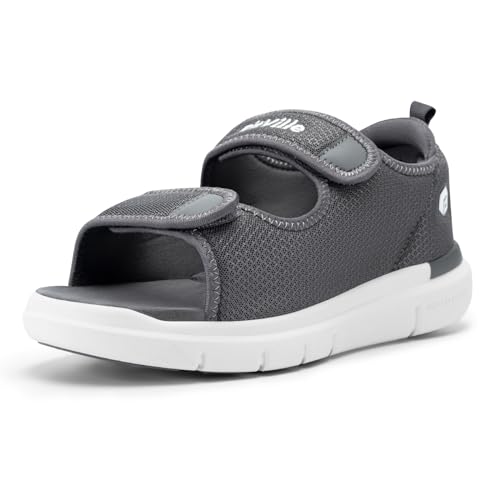
FitVille Men’s Diabetic Sandals, Gray 10W

The gray FitVille sandal offers the same comfort-minded idea as the black version while giving shoppers another color choice. Its wide 10W shape can help create space for broad feet and mild swelling. Adjustable straps make it easier to fit the sandal in the morning and later in the day. Arch support may also help users who find flat sandals tiring.
Gray can be a useful middle ground for daily wear because it looks less formal than black but still hides small marks. I would use this style for routine activity on smooth surfaces. As always, the product name alone does not confirm that it meets a person’s medical needs. In my view, it belongs on a shortlist of the best sandals for diabetic neuropathy because it focuses on fit before fashion.
Pros:
- Wide 10W size gives the foot more breathing room
- Adjustable design can accommodate daily swelling
- Arch support may improve standing comfort
- Gray color suits many casual outfits
- Open style helps reduce heat buildup
- Good option for men who prefer a neutral color
Cons:
- Wide sizing may not hold a narrow foot securely
- Open construction leaves toes exposed
- It may not provide enough protection for rough trails
Black Versus Gray
The main difference here is style, not the basic comfort goal. I would pick gray for everyday outfits and black for a more polished look. Both color choices still require the same careful fitting process. A neutral color cannot make up for a poor fit.
When trying the sandal, I would stand up and check that the heel stays centered. I would also make sure the toes do not hang over the front edge. The footbed should support the foot without creating a hard ridge under the toes or heel. These small checks can prevent a simple sandal from becoming a skin problem.
My Recommendation
The gray FitVille is best for men who want a wide, adjustable sandal in a soft-looking neutral color. It is a sensible choice for home use, errands, and easy walks on clear paths. I would recommend it to shoppers who value room and arch support more than a slim fashion shape. For that reason, it remains a dependable contender among the best sandals for diabetic neuropathy, subject to proper sizing and daily inspection.
FitVille Men’s Diabetic Sandals, Blue 9W

This blue FitVille model brings the same wide-width concept to a slightly smaller 9W size. That can help men who need extra forefoot room but do not wear a size 10. The blue color adds a more casual feel, and the adjustable straps make fit changes simple. Arch support gives the sandal more shape than a thin, flat sole.
Size accuracy matters even more than color or brand when neuropathy is present. I would measure both feet and order for the larger foot, while allowing enough space for natural movement. The sandal should not pinch the sides or let the foot slide. Among the best sandals for diabetic neuropathy, this pair is a useful choice for men seeking wide comfort in a smaller size.
Pros:
- 9W size may suit men who need wide room in a shorter length
- Adjustable straps help fine-tune pressure
- Arch support offers more structure than a flat sandal
- Blue color adds a relaxed everyday look
- Open design supports airflow
- Wide shape can help reduce toe crowding
Cons:
- Blue may not suit formal outfits
- Users between sizes may need careful measuring
- Open toes provide limited protection from impact
Fit Tips for the 9W Size
A wide shoe is not always a longer shoe. The toes need width and length, but extra length can make the foot slide forward. I would place the heel fully back, stand naturally, and check for a small gap in front of the longest toe. If the foot moves when walking, I would adjust the straps before deciding the size is wrong.
I would also try the sandal with the socks, if any, that I plan to wear. A bare-foot fit can change when a thin sock is added. I would test it indoors on a clean floor and look at the skin after each short session. This method helps catch trouble before a longer walk.
My Recommendation
This blue 9W FitVille sandal is best for men who need a wide fit but prefer a size 9 length. It suits casual summer wear, short walks, and people who like a brighter color. I would place it among the best sandals for diabetic neuropathy for its roomy shape and adjustable support, provided the length is correct. Confirm measurements and inspect the foot after each wear.
Wide Barefoot Beach and Water Shoes

These wide water shoes are different from the orthopedic sandals above. They cover more of the foot, which can help protect against sand, small stones, and rough pool edges. The barefoot style aims to keep the shoe flexible and close to the ground. That may appeal to users who want a beach shoe rather than an open walking sandal.
For diabetic neuropathy, extra coverage can be useful around water, but flexibility is not the same as support. I would not choose this pair for long walks if I need strong arch control or firm cushioning. I would use it for brief pool, beach, or water activities on safe surfaces. It is a different but worthwhile option when comparing the best sandals for diabetic neuropathy and protective warm-weather footwear.
Pros:
- Covers more of the foot than an open sandal
- Wide shape may reduce toe crowding
- Useful around pools, beaches, and water areas
- Flexible design can feel natural during short activities
- Helps limit contact with sand and small stones
- Works for both women and men
Cons:
- Barefoot design may offer limited arch support
- Not the best choice for long walks or weak balance
- Wet shoes can hold moisture against the skin
- Water footwear still cannot prevent every puncture or burn
When Water Shoes Make Sense
Water shoes solve a different problem from sandals. They create a layer between the foot and the ground, which can be helpful when a person cannot feel sharp shells or hot surfaces. Yet water also softens skin and increases the risk of rubbing. I would remove the shoes after water use, dry the feet well, and inspect every part of the skin.
I would avoid wearing them for hours at a time. A flexible, low-profile sole can make a person feel each surface, and that may not suit someone with balance problems. If the foot needs firm support, a stable walking sandal or therapeutic shoe is a better match. The safest choice depends on the activity, not just the product label.
My Recommendation
I recommend these wide water shoes for people who need more foot coverage at the beach or pool. They are best for short water activities, not as a daily replacement for a supportive diabetic sandal. Their roomy fit and protective upper make them a useful companion to the best sandals for diabetic neuropathy. Dry them fully between uses and stop if moisture, rubbing, or pressure appears.
How I Evaluate Sandals for Diabetic Neuropathy
Neuropathy may reduce the ability to feel heat, pressure, cuts, and friction. That changes the way I judge footwear. A sandal can feel soft yet still create a harmful spot. I look first for a smooth interior, enough room, a secure fit, and a sole that does not twist too easily.
I also consider how a person will use the sandal. A pool shoe needs different traits from an everyday walking sandal. A person with swollen feet needs more adjustment than a person with stable foot size. There is no single pair that fits every need, but the best sandals for diabetic neuropathy should never force comfort through pain or pressure.
1. Room for the Toes
The toes should spread without pressing into the sides. A narrow front can cause rubbing, blisters, and pressure on bunions. I prefer a rounded, roomy toe area over a pointed fashion shape. The longest toe should not touch the front edge.
Extra room does not mean the sandal should be oversized. If the foot slides, the toes may grip the footbed and become tired. The heel should sit in the rear section, and the straps should hold the foot without digging into it. Good fit feels like a gentle handshake, not a clamp.
2. Adjustable Straps
Feet often swell during the day. Heat, standing, travel, and activity can all change the fit. Hook-and-loop straps are helpful because they allow small changes without buying another pair. I would rather see several gentle adjustments than one tight strap.
Straps should lie flat against the skin. Buckles and rough edges deserve close inspection. If a strap leaves a deep line that remains after the sandal comes off, the fit needs attention. People with numb feet may need a family member or caregiver to check areas they cannot see well.
3. Cushioning and Support
A supportive footbed can reduce fatigue during standing and walking. Arch support may help some people, but it is not a universal cure for foot pain. The support should feel even, not like a hard lump. I would test the sandal indoors before using it outside.
Cushioning also needs balance. A very soft sole can feel pleasant but may reduce stability. A very firm sole can create pressure under the heel or ball of the foot. The right middle ground gives comfort while keeping the foot steady.
4. Stable Outsole
A sandal should stay flat when you walk. I look for a sole that resists unwanted twisting and offers grip on clean, dry surfaces. Poor traction increases the chance of a slip, which can cause serious harm when balance is already affected.
Still, tread is not a license to walk anywhere. Wet tile, loose gravel, hot pavement, and uneven trails remain risky. I would match the outsole to the planned activity and use a closed, protective shoe when the ground is uncertain.
5. Smooth Materials
Seams, edges, and rough lining can create a wound before a person notices. I recommend checking the entire sandal by hand before the first wear. Run a clean finger over the straps, footbed, and toe area. Do not wear a sandal with a sharp edge or loose part.
Moisture matters too. Damp skin breaks down more easily. Breathable materials may help reduce heat, but they do not remove the need to dry the feet and change damp footwear. Clean socks, when appropriate, can add another layer between skin and sandal.
How to Choose the Right Size and Fit
Measure both feet at the end of the day. Feet are often largest after hours of standing. Trace the larger foot or use a measuring device, then compare the result with the brand’s chart. Do not assume that a familiar size will fit every model.
Stand while checking the fit. Your foot spreads under body weight, so a sandal that looks right while sitting may feel tight when you rise. Leave room in front of the longest toe, but do not allow the heel to drift over the back edge. Walk on a clean indoor floor for a few minutes.
Signs of a Good Fit
- Toes sit flat and do not overlap
- The heel stays centered while walking
- Straps hold the foot without deep marks
- No seam rubs the top, side, or bottom of the foot
- The foot does not slide forward with each step
- The sole feels stable on the walking surface
Signs You Should Stop Wearing Them
- Redness remains after the sandal comes off
- A blister, cut, bruise, or hot spot appears
- Swelling increases after short wear
- The foot feels unstable or keeps sliding
- A strap causes numbness or tingling
- The sole has a sharp edge or damaged area
Never “walk through” a sore spot when feeling is reduced. Take the sandal off and inspect the area. If the skin is broken, warm, swollen, draining, or slow to heal, contact a medical professional promptly. Diabetes can slow healing and raise the risk of infection.
Diabetic Foot Safety Tips for Sandal Wear
The American Diabetes Association and other diabetes care groups stress routine foot checks. I recommend looking at the top, bottom, heel, sides, and spaces between the toes each day. Use a mirror or ask for help if you cannot see the sole. A daily check is a small task that can catch a large problem early.
Wash feet with warm water, not hot water, and dry them well. Avoid testing water temperature with numb feet. Do not walk barefoot, even at home or near a pool. Small objects and heat can hurt the foot without creating an immediate pain signal.
Moisturizer can help dry skin, but do not place lotion between the toes unless a clinician tells you to do so. Trim nails with care and seek professional help for difficult nails or thick skin. Never cut corns or calluses yourself. A podiatrist can offer safer care and advise whether open sandals suit your foot.
Break In New Sandals Slowly
Start with a short indoor session. Remove the sandal and inspect the skin after 15 to 20 minutes. Repeat only when the skin looks normal. Increase wear time in small steps over several days.
This process may feel slow, but it protects the feet. A sandal that feels fine at first can cause pressure after an hour. Slow testing turns a surprise into a simple adjustment. It also helps you learn which strap settings work best.
When to Choose Closed Shoes Instead
Open sandals expose the toes to objects, insects, sun, and hot ground. Closed shoes may be safer for yards, trails, busy sidewalks, or areas with debris. They may also offer better protection when balance is poor or the foot needs an orthotic.
Ask a podiatrist before choosing sandals if you have a current ulcer, a past amputation, severe deformity, poor circulation, active infection, or major loss of feeling. The best sandals for diabetic neuropathy are not suitable for every stage of diabetic foot disease. Medical advice should guide higher-risk decisions.
Best Features at a Glance
| Best for | Why |
|---|---|
| Wide, adjustable daily comfort | FitVille black or gray offers roomy sizing, strap control, airflow, and arch support for casual use. |
| Women’s supported walking | The women’s orthopedic hiking sandal combines a wide shape, hook-and-loop adjustment, and structured support. |
| Beach and pool coverage | The wide water shoe covers more of the foot and helps limit contact with sand, stones, and rough surfaces. |
FAQs Of Best Sandals for Diabetic Neuropathy
What should I look for in sandals for diabetic neuropathy?
Look for a roomy toe box, adjustable straps, a smooth interior, gentle cushioning, and a stable sole. The sandal should not rub, pinch, or let the foot slide. Check your skin after every early wear session.
Are open-toe sandals safe for people with diabetes?
They may be suitable for some people with low-risk feet, but they expose the toes to injury. Avoid open sandals on rough, hot, or dirty ground. Ask a podiatrist first if you have poor circulation, an ulcer, deformity, or severe numbness.
Can sandals cure diabetic neuropathy?
No. Sandals cannot cure nerve damage. They may reduce rubbing, pressure, heat, and discomfort, but diabetes care, blood sugar control, foot checks, and medical guidance remain important.
How often should I check my feet?
Check them every day, including the soles and spaces between the toes. Look for cuts, blisters, redness, swelling, warmth, drainage, or color change. Contact a health professional quickly if you find a wound or unusual change.
Should diabetic sandals feel tight to stay secure?
No. They should feel secure without squeezing the foot. Tight straps can create pressure and reduce blood flow. Adjust them so the foot stays in place while the skin remains free of deep marks.
Final Verdict: Which Should You Buy?
For most shoppers, I would start with the FitVille wide adjustable sandals. They offer a useful mix of room, arch support, and fit control. Women may prefer the orthopedic hiking style, while beach users may need the covered water shoes.
The best sandals for diabetic neuropathy should fit gently and support safe movement. Shop by foot needs, inspect your skin daily, and ask your podiatrist when risk is high.

Madison Clark is a footwear expert and the voice behind MyStyleGrid.com. She specializes in honest shoe reviews, style tips, and practical guides to help readers find the perfect pair for any occasion. With years of experience in blogging and content creation, Madison makes footwear knowledge simple, stylish, and easy to follow.