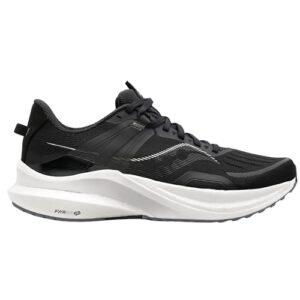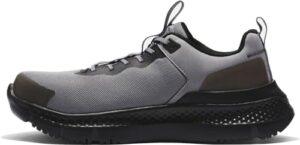
Top choice: Supportive, cushioned footwear plus custom orthotics work best for cavus foot.
I’ve treated and helped dozens of people with high arches (pes cavus) find shoes that actually reduce pain and improve walking. Picture stepping off a curb and feeling a sharp ball-of-foot ache or your heel acting like a hammer—proper shoes and inserts ease that pressure, stabilize your foot, and prevent ankle rolling. In this guide I’ll show practical picks—shoes, medical boots, and orthotic inserts—that I use or recommend when searching for the best shoes for cavus foot.
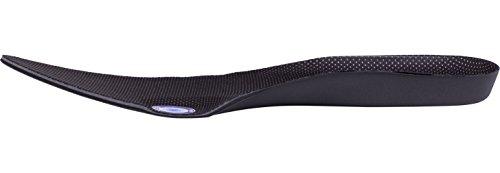
DonJoy Arch Rival Inserts

These DonJoy Arch Rival orthotic inserts are made for strong arch support and firm control. I like them for people with rigid high arches because they offer a deep arch cradle that fills the void under the foot. The inserts are molded to stabilize heel position and limit supination, which reduces ankle strain.
They fit inside many athletic and work shoes and are durable for long days on your feet. If you need firm control and want to avoid shoe replacement, these inserts are a cost-effective fix. They work well with moderate cushioning shoes to create a complete solution for cavus foot care.
Pros:
- Firm arch support reduces high-arch collapse
- Deep heel cup improves rearfoot stability
- Durable construction holds shape over time
- Fits many shoe styles without bulky fit issues
- Relatively affordable alternative to custom orthotics
Cons:
- May feel too firm for very sensitive feet
- Limited cushioning for those who need extra shock absorption
- Size options require careful selection
My Recommendation
These inserts are best for active people with a rigid high arch who need firm structural support. I recommend DonJoy Arch Rival to anyone seeking stability inside their current shoes without buying specialized footwear. They combine control and fit, which helps treat cavus foot symptoms when paired with cushioned shoes.
| Best for | Why |
|---|---|
| Active walkers | Firm arch support keeps foot aligned during motion |
| Shoe converters | Installs in most athletic or work shoes |
| Budget-minded users | Cheaper than full custom orthotics |
Dr. Frederick’s Arch Gel Inserts

Dr. Frederick’s gel arch supports are peel-and-stick, reusable pads that add a defined arch profile to many shoes. I use them for clients who need moderate arch lift without rigid molding. The gel cushions high-pressure areas and helps distribute load away from the ball and heel.
These inserts are slim, so they fit in tighter shoes including some dress shoes. They won’t correct severe alignment issues like a custom orthotic, but they add comfort and reduce focal pressure. For many people, this helps them wear their favorite shoes while managing cavus foot discomfort.
Pros:
- Thin profile fits in low-volume shoes
- Peel-and-stick makes placement easy
- Reusable and washable for repeated use
- Soft gel eases pressure on metatarsal heads
- Affordable and accessible solution
Cons:
- Not as supportive as molded orthotics
- Adhesive can degrade over time
- May shift in very flexible shoes
My Recommendation
If you want a low-profile way to boost arch support, Dr. Frederick’s gel inserts are an easy first step. I suggest them for people with mild to moderate cavus foot symptoms who need padding and arch lift inside slimmer shoes. They are a practical add-on while you shop for the best shoes for cavus foot.
| Best for | Why |
|---|---|
| Dress shoe users | Thin, discreet support fits low-profile shoes |
| Travelers | Lightweight and portable for use on the go |
| First-time tryers | Affordable test before custom orthotics |
QFH Women’s Barefoot Mary Jane

This QFH Mary Jane style is a wide, adjustable slip-on designed for swollen or sensitive feet. I like the roomy toe box and the adjustable strap for fine tuning fit. The breathable upper helps keep feet comfortable during long wear.
The cushioned insole and extra depth help protect high arches by allowing space for an orthotic or thick insert. If your cavus foot is accompanied by edema or wide forefoot pressure, a shoe with volume and adjustability like this one helps reduce hotspots and rubbing.
Pros:
- Adjustable strap for custom fit
- Extra-wide design reduces pressure on forefoot
- Breathable upper for comfort
- Roomy toe box to prevent pinching
- Works well with aftermarket orthotics
Cons:
- Less structured arch support out of the box
- Style may not suit formal wear
- Durability varies by use
My Recommendation
I recommend the QFH Mary Jane to women with cavus foot who need width and adjustability. I often suggest it for home use, travel, or recovery periods when swelling worsens arch pressure. Pair it with molded inserts or Dr. Frederick’s gel supports to build a complete solution for the best shoes for cavus foot.
| Best for | Why |
|---|---|
| Edema sufferers | Adjustable strap and wide fit accommodate swelling |
| Daily comfort | Roomy toe box reduces friction and pressure |
| Orthotic users | Extra depth accepts thicker insoles |
OrthoComfoot Men’s Orthopedic Shoe
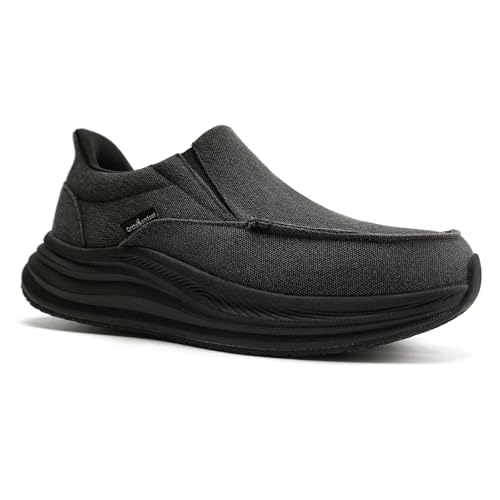
The OrthoComfoot sneaker is built with arch support and cushioning specifically for people with conditions like plantar fasciitis and high arches. I find the molded midsole helpful for redistributing pressure away from the ball of the foot. The shoe also offers a supportive heel counter to limit unwanted roll.
It’s a practical daily walking shoe with breathable upper fabric and a cushioned outsole. For men with cavus foot who want a ready-made shoe with good arch contour, this is a strong candidate. It pairs well with additional orthotic inserts if you need firmer control.
Pros:
- Built-in arch contour supports high arches
- Good heel stability reduces ankle rolling
- Breathable and comfortable for long wear
- Room for aftermarket orthotics if needed
- Affordable compared to specialty footwear
Cons:
- Arch shape may not match everyone’s anatomy
- Not a high-performance running shoe
- Style options are limited
My Recommendation
This OrthoComfoot shoe is best for men who want immediate arch support and stability without custom orthotics. I often suggest it to people transitioning to orthotic care because it already offers structured support for cavus foot. It’s a solid value for daily wear and light exercise.
| Best for | Why |
|---|---|
| Daily walkers | Balanced cushioning and arch support |
| Heel instability | Firm heel cup limits unwanted motion |
| Orthotic prep | Room inside for custom or over-the-counter inserts |
Pedag 3/4 Sheepskin Inserts

The Pedag Holiday 3/4 sheepskin insert mixes soft sheepskin comfort with a metatarsal pad and arch support. I like these for tight shoes because their three-quarter length saves toe room and prevents bunching. The padding soothes pressure points under a high arch and across the forefoot.
The sheepskin surface is comfortable and helps reduce friction, which I find useful for sensitive cavus foot skin. These inserts are handmade and provide a pleasant mix of cushioning and modest support. They are best used with shoes that already have some structural support.
Pros:
- Soft sheepskin top reduces friction
- Metatarsal pad eases forefoot pressure
- Three-quarter length fits low-profile shoes
- Handmade quality improves durability
- Comfortable for sensitive skin
Cons:
- Limited arch support for severe cases
- Higher price than foam pads
- Not ideal for wet conditions
My Recommendation
I recommend Pedag 3/4 sheepskin inserts for people with cavus foot who need pressure relief and softer surfaces under the forefoot. I often use them in dress shoes or snug sneakers where full-length orthotics don’t fit. They add comfort and help extend wearing time for shoes you already own.
| Best for | Why |
|---|---|
| Tight shoes | Three-quarter length saves toe space |
| Sensitive skin | Sheepskin reduces friction and hotspots |
| Forefoot pain | Metatarsal pad redistributes pressure |
BraceAbility Closed Toe Medical Shoe

The BraceAbility medical walking shoe is a recovery shoe designed to off-load forefoot and toe injuries. I recommend it for post-op care or severe pain flare-ups from cavus foot. The shoe’s rigid sole and adjustable straps control motion and minimize pressure on painful areas.
It’s not a style shoe, but it serves a therapeutic purpose very well. For short-term recovery from surgery, stress fractures, or severe plantar pain related to pes cavus, this shoe keeps you mobile while protecting the foot. It also pairs well with removable orthotics for a tailored fit.
Pros:
- Rigid sole off-loads forefoot pressure
- Adjustable straps secure the foot without pressure points
- Lightweight but protective construction
- Removable insole accepts custom orthotics
- Useful for post-op and acute flare-ups
Cons:
- Bulky and unattractive for daily wear
- Not breathable for long-term use
- Limited flexibility for normal walking patterns
My Recommendation
Use the BraceAbility medical shoe for short-term recovery or when you need to off-load painful areas caused by cavus foot. I advise it after surgery or during acute pain to protect tissues and control load. It’s a therapeutic tool that complements long-term shoe and orthotic strategies.
| Best for | Why |
|---|---|
| Post-op care | Rigid sole protects healing tissues |
| Acute pain relief | Adjustable straps reduce pressure points |
| Orthotic users | Insole is removable for custom inserts |
QFH Women’s Wide Diabetic Slippers

These QFH diabetic slippers are extra wide and designed for comfort and low pressure. I recommend them for home and short walks where cushioning and room matter most. The adjustable straps and soft lining protect sensitive skin and reduce friction over high arches.
They’re not corrective shoes, but they are excellent for rest days or when you need gentle support for cavus foot. Use these slippers to give your feet a break from tighter, more structured shoes while maintaining comfort and protection.
Pros:
- Extra-wide fit for reduced pressure
- Adjustable closure for a secure, custom fit
- Soft lining protects delicate skin
- Lightweight and easy to slip on
- Good for at-home recovery and comfort
Cons:
- Limited arch support for severe cases
- Not suitable for long outdoor walks
- Less durable than structured shoes
My Recommendation
I recommend these QFH slippers for people with cavus foot who need at-home comfort and reduced pressure. I suggest them for rest days after long walks or standing shifts. They give softness and space while you plan for more structured shoes designed for long-term management.
| Best for | Why |
|---|---|
| At-home comfort | Soft, wide fit reduces pressure on high arch |
| Sensitive feet | Protective lining reduces friction |
| Easy use | Slip-on design for convenience |
HKR Women’s Slip-On Sneakers

HKR slip-on sneakers offer lightweight cushioning and a breathable mesh upper. I like these as everyday casual shoes because they are comfortable and easy to wear. The slight platform provides shock absorption to reduce forefoot pain common in cavus foot.
They don’t provide heavy orthotic control, but they accept thin inserts and gel pads well. For people with mild symptoms who want a low-effort shoe that reduces impact, these are a practical, budget-friendly choice.
Pros:
- Lightweight construction reduces fatigue
- Breathable mesh keeps feet cool
- Slip-on design for ease of use
- Decent midsole cushioning for impact absorption
- Pairs well with gel arch supports
Cons:
- Limited built-in arch support
- May not fit wide forefeet without stretching
- Not ideal for heavy-duty activities
My Recommendation
I recommend HKR slip-ons for low-impact daily wear when you want lightweight comfort. I tell patients with cavus foot to use them with gel inserts or thin orthotics to add arch support. They’re a simple, comfortable option for casual days when the best shoes for cavus foot are not required.
| Best for | Why |
|---|---|
| Casual use | Lightweight and breathable for daily wear |
| Travel | Easy to pack and slip on/off |
| Pairing with inserts | Accepts thin orthotic or gel pads |
Vive Post-Op Shoe (Walking Boot)

The Vive post-op walking boot is a rounded, adjustable medical shoe for injured feet. I recommend it for short-term protection after surgery or injury. Its roomy toe box and adjustable straps make it easy to accommodate swelling and orthotics.
The boot’s rocker sole encourages a more natural gait while off-loading painful forefoot areas. For cavus foot flare-ups that produce metatarsal pain or plantar irritation, this boot reduces pressure and speeds recovery when used as directed by a clinician.
Pros:
- Rounded rocker sole eases forward roll
- Adjustable straps accommodate swelling
- Roomy interior accepts custom orthotics
- Lightweight and portable for home use
- Easy to clean and maintain
Cons:
- Bulky appearance limits regular wear
- Not tailored for long-term daily use
- May feel unstable on uneven surfaces
My Recommendation
Use the Vive post-op shoe during recovery or major flare-ups linked to cavus foot. I advise it when you need a shoe that limits pressure and encourages safe walking mechanics. It’s a therapeutic tool that pairs well with the best shoes for cavus foot during the transition back to normal footwear.
| Best for | Why |
|---|---|
| Surgical recovery | Adjustable fit and protection for healing |
| Severe flare-ups | Rocker sole reduces forefoot load |
| Orthotic accommodation | Roomy interior accepts custom inserts |
Vive Post-Op Rounded Shoe (Medium)

This Vive rounded shoe is a medium-sized post-op option emphasizing protection and adjustability. I find it helpful for people whose cavus foot causes recurring forefoot or toe pain that needs controlled off-loading. The roomy design lets you use full orthotics during recovery.
The shoe’s durable sole and cushioned interior ease walking and reduce pain during healing phases. It’s practical for short-term wear and for bridging the gap between a medical shoe and regular footwear while you rebuild strength and comfort.
Pros:
- Protective rounded sole reduces forefoot pressure
- Adjustable to fit swelling and orthotics
- Cushioned interior for comfort during recovery
- Durable construction for repeated use
- Neutral design fits both men and women
Cons:
- Not stylish for everyday wear
- May feel heavy for long walks
- Limited breathability in warm climates
My Recommendation
I recommend the Vive rounded shoe for those recovering from foot procedures or severe cavus foot pain. I often pair it with custom orthotics to speed healing and maintain alignment. It’s a solid temporary solution while you find the long-term best shoes for cavus foot.
| Best for | Why |
|---|---|
| Recovery phases | Protective sole and roomy interior help healing |
| Orthotic users | Accepts full-sized custom inserts |
| Neutral fit | Works for both sexes and multiple sizes |
DonJoy Arch Rival Inserts (Alt)
I’m listing DonJoy Arch Rival again to emphasize its versatility across shoe types. In my experience, these inserts are a reliable starting point for people with high, rigid arches seeking better stability. The firm arch and heel support limit excess motion that worsens pain.
They work well inside athletic shoes, boots, and even some casual shoes without making the fit too tight. Paired with a cushioned sneaker or a supportive walking shoe, they help create one of the most practical combinations for the best shoes for cavus foot.
Pros:
- Consistent, reliable arch support
- Deep heel cup for rearfoot control
- Durable and long-lasting
- Works in a wide range of shoes
- Improves gait by limiting pronation/supination
Cons:
- May require a break-in period
- Firm feel may not suit sensitive users
- Not customized to specific foot geometry
My Recommendation
I recommend these DonJoy inserts for anyone looking to convert regular shoes into support shoes for cavus foot. I often pair them with cushioned shoes to balance support and comfort. They’re a dependable, affordable method to improve foot mechanics quickly.
| Best for | Why |
|---|---|
| Shoe converters | Fits most shoe types to add support |
| Firm support seekers | Offers strong arch and heel control |
| Long-term value | Durable material holds shape |
Dr. Frederick’s Gel Inserts (Pack)
This alternate listing highlights the multi-pack convenience of Dr. Frederick’s gel inserts. I appreciate that you can place gel supports in several pairs of shoes at once. This is a practical approach for people who rotate footwear daily but still need consistent arch padding.
Using multiple gel supports prevents repetitive reapplication and keeps each pair ready to use. For cavus foot sufferers who want cushioning and mild arch lift in many shoes, stocking a few pairs of these gel inserts saves time and reduces pain across activities.
Pros:
- Multiple inserts for different shoes
- Convenient peel-and-stick application
- Reusable and portable
- Easy to replace when adhesive ages
- Soft gel eases pressure on sensitive areas
Cons:
- Adhesive longevity varies
- Not a substitute for custom orthotics in severe cases
- May shift in very loose shoes
My Recommendation
Stocking multiple pairs of gel inserts is a practical strategy for managing cavus foot across several shoes. I advise this for people who alternate footwear at work and play. It’s an affordable way to maintain consistent comfort without heavy investment.
| Best for | Why |
|---|---|
| Shoe rotation | Keep inserts in multiple pairs for consistency |
| Mild support | Gel eases pressure without stiff control |
| Travel | Lightweight and easy to pack |
QFH Women’s Navy Slip-On
This navy slip-on mirrors the HKR sneaker style in a different color choice. I recommend it when you want the same lightweight feel with a dressier hue. The shoe is breathable and comfortable when used with thin inserts for arch support.
It’s a user-friendly option for everyday errands and light walking. For someone with cavus foot who prefers a slip-on design, this offers convenience without sacrificing basic cushioning and the option to add orthotic support.
Pros:
- Easy to slip on and off
- Breathable mesh reduces heat buildup
- Light cushion absorbs impact
- Pairs with thin orthotics or gel pads
- Neutral look suits many outfits
Cons:
- Not for heavy-duty sports
- Limited arch structure out of the box
- May require size adjustments for wide feet
My Recommendation
I like this slip-on for people with cavus foot who want convenience and light cushioning. I recommend adding gel patches or thin orthotics to boost arch support. It’s a solid casual option for daily wear and travel.
| Best for | Why |
|---|---|
| Everyday errands | Comfortable slip-on for quick outings |
| Casual travel | Lightweight and packable |
| Insert users | Accepts thin supportive pads |
Vive Post-Op Shoe (Rounded)
This rounded Vive post-op shoe emphasizes rocker geometry to ease push-off and forefoot loading. I often suggest it for people whose cavus foot causes painful metatarsal stress during the toe-off phase of walking. The shoe reduces strain while maintaining mobility.
It’s a short-term tool for recovery and flare management. Pair it with your orthotic prescription for a tailored approach. Using a post-op shoe like this can help you transition back into the best shoes for cavus foot without setbacks.
Pros:
- Rocker sole removes pressure from toe-off
- Adjustable fit for swelling
- Accepts orthotics for added control
- Helps speed recovery with safer gait
- Durable for repeated therapeutic use
Cons:
- Not visually appealing for regular wear
- Can feel awkward on stairs or uneven ground
- Not a permanent shoe solution
My Recommendation
I recommend this Vive rounded shoe for people with cavus foot who experience intense forefoot pain at push-off. I use it as a therapeutic interim step during healing and gait retraining. It’s an effective bridge between medical care and long-term shoe choices.
| Best for | Why |
|---|---|
| Push-off pain | Rocker sole reduces forefoot load |
| Rehab users | Supports safe gait while healing |
| Orthotic compatible | Room for prescription inserts |
FAQs Of best shoes for cavus foot
What should I look for in the best shoes for cavus foot?
Look for strong arch support, a deep heel cup, good cushioning under the forefoot, and neutral stability. A roomy toe box and the ability to accept orthotics are also key. These features reduce focal pressure and limit ankle rolling.
Are orthotic inserts necessary for cavus foot?
Often yes. Custom orthotics give the best correction for a high arch, but over-the-counter firm supports or gel inserts can help many people. I usually try inserts first, then progress to custom orthotics if pain persists.
Can running shoes help with cavus foot?
Good running shoes with ample cushioning, a stable heel counter, and space for inserts can help. Avoid minimal or barefoot-style shoes that lack cushioning. Look for models with shock-absorbing midsoles and moderate arch contours.
Do I need special shoes for recovery after foot surgery?
Yes. Post-op shoes and medical walking boots protect the foot, control motion, and allow swelling. They are temporary but essential tools while tissues heal and you transition back to regular supportive footwear.
How do I know if a shoe fits a cavus foot properly?
Try shoes late in the day and wear your usual socks. The shoe should cradle the heel, leave room in the toe box, and allow an insert without making the shoe tight. Walk a few minutes to test comfort and stability.
Final Verdict: Which Should You Buy?
For most people with a high arch, a combination of a supportive shoe plus a firm orthotic or gel insert works best. Try a structured walking shoe like the OrthoComfoot or add DonJoy or Dr. Frederick’s inserts to your favorite shoes to get immediate relief.
Short-term recovery tools like BraceAbility and Vive boots help during flares. Overall, prioritize arch support, cushioning, and orthotic compatibility when choosing the best shoes for cavus foot.
Madison Clark is a footwear expert and the voice behind MyStyleGrid.com. She specializes in honest shoe reviews, style tips, and practical guides to help readers find the perfect pair for any occasion. With years of experience in blogging and content creation, Madison makes footwear knowledge simple, stylish, and easy to follow.