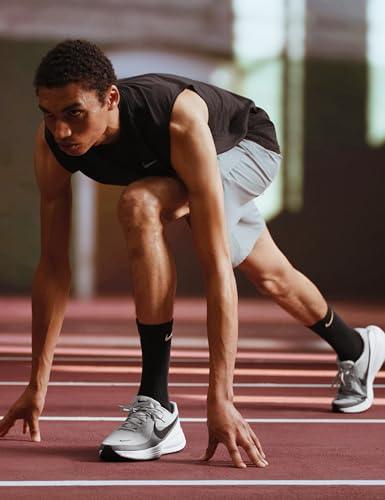
The best shoes for forefoot runners balance flexible forefoot, low drop, roomy toe box, and grip.
You land on your toes, not your heels. You want a shoe that lets the front of your foot work, bend, and spring. I get it. The wrong shoe will slap the road, numb your toes, or tire your calves too fast. The right pair keeps your stride smooth and light. It cushions, but stays lively. It holds your midfoot, not your heel. And it gives your toes space to splay. That’s the real test when picking the best shoes for forefoot runners.
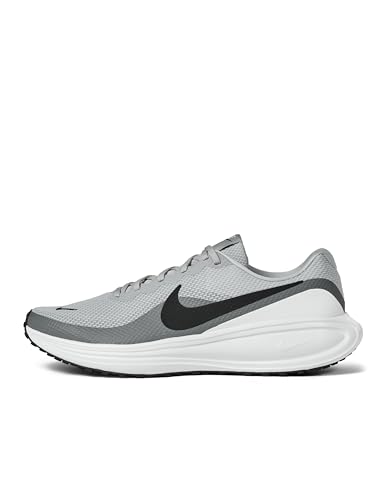
Nike Men’s Revolution 8 Road…
A foam midsole delivers a soft ride The outsole has an intuitive, Nike design and flex grooves in the forefoot that create a comfortable and cushioned effect as you run….

SOFSOLE ATHLETE Performance Men’s Insoles…
ENHANCE YOUR PERFORMANCE: Gel in the heel and forefoot absorbs each foot strike for superior shock absorption and impact protection with every step ALL-DAY COMFORT: Foam provides heel-to-toe cushioning that…
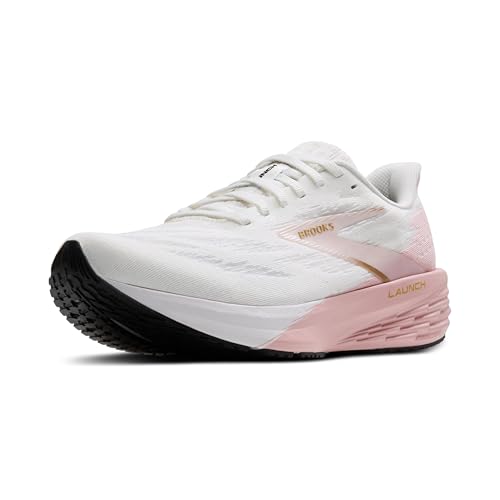
Brooks Women’s Launch 11 Neutral…
THIS WOMEN’S SHOE IS FOR: The Launch 11 running shoe features DNA FLASH foam underfoot for quick energy returns, while the breathable, lightweight upper provides a distraction-free experience for a…
Nike Revolution 8 Road Running Shoes (Men)

The Nike Revolution 8 is a simple, smooth daily trainer that gets the job done. It uses a soft foam midsole that stays easy on your feet, even on longer runs. The forefoot feels flexible, so it moves with you when you land and push off. The mesh upper holds the midfoot, while the toe box feels friendly for natural splay.
For forefoot strikers, the rubber coverage under the front of the shoe adds grip and life. It is not a high-stack racer, and that is fine for daily miles. The ride is steady and quiet, with a smooth roll. If you are learning a forefoot strike, this shoe is a safe, budget-friendly start.
Pros:
- Flexible forefoot helps a smooth toe-off for forefoot runners
- Soft, simple foam midsole cushions daily miles
- Rubber coverage in the forefoot adds grip and durability
- Breathable mesh upper keeps feet cool in warm weather
- Affordable price point suits new runners and backups
- Secure midfoot fit helps reduce sliding on turns
Cons:
- Moderate-to-higher drop may not suit minimalists
- Less energy return than premium foams
- Toe box may feel standard rather than truly wide
My Recommendation
If you want a no-fuss trainer with a forefoot-friendly feel, the Revolution 8 works well. It fits those who want a flexible front end and a soft, stable ride at a fair cost. It is not flashy, but it is easy to run in and easy to trust. For many, it earns a spot among the best shoes for forefoot runners for daily training and steady base miles.
| Best for | Why |
|---|---|
| New forefoot runners | Soft foam and flexible forefoot ease the learning curve |
| Daily easy miles | Stable, simple ride with solid forefoot grip |
| Budget-conscious buyers | Good value without a steep price |
SofSole Athlete Performance Insoles (Men)

The SofSole Athlete insoles add balanced cushion from heel to toe with a neutral arch. They blend PU foam and gel to soften impact without turning squishy. If your forefoot gets sore in firmer shoes, this insert can help spread load across more surface area. It also adds moisture control to keep feet dry on hot days.
I like these in a light trainer when I want a touch more padding under the ball of my foot. They can reduce hot spots and help ease metatarsal stress for forefoot strikers. The fit works in many shoes, but always check volume. For long shifts on your feet or long runs, they can be a quiet upgrade.
Pros:
- Gel and PU foam soften forefoot impact for forefoot landings
- Neutral arch works for many foot types
- Moisture-wicking top helps with sweat and odor
- Can tune firm shoes to feel more forgiving
- Heel-to-toe coverage for even pressure across the foot
Cons:
- Adds weight and reduces ground feel
- May raise stack and change shoe drop slightly
- Not ideal in tight, low-volume uppers
My Recommendation
If your favorite trainer feels a bit harsh up front, try these inserts before you switch shoes. They add gentle cushion for the ball of the foot without killing the ride. For many, they nudge a good trainer into the best shoes for forefoot runners territory, thanks to better comfort and pressure spread. Keep them for easy days and longer miles.
| Best for | Why |
|---|---|
| Forefoot soreness | Extra gel reduces pressure on the metatarsals |
| Firm daily trainers | Improves comfort without buying a new shoe |
| Long shifts on feet | Moisture control and steady cushion help all-day wear |
Brooks Launch 11 Neutral Running Shoes (Women)

The Brooks Launch 11 for women is a light, lively daily trainer with a snappy feel. It has a simple, responsive foam that keeps your cadence quick. The outsole covers the forefoot well, which helps grip, durability, and a crisp toe-off. The upper breathes well and locks the midfoot without squeezing too tight.
Forefoot runners who like a faster daily feel will enjoy this. It is firm enough to feel fast but cushioned enough for mid-distance runs. The ride is clean, with smooth transitions and stable landings. It makes daily runs feel sharp without wearing you out.
Pros:
- Lightweight and nimble with a quick forefoot snap
- Forefoot rubber coverage improves grip and life
- Breathable upper and secure midfoot hold
- Stable platform for turns and tempo work
- Great for short to mid-length runs at steady pace
Cons:
- Can feel firm on very long runs
- Toe box runs standard; not the widest
- No premium foam bounce for race-day pop
My Recommendation
If you are a woman who lands on the ball of your foot and likes speed on daily days, this is a smart pick. It shines in strides, tempos, and steady runs where turnover matters. It holds up well for forefoot wear, and it stays sure in wet patches. It belongs in any list of the best shoes for forefoot runners who want simple speed and trustable grip.
| Best for | Why |
|---|---|
| Daily tempo efforts | Light, firm foam with strong forefoot rubber |
| Forefoot strikers | Snappy toe-off and stable landings |
| Hot weather runs | Breathable upper keeps feet cool |
Brooks Launch 11 Neutral Running Shoes (Men)

The men’s Brooks Launch 11 is the same quick daily trainer package with a responsive ride. It feels light on foot and turns over fast. The forefoot rubber gives a clean push and improves wear for forefoot landing runners. The upper holds you without hot spots, which helps on faster days.
I like this shoe for strides, light intervals, and work-commute runs. It does not have big cushion, but it does not need it for shorter daily miles. The ride feels direct and honest. If you want to keep your form sharp, this trainer helps you do that.
Pros:
- Fast-feeling daily trainer with a lively forefoot
- Solid traction in the front where forefoot strikers need it
- Breathable upper and secure midfoot wrap
- Stable platform inspires confident cornering
- Good durability for the weight
Cons:
- Not plush enough for long recovery runs
- Standard toe box may be snug for very wide feet
- Lacks the bounce of super-foam shoes
My Recommendation
If you like light and fast, this is for you. It is a strong pick for runners who land on the front of the foot and want a crisp feel without paying race-shoe prices. It handles tempo blocks and daily miles with ease. For many, it ranks among the best shoes for forefoot runners who value nimble control and everyday speed.
| Best for | Why |
|---|---|
| Speedy daily runs | Lively foam with a snappy toe-off |
| Forefoot wear patterns | Durable forefoot rubber and stable platform |
| Travel or gym runs | Lightweight and easy to pack |
Brooks Glycerin StealthFit 22 (Men)

The Brooks Glycerin StealthFit 22 brings plush cushion with a sleek knit upper. The midsole is soft yet stable, which feels kind to a forefoot strike on long days. The forefoot has gentle give, so your toes do not feel cramped. The knit holds your foot like a sock while providing support where you need it.
This is a comfort-first trainer that still stays smooth at easy and steady paces. If you land on the ball of your foot, you will feel the cushion up front right away. The outsole is durable, and the ride is calm and quiet. It is a great pick for long runs when you want your feet to feel fresh at mile ten.
Pros:
- Plush forefoot cushion helps reduce metatarsal fatigue
- StealthFit knit hugs the foot without pressure points
- Smooth transitions and a stable platform
- Durable outsole with good road grip
- Great for easy, long, and recovery runs
Cons:
- Heavier than tempo-oriented trainers
- Higher price than entry-level shoes
- Moderate drop may not suit zero-drop fans
My Recommendation
If comfort and support matter most, pick the Glycerin StealthFit 22. It is ideal for forefoot runners who want a soft front end for long runs or high mileage. The fit is secure, the ride is smooth, and the cushion is generous. It earns a spot among the best shoes for forefoot runners who prioritize plush comfort without losing stability.
| Best for | Why |
|---|---|
| Long easy runs | Plush forefoot cushion and stable platform |
| Comfort-focused daily miles | Knit upper hugs without hot spots |
| High-mileage training | Durable outsole and supportive ride |
Nortiv 8 Wide Toe Box Trail Running Shoes (Men)

The Nortiv 8 Wide Toe Box trail shoe gives you space up front for toe splay and comfort. The outsole lugs bite into dirt, gravel, and light mud. The midsole offers steady cushion without feeling wobbly on uneven paths. The upper breathes well and guards the foot with overlays where you need them.
Forefoot runners on trails will like the roomy fit and traction under the front half. It helps you set your foot on rocks and take off with control. The ride feels safe and planted on off-camber ground. For the price, it is a solid tool for trail days and mixed terrain.
Pros:
- Wide toe box lets toes splay for natural forefoot landings
- Grippy outsole lugs for dirt, gravel, and light mud
- Protective overlays and a stable base
- Breathable upper for warm trail runs
- Good value for trail beginners or budget buyers
Cons:
- Heavier than premium trail models
- Cushion feel is basic, not high rebound
- Durability may vary with harsh rocky use
My Recommendation
If you are a forefoot striker who needs toe room on dirt, this shoe is worth a serious look. It blends grip with a roomy fit so your toes can work the way they should. It is not fancy, but it is honest, stable, and sure-footed. For the right runner, it stands with the best shoes for forefoot runners on a budget who love trails.
| Best for | Why |
|---|---|
| Wide forefoot needs | Roomy toe box allows natural splay |
| Trail beginners | Reliable grip and a stable, protective ride |
| Mixed terrain | Lugs handle dirt roads and park paths |
How I Evaluate the Best Shoes for Forefoot Runners
Forefoot running is a style, not a trend. You land on the ball of your foot, your heel kisses after, and your calves work more. Your shoe must match that pattern. Over years of testing, I look for five simple things.
First, I want a flexible forefoot. The front should bend with your toes for a smooth push-off. Second, I check forefoot cushion. It should be soft enough to help, but firm enough to stay quick. Third, I want secure midfoot hold. A sliding midfoot leads to hot spots and wasted effort. Fourth, I look for a roomy toe box, so toes can spread on landing. Fifth, I check forefoot rubber and grip. That is where you land. That is where you need it most.
Drop is personal. Many forefoot runners like low-to-moderate drop. But some do fine in standard 8–10 mm drop if the forefoot is cushioned and flexible. Stack also matters. If you want ground feel, pick lower stack. If you want comfort on long runs, go higher but keep the forefoot lively. With this lens, I pick the best shoes for forefoot runners for many needs and budgets.
FAQs Of best shoes for forefoot runners
What makes a shoe good for forefoot running?
A flexible forefoot, secure midfoot hold, and solid forefoot rubber. Add a roomy toe box and balanced cushion up front. Those features support a smooth landing and push-off.
Do forefoot runners need low drop shoes?
Not always. Many do like lower drop. But a shoe with a flexible forefoot and enough cushion can work well even with standard drop. Comfort and form matter most.
How much cushion should I have in the forefoot?
Enough to reduce pressure, but not so much that you lose feel. Daily trainers need balanced cushion. Long-run shoes can add more forefoot softness for comfort.
Are insoles helpful for forefoot strikers?
Yes, if you feel pressure under the ball of your foot. A good insole can spread load and improve comfort. Make sure it fits your shoe volume.
How do I choose the right size for forefoot running?
Leave a thumb’s width at the toe and ensure midfoot lock. Your toes should splay freely. Avoid a narrow toe box that pinches on landing.
Final Verdict: Which Should You Buy?
The Brooks Glycerin StealthFit 22 brings plush comfort for long days. The Brooks Launch 11 keeps things light and quick. The Nike Revolution 8 is an easy, budget-friendly daily pick.
If you run trails, the Nortiv 8 wide-toe model is a smart value. Add the SofSole Athlete insoles if you need more cushion up front. Together, these cover the best shoes for forefoot runners across needs and budgets.

Madison Clark is a footwear expert and the voice behind MyStyleGrid.com. She specializes in honest shoe reviews, style tips, and practical guides to help readers find the perfect pair for any occasion. With years of experience in blogging and content creation, Madison makes footwear knowledge simple, stylish, and easy to follow.