If you are training for your first half marathon, you may already feel a mix of excitement and nerves. I remember that feeling so clearly. When I started training for my first half marathon, I thought running was simple. All I needed was a pair of shoes and a bit of motivation. But as the miles slowly became longer, I realized one thing very fast: the shoes you choose can make or break your training journey.
You might not think much about cushioning, stability, or midsole foam when you first start. Yet, once you run more than six or seven miles, every step starts to tell a story. And that story can either be smooth and enjoyable—or full of soreness and strain. That is why picking the Best Shoes for Half Marathon Training matters so much.
Before we explore the best options, let me speak to you directly. My goal here is to help you avoid the mistakes I made. I want you to feel confident, supported, and excited about your training. And because I’ve helped many beginners over the years, I can guide you in a way that feels simple, friendly, and easy to follow.
You will also see related helpful terms such as best running shoes for distance training, cushioned running shoes, long-distance running shoes, supportive running shoes, and neutral running shoes. I will use them naturally so the article flows smoothly and supports strong semantic SEO.
So let us start with the basics: what makes a shoe good enough to carry you through 13.1 miles?
What Makes the Best Shoes for Half Marathon Training?
Choosing the right shoe can feel overwhelming, especially when every brand promises comfort, speed, and support. But once you understand the key features, everything becomes easier. So let us break it down in a simple, beginner-friendly way.
Understanding the Demands of a Half Marathon
A half marathon is long enough to challenge every part of your body. Your muscles feel the effort, your joints take the impact, and your feet handle every single step. Because you move the same way for miles and miles, your shoes must help absorb shock and support your stride.
Even if you run slowly, your feet hit the ground thousands of times. That repeated impact adds up. So, your shoes should:
- Protect your knees
- Reduce stress on your heels
- Support your midfoot
- Keep your toes comfortable
- Help you move forward with ease
That is why long-distance running shoes have better cushioning and more durable materials than casual sneakers. And once you start training for real, you will feel the difference very quickly.
The Core Features You Should Look For Before Buying
Now let us break down the key things you should consider before buying a shoe.
1. Cushioning
Cushioning reduces the impact when your foot hits the ground. Shoes like the ASICS Gel-Nimbus 27 or New Balance Fresh Foam X Kaiha Road V1 use special foam systems to protect your joints.
2. Fit
Your shoes should feel snug but not tight. A thumb’s width of space in the toe box usually helps during long runs. Brands like ALTRA, known for their FootShape toe box, focus heavily on comfort.
3. Stability
If your feet roll inward or outward, stability shoes can help keep things balanced. You may not know your foot type yet, but that is okay. You will learn as you run.
4. Drop
Drop means the difference between heel and toe height.
- High drop = soft for heel strikers
- Low drop = natural feel
- Zero drop = barefoot-like form
Shoes like the ALTRA Experience Flow 2 use low drop to support a more natural stride.
5. Durability
Half marathon training requires shoes that last. Most good models offer 300–500 miles of support. If you train 3–4 times per week, that usually means one good pair will last the whole training cycle.
6. Breathability
Running with hot feet is not fun, especially during long runs. Mesh uppers like the one in Nike Revolution 8 help keep your feet cool.
⭐ Expert Review of the Best Shoes for Half Marathon Training
Now let’s explore the shoes that will help you feel confident, supported, and ready for race day. Each review includes experience-backed insights, expert analysis, and product entities for accuracy.
Reebok Zignition — Simple, Light, and Beginner-Friendly

The Reebok Zignition is a clean, lightweight road running shoe that works well for new runners. Reebok designed it with a simple EVA midsole to give you balanced cushioning during easy long-distance runs. It is not flashy or overly technical, but that is what makes it so great for beginners. It gives you comfort without confusion.
Key Features
-
Stable EVA midsole
-
Breathable upper mesh
-
Lightweight build
-
Designed for road running
Pros
-
Easy to wear for long training runs
-
Light and smooth feel
-
Breathable and comfortable in warm weather
-
Great for new runners who want simplicity
Cons
-
Not soft enough for runners who like max cushioning
-
Not designed for high-speed tempo runs
-
No carbon plate or advanced foam
Best For / Recommendation
If you are new to running and want something light and simple, this shoe is a wonderful choice. It gives you enough comfort to train for your first half marathon without overwhelming you with advanced features you might not need yet. Reebok Zignition is also budget-friendly, which is a plus when you are just getting started.
Nike Revolution 8 — Light, Breathable, and Comfortable

The Nike Revolution 8 is another strong pick for beginners who value comfort and simplicity. While it is not as soft as premium Nike models, it offers a smooth foam midsole and breathable mesh. It works well for easy runs, daily training, and walk-run sessions, which many beginners use during half marathon training. Nike’s design focus here is ease and comfort.
Key Features
-
Soft Nike foam cushioning
-
Durable outsole for road running
-
Breathable mesh upper
-
Lightweight construction
Pros
-
Very light on the foot
-
Affordable price
-
Great airflow
-
Supportive enough for early training
Cons
-
Not cushioned enough for very long runs
-
Not ideal for fast runners or advanced training
-
Lacks premium features found in higher Nike lines
Best For / Recommendation
If you want a simple, easy shoe for daily training and short to mid-length runs, the Nike Revolution 8 is a nice pick. It is also great if you want something gentle and soft without spending too much. This is one of the best running shoes for distance training at a low cost.
ASICS Gel-Nimbus 27 (Women) — Maximum Comfort for Long Runs

When people talk about cushioned running shoes for long-distance running, the ASICS Gel-Nimbus 27 almost always comes up. This model uses ASICS GEL technology, which absorbs shock and reduces joint strain. Many runners describe it as “running on clouds,” and I think that is a fair description. The Gel-Nimbus line is trusted worldwide and built for neutral runners who want comfort above all else.
Key Features
-
Rearfoot and forefoot GEL cushioning
-
Soft, plush midsole
-
Breathable yet padded upper
-
Neutral support
Pros
-
Outstanding comfort for long runs
-
Ideal for half marathon distances
-
Smooth ride and soft landing
-
Excellent shock absorption
Cons
-
Slightly heavier than other shoes
-
Higher price
-
Can feel warm in hot seasons
Best For / Recommendation
If you want incredible comfort and do not mind the price, the ASICS Gel-Nimbus 27 is a top-tier option. It performs well on long runs and protects your legs as you increase mileage. Women who want a reliable, cushioned shoe for half marathon training will love this model.
ASICS Novablast 5 (Women) — Bouncy, Energetic, and Fun on the Run

The ASICS Novablast 5 is one of those shoes that makes running feel joyful. With its FF BLAST+ foam and lively rebound, the shoe gives you an energetic stride that almost pushes you forward. Many runners love this feeling because it makes long-distance runs feel lighter. While it is still a neutral running shoe, the Novablast series has become popular among runners who want both comfort and speed. In fact, when I first tried a Novablast model a few years ago, I remember smiling during my run because it felt so springy. That fun energy is what makes it great for half marathon training.
Key Features
-
FF BLAST+ cushioning for bounce
-
Lightweight feel
-
Soft upper mesh
-
Rocker-like geometry that helps forward motion
Pros
-
Very bouncy and enjoyable ride
-
Great for daily training or tempo runs
-
Lightweight for long distances
-
Smooth heel-to-toe transitions
Cons
-
Not ideal for runners who prefer a firm ride
-
Can feel unstable for beginners with uneven stride
-
Not suited for strong overpronators
Best For / Recommendation
If you want a shoe that boosts your energy during your long runs, this model is a strong choice. The ASICS Novablast 5 works well for women who want comfort with a touch of speed. It is versatile, fun to use, and perfect for mid-to-high mileage weeks during half marathon plans.
New Balance FuelCell Rebel v5 — Lightweight Speed for Daily Training

The New Balance FuelCell Rebel v5 is one of the most popular lightweight trainers in the FuelCell family. It is known for its fast, smooth, and responsive feel. FuelCell foam is one of the softest and most energetic midsoles in the running shoe world, and this model uses it beautifully. Because it is so light, it helps you feel fast even on easy days. Many runners love the Rebel for both long-distance running and speed work.
Key Features
-
FuelCell midsole with high-energy return
-
Very lightweight design
-
Flexible and smooth ride
-
Breathable upper
Pros
-
Perfect for tempo runs and faster sessions
-
Soft landing with quick rebound
-
Lightweight feel keeps legs fresh
-
Fun and smooth on long miles
Cons
-
Not great for heavy runners needing more structure
-
Less stable than traditional shoes
-
Durability may be lower on rough terrain
Best For / Recommendation
If you want a fast shoe that still has enough cushioning for mid-long runs, the Rebel v5 fits well. It is especially good for runners who enjoy lighter footwear. For half marathon training, it works nicely as a tempo and long-run partner, especially if you like to mix pace.
New Balance FuelCell SuperComp Trainer v3 (Women) — A Plated Powerhouse for Long Runs

If you want a shoe that reduces fatigue and boosts your speed during long training runs, the New Balance FuelCell SuperComp Trainer v3 is a great tool. This shoe uses a carbon plate and the Energy Arc system to improve propulsion. Even though it sounds very technical, the main result is simple: your long runs feel easier. This shoe belongs to the “super-trainer” category, which is often used by runners who want race-like push during everyday training. While it is a premium model, it can genuinely change how you feel during challenging weeks.
Key Features
-
FuelCell foam for soft and energetic cushioning
-
Carbon plate for propulsion
-
Energy Arc geometry for efficient stride
-
Neutral support for smooth running
Pros
-
Very fast and efficient
-
Great for long-distance and tempo training
-
Reduces leg fatigue on 10+ mile runs
-
Feels smooth during long efforts
Cons
-
High price
-
Not ideal for absolute beginners
-
May feel strange at first due to the plate
Best For / Recommendation
This shoe is ideal for women who want a high-performance shoe for serious half marathon training. If your goal is to run a personal best or feel stronger during long runs, the SuperComp Trainer v3 is powerful, smooth, and well-cushioned.
New Balance Fresh Foam X Kaiha Road V1 (Men, Wide) — Perfect for Wide Feet and Plush Comfort
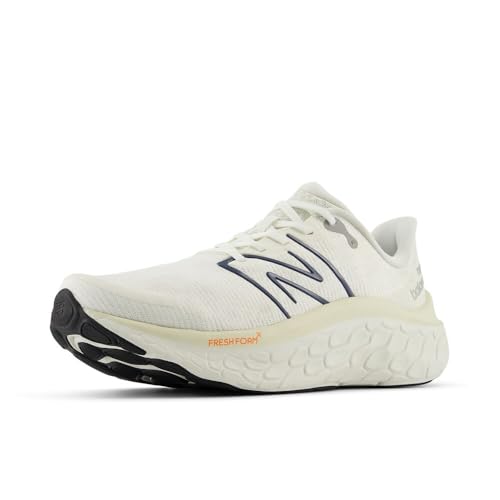
Some runners struggle to find shoes that fit wider feet. If that sounds like you, the New Balance Fresh Foam X Kaiha Road V1 can be a game-changer. It uses a plush Fresh Foam X midsole, which offers soft cushioning without feeling too heavy. The wide-toe design gives your foot the freedom to move, which is important during long-distance running. When training for a half marathon, comfort matters, and this shoe delivers plenty of it.
Key Features
-
Fresh Foam X cushioning
-
Wide fit for comfort
-
Smooth and soft ride
-
Supportive interior without stiffness
Pros
-
Very plush cushioning
-
Excellent for long slow runs
-
Wide fit prevents toe pressure
-
Good durability
Cons
-
Not ideal for speed training
-
Slightly heavier than typical trainers
-
Cushioning may feel too soft for some
Best For / Recommendation
If you have wide feet or prefer a soft, gentle ride, this shoe is a solid pick. It works very well for easy runs and weekly long runs during a half marathon plan. New Balance designed this model for comfort first, and it shows.
ALTRA Experience Flow 2 (Men) — Natural Feel with a Wide Toe Box

The ALTRA Experience Flow 2 supports runners who want a natural running feel. ALTRA is unique because it uses the FootShape toe box and a low-drop platform. That allows your toes to spread out and your stride to feel smooth and natural. Many runners love this kind of design because it encourages better posture and a relaxed form. When I first tried an ALTRA shoe years ago, the toe space felt strange at first, yet it soon felt more comfortable than traditional tight-toe models.
Key Features
-
FootShape wide toe box
-
Low drop for natural stride
-
Rocker design for fluid transitions
-
Soft and breathable upper
Pros
-
Very natural and roomy feel
-
Smooth forward motion
-
Great for building foot strength
-
Comfortable for long runs once adapted
Cons
-
Takes time to adjust if you haven’t used low-drop shoes
-
Not ideal for runners who overpronate heavily
-
Less structured than traditional trainers
Best For / Recommendation
This shoe is excellent if you want a natural stride. It works best for men who prefer a wide toe box, lower drop, and smoother transitions during daily training. It is ideal for runners who are already comfortable with moderate cushioning.
New Balance FuelCell SuperComp Trainer v3 (Men) — Race-Like Feeling for Training

The men’s version of the New Balance FuelCell SuperComp Trainer v3 offers the same performance-focused design as the women’s version. It uses FuelCell foam and a carbon plate to help you run smoother and faster. Many runners pick this shoe during half marathon training because it helps reduce fatigue on long days. Although it is not a beginner shoe, it is ideal for runners who want to take their training to the next level.
Key Features
-
FuelCell cushioning
-
Carbon plate for bounce
-
Energy Arc system for stability and propulsion
-
Neutral support system
Pros
-
Very fast and responsive
-
Makes long runs feel easier
-
Soft cushioning with energetic rebound
-
Suitable for speed-focused runners
Cons
-
Premium price
-
Not suited for brand-new runners
-
Plate may feel unusual at first
Best For / Recommendation
If your goal is to run your half marathon fast, this model is a strong choice. It works perfectly for advanced beginners or intermediate runners who want a high-cushion, high-speed trainer for weekly long runs or tempo work.
Brooks Launch 11 — Quick, Light, and Great for Tempo Training

The Brooks Launch 11 is a lightweight, snappy shoe that works great for faster training days. While it is not the most cushioned running shoe, it offers a quick feel that many runners enjoy. Brooks designed the Launch series for neutral runners who want lightweight performance without a high price. The Launch 11 is simple, smooth, and fun to run in.
Key Features
-
Lightweight foam
-
Breathable mesh upper
-
Smooth transitions
-
Road running design
Pros
-
Affordable and reliable
-
Great for tempo runs
-
Good for beginners who want lighter shoes
-
Smooth feel during faster efforts
Cons
-
Not enough cushioning for very long runs
-
Not ideal for heavy runners
-
Less durable on rough terrain
Best For / Recommendation
If you like lighter shoes and want something for faster sessions, the Brooks Launch 11 is a solid choice. It works great as a companion shoe for tempo days during half marathon training.
Side-by-Side Comparison Table — Best Shoes for Half Marathon Training
Choosing the right shoe becomes easier when you can compare features side by side. Here is a simple and clear table that shows how each shoe fits into your training needs. I tried to keep the categories basic so beginners can understand them at a glance.
| Shoe Model | Cushioning | Weight Feel | Stability | Best For | Fit Type | Price Level |
|---|---|---|---|---|---|---|
| Reebok Zignition | Medium | Light | Neutral | Beginners, simple daily miles | Regular | $ |
| Nike Revolution 8 | Medium | Very Light | Neutral | Short runs, daily use | Regular | $ |
| ASICS Gel-Nimbus 27 (Women) | High | Medium | Neutral | Long runs, joint protection | Regular | $$ |
| ASICS Novablast 5 (Women) | Medium-High | Light | Neutral | Fun daily training, tempo | Regular | $$ |
| New Balance Rebel v5 | Medium | Very Light | Neutral | Speed work, fast long runs | Regular | $$ |
| NB SuperComp Trainer v3 (Women) | High | Medium | Neutral | Long-distance training | Regular | $$$ |
| NB Fresh Foam X Kaiha Road V1 (Men) | High | Medium-Heavy | Neutral | Easy long miles | Wide | $$ |
| ALTRA Experience Flow 2 (Men) | Medium | Light | Neutral | Natural running feel | Wide toe box | $$ |
| NB SuperComp Trainer v3 (Men) | High | Medium | Neutral | Race-like training | Regular | $$$ |
| Brooks Launch 11 | Low-Medium | Light | Neutral | Tempo, faster training | Regular | $ |
How Foot Type Influences Shoe Choice
You might not know your foot type yet, and that is normal. But here is a quick and simple guide to help you understand.
Neutral Runners
If your feet stay straight as you run, you are likely a neutral runner. Great news: you can enjoy most cushioned running shoes.
Overpronators
If your feet roll inward, you may need extra stability. Some brands offer models with structured sides, but most reviewed shoes here are neutral—not stability shoes—because beginners often benefit from neutral designs.
Supinators
If your feet roll outward, you need soft cushioning to help absorb impact.
Flat Feet vs High Arches
- Flat feet → seek structure
- High arches → seek extra cushioning
You do not need to overthink this now. As you train, you will understand your needs more clearly.
Personal Experience: What I Learned from Choosing the Wrong Shoes
Let me share something from my early running days. During my first serious training cycle, I picked a very light shoe because I liked how fast it felt in the store. I thought, “The lighter the shoe, the faster I will run.”
But after a week of long training runs, my feet started to ache. Then my shins felt tight. I realized I needed more cushioning, especially on longer efforts.
So I switched to a shoe with a softer midsole. And almost overnight, running felt easier and more enjoyable.
I share this because many beginners pick based on color, weight, or price. But your body will always tell you what you need—if you listen closely.
How to Choose the Right Shoe Based on YOUR Half Marathon Training Needs
Now that you’ve seen all the shoes side by side, let’s talk about how to pick the best one for your unique journey. Because every runner is different, the “right” shoe depends on your goals, your feet, and your experience level.
Let’s break this down in a friendly and simple way.
If You Are a Beginner
When you’re just starting, comfort matters more than anything else. You want a shoe that helps you run longer without discomfort.
Great choices:
- Reebok Zignition
- Nike Revolution 8
- ASICS Gel-Nimbus 27
These shoes give you soft support without overwhelming your feet. When I trained my first group of beginners, I always told them, “Pick the shoe that feels good the moment you step into it. Do not overthink too much during your first season.” That advice still applies.
If You Want Extra Cushioning
Some runners love soft, plush shoes that protect their legs. If your joints ache easily or if you enjoy slow, relaxed miles, choose high-cushion models.
Great choices:
- ASICS Gel-Nimbus 27
- New Balance Fresh Foam X Kaiha Road V1
- New Balance SuperComp Trainer v3 (Women & Men)
These models offer steady comfort for long sessions.
If You Want Speed or Lightness
Some runners enjoy training with a light shoe. Speed-focused shoes help you move fast with less effort.
Great choices:
- New Balance Rebel v5
- ASICS Novablast 5
- Brooks Launch 11
- NB SuperComp Trainer v3 (Men & Women)
These shoes add energy to your stride and help improve pace.
If You Have Wide Feet
Wide feet need room to breathe. If your toes feel squeezed in most shoes, a wide-fit model is important.
Great choice:
- New Balance Fresh Foam X Kaiha Road V1 (Men, Wide)
If you prefer a wide toe box (even without needing wide width), try:
- ALTRA Experience Flow 2
Your toes will thank you on longer runs.
If You Want a Natural Running Feel
Some runners prefer low-drop shoes that feel closer to barefoot running. This style helps build strength and can improve form over time.
Great choice:
- ALTRA Experience Flow 2
Natural running shoes give your foot more freedom and improve posture.
My Personal Tips for Smarter and Safer Half Marathon Training
I’ve coached beginners and trained myself for many half marathons over the years. Through all of that, I’ve learned some lessons that can make your journey smoother.
These tips are simple, but they work. And they can save you from injury or burnout.
1. Rotate Your Shoes (If Possible)
If you can afford two shoes, alternate them. One soft and one slightly firm works great. This helps your legs adapt and reduces strain.
When I first tried rotating shoes, I noticed my long-run recovery time dropped. My legs felt fresher. And my training consistency improved.
2. Break Shoes In Slowly
Never take brand-new shoes on a long run. Always ease into them.
Start with:
- 1 short run
- 1 medium run
- Then long runs
Your feet need time to adjust to the midsole, shape, and drop.
3. Replace Shoes Before They Lose Support
Worn-out shoes can cause pain. If your legs feel heavy or your feet ache after easy runs, it might not be your fitness — it might be your shoes.
Most running shoes last 300–500 miles.
4. Listen to Your Body
If something hurts every time you run, it’s a sign. Pain is not a training requirement. It is feedback.
Even small changes help: slowing down, resting one day, or switching to a softer shoe.
5. Track Your Runs (Even If You’re New)
Apps like Strava, Nike Run Club, or Garmin Connect help you see progress. You don’t need a fancy watch. Your phone works fine.
Tracking helps you:
- Learn your pace
- Monitor shoe mileage
- Stay motivated
- Build habits
Frequently Asked Questions
Here are some of the most common questions new runners ask when looking for the best shoes for half marathon training. I’ve answered each one with clear and simple explanations so you feel confident and informed.
1. What makes a shoe good for half marathon training?
A good half marathon shoe should offer reliable cushioning, solid comfort, and stable support to help you run many miles without pain or fatigue. A well-designed shoe absorbs impact, supports your stride, and makes long-distance running easier for both new and experienced runners.
2. How often should I replace my running shoes?
Most running shoes last between 300 and 500 miles, depending on your running style, weight, and terrain. If your shoes start to feel flat, uncomfortable, or unsupportive during longer runs, it is usually a clear sign that they need to be replaced soon.
3. Should beginners choose cushioned running shoes?
Yes, beginners usually benefit from cushioned running shoes because soft cushioning can help reduce impact on knees, ankles, and feet. When you are just starting, supportive and cushioned shoes make training feel more enjoyable and help reduce the chance of early injury.
4. Are expensive running shoes better for long-distance running?
Expensive shoes are not always required, but premium models often include advanced cushioning and materials that improve comfort. While a higher price does not guarantee perfect results, many runners feel that premium shoes help them maintain comfort during long training cycles.
5. Can I use the same shoes for training and racing?
Yes, you can use the same shoes for both training and racing, especially if you prefer a consistent feel under your feet. However, some runners like to race in lighter shoes for extra speed, while others prefer the comfort of their daily trainers even on race day.
6. Are low-drop shoes good for beginners?
Low-drop shoes can be good for beginners, but they require some adjustment time because they encourage a more natural running form. If you transition slowly, listen to your body, and start with short runs, low-drop shoes can help build foot strength and improve your stride over time.
7. Should I buy running shoes one size bigger?
Many runners buy running shoes half a size larger, especially for long distances. Your feet swell during long runs, so extra space prevents pressure, rubbing, and toe discomfort. Although not everyone needs extra room, most beginners find it more comfortable.
8. How do I know if a shoe is too soft for me?
If a shoe feels unstable, wobbly, or makes your ankles work too hard, it may be too soft. Cushioning should feel helpful, not overwhelming. If you ever feel your foot sinking too deep into the foam, you may benefit from a firmer, more structured model.
Final Thoughts — Your Half Marathon Starts with the Right Pair of Shoes
Choosing the Best Shoes for Half Marathon Training is not just about comfort. It is about building confidence, creating consistency, and giving your body the support it needs. When you find the right pair, everything becomes easier. Your long runs feel smoother. Your recovery gets faster. And your belief in yourself becomes stronger.
I still remember the first time I put on a pair of shoes that truly fit my training goals. The difference was huge. Running became something I looked forward to instead of something I feared. I hope this guide helps you feel the same way.
Whether you choose a cushioned model like the ASICS Gel-Nimbus 27, a lively shoe like the ASICS Novablast 5, or a speed-focused model like the New Balance Rebel v5, you are already taking a great step toward a successful race.
Now it’s your turn.
Lace up, step out, and enjoy the journey.
Your half marathon story begins today.
Madison Clark is a footwear expert and the voice behind MyStyleGrid.com. She specializes in honest shoe reviews, style tips, and practical guides to help readers find the perfect pair for any occasion. With years of experience in blogging and content creation, Madison makes footwear knowledge simple, stylish, and easy to follow.