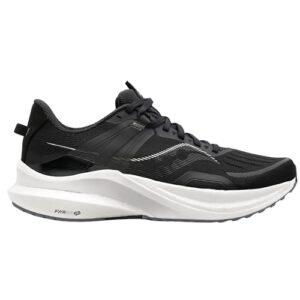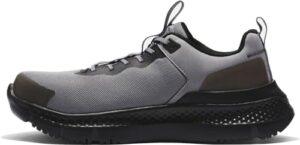
Nike Metcon 8 delivers top stability and versatility for intense interval training sessions.
You know that moment mid-interval when your shoes feel unstable, your feet slide, or your calves scream? Interval training demands quick bursts, lateral moves, and rapid recovery. The right shoe keeps you fast, safe, and confident. I’ve tested dozens of trainers and rounded up the models that deliver traction, stability, and cushioning—so you can pick the best shoes for interval training and focus on beating your personal best.
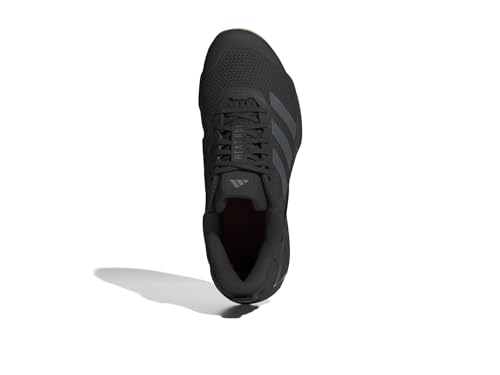
Adidas Dropset 3 Trainer

I tested the Adidas Dropset 3 across hill sprints, jump lunges, and quick-shift agility drills. The shoe feels snug through the midfoot and gives a surprisingly stable platform for bounding work. The upper breathes well during back-to-back intervals, and the outsole grip held on wet gym floors.
For short, sharp intervals the Dropset’s moderate cushioning strikes a good balance—enough impact absorption without a sloppy feel. I found heel drop and responsiveness suitable for plyo sets and treadmill repeats, making this a solid daily trainer for mixed-interval sessions.
Pros:
- Stable midfoot for quick direction changes
- Lightweight yet durable outsole for repeated bursts
- Breathable upper keeps feet cool during long sets
- Neutral fit that works for many foot shapes
- Reasonable price for the performance delivered
Cons:
- Not as cushioned for longer tempo runs
- Limited arch support for very high arches
My Recommendation
I recommend the Adidas Dropset 3 for athletes who want a versatile interval shoe that handles both sprints and gym circuits. It’s especially good if you value a low-to-moderate stack and stable base. If you’re focused on multi-directional interval drills, this model will feel secure and responsive.
| Best for | Why |
| Gym circuits | Stable midfoot and grippy outsole for weight and plyo work |
| Budget-focused trainers | Solid value with reliable build quality |
| Short intervals | Responsive feel for quick bursts |
Under Armour Charged Assert 9
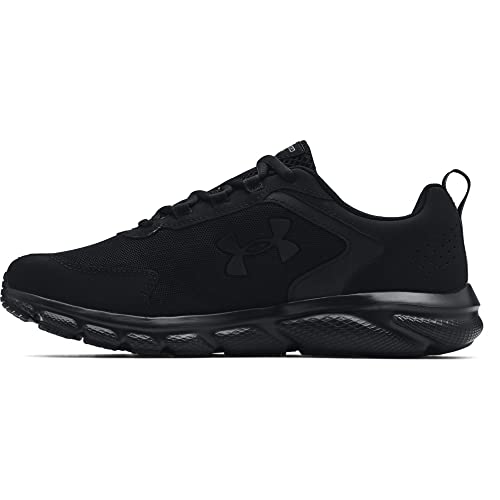
I used the Charged Assert 9 for treadmill intervals and short outdoor sprints. The shoe has a classic foam setup that balances protection and responsiveness. It’s lightweight and the forefoot allows quick toe-off for repeated interval work.
Under Armour focused on durability with reinforced areas and a reliable rubber outsole. I liked how the shoe maintained comfort during back-to-back sets and how the simple fit made repeated use comfortable without hotspots.
Pros:
- Good energy return for short efforts
- Light construction reduces fatigue across sessions
- Durable outsole suited for outdoor intervals
- Comfortable fit with minimal break-in time
- Low price makes it easy to replace when needed
Cons:
- Less specialized for heavy lifting or lateral work
- May lack long-run cushioning for longer tempo pieces
My Recommendation
The Under Armour Charged Assert 9 is ideal for runners who favor short, fast intervals and need a low-cost daily trainer. I’d suggest it if you want simple cushioning and dependable traction for interval repeats. It stands out as a practical option among the best shoes for interval training for athletes on a budget.
| Best for | Why |
| Budget runners | Affordable with reliable performance |
| Treadmill intervals | Responsive forefoot for quick toe-off |
| Occasional outdoor sprints | Durable outsole for pavement |
Adidas Amplimove Training

The Amplimove offers a modern take on a cross-trainer with extra forefoot flexibility for running intervals and lateral movement. I used it for high-intensity circuits and found the cushioning supportive but not mushy. The construction feels premium and holds its shape after repeated sessions.
This trainer’s outsole provides dependable traction for quick cuts and shuffles. I noticed the stability frame supports weighted moves and heavy metabolic sets without sacrificing the quickness you need for intervals.
Pros:
- Balanced cushioning for mixed-interval work
- Flex in the forefoot helps quick transitions
- Stable heel for lifts and hard landings
- Durable build holds up to daily use
- Comfortable, glove-like fit
Cons:
- Slightly heavier than dedicated sprint shoes
- Price may be higher than entry-level trainers
My Recommendation
I recommend the Adidas Amplimove Training for athletes who mix sprint intervals with strength and agility work. If you want one shoe that adapts to varied interval designs, this is a top pick among the best shoes for interval training. It suits athletes seeking a stable base with nimble forefoot movement.
| Best for | Why |
| Hybrid workouts | Stable yet flexible across movements |
| Strength + intervals | Heel stability for lifts, forefoot for sprints |
| Experienced trainers | High-quality feel and durability |
Nike Metcon 8 Training

The Nike Metcon 8 is a well-known favorite for interval training that includes weightlifting and plyometrics. I put it through high-intensity cross-training classes and interval sprints. The flat, firm sole provides unmatched stability for Olympic lifts while still allowing short bursts.
Metcon’s grip held during box jumps and rope climbs, and its reinforced sidewalls help with lateral moves. I find it to be one of the most versatile shoes when building interval workouts that mix strength with speed.
Pros:
- Excellent stability for heavy lifts
- Durable construction for frequent use
- Good traction for multi-surface intervals
- Supportive and secure fit for lateral moves
- Reliable for mixed-modal interval sessions
Cons:
- Heavier than lightweight speed trainers
- Less cushioning for long runs
My Recommendation
I recommend the Nike Metcon 8 if your interval training blends strength and speed. I often pick Metcon for sessions where I switch from cleans to sprints. It’s one of the best shoes for interval training if you value lift stability and durable traction in a single shoe.
| Best for | Why |
| CrossFit-style intervals | Stable base for lifts and plyo |
| Heavy lifting days | Firm sole aids power transfer |
| Durability seekers | Built to handle frequent use |
Adidas Rapidmove 2 (Men)

The Adidas Rapidmove 2 is built for quick footwork and agility-focused intervals. I used it for shuttle runs and ladder drills and appreciated the responsive midsole that supports repeated accelerations. The bounce is efficient without feeling over-padded.
Its snug fit prevents heel slip during rapid changes. I found the Rapidmove 2 ideal for athletes who target speed and nimbleness in their interval training, while still offering enough support for small lifts and plyometrics.
Pros:
- Responsive cushioning for quick bursts
- Snug fit reduces heel slippage
- Lightweight for faster turnover
- Good traction for gym and court floors
- Versatile for agility and speed intervals
Cons:
- Not ideal for long endurance runs
- Narrower fit may not suit wide feet
My Recommendation
I favor the Adidas Rapidmove 2 for speed-focused interval training. If your workouts prioritize quick foot turnover and agility, this shoe performs well. It’s a strong contender among the best shoes for interval training for athletes focused on speed and court-style work.
| Best for | Why |
| Agility drills | Lightweight and responsive for quick turns |
| Court intervals | Traction and low profile suit indoor floors |
| Speed work | Enables fast turnover and accelerations |
Jump99 Plyometric Shoes

The Jump99 claims to boost vertical leap and plyometric power, and I tested it for jump-focused interval sets. The forefoot cushion is springy and returns energy well, which helps during repeated box jump cycles. The shoe emphasizes lift and responsiveness.
For athletes who structure intervals around plyometrics, this model amplifies vertical output and reduces perceived impact. I advise using it mainly for jump-centric work rather than long road sprints or heavy lifting.
Pros:
- Excellent forefoot energy return for jumps
- Designed specifically for plyometric work
- Good grip for landing and takeoff
- Supports repeated vertical interval sets
- Robust construction resists impact wear
Cons:
- Not versatile for long runs
- Less stable for heavy lateral loads
My Recommendation
Choose Jump99 if your interval sessions center on plyometrics and vertical power. I found it to be one of the best shoes for interval training that focuses on jump performance. It’s ideal for athletes who want to increase vertical output in circuit-style intervals.
| Best for | Why |
| Plyometric intervals | Maximizes energy return for repeated jumps |
| Vertical training | Designed for takeoff and landing performance |
| Gym jump circuits | Durable build for high-impact work |
WHITIN Minimalist Trail Shoes

The WHITIN minimalist shoe gives a barefoot-style ride with a roomy toe box and zero-drop platform. I tested it on trail interval runs and short tempo repeats. The wide toe box helped with natural foot splay and stability during quick landings.
If you prefer a zero-drop, close-to-ground feel for interval training, this model delivers. Note it requires an adaptation period if you’re used to cushioned shoes, but it rewards with improved foot engagement and agility.
Pros:
- Natural foot movement with spacious toe box
- Low profile promotes ground feel and control
- Lightweight design for fast turnover
- Good for trail intervals and agility
- Durable outsole on varied terrain
Cons:
- Not suitable for heavy cushioning seekers
- Requires gradual transition to avoid injury
My Recommendation
I recommend WHITIN Minimalist shoes if you want a barefoot feel for interval training on trails or turf. I found them useful for improving foot mechanics and quick contact time. They make the list of best shoes for interval training for athletes who prefer zero-drop, natural movement footwear.
| Best for | Why |
| Barefoot-style training | Promotes natural foot mechanics |
| Trail intervals | Durable outsole suits rough ground |
| Agility-focused runners | Low profile aids quick contact time |
Adidas Rapidmove 2 (Women)

The women’s Rapidmove 2 mirrors the men’s model with a fit tailored for female feet. I used this shoe for ladder drills and stadium sprints. It offers a nimble feel and secure fit that helps maintain speed through repeated intervals.
Breathability and a modest stack cushion keep feet comfortable during extended interval sets. I appreciated the shoe’s ability to feel fast while still providing enough protection for harder impacts.
Pros:
- Gender-tailored fit for female feet
- Responsive midsole for interval bursts
- Light and breathable design
- Good outsole traction for indoor/outdoor use
- Stable enough for short plyometrics
Cons:
- Less long-distance comfort
- May run narrow for some users
My Recommendation
I recommend the Adidas Rapidmove 2 Women to female athletes who need a fast, responsive interval shoe. I find it among the best shoes for interval training for women because of its fit and agility-focused design. Choose it when your sessions emphasize speed, agility, and short sprints.
| Best for | Why |
| Female sprinters | Fit tailored to female foot shape |
| Indoor interval classes | Traction and breathability for studio work |
| Quick conditioning circuits | Lightweight for fast turnover |
Reebok Nano X3

The Reebok Nano X3 is a long-standing favorite for mixed workouts and interval training. I tested it during high-volume metcons and found it to be comfortable under foot with a slightly cushioned ride. Its wide toe box and stable heel work well for quick changes and short runs.
Nano X3’s outsole grips well on rubber and hardwood. I recommend it if you want an all-around trainer that supports interval training, lifting, and plyometrics without needing multiple shoes.
Pros:
- Versatile across running, lifting, and plyo
- Wide toe box for stability and comfort
- Good cushioning for repeated intervals
- Durable outsole for gym use
- Trusted build for varied workouts
Cons:
- Bulkier than minimal speed shoes
- May be overkill for pure sprint sessions
My Recommendation
I recommend the Reebok Nano X3 for athletes who want a single shoe that covers most interval formats. I use it in sessions that mix running, weights, and plyo work. It earns a spot among the best shoes for interval training because of its true all-around capability and comfort.
| Best for | Why |
| One-shoe athletes | Handles many interval modalities well |
| Metcon intervals | Stable for lifts, cushioned for runs |
| Comfort seekers | Cushion and wide toe box for long sessions |
Adidas Rapidmove Advance 2
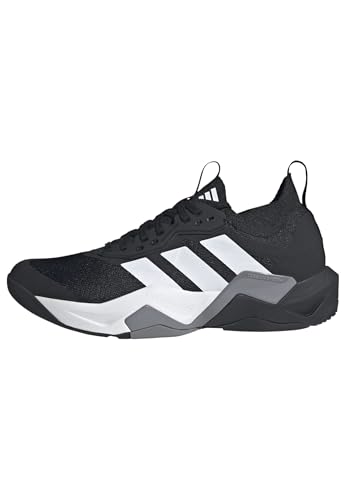
The Rapidmove Advance 2 refines the Rapidmove line with extra responsiveness and a slightly wider platform. I tested it during sprint intervals and ladder work and appreciated the quick toe-off. The platform feels secure for short weight circuits and lateral moves.
It’s a reliable choice if you want a shoe that supports aggressive interval training without the weight of heavier cross-trainers. The design aids speed and repeatability in interval sets.
Pros:
- Improved responsiveness for fast intervals
- Stable platform for mixed movement
- Better fit for wider feet than earlier models
- Good traction across surfaces
- Lightweight feel encourages fast turnover
Cons:
- Not the best choice for long-distance running
- Some may prefer firmer soles for heavy lifts
My Recommendation
I recommend the Adidas Rapidmove Advance 2 for athletes who chase speed and repetition in intervals. I found it to be among the best shoes for interval training when quick recovery and fast turnover are the goals. It works well for short bursts, agility, and transition work.
| Best for | Why |
| Speed intervals | Responsive midsole for rapid toe-off |
| Wider-foot athletes | Roomier platform and fit |
| Circuit training | Stable enough for transitions and lifts |
FAQs Of best shoes for interval training
What features matter most in shoes for interval training?
Focus on stability, traction, and responsive cushioning. Stability helps lifts and lateral moves. Traction prevents slips during quick cuts. Responsive cushioning gives protection without slowing you down.
Should I buy different shoes for sprints and lifting intervals?
It depends on your training mix. I often use a single hybrid trainer for mixed sessions. But if you do heavy lifts plus long sprints, consider a stable lifter and a lighter speed shoe for optimal performance.
How do I choose the right size and fit?
Try shoes with similar socks to your workout kit. Ensure a thumb’s width at the toe and no heel slip. For interval training, a snug midfoot and secure heel are more important than a loose fit.
Can I use minimalist shoes for interval training?
Yes, but transition slowly. Minimalist shoes can improve foot engagement and speed. Start with short intervals and increase volume gradually to avoid strain.
How often should I replace interval shoes?
I replace trainers every 300–500 miles or when cushioning and stability feel worn. For heavy interval use, monitor outsole wear and midsole compression closely and replace sooner if performance drops.
Final Verdict: Which Should You Buy?
For mixed interval training that blends strength and speed, the Nike Metcon 8 is my top pick for stability and durability. For speed and agility-focused intervals, the Adidas Rapidmove 2 and Rapidmove Advance 2 shine with responsiveness.
Overall, pick a shoe that matches your interval style—lift-heavy sessions need stability, while sprint-heavy work needs light responsiveness. Any of these models rank among the best shoes for interval training and will boost your sessions when chosen to match your needs.

Madison Clark is a footwear expert and the voice behind MyStyleGrid.com. She specializes in honest shoe reviews, style tips, and practical guides to help readers find the perfect pair for any occasion. With years of experience in blogging and content creation, Madison makes footwear knowledge simple, stylish, and easy to follow.