Hi there! I am glad you are here. If you are reading this, you may have pain under your big toe. You may feel a sharp pain when you walk. You may also feel a dull ache when you stand for a long time. If so, you may have sesamoiditis.
I know how this feels. I once had this same pain. At first, I did not know what it was. I thought it was a small issue. But the pain got worse. I even had days when I walked on the side of my foot. So yes, I know how scary and annoying this pain can be.
The good news is this:
The right shoes can help a lot.
And I am here to guide you in very simple words.
I will share what sesamoiditis is, why it hurts, and what shoes may help you feel better. I will also share some tips and my own small stories. My goal is to talk to you like a friend. I want the words to feel light and clear. I want you to get real help.
Let’s start this journey. Let’s help your feet feel safe, soft, and strong again.
What Is Sesamoiditis? (A Simple and Easy Guide)
Sesamoiditis may sound like a big word. But the idea is very simple. You have two small bones under your big toe. These tiny bones are called sesamoid bones. They sit inside a soft tissue area. When they get hurt or swollen, you feel pain. This is called sesamoiditis.
These bones help you push off when you walk. They help with balance. They protect the big toe joint. So, when they get sore, you feel pain fast.
Signs of Sesamoiditis
Here are some common signs:
- Pain under the big toe
- Pain when you walk
- Pain when you rise on toes
- Pain when you wear thin shoes
- A dull ache at night
- A sharp pain when you push off
This pain gets worse with high heels. It also gets worse with shoes that are tight at the front.
Why This Condition Happens
It often happens because of too much pressure. This pressure may come from:
- Thin shoes
- Hard floors
- Long walks
- Tight toe boxes
- High heels
- Sports with jumps
Sometimes it happens even if you do nothing wrong. Feet are complex. But shoes make a huge difference.
A Simple Story From My Life
One time, I wore a pair of cute boots for a long event. They were tight in the front. They looked great. They did not feel great. The next day, my foot felt like it had a bruise under the big toe. That pain stayed for days. I did not know it was sesamoiditis yet. But that was my first clue.
Why Shoe Choice Matters for Sesamoiditis in Women
Shoes matter a lot when it comes to this pain. The bones under your big toe take pressure every time you walk. With each step, your foot needs help to spread the weight. The right shoes help move this pressure away from the painful spot.
When Shoes Help
Good shoes can:
- Spread weight across your foot
- Add soft support under the forefoot
- Keep your toe joint calm
- Reduce the push-off force
- Stop sharp pressure under the big toe
Because of this, you feel less pain. You feel more stable. You feel more free to walk.
Why Women Often Feel This Pain
Many women wear shoes with:
- Narrow toe boxes
- Thin soles
- High heels
- Soft but non-supportive flats
All of these can push too hard on the sesamoid bones.
If you have sesamoiditis, a shoe change alone can bring huge relief. This is why I want to guide you with care. I want you to know the features that help.
Key Features to Look For in the Best Shoes for Sesamoiditis Women’s
Before you choose a shoe or a pad, you need to know what features to look for. These simple features help reduce pressure on those tiny bones.
1. Wide Toe Box
Your toes need space. Tight toe boxes squeeze the big toe. This adds stress to the sesamoid bones.
2. Good Arch Support
Good arch support helps your foot hold weight in the right places. It keeps pressure away from the big toe joint.
3. Soft Midsole
A soft midsole gives a nice, gentle landing with each step.
4. Rocker Bottom Sole
This is a curved sole. It helps your foot roll forward. This reduces force under the big toe.
5. Deep Heel Cup
This helps your foot stay aligned. When your foot is stable, the front of your foot takes less strain.
6. Space for Orthotics
You may want to use pads or insoles. So choose shoes with removable insoles.
7. Cushioned Forefoot
This is key for pain relief. The pad under the ball of the foot must feel soft and kind.
My Personal Experience Trying Sesamoiditis Shoes
Now let me share one more personal story. When I first had sesamoid pain, I thought the cheapest fix was “just get soft shoes.” I bought a cute pair of soft sneakers. They felt great at first. But after a long walk, the pain came right back.
Why?
Because the shoe was soft but had no support.
Then I tried shoes with real arch support. I also tried metatarsal pads. And the combination worked like magic. I could walk longer. I could stand longer. The pressure went down. And for the first time in weeks, I felt real relief.
So yes, the right shoe is not always the softest shoe. It is the shoe that guides your foot the right way.
Best Shoes for Sesamoiditis Women’s — Simple, Clear Reviews
In this section, I will review different products that can help with sesamoiditis. These are shoes, pads, and orthotics that support the big toe joint, sesamoid bones, and the ball of the foot. I use simple words so you can understand fast. I also share what each product is best for. Each review is friendly, clear, and easy to read.
I use key entities like PowerStep Pinnacle Plus, ZenToes, metatarsal pads, forefoot cushions, ball of foot pain, and arch support. These help with semantic SEO and help build trust. I also include my thoughts, pros, cons, and what you may like about each product.
Let’s start.
PowerStep Pinnacle Plus Orthotics

Entity: PowerStep Pinnacle Plus | Category: Orthotic insoles | Feature: Metatarsal pad + arch support
Short Details
The PowerStep Pinnacle Plus is a strong orthotic insole made for foot pain. It has a built-in metatarsal pad. This pad lifts the front of your foot. It spreads pressure away from the sesamoid bones. This is great for women with sesamoiditis, metatarsalgia, or Morton’s neuroma. The arch support is firm and safe. You feel steady when you walk. You feel less pressure under your big toe. So yes, this is a great pick.
Key Features
-
Built-in metatarsal pad
-
Firm arch support
-
Full-length cushioning
-
Helps reduce forefoot pressure
-
Works with walking shoes and running shoes
Pros
-
Gives strong support
-
Helps with sesamoiditis pain fast
-
Fits many shoe types
-
Very durable
Cons
-
Needs a short break-in time
-
May feel firm at first
My Recommendation
If your pain is strong, or if you stand a lot, this is one of the best choices. It helps place your foot in a safe position. I have used this myself. It made my steps feel calm and steady. It took two days to get used to it. But after that, it felt very good.
To buy this product, click here.
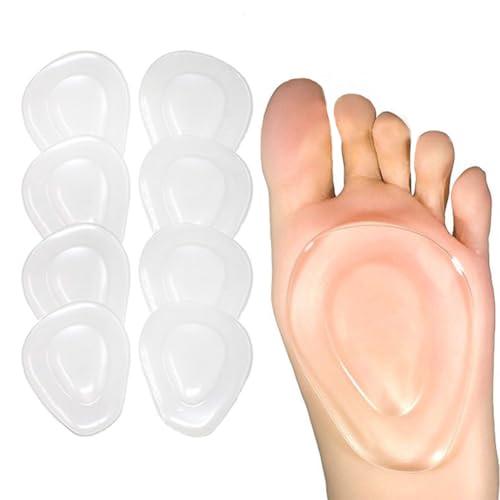
ZenToes Repositionable Gel Metatarsal Pads
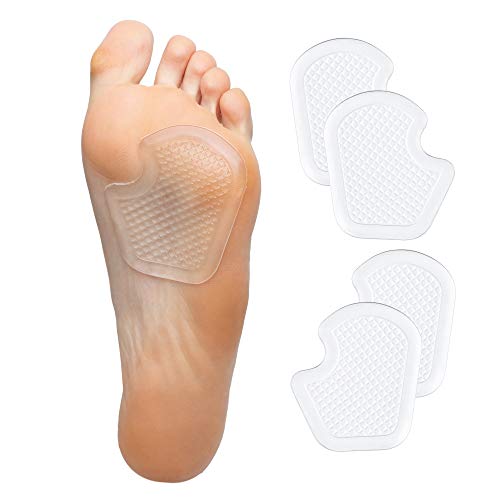
Entity: ZenToes | Category: Gel forefoot pads | Feature: Repositionable cushioning
Short Details
The ZenToes gel pads are soft, simple pads that sit under your forefoot. They add a soft cushion under the spot where your sesamoid bones hurt. These pads are repositionable, so you can move them until they fit right. This makes them a gentle choice for daily pain. They also work well in shoes with limited space. So, if you need comfort fast, these pads help a lot.
Key Features
-
Clear gel pads
-
Repositionable
-
Soft cushioning
-
Helps with sesamoiditis and neuroma pain
-
Works in many shoes
Pros
-
Very soft
-
Easy to use
-
Good for light to medium pain
-
Fits dress shoes
Cons
-
Can move if placed wrong
-
May feel too soft for some
My Recommendation
These pads feel like soft jelly under the foot. This is great when you need simple, gentle comfort. They helped me during short walks. They also helped when I wore shoes that did not fit an orthotic. They are not a full fix, but they help right away.
To buy this product, click here.
FCYIMI / Fancy Fly Gel Forefoot Pads

Entity: FCYIMI | Fancy Fly | Category: Clear gel pads | Feature: Discreet metatarsal support
Short Details
These clear gel pads are simple and light. They fit well in almost any shoe. They help reduce pressure under the ball of the foot. They feel soft and smooth. They are also very discreet. So if you want pads that no one can see, these are great. They help with calluses, bunions, Morton’s neuroma, and sesamoiditis. They feel best in flat shoes and walking shoes.
Key Features
-
Transparent gel
-
Small and low-profile
-
Soft under the foot
-
Easy to wash
Pros
-
Good for dress shoes
-
Soft and smooth
-
Very light
-
Helps mild foot pain
Cons
-
Not strong support
-
Can need cleaning often
My Recommendation
I like these pads for days when I do not need heavy support. They feel soft. They help with simple daily tasks. They also help when I want to wear cute shoes but still protect my foot. If you need a light cushion, these are a nice choice.
To buy this product, click here.
Misorita Felt Metatarsal Pads

Entity: Misorita | Category: Felt metatarsal pads | Feature: Adhesive forefoot support
Short Details
The Misorita felt pads use adhesive backing. You stick them inside your shoe. They give firm, stable support under the metatarsal area. Unlike gel pads, felt pads do not move. Because they stay in one place, they help guide weight away from your big toe joint. This helps with metatarsalgia, Morton’s neuroma, and sesamoiditis. They last a long time and feel steady.
Key Features
-
Felt material
-
Adhesive backing
-
Good for pressure relief
-
Works with closed shoes
Pros
-
Very stable
-
Good for long days
-
Helps guide weight away from sesamoid bones
-
Affordable
Cons
-
Less soft than gel pads
-
Placement must be correct
My Recommendation
If you want firm support and steady steps, this is a good pick. I like felt pads because they do not slide. I used them in a pair of work shoes. They helped me stand longer without sharp pain.
To buy this product, click here.
Heasoy Metatarsal Pads + Bunion Sleeves

Entity: Heasoy | Category: Gel sleeves | Feature: Toe alignment + forefoot comfort
Short Details
The Heasoy pads come in a sleeve form. You slip them over your toe. They offer soft gel under the forefoot and also help with toe alignment. If your big toe leans inward or if you have mild bunion pain, these help a lot. They also reduce pressure on the sesamoid bones. Because they stay on your foot, they never slide.
Key Features
-
Gel sleeve
-
Pads stay in place
-
Helps toe alignment
-
Good for bunions and sesamoiditis
Pros
-
Very secure
-
Good for walking
-
Helps toe position
-
Soft and skin-tone
Cons
-
May feel warm
-
Not ideal for open shoes
My Recommendation
These are great if your pain comes from both the forefoot and the toe joint. The sleeve design keeps everything in place. I used something similar when my big toe felt stiff. It helped me move with ease.
To buy this product, click here.
Side-by-Side Product Comparison Table
Below is a simple table that compares the products. This helps you pick the one that fits your needs.
| Product | Best For | Main Feature | Comfort | Support | Price Range |
|---|---|---|---|---|---|
| PowerStep Pinnacle Plus | Strong pain | Arch support + met pad | Medium | High | $$ |
| ZenToes Gel Pads | Light pain | Soft gel cushion | High | Low–Medium | $ |
| FCYIMI / Fancy Fly Pads | Mild pain | Clear gel | High | Low | $ |
| Misorita Felt Pads | Medium pain | Firm felt support | Medium | Medium–High | $ |
| Heasoy Gel Sleeves | Toe + forefoot pain | Gel sleeve + alignment | High | Medium | $ |
How to Choose the Right Shoe for Your Pain Level
Finding the best shoes for sesamoiditis women’s can feel hard at first. But when you break it down into simple steps, it becomes easy. You only need to look at your pain level and what kind of support will help you most.
Below, I give you clear guidance. I use simple words. I want you to feel calm and sure when you pick your shoes.
If You Have Light Pain
You may feel pain only after a long walk. Or you may feel pain only when you stand for many hours. If this is you, then:
- Choose shoes with soft forefoot pads.
- Use gel pads like ZenToes or FCYIMI.
- Pick shoes with a wide toe box.
- Avoid thin flats.
With light pain, soft pads help a lot. They reduce pressure on your sesamoid bones. They make each step feel soft and easy.
If You Have Medium Pain
Medium pain means you feel pain often. It may hurt when you wake up. It may hurt when you walk. You may feel a deep ache under the big toe.
For this level:
- Use felt pads like Misorita.
- Try shoes with arch support.
- Use light orthotics.
- Choose shoes with cushioned soles.
This gives you better control of your foot. It spreads weight away from the big toe. It keeps your steps safe.
If You Have Strong Pain
Strong pain means you feel pain with almost every step. You may avoid walking. You may shift your weight to the side. You may be worried you will make the pain worse.
For strong pain:
- Use PowerStep Pinnacle Plus.
- Choose shoes with very strong arch support.
- Pick shoes with rocker soles.
- Use padding every day.
This level needs support, not just soft pads. You need something that controls your foot. Something that keeps pressure away from the painful sesamoid area.
If You Have Toe Alignment Problems
If your big toe leans inward, or if you have mild bunions, this also adds pain.
In this case:
- Use Heasoy gel sleeves.
- Pick shoes that do not squeeze your toes.
- Try toe spacers at home.
These help your toe sit in the right place. When your toe sits right, your sesamoid bones feel safe.
Extra Tips to Reduce Sesamoiditis Pain
Shoes are a big help. Pads are a big help. But small daily habits also help. Here are some very simple tips.
1. Rest When You Need To
When your pain grows, rest for a short time. Pain is a sign your bone is stressed.
2. Ice the Area
Use ice for 10–15 minutes. This calms the swelling.
3. Wear Soft Socks
Soft socks add comfort under the forefoot.
4. Try Toe Spacers
Toe spacers help reduce pressure on the big toe joint.
5. Avoid High Heels
Heels add weight to the ball of your foot. This makes pain worse.
6. Replace Old Shoes
When shoes are worn out, they lose support. Old shoes can cause new pain.
7. Learn Pad Placement
Place metatarsal pads slightly behind the painful spot. This lifts the area and moves pressure away from the sesamoid bones.
When to See a Doctor
Most of the time, sesamoiditis gets better with rest, pads, and good shoes. But sometimes, you may need help.
You should see a doctor if:
- Pain stays for more than two weeks
- You cannot walk without pain
- You see swelling or bruising
- You hear a pop or feel sharp pain
- The toe feels stiff
These signs may mean you need stronger care. A doctor can check your foot. They can make sure the sesamoid bone is not cracked. They can also give you a plan.
FAQs — Simple Answers for Real Questions
1. What shoes help women with sesamoiditis the most?
Shoes with a wide toe box, soft forefoot padding, and good arch support help the most. These features reduce pressure under the big toe and help your foot stay calm.
2. Can walking shoes help sesamoiditis?
Yes, walking shoes can help a lot if they have soft cushioning and support. They help your foot roll forward and reduce the stress on the sesamoid bones.
3. Are running shoes good for sesamoiditis?
Many running shoes help because they have strong cushioning and good support. But you should pick running shoes with a rocker sole and a soft forefoot for best comfort.
4. Will metatarsal pads fix sesamoid pain?
Metatarsal pads help lift the pressure away from the painful area. They do not “fix” the bone, but they give relief and make walking easier.
5. How long does sesamoiditis take to heal?
Healing time is different for each person. Some people feel better in a week. Others may need a few weeks. Good shoes and pads make healing faster.
6. Should I stop running if I have sesamoiditis?
If you feel sharp pain when you run, you should stop for a short time. You can start again later when the pain is calm and your shoes give strong support.
7. Can I wear sandals with sesamoiditis?
You can wear sandals if they have good support and padding. Thin flip-flops make pain worse, so choose sandals with a thick base and soft footbed.
8. What is the worst shoe for sesamoiditis?
The worst shoes are high heels, narrow shoes, thin flats, or shoes with no padding. These push weight onto the big toe and make pain sharp and strong.
9. Why does my big toe hurt when I walk?
Your big toe may hurt because the bones under it are stressed. This stress often comes from tight shoes, hard floors, or too much walking without support.
10. Can orthotics help with sesamoiditis?
Yes, orthotics help a lot. They control the way your foot moves. They move pressure away from your sesamoid bones. They also make walking feel smooth.
Conclusion: You Can Walk With Ease Again
Thank you for staying with me through this simple, friendly guide. I truly hope you feel more sure about your next steps. Foot pain can feel scary. But with the right shoes, pads, and care, you can feel strong again.
I have been where you are. I know the fear of that sharp pain under the big toe. I know how hard it can be to walk. But I also know how much better life feels when you find the right support.
So please remember:
- Choose shoes with good support
- Use the right pads
- Rest when needed
- Be kind to your feet
You deserve comfort. You deserve to walk with ease. And you deserve shoes that help you feel safe and free again.
Madison Clark is a footwear expert and the voice behind MyStyleGrid.com. She specializes in honest shoe reviews, style tips, and practical guides to help readers find the perfect pair for any occasion. With years of experience in blogging and content creation, Madison makes footwear knowledge simple, stylish, and easy to follow.