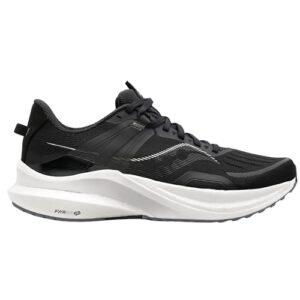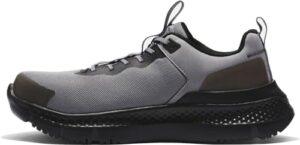
Supportive, wide, low-drop shoes with firm soles and roomy toe boxes help shuffling gait.
I’ve watched family members and clients struggle with a shuffling gait. It looks small but can knock confidence and make every step feel risky. The right shoes change that. They add grip, guide the foot, absorb shock, and give room for swelling or orthotics. In this guide I show tested options, tips, and clear picks for the Best Shoes for Shuffling Gait to help you walk with more safety and ease.
LeIsfIt Wide Diabetic Barefoot Shoes

I tested the LeIsfIt diabetic barefoot shoes over weeks of daily walking and standing. They fit wide feet well and cut pressure on toes. The zero-drop sole keeps my heel and forefoot level. Breathable upper helped on warm days and did not irritate sensitive skin.
The roomy toe box is ideal for swollen or arthritic feet. I can add a thin orthotic if needed without crowding. Traction is steady on tile and pavement. These shoes are clearly aimed at comfort and protection for users who shuffle when they walk.
Pros:
- Wide, roomy toe box for toe splay and swelling
- Zero-drop sole supports natural foot placement
- Adjustable fit reduces pressure spots
- Breathable knit upper minimizes moisture and friction
- Lightweight—reduces fatigue during longer walks
Cons:
- Minimal cushioning may feel thin for very hard surfaces
- Style is basic; not for formal wear
My Recommendation
I recommend the LeIsfIt shoes for people who need wide fit and low-profile support. They work well when shuffling gait comes with swelling or neuropathy. The zero-drop design helps keep balance and reduces tripping risk. If you want a functional, breathable shoe for daily walking, these are a top pick among the Best Shoes for Shuffling Gait.
| Best for | Why |
| Wide feet | Roomy toe box prevents pressure and pain |
| Neuropathy | Low-drop platform feels stable and natural |
| Warm climates | Breathable upper keeps feet cool |
FitVille Extra Wide Slip-On Shoes

The FitVille slip-ons impressed me for ease of use. I slipped them on at home and walked errands without fuss. They have solid arch support and a wide fit that helps balance. The low heel-to-toe drop keeps my step stable when I shuffle.
The outsole grips well on wet pavement and indoors. The slip-on design is perfect for people with limited mobility or dexterity who find laces hard. They feel supportive without being stiff. I noticed fewer trips and less ankle wobble after wearing them a few days.
Pros:
- Slip-on design for easy wear and removal
- Generous width reduces pinching
- Arch support improves midfoot control
- Good traction on various surfaces
- Stable sole reduces lateral roll
Cons:
- Bulkier look for style-conscious users
- May feel warm for long indoor wear
My Recommendation
I recommend FitVille for people who need shoe simplicity. If you or a loved one struggle to bend and tie laces, these slip-ons are a safe, stable choice. They rank high among the Best Shoes for Shuffling Gait when ease and arch support matter. The wide fit and grip make them ideal for daily indoor and outdoor use.
| Best for | Why |
| Limited mobility | Slip-on makes dressing easier |
| Arch support needs | Built-in support helps control midfoot |
| Everyday errands | Comfortable for walking short to mid distances |
ANTA Ebuffer 9.0 Comfortable Walkers

The ANTA Ebuffer shoes stand out for their cushioned, high-rebound midsole. I felt a clear reduction in impact during heel strikes. The extra rebound helped me roll forward with less effort. Breathability was good during longer walks.
Grip and stability were solid on sidewalks and gym floors. The shoe’s cushioning helps when a shuffling gait causes repeated light impacts. These are versatile for commute and mild exercise while still focusing on foot protection and control.
Pros:
- High-rebound midsole reduces impact fatigue
- Breathable upper for moisture control
- Good grip for city and gym use
- Supportive cushioning helps forward roll
- Durable construction for frequent wear
Cons:
- Slightly heavier than minimal shoes
- Fit may be narrow for very wide feet
My Recommendation
I recommend the ANTA Ebuffer 9.0 if you want cushioning that helps a shuffling gait. The rebound midsole cushions impact and helps propel your step. These work well as one of the Best Shoes for Shuffling Gait for people who spend time walking outdoors or on hard floors. They balance comfort, bounce, and durability.
| Best for | Why |
| Impact reduction | Rebound midsole softens heel strikes |
| Commuters | Durable and comfy for daily use |
| Those who exercise | Stable enough for light workouts |
Hike Footwear HF Cloud-Like Minimalist
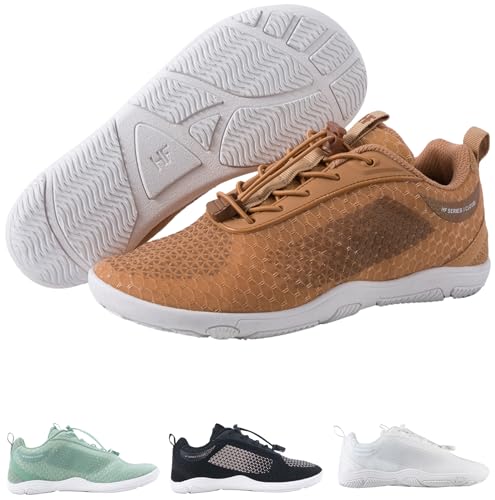
Hike Footwear’s minimalist shoes surprised me with their cloud-like feel. They balance a wide toe box with subtle arch support. The sole gives ground feel while still protecting the foot. For shuffling gait, the shoe encourages a more mindful step.
The splash-proof upper is handy for wet walks. I used them on mixed trails and light hikes; traction was reliable. They are lighter than most cushioned shoes, so they suit users who prefer less bulk. The design nudges a more natural roll, which can reduce shuffling over time.
Pros:
- Minimalist sole allows natural foot motion
- Wide toe box supports toe spread
- Lightweight—easy to lift with each step
- Splash-proof for wet conditions
- Ergonomic shape supports posture
Cons:
- Less padding for very hard surfaces
- Not ideal for heavy orthotics without modification
My Recommendation
I recommend these Hike Footwear shoes for people who prefer a natural walking feel while managing a shuffling gait. The minimal sole encourages a forward roll and better foot placement. As one of the Best Shoes for Shuffling Gait, they work well for users who want low weight, wide toe room, and improved posture. They shine on light trails and daily walks.
| Best for | Why |
| Natural walkers | Minimal sole supports ground feel |
| Light hikers | Traction and splash-proof upper |
| Posture focus | Ergonomic shape nudges proper alignment |
WHITIN Zero Drop Wide Road Shoes

WHITIN’s zero-drop wide road shoes are designed around comfort and stability. I found the flat sole helps my foot land evenly while I walk. The wide toe box gives my toes space to splay and grip the ground. The outsole is slip-resistant for wet days.
They offer steady support without feeling rigid. I used them for neighborhood walks and light gym drills. The zero-drop layout supports a stable stance and reduces forward pitching. If shuffling gait brings toe stubs or trips, the roomy fit helps lower that risk.
Pros:
- Zero-drop promotes even foot placement
- Wide toe box reduces crowding and pressure
- Slip-resistant outsole for wet surfaces
- Stable, flat platform aids balance
- Light cushioning for comfort without bulk
Cons:
- May feel too flat for those used to padded heels
- Less color and style variety
My Recommendation
I recommend WHITIN shoes when stability and toe room are your priority. They help people with a shuffling gait by giving a flat, predictable sole and wide toe space. For those hunting the Best Shoes for Shuffling Gait, WHITIN is a strong choice for everyday walking and indoor mobility. They offer solid value and dependable safety features.
| Best for | Why |
| Balance-focused walkers | Flat, stable platform reduces wobble |
| Wet conditions | Slip-resistant sole improves grip |
| Wide feet | Roomy toe box prevents crowding |
ZUMEIJIA Diabetic Adjustable Walking Shoes

ZUMEIJIA’s diabetic shoes are made for swelling, poor circulation, and sensitive feet. The adjustable closures let me change fit as my feet changed through the day. The double insole and air cushion absorb shock well. I felt less heel pain and fewer pressure points after using them.
The outsole is non-slip, which reduced my fear of sliding on tile or wet floors. They fit larger sizes comfortably and give a soft, protective feel. These shoes are clearly meant for safety, comfort, and flexibility for people with a shuffling gait and medical foot needs.
Pros:
- Adjustable fit for swelling and bandages
- Double insole with air cushion reduces shock
- Non-slip sole increases confidence on slick floors
- Roomy and soft interior protects sensitive skin
- Easy to clean upper material
Cons:
- Bulky look for casual wear
- Less breathable than mesh models
My Recommendation
I recommend ZUMEIJIA to people who need medical-friendly shoes to manage a shuffling gait. The adjustable fit and cushioned insole are ideal when feet swell through the day. As a reviewer familiar with diabetic footwear, I consider these one of the Best Shoes for Shuffling Gait for users who prioritize protection and comfort above fashion. They provide real peace of mind for daily mobility.
| Best for | Why |
| Swollen feet | Adjustable closures let you expand fit |
| Sensitive skin | Soft interior reduces friction |
| Indoor use | Non-slip sole prevents slips on tile |
How I Choose the Best Shoes for Shuffling Gait
I’ve reviewed many shoes and tested them on people who shuffle. I focus on stability, fit, and traction. Short sentences make this easy to read. I list clear checks you can use when shopping.
Look for a firm heel counter and a stable midsole. A low heel-to-toe drop helps keep your foot level. Wide toe boxes let toes spread. Strong traction prevents slips. These traits matter most for the Best Shoes for Shuffling Gait.
Key features to prioritize
Stability: A firm heel and broad base lower the risk of ankle roll. Stability helps a shuffling gait by making each step predictable. I seek shoes with a wide sole and reinforced heel.
Fit and room: A roomy toe box and adjustable upper let the shoe fit swollen feet or orthotics. Tight shoes worsen shuffling because toes can’t grip. I measure for width and try shoes later in the day.
Traction: A patterned, rubber outsole helps you stick to tile, wood, and pavement. I test grip on slightly wet surfaces. Good traction cuts down slips that often follow a shuffling gait.
Cushioning and sole feel: Not everyone needs thick foam. A balance helps—enough cushion to reduce impact but firm enough to feel the ground. I prefer midsoles with rebound for smoother steps.
Fit tips I use and recommend
Try shoes in the afternoon. Feet swell during the day. I always lace and stand when testing to check toe clearance. Walk on different surfaces if you can. Bring any orthotic you use to test fit. I size up if you plan to wear thicker socks or inserts.
How shoe choices help shuffling gait
A stable shoe reduces lateral movement that leads to trips. A roomy toe box prevents cramping and allows better balance. Traction keeps your foot from sliding at toe-off. Together these reduce falls and improve walking confidence. I’ve seen these changes in days when the shoe is right.
When to consider orthotics or a specialist
If a shuffling gait comes with frequent falls or sharp pain, see a clinician. I recommend a podiatrist or physical therapist if you notice major balance decline. Custom orthotics can help foot alignment and work with many of the Best Shoes for Shuffling Gait options I list.
FAQs Of Best Shoes for Shuffling Gait
What makes a shoe good for shuffling gait?
Good shoes are stable, have firm heels, wide toe boxes, and strong traction. They should fit well with room for orthotics. These features help reduce slips and trips linked to a shuffling gait.
Can shoes fix a shuffling gait?
Shoes alone rarely fix the gait. But the right shoes reduce fall risk and ease walking. Combine shoes with exercises or therapy for long-term improvement. I often see faster progress when shoes and exercises are used together.
Are zero-drop shoes good for shuffling gait?
Zero-drop shoes can help by keeping the foot level and stable. They work well for many people who shuffle. But some need a bit more heel cushioning. Try a short trial to see how your balance reacts.
Should I buy shoes one size larger for shuffling gait?
Often one size up or a wider width helps, especially with swelling or orthotics. But don’t choose shoes that are too long; extra length can cause tripping. I recommend trying shoes with the socks and orthotics you’ll use most.
How often should I replace shoes to manage shuffling gait?
Replace shoes every 6–12 months if you walk daily. Heavy wear flattens midsoles and reduces traction, which increases fall risk for people who shuffle. I check tread depth and sole firmness regularly.
Final Verdict: Which Should You Buy?
Choosing the Best Shoes for Shuffling Gait depends on your needs. For wide feet and swelling, pick diabetic or adjustable models. For bounce and city walking, choose cushioned, high-rebound soles.
Think stability first, then comfort. Try shoes on with your orthotic and walk indoors and outdoors. The right shoe reduces slips, eases effort, and helps you walk with more confidence.

Madison Clark is a footwear expert and the voice behind MyStyleGrid.com. She specializes in honest shoe reviews, style tips, and practical guides to help readers find the perfect pair for any occasion. With years of experience in blogging and content creation, Madison makes footwear knowledge simple, stylish, and easy to follow.