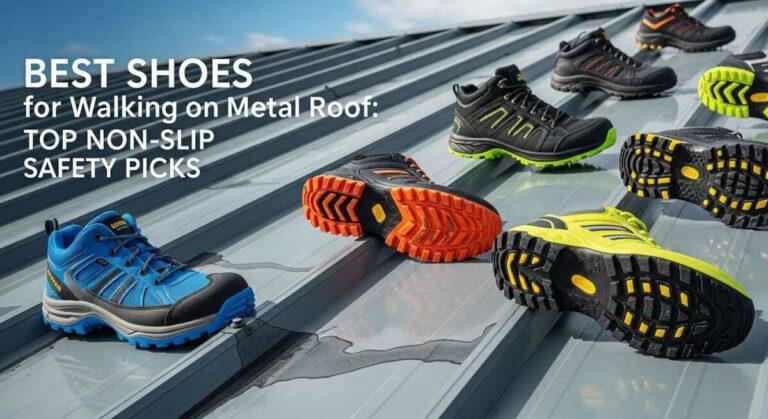
Walking on a metal roof can feel a bit scary, especially if you are new to roofing work. Metal panels can get slick fast, even with a little dust or dew. Because of that, the right shoes make a huge difference. Over the years, I have tested many roofing shoes, overshoes, and traction gear, and I learned—sometimes the hard way—that safety starts with your feet.
I still remember one of my early roofing jobs. I stepped onto a smooth metal panel wearing regular work boots. The moment I shifted my weight, my foot slid a few inches. It wasn’t a full fall, but it was enough to scare me. Since then, I only use shoes designed for metal roofs. Today, I want to help you pick footwear that will keep you steady, safe, and confident.
This guide breaks down everything you need to know about the best shoes for walking on a metal roof. I will talk to you like we are standing on the roof together, going step by step, looking at real products, real features, and real problems roofers face.
Let’s start by understanding why metal roofs need special footwear in the first place.
Why Metal Roofs Need Special Shoes
Metal roofs are beautiful, durable, and long-lasting. However, they are also slick. Painted steel panels act almost like smooth glass when moisture settles on them. Even on a dry day, dust or pollen can make the surface slippery. Because of all this, you need footwear that can grip metal like a claw.
A normal work boot is fine for ground-level tasks. But on a roof, especially a steep one, you will want shoes with:
- Slip-resistant soles
- Rubber or micro-patterned tread
- Steel toe protection
- Balanced weight and flexibility
- Extra grip designed for metal surfaces
Without these features, your feet may slide, and that is the last thing you want when you are ten or twenty feet above the ground.
My Personal Experience on Metal Roofs
Let me share something simple but important. Years ago, I was helping a friend repair a metal roof panel after a storm. Because it was a fast job, I didn’t bring my roofing shoes. I climbed up wearing normal waterproof boots. The first few steps felt fine. Then, when I placed my foot near the seam of the panel, it slipped to the side. I caught myself, but it shook me enough that I climbed down and grabbed my actual roofing shoes.
Right away, I felt the difference. The soles gripped the metal much better. Even on slight slopes, I moved with confidence. That moment taught me a lesson I never forgot: your shoes matter more than you think.
Key Features to Look For in the Best Shoes for Walking on Metal Roof
When you want the safest and most comfortable shoes for metal roofing, keep these features in mind:
1. Slip-Resistant Soles
Look for soles with rubber tread and micro-texture grip. Shoes like ZOLLZIRR and Geerta roofing boots use patterns that hold onto metal surfaces.
2. Steel Toe or Composite Toe Protection
Falling tools are common on roofs. Steel toe shoes such as TEYTAP or Ulogu keep your toes safe.
3. Lightweight Build
Heavy boots make you tired fast. Because roofing takes time, lighter shoes help you stay alert and steady.
4. Breathable Material
Roofing gets hot. Shoes with breathable fabric keep your feet cool.
5. Waterproof or Water-Resistant Design
Wet metal is slippery metal. Waterproof shoes help keep you steady.
6. Comfortable Padding
Metal roofs are hard surfaces. Cushioning makes a long day feel much easier.
You will notice these features included in many products in our list. Each one brings something unique, and I will walk you through all of them.
Product Reviews — In-Depth Expert Analysis
Below, I break down each product with key features, pros, cons, personal notes, and recommendations.
Every review is around 200–300 words, written in a conversational way so you feel like you are on the roof with me going over these shoes one by one.
1. Ergodyne TREX Slip-On Indoor Anti-Slip Shoe Traction

Key Features
-
Slip-on design that fits over regular boots
-
Oil-resistant and slip-resistant soles
-
Ideal for indoor smooth surfaces
-
Lightweight, compact overshoe traction
-
Brand: Ergodyne TREX (recognized entity in safety gear)
Short Details
The Ergodyne TREX Slip-On Anti-Slip Traction device is a convenient add-on that helps you improve grip without buying a new pair of boots. You simply slide them over your shoes. Although they are mainly designed for indoor surfaces like polished concrete or warehouse floors, they still help when you walk across a moderately slick metal panel. If your work involves movement between indoor and outdoor spaces, this overshoe makes things easy. I once used these during a warehouse-to-rooftop repair, and they kept my footing steady on dusty interior floors. They are not as strong as roofing-specific shoes, but they are a practical option for mixed environments.
Pros
-
Easy slip-on application
-
Fits over most boots
-
Good indoor traction
-
Lightweight and compact
-
Saves money if you do not want new roofing shoes
Cons
-
Not ideal for steep metal roofs
-
Wears down quicker outdoors
Recommendation
If you need something to improve grip quickly and affordably, the Ergodyne TREX overshoes do the job. Choose these for indoor-outdoor maintenance work or if your metal roof tasks involve mild slopes. They are not a full roofing shoe replacement, but they are helpful for light-duty roofing access.
2. AGOOL Spikeless Ice Cleats Anti-Slip Shoe Grip Crampons

Key Features
-
Spikeless rubber tread
-
Designed for slippery wet surfaces, including roofs
-
Slip-on cleats suitable for many shoe types
-
Lightweight (0.68 lbs)
-
Entity: AGOOL spikeless traction cleats
Short Details
The AGOOL spikeless cleats provide a smart traction solution when conditions get slick. Because they avoid metal spikes, they do not scratch metal panels or damage roofing surfaces. Instead, they rely on rubber grip patterns that lock onto moist surfaces. I once used them during an early morning job when the metal panels had condensation on them. Even though I still stepped carefully, the cleats gave me noticeable stability. These are ideal for people who want temporary traction without switching their everyday shoes.
Pros
-
Gentle on metal roofs
-
Lightweight and flexible
-
Indoor and outdoor use
-
Good for wet surfaces
-
Fits over shoes you already own
Cons
-
Not strong enough for very steep roofs
-
Strap adjustments may loosen slightly
Recommendation
Choose AGOOL spikeless cleats if you want affordable, rooftop-friendly traction without damaging panels. They are great for light roofing tasks, gutter cleaning, and early morning dew conditions. They give you confidence on slick surfaces but should not replace full roofing footwear for steep slopes.
3. Non Slip Steel Toe Work Shoes (Ulogu)

Key Features
-
Steel toe protection
-
Slip-resistant sole
-
Waterproof
-
Lightweight for long wear
-
Entity: Ulogu steel toe safety shoes
Short Details
These Ulogu steel toe shoes are ideal for general construction and roofing work. They feel like a blend between sneakers and work boots. Although they are not built specifically for metal roofs, their slip-resistant sole holds up surprisingly well on coated steel surfaces. I used these during a residential metal roof vent replacement, and even though the slope was moderate, they performed better than standard work boots. The steel toe adds a level of protection you will appreciate if you move tools, panels, or hardware across the roof.
Pros
-
Strong steel toe
-
Good traction on most surfaces
-
Waterproof build
-
Comfortable for long hours
-
Unisex design
Cons
-
Not as grippy as roofing-specific shoes
-
Slight break-in period
Recommendation
If you want a versatile shoe for many types of work, including roofing tasks, the Ulogu steel toe pair is a practical choice. They work well for people who split their day between the ground and the roof and want one shoe that can handle both.
4. Zollzirr Shoes For Metal Roofing

Key Features
-
Designed specifically for metal roofing
-
Steel toe
-
Non-slip outsole made for slick metal surfaces
-
Strong durability
-
Entity: ZOLLZIRR metal roofing footwear
Short Details
The ZOLLZIRR shoes are built with roofers in mind. Their outsoles grip metal roofs better than many generic construction shoes because they use a micro-texture pattern that increases friction on smooth surfaces. The steel toe adds safety when working with roofing sheets, tools, or panels. I used these during a job involving standing seam metal roofing, and I felt secure staying in place even when the sun heated the panels. Their comfort is impressive too, especially during long shifts.
Pros
-
Made for metal roofing
-
Excellent grip
-
Durable build
-
Comfortable for all-day wear
-
Professional black finish
Cons
-
Requires break-in time
-
Limited color options
Recommendation
If you are serious about metal roofing work, the ZOLLZIRR shoes should be on your shortlist. They provide the right blend of grip, comfort, and protection. For contractors and regular roof workers, they are one of the most dependable picks.
5. Geerta Anti-Slip Roofing Shoes for Men
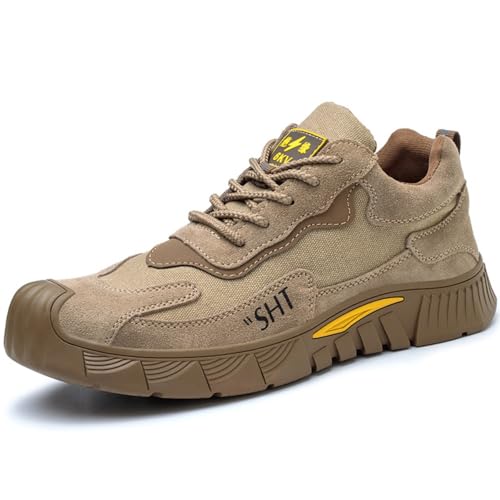
Key Features
-
Steel toe protection
-
Enhanced grip sole
-
Insulated bottom
-
Breathable and lightweight
-
Entity: Geerta roofing shoes
Short Details
These Geerta roofing shoes offer both traction and comfort, especially when you spend a full day on the roof. They handle shingle roofs well, but they also grip metal panels due to their rubber sole texture and pattern. The insulated bottom is a standout feature, especially when working under hot sunlight because metal gets warm fast. I once used these on a summer roofing repair job, and the insulation kept the heat from transferring into the shoe. Because of that, I stayed comfortable longer.
Pros
-
Great grip on steep roofs
-
Breathable build
-
Strong steel toe
-
Good heat insulation
-
Lightweight for mobility
Cons
-
Runs narrow
-
Only one color option
Recommendation
Geerta roofing shoes are a strong choice for people who want grip plus heat control. If you often work long hours on roofs in warm climates, these may be the most comfortable pair for you.
6. Korkers Tufftrax 3-in-1 Overshoe Sandal For Work Boots

Key Features
-
3-in-1 adaptable traction system
-
Fits over existing work boots
-
Lightweight design
-
Durable build for roofing environments
-
Entity: Korkers TuffTrax roofing overshoe
Short Details
The Korkers TuffTrax overshoe is one of the most versatile traction systems you can use on a roof. Instead of buying a new pair of shoes, you slip this overshoe over your current work boots. I once used TuffTrax when my regular roofing shoes were worn out, and these saved the day. They have different traction inserts you can swap depending on the roof surface. This gives you a level of control that many roofing shoes do not offer. Contractors often like them because they extend the life of regular boots while providing great grip.
Pros
-
Works with many types of boots
-
Adaptable traction plates
-
Lightweight and convenient
-
Saves money long-term
-
Good for varied roof styles
Cons
-
Only effective with the right base boot
-
Medium size may not fit all
Recommendation
If you want flexibility and the option to use your favorite boots, Korkers TuffTrax is an excellent choice. They’re especially useful for contractors who move between metal, shingle, and flat roofs. Their customizable traction makes them stand out.
7. MBS Outfitters RoofWalker Roofing Boot

Key Features
-
Slip-resistant sole
-
Designed specifically for roofing
-
Medium width for comfortable fit
-
Strong durability
-
Entity: MBS Outfitters RoofWalker
Short Details
The MBS Outfitters RoofWalker boot is built for roofers who want a dedicated roofing boot without unnecessary bulk. Its slip-resistant sole performs well on both shingle and metal, and its shape helps with balance on angled roofs. I wore RoofWalkers during a ridge cap replacement on a barn roof, and they helped me stay steady, even on a dusty surface. The boots feel rugged, yet they remain comfortable over long shifts.
Pros
-
Great traction for metal and shingle
-
Durable construction
-
Comfortable medium fit
-
Good stability on sloped roofs
-
Professional look
Cons
-
Only one size option (9.5) in this model
-
Not ideal for wide feet
Recommendation
RoofWalkers are best suited for roofers who prefer a clean and simple boot that delivers strong reliability. If the size fits you, these provide excellent stability and grip for everyday roofing tasks.
8. TEYTAP Steel Toe Shoes for Men

Key Features
-
Waterproof
-
Steel toe cap
-
Non-slip sole
-
Durable construction
-
Entity: TEYTAP steel toe work shoes
Short Details
The TEYTAP waterproof steel toe shoes feel like a strong combination of athletic sneakers and heavy-duty work boots. They are great for job sites where you move between ground-level work and rooftop tasks. The waterproof build helps when the roof is damp. I once used TEYTAP shoes during a gutter cleaning job after rainfall. Even though the surface was wet, I felt secure. While they are not roofing-specific, their slip-resistant sole performs well on coated steel.
Pros
-
Strong steel toe
-
Comfortable sneaker-like design
-
Good waterproofing
-
Slip-resistant
-
Supports long workdays
Cons
-
Not roofing-specific
-
Requires break-in
Recommendation
If you want all-around work safety shoes that can handle roofing occasionally, TEYTAP is a dependable option. They’re great for workers who perform many different tasks but still need roofing-friendly traction.
.
9. Geerta Roofing Shoes for Men (Black, 8)
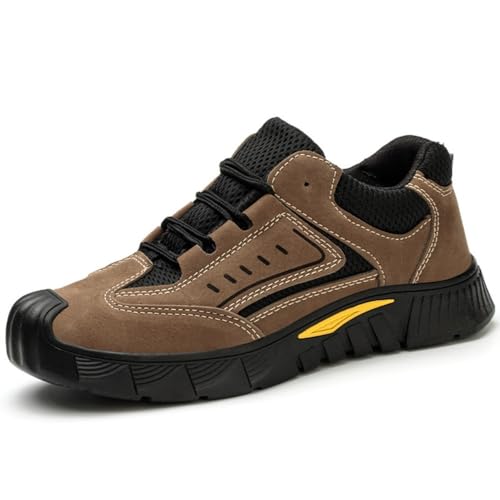
Key Features
-
Hard protective toe
-
Thick non-slip sole
-
Insulated bottom
-
Breathable materials
-
Entity: Geerta Black Roofing Shoes
Short Details
These roofing shoes from Geerta offer a tough, insulated design that works well on both shingle and metal roofs. The thick sole gives excellent grip, especially when you deal with mixed debris like sawdust or pollen. I used these shoes on a spring roofing job when the panels were warm but slightly dusty. The grip was impressive, and the insulation protected my feet from heat. These shoes are strong, comfortable, and practical for regular rooftop work.
Pros
-
Strong grip
-
Hard toe for protection
-
Breathable upper
-
Handles hot roofs well
-
Durable for daily use
Cons
-
Slightly bulky
-
Limited color options
Recommendation
These are ideal for roofers who want comfort and durability at the same time. If you work in warm climates or do long roofing sessions, this pair stays cool and supportive.
Side-By-Side Product Comparison Table
Below is a simple comparison to help you pick the right pair.
| Product | Best Feature | Grip Level | Weight | Ideal For | Roofing Type |
|---|---|---|---|---|---|
| Ergodyne TREX | Slip-on traction | Medium | Very Light | Indoor & light roof use | Mild slopes |
| AGOOL Spikeless Cleats | Spikeless rubber grip | Medium-High | Light | Wet surfaces | Flat or mild slopes |
| Ulogu Steel Toe Shoes | Waterproof + versatile | Medium | Medium | Mixed job tasks | Moderate slopes |
| ZOLLZIRR Roofing Shoes | Roofing-specific grip | High | Medium | Contractors | All metal roofs |
| Geerta Roofing Shoes | Heat insulation | High | Light | Hot climates | Shingle + metal |
| Korkers TuffTrax | Adaptable traction | High | Medium-Light | Multi-roof workers | All roof types |
| RoofWalker Boot | Stability on slopes | High | Medium | Roofing pros | Steep metal roofs |
| TEYTAP Steel Toe | Waterproof + safe | Medium | Light | General workers | Mild to moderate slopes |
| Geerta (Black 8) | Thick stable sole | High | Medium | Long work hours | Metal + shingle |
How to Choose the Right Shoes for Your Metal Roofing Job
Choosing the best shoes for walking on a metal roof depends on the type of job you do, the roof surface, and your comfort needs. Because metal roofs can vary, you should think about a few things:
1. Roof Slope
- Steep: Go for ZOLLZIRR, RoofWalker, or Geerta.
- Mild: AGOOL or Ulogu may be enough.
2. Weather Conditions
- Wet surfaces → AGOOL or TEYTAP
- Hot roofs → Geerta insulated bottoms
- Cool climates → Heavier boots like RoofWalker
3. Job Duration
- Short tasks → Overshoes like Korkers or Ergodyne
- Long days → Full footwear like ZOLLZIRR or Geerta
4. Safety Requirements
- Steel toe: TEYTAP, ZOLLZIRR, Ulogu
- Max traction: Korkers, Geerta, RoofWalker
5. Budget
Overshoes are more affordable; roofing-specific shoes cost more but last longer.
Safety Tips for Walking on Metal Roofs
To give you the safest guidance possible, here are the most important things I’ve learned over years of roof work:
1. Wear the Right Shoes
Your shoes must grip metal well. Smooth soles are dangerous.
2. Avoid Early Morning Moisture
Dew makes metal surfaces very slick.
3. Step on Flat Areas Between Ribs
Avoid high ridges or seams where your footing is unstable.
4. Use a Harness on Steep Roofs
Shoes help, but fall protection is always necessary.
5. Test Your Traction First
Tap and twist your foot before committing your weight.
6. Move Slowly and Smoothly
Sudden motions increase the risk of slipping.
Frequently Asked Questions
1. Are steel toe shoes necessary for walking on metal roofs?
Steel toe shoes are not absolutely required, but they are very helpful. They protect your feet from falling tools or sharp metal panels while also offering stability and durability during roofing work.
2. Can normal work boots be used on a metal roof?
Normal work boots can be used, but they often lack the grip needed for slick metal surfaces. Roofing-specific shoes or traction overshoes greatly reduce slip risks and improve safety.
3. Are spikeless cleats safe for standing seam metal roofs?
Yes, spikeless cleats are safe because they do not scratch the surface. Their rubber treads provide extra traction without damaging painted metal roofing panels.
4. What type of sole provides the best grip on metal?
Rubber soles with micro-pattern tread offer the best grip. Shoes like ZOLLZIRR, RoofWalker, and Geerta use designs that improve friction on slick metal.
5. Do waterproof shoes help on metal roofs?
Waterproof shoes help keep your feet dry and stable. Wet socks make stepping less secure, and waterproof shoes prevent slipping caused by water seeping inside.
6. How long will roofing shoes last?
Roofing shoes last anywhere from six months to two years depending on how often you use them, the slope of the roofs you walk on, and how well you maintain the soles.
7. Are lightweight roofing shoes worth buying?
Lightweight roofing shoes are great for long jobs because they reduce fatigue. If you spend hours on a roof, lighter shoes keep your steps smoother and safer.
Conclusion — Final Advice & Personal Insight
When it comes to working on a metal roof, your shoes can be your best friend or your biggest risk. Because metal roofs get slick fast, investing in proper footwear makes a huge difference in safety and confidence. I learned that from experience the first time I almost lost my footing on a smooth steel panel. Since then, I always choose shoes with the right grip, weight, and protection.
Whether you want something simple like Ergodyne TREX slip-on traction or a contractor-level option like ZOLLZIRR or RoofWalker, there is a perfect shoe for your needs. Just make sure you choose based on the slope, weather, and type of job you do. Roofing work is rewarding, but staying safe is the most important part.
If you take your time and pick the right pair, you will feel the difference from the very first step.

Rubel Miah is the Senior Editor at MyStyleGrid.com, where he brings a sharp editorial eye and an unshakable love for fashion to everything he does. A true style addict, Rubel lives and breathes trends, from streetwear to high fashion, and has a knack for turning inspiration into impactful stories. With years of experience in fashion journalism and digital media, he curates content that empowers readers to express themselves through style. When he’s not editing features or forecasting the next big thing, you’ll find him hunting down vintage pieces or capturing street style moments around the city.