Pick UV400 wraparound shades with amber or gray lenses and side shields.
Bright days should not stop you from enjoying a walk, a drive, or lunch on a patio. If you or a loved one has age-related macular degeneration, glare and blue light can make daily moments hard. The right pair of sunglasses cuts harsh light and boosts contrast so you can see more with less strain. I tested and compared top picks, studied lens technology recommended by low-vision specialists, and focused on real-life comfort. Below, you’ll find the best sunglasses for macular degeneration for outdoor and indoor use, with clear pros and cons to help you buy with confidence.

Dwbulndok Macular Degeneration Glasses, Migraine…
Dwbulndok lenses block not only the blue, Treatment of alleviate degenerative vision loss, Assists people with macular degeneration, retinitis pigmentosa, diabetes, cataracts, or glaucoma.macular degeneration glasses provide greater clarity, helps…
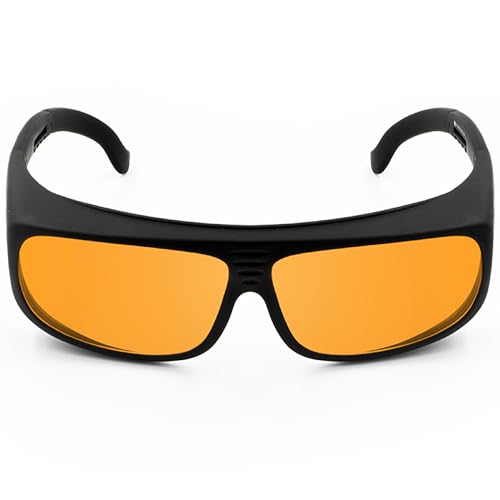
NoIR Blue Blocker Sunglasses: Designed…
TAILORED SUPPORT FOR MACULAR DEGENERATION – The NoIR Blue Blocker Macular Degeneration Sunglasses are specifically designed with the needs of individuals suffering from macular degeneration in mind. Featuring the innovative…

iSafety Polarized Cataract Surgery Recovery…
✅ Maximum Eye Protection & Comfort – Designed for post-surgery recovery and light sensitivity, these wraparound sunglasses provide complete eye coverage, blocking harmful UV rays and reducing glare for a…
Dwbulndok Macular Degeneration Glasses

Dwbulndok’s wrap-style glasses aim to tame glare and blue light with a warm lens tint. The design offers lateral coverage with side windows, which helps block light from above and the sides. This helps people with macular degeneration enjoy brighter spaces without that stabbing light sensation. The frame is lightweight, and the curvature sits well for long wear.
These glasses are billed for both indoor and outdoor use. The amber lens boosts contrast and can help when reading menus in bright cafes or watching TV with lights on. For migraines or photophobia, the tint may cut the edge off painful light. If you want a simple, budget-friendly option that improves comfort, this pair is a smart start.
Pros:
- Amber/blue-blocking tint improves contrast and comfort
- Wraparound shape with side coverage reduces stray light
- Lightweight frame for extended wear
- Good for indoor and outdoor use in variable light
- Budget-friendly entry into low-vision sunglasses
Cons:
- Likely not polarized, so reflected glare may persist
- Strong tint can alter color perception
- May not fit over very large prescription frames
My Recommendation
If you want one pair to soften light inside and outside, start here. The warm lens helps many people with AMD read signs and faces more easily, especially when glare is a problem. It’s not the fanciest, but it covers the core needs of the best sunglasses for macular degeneration: UV protection, side coverage, and a contrast-boosting tint. The comfort-to-price ratio is excellent for daily use.
| Best for | Why |
|---|---|
| Everyday indoor/outdoor comfort | Amber tint softens harsh light and improves contrast |
| People with light sensitivity | Wraparound edges block stray rays that trigger discomfort |
| Budget-minded buyers | Solid protection and comfort at an easy price |
NoIR Blue Blocker Sunglasses for Macular Degeneration

NoIR is a trusted name in low-vision eyewear used in clinics and rehab centers. Their blue blocker line is designed to reduce scatter and glare by filtering shorter wavelengths. In bright sun, this can make scenes feel calmer, with better edge definition. The frames are light, and the style suits active days out.
I value how NoIR designs for people with conditions like macular degeneration, retinitis pigmentosa, and corneal issues. The coverage is more complete than typical fashion shades. UV protection is full spectrum, which is key for long-term eye health. If you want expert-level features without a medical look, this pair stands out among the best sunglasses for macular degeneration.
Pros:
- Brand used by low-vision professionals
- Blue-blocking lens reduces scatter and eye strain
- Lightweight and comfortable for long walks
- Full UV protection for outdoor safety
- Coverage designed for sensitive eyes
Cons:
- Premium pricing versus basic options
- Color shift may not suit tasks needing accurate color
- Some tints can be too dark for indoor use
My Recommendation
Choose this if you want a clinic-trusted brand with targeted blue blocking. It is a top choice for the best sunglasses for macular degeneration if you walk, garden, or travel often. The lens focus on short wavelengths helps reduce veiling glare and fatigue. It is a smart upgrade when basic amber lenses are not enough.
| Best for | Why |
|---|---|
| Frequent outdoor use | Full UV protection and robust wrap coverage |
| Glare-sensitive users | Blue-blocking filters cut scatter that blurs edges |
| Quality-first buyers | Clinic-grade lens design and reliable build |
iSafety Polarized Wraparound Sunglasses UV400

Polarized lenses shine when you face reflections off water, glass, or pavement. iSafety’s wraparound design overlays your regular prescription frames and delivers UV400 protection. If you drive or fish, the cut in reflected glare is obvious. Textures look crisper and squinting fades fast.
These are not specialized medical filters, but the protection and glare control are strong. The frame is durable yet light enough for errands and long rides. Wrap sides reduce light leaks, which helps those with AMD keep focus. For value and practical performance, they deserve a look when you search for the best sunglasses for macular degeneration.
Pros:
- Polarized lenses slash reflected glare
- Fits over many prescription frames
- UV400 shields from UVA and UVB
- Wraparound form limits side light
- Lightweight and durable for daily use
Cons:
- Not a dedicated blue-blocking filter
- Polarization can affect some LCD screens
- Bulkier look than standard sunglasses
My Recommendation
Pick this pair if reflective glare is your main pain point. Drivers and boaters with AMD often see the biggest gains with polarization. The fit-over design is handy and cost-effective. As part of a complete setup, they can be the best sunglasses for macular degeneration when you value safe driving and clear horizons.
| Best for | Why |
|---|---|
| Driving and boating | Polarized lenses cut mirror-like glare |
| Prescription wearers | Fits over most glasses for easy use |
| Bright sun protection | UV400 and wrap sides block harsh light |
Belsuny Macular Degeneration Glasses

Belsuny’s wraparound goggles offer full coverage for eyes that need it. The design helps reduce bright flares from overhead lights and sunlight at tricky angles. The lens tint boosts contrast and can make text and faces stand out better. The frame hugs the face without pinching.
These feel like a mix of safety glasses and low-vision aids. They work in bright kitchens, supermarkets, and outdoor walks. I like the stable fit and the extra coverage near the brow. If you want the best sunglasses for macular degeneration that do not break the bank, this set fits that spot.
Pros:
- Full wraparound coverage to block stray light
- Contrast-boosting tint improves visibility
- Secure, comfortable fit for active use
- Good price for the protection you get
- Works indoors under harsh LED lighting
Cons:
- Goggle-like look may not be for everyone
- Not specified as polarized
- Tint can alter color accuracy
My Recommendation
Consider this if you need robust light control at home and outside. The extra coverage helps with photophobia and the glare that often comes with AMD. It’s a strong value choice in the best sunglasses for macular degeneration category. The secure wrap is confidence-building on busier days.
| Best for | Why |
|---|---|
| Indoor glare control | Wrap style limits overhead and side light |
| Errands and walks | Comfortable, secure fit for motion |
| Budget-conscious shoppers | Good performance without a high cost |
Belsuny Wraparound MD Glasses
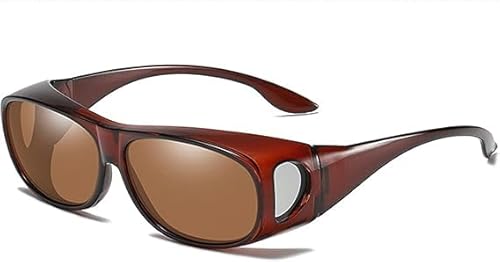
This variant keeps the same full-coverage design while offering a different lens tone. It aims to manage glare both in wet rooms and bright outdoors. The curved frame blocks top and side light that typical fashion shades miss. Comfort is steady over a full afternoon.
I like this as a second pair if you already have a gray polarized lens for driving. Use these when harsh indoor light makes your eyes ache. They are also helpful on overcast days when you still feel a glare haze. As a practical add-on, they help round out the best sunglasses for macular degeneration toolkit.
Pros:
- Wide coverage reduces light leaks
- Lens tint supports contrast indoors
- Stable fit for chores and activity
- Pairs well with a polarized driving pair
- Good cost for a backup or second use-case
Cons:
- Not a specialized clinical filter
- Style leans more functional than fashion
- Color shift may not suit artists or crafters
My Recommendation
Use these as your indoor glare relief glasses or on cloudy days. They fill the gap between dark sun lenses and no protection at all. For many users, the best sunglasses for macular degeneration are a set, not a single pair. This Belsuny is the flexible, comfort-first part of that set.
| Best for | Why |
|---|---|
| Household tasks | Controls LED and overhead glare |
| Overcast days | Brings out contrast without getting too dark |
| Backup pair | Complements a polarized driving set |
Tvindkirdod MD Glasses with Yellow Lenses

Yellow lenses can boost contrast in low to moderate light. This pair targets that niche for AMD, glaucoma, and cataract needs. If words blur into the page or edges feel soft indoors, yellow can help. It is popular for watching TV, reading, and strolling on cloudy days.
Keep in mind that yellow is not a dark sun lens. It is not ideal for bright beach days. Instead, it gives you definition when light is flat and glare is sneaky. As part of a two-pair plan, it belongs in the best sunglasses for macular degeneration lineup.
Pros:
- Yellow tint improves contrast in soft or dim light
- Comfortable wrap helps with side glare
- Useful indoors under cool LED lighting
- Great for overcast or dawn/dusk walks
- Lightweight for long sessions
Cons:
- Too light for harsh midday sun
- Not polarized for heavy reflections
- Color shift can make color-critical tasks harder
My Recommendation
Choose this for indoor comfort and gray days. It is a contrast helper, not a full sun blocker. In my experience, the best sunglasses for macular degeneration often include a yellow/amber lens for inside and a darker or polarized lens for outside. This is a smart first half of that approach.
| Best for | Why |
|---|---|
| Indoor reading and TV | Boosts contrast under cool lighting |
| Overcast walking | Clarifies edges without getting too dark |
| Low-glare environments | Light tint supports comfort and focus |
NoIR Blue Blocker Wrap-Around (MD/RP)

This NoIR option adds a full wraparound profile for even better side protection. The blue-blocking lens reduces scatter, which helps with clarity in sun and under bright LEDs. The frame feels light yet sturdy, which matters on day trips. Coverage near the brow and temples is notably better than standard shades.
I like the balance here: strong protection without a heavy goggle look. It suits walks, errands, and garden work. For AMD, cutting stray light often helps more than you expect. As a clinic-trusted brand, NoIR remains a benchmark for the best sunglasses for macular degeneration.
Pros:
- Full wraparound coverage for top and side light
- Blue-block filter eases visual noise
- Lightweight construction for long wear
- Clinic-grade approach to protection
- Great for outdoor chores and long strolls
Cons:
- Higher price than basic models
- Not all colors suit indoor use
- Tint may shift color balance
My Recommendation
Get this if side glare is your main issue. The wrap fit stands out in wind, sun, and bright stores with glass and tile. It is one of the best sunglasses for macular degeneration when you want maximum coverage and a calmer view. The build feels reliable for daily life.
| Best for | Why |
|---|---|
| Side-glare sensitivity | Superior wrap design blocks stray rays |
| Outdoor errands | Light, durable, easy to wear for hours |
| Quality-minded buyers | Trusted brand in low-vision solutions |
FAQs Of best sunglasses for macular degeneration
What lens color is best for macular degeneration?
Amber or brown often works well outdoors. Yellow can help indoors or on cloudy days. Gray is good when you need true color with strong sun control.
Do I need polarized lenses?
Polarized lenses help with reflections from roads, water, and glass. They are great for driving and outdoor use. Many people pair polarization with a second, amber or yellow lens for indoors.
Can sunglasses slow macular degeneration?
Sunglasses protect from UV and intense light, which supports long-term eye health. They do not treat AMD. Follow your eye doctor’s plan for care and monitoring.
What frame style works best?
Wraparound frames with side coverage reduce stray light. Fit-over styles are helpful if you wear prescriptions. Comfort and coverage are key.
Are blue-blocking glasses safe for driving?
It depends on the tint. Dark gray or brown and polarized lenses suit daytime driving. Very strong amber or yellow tints can shift colors and may not be ideal for all driving conditions.
Final Verdict: Which Should You Buy?
If you want clinic-trusted clarity and coverage, pick NoIR’s blue blocker options. For budget comfort and simple glare relief, Dwbulndok and Belsuny deliver strong value.
Drivers and anglers should add the iSafety polarized wraparound. The best sunglasses for macular degeneration often means two pairs: one for sun and one for indoor or cloudy days.

Rubel Miah is the Senior Editor at MyStyleGrid.com, where he brings a sharp editorial eye and an unshakable love for fashion to everything he does. A true style addict, Rubel lives and breathes trends, from streetwear to high fashion, and has a knack for turning inspiration into impactful stories. With years of experience in fashion journalism and digital media, he curates content that empowers readers to express themselves through style. When he’s not editing features or forecasting the next big thing, you’ll find him hunting down vintage pieces or capturing street style moments around the city.