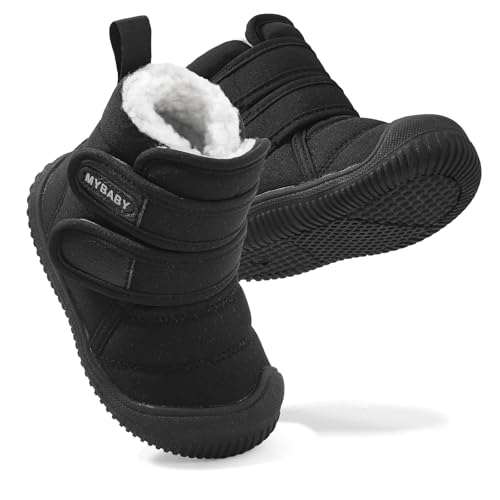
The best winter boots for new walkers are warm, light, flexible, secure, and easy for little hands to wear.
Your baby may be ready to explore the porch, sidewalk, or snowy yard just as cold weather arrives. That can make shoe shopping feel harder than it should. Heavy boots can upset a new walker’s balance, while loose booties may slip off at the first step. I looked at warmth, sole grip, fit, comfort, closure design, and everyday use to compare these winter options. The goal is simple: help your child stay cozy while learning to walk with a natural, steady stride.
BARERUN Warm Baby Boots for First Walkers

The BARERUN warm baby boots have a round toe and a soft, cozy build for infants and toddlers. The design suits babies who are taking early steps but still spend part of the day being carried or riding in a stroller. A round toe gives small toes more room to move than a narrow fashion boot. That extra space matters when a child is still learning how to place each foot.
I like this pair for short outdoor trips in cool weather. The warm lining can help block the chill, while the boot shape gives more coverage than a basic baby sneaker. These boots may also work well through several seasons when paired with suitable socks. Still, parents should check the fit often because baby feet can grow fast.
Pros:
- Round toe gives growing toes useful room
- Warm design suits cold-weather outings
- Works for both boys and girls
- Boot height offers more coverage than low shoes
- Useful for stroller rides and early outdoor steps
- Available in infant and toddler sizing
Cons:
- May feel warm indoors or in mild weather
- Parents should confirm the size before ordering
- Not a replacement for true snow or rain boots
My Recommendation
I recommend the BARERUN boots for parents who want one cozy pair for early winter walks, stroller trips, and brief play outdoors. They are a good match for a child who needs more warmth than a soft shoe but does not yet need a tall, rugged snow boot. The round toe is especially helpful for families who value comfort and natural toe movement.
Among the best winter boots for new walkers, this pair stands out as a simple everyday choice. It offers useful coverage without an overly technical design. Check the Amazon listing for current size options, colors, price, and stock before ordering.
L-RUN Lightweight Winter Boots for Babies
winter boots for baby first walkers” style=”max-width:100%;height:auto;”>

The L-RUN winter boot is made for parents who want warmth without a bulky feel. Its lightweight sneaker-style shape may feel less clumsy than a thick snow boot on small feet. The brown color is easy to pair with jeans, fleece pants, and winter layers. It is listed for infants around the 18–24-month range, so careful measuring remains important.
New walkers often lift their feet high when a shoe feels stiff or heavy. A lighter boot can make that first step feel less like lifting a brick. I would consider this model for daily errands, daycare trips, and walks on cold but mostly dry ground. For deep snow, standing water, or icy paths, parents should look for stronger weather protection and always supervise closely.
Pros:
- Lightweight shape may support easier steps
- Sneaker-inspired look feels casual and versatile
- Warm construction suits winter use
- Brown color hides small outdoor marks well
- Good option for errands and stroller outings
- Designed for infant and toddler first walkers
Cons:
- The listed size range may not suit younger babies
- May offer less protection than a tall snow boot
- Fit can change quickly as toddlers grow
My Recommendation
The L-RUN boots are best for a toddler who has started walking and needs a light winter shoe for normal daily use. I would choose them for families who dislike stiff footwear and want a boot that looks closer to a sneaker. They may also suit children who spend time moving between the car, home, daycare, and short outdoor paths.
This is one of the best winter boots for new walkers when low weight is the main goal. It is not the pair I would select for heavy snow or long wet play. Review the current Amazon details for sizing and care instructions, since product features and availability can change.
BMCiTYBM Warm Non-Slip Baby Snow Boots

The BMCiTYBM baby snow boots combine a warm faux-fur lining with a non-slip sole. This makes them appealing for parents who expect cold floors, chilly sidewalks, or light snow. The navy color has a neat look and works for many winter outfits. The design covers the foot more fully than a soft indoor bootie.
A grippy sole can give parents more confidence when a child takes careful steps on smooth surfaces. It cannot make ice safe, but it may help with ordinary traction on firm ground. The warm lining also adds comfort during cold-weather trips. Because this is a snow-boot style, parents should check whether the boot bends enough for their child’s walking stage.
Pros:
- Faux-fur lining adds cold-weather comfort
- Non-slip sole supports traction on everyday surfaces
- Snow-boot shape gives broad winter coverage
- Navy color is easy to style
- Suitable for several infant and toddler sizes
- Useful for outdoor winter errands and play
Cons:
- May feel bulkier than a soft-soled prewalker
- Traction does not remove the danger of ice
- Faux fur may need careful cleaning and drying
My Recommendation
I would choose these BMCiTYBM boots for families who want warmth and grip in one infant winter boot. They are a strong fit for a child who already walks with some confidence and needs more coverage for cold outdoor conditions. They may be less suitable for a baby who is only pulling up or taking one or two supported steps.
For parents searching for the best winter boots for new walkers in a snow-boot style, this model deserves a close look. Its warm lining and non-slip sole address two common winter concerns. Confirm the size, sole flexibility, and intended weather use before placing an order.
RAYORISA Plush-Lined Boots for First Steps

The RAYORISA winter boots use a plush lining and a soft bootie-like design. They are made for babies and toddlers who need cozy foot coverage indoors or outdoors. The soft build may feel pleasant during early steps, when a hard shoe can seem strange. Their style also makes them useful for a quick change before leaving the house.
I see this pair as a comfort-first option for mild winter days. A cozy lining can help keep feet warm during a stroller ride or a short walk from the car. The anti-slip detail is useful, but parents should still test how the sole bends and grips on their own floors. These boots should fit snugly at the heel without pressing on the toes.
Pros:
- Plush lining provides a soft, warm feel
- Soft construction may suit early walkers
- Designed for indoor and outdoor use
- Anti-slip sole adds everyday traction
- Bootie style may be easy to pack
- Works for boys and girls
Cons:
- Soft boots may not suit deep snow
- Warm lining can be too much for heated rooms
- Parents should check how securely they stay on
My Recommendation
The RAYORISA boots are best for babies who need a soft, warm layer for short trips and early movement. I would place them high on the list for comfort, especially when a child dislikes rigid shoes. They can also be handy as a second pair for indoor play, visiting family, or stroller use.
These boots may be among the best winter boots for new walkers who need gentle comfort more than heavy snow protection. They offer a soft bridge between socks and structured outdoor shoes. Check the Amazon listing for the latest size chart and care details before buying.
Meckior Fleece Prewalker Boots for Babies

The Meckior baby booties focus on warmth, softness, and a prewalker fit. They use a velvet-style outer material and a fleece feel for colder months. The anti-slip sole adds a little protection for babies who are beginning to stand and move. This design is more like a cozy first shoe than a full snow boot.
That difference is important. Prewalkers often need soft footwear that does not fight natural foot motion, especially indoors. I would use these for cold floors, quick outdoor transfers, and very short walks on dry ground. They are not the right tool for wet snow, puddles, or long periods outside in harsh weather.
Pros:
- Soft prewalker design supports early movement
- Fleece feel adds warmth in cold months
- Velvet-style outer looks neat and comfortable
- Anti-slip sole helps with basic indoor traction
- Unisex style works for baby boys and girls
- Useful for babies who are not yet steady walkers
Cons:
- Limited weather protection for snow and rain
- Soft soles may wear faster on rough pavement
- May not stay warm enough for long outdoor use
My Recommendation
I recommend Meckior booties for babies at the prewalker stage. They are a smart choice when the main need is warmth and light foot coverage rather than a rugged outdoor sole. Families with cold floors or mild winters may get the most value from this style.
While not a heavy snow boot, this pair can still belong in a search for the best winter boots for new walkers. It fills a different role: soft, warm, and easy for early movement. Check current Amazon sizing carefully, since prewalker shoes should never squeeze a growing foot.
Kuner Plush Soft-Sole Baby Winter Boots

The Kuner baby boots are plush, soft-soled crib shoes made for warmth and comfort. Their adjustable design may help parents get a closer fit around a small ankle. That feature matters because loose baby shoes often vanish under a blanket or in a stroller. The available age range makes this option useful for infants who are not yet walking on their own.
I would think of these as winter booties first and walking boots second. They can keep feet warm during a car ride, stroller outing, or visit to a chilly home. The soft sole may allow natural foot movement, but it will not provide the same pavement protection as a firm outdoor boot. Parents should use them on suitable surfaces and watch for signs of slipping or discomfort.
Pros:
- Plush material feels warm and gentle
- Soft sole suits crib and prewalker use
- Adjustable design may improve stay-on fit
- Useful for infants from early months
- Easy choice for stroller and car-seat outings
- Unisex style fits many winter outfits
Cons:
- Not designed for deep snow or wet pavement
- Soft sole offers limited outdoor protection
- May be outgrown quickly during rapid growth
My Recommendation
Kuner boots are best for infants who need warm feet while resting, crawling, standing, or taking supported steps. I would choose them for a baby who is not ready for a structured outdoor boot. They may also work well as a backup pair when a larger boot feels too heavy.
For parents comparing the best winter boots for new walkers, Kuner offers a gentle and affordable starting point. The adjustable fit is a useful touch for small feet. As with any soft bootie, check the sole and fit before allowing independent outdoor walking.
BMCiTYBM Waterproof Infant Winter Booties

The BMCiTYBM waterproof infant booties are built for parents who want warm coverage with a lighter outdoor feel. The camel color gives them a simple look that pairs well with winter clothes. The listing describes them as lightweight, non-slip, and made for first walkers. Those traits address the three issues I hear most often: cold feet, sliding soles, and bulky shoes.
A water-resistant or waterproof outer can be useful during damp weather, but no baby boot should be treated as a promise of complete protection in every condition. I would use these for short walks, wet grass, and outdoor errands when the child is supervised. The lightweight build may help a new walker lift each foot more easily. Parents should still check the interior after use and dry the boots fully.
Pros:
- Waterproof design may help in damp conditions
- Lightweight feel can support easier steps
- Non-slip sole adds useful everyday grip
- Warm bootie shape suits cold-weather outings
- Camel color works with many outfits
- Made with first walkers in mind
Cons:
- Small listed sizes may not fit older toddlers
- Waterproof performance depends on seams and wear
- May need extra care after wet outdoor use
My Recommendation
I would choose these BMCiTYBM booties for parents who expect damp sidewalks, wet grass, or light winter moisture. They are a practical middle ground between a soft indoor bootie and a heavy snow boot. The lightweight design may help children who are still building balance and confidence.
This model is a strong candidate among the best winter boots for new walkers when moisture protection matters. It offers useful warmth, grip, and a lighter shape in one package. Review the current Amazon page for the exact size chart, materials, and care guidance.
How to Choose the Best Winter Boots for New Walkers
Buying a first winter boot is not the same as buying an adult snow boot. Adults often want insulation, a thick tread, and a firm shell. New walkers need those features in smaller amounts, with more attention to weight and movement.
I start with the child’s walking stage. A baby who mostly crawls or rides in a stroller may need a soft bootie. A toddler who walks outside every day may need a flexible but more protective sole. Matching the boot to the stage prevents many common fit problems.
Choose a Flexible Sole
A first-walker boot should bend near the front of the foot. The sole should not feel like a hard board. A flexible sole lets the child practice foot movement and helps reduce the awkward “stomping” walk that can happen with stiff footwear.
Parents can gently bend the boot by hand before use. Do not force it if the material resists. A little support is fine, but a boot that is very rigid may make early walking harder.
Keep the Boot Light
Small legs work hard during the first months of walking. Heavy boots can change a child’s step and cause more trips. Lightweight winter boots often feel better for short walks, errands, and trips between the car and home.
Warmth does not always require a huge boot. A suitable lining, a good fit, and dry socks may keep feet comfortable without adding too much bulk.
Check Toe Room and Width
Toes need room to spread. The boot should not press at the front, sides, or top. At the same time, too much extra space can let the foot slide and make balance harder.
Measure both feet and use the larger measurement. Leave enough space for natural movement and a suitable sock, but do not buy far ahead. Baby feet can grow quickly, yet an oversized boot can be unsafe for a new walker.
Look for a Secure Fit
A boot that falls off is frustrating and not useful. Adjustable openings, elastic sections, hook-and-loop closures, or a snug ankle can help keep the boot in place. Check the top edge for comfort. It should hold the boot without leaving deep marks.
After putting the boot on, watch the child walk. Look for heel lift, curled toes, rubbing, or a sudden change in balance. These signs may mean the boot is too loose, too tight, or too stiff.
Use Grip With Care
A non-slip sole can help on ordinary floors and firm ground. It cannot make ice, steep slopes, or packed snow safe. New walkers still need close supervision outside, even when the boot has a strong tread.
Rubber-like soles may offer useful traction, but parents should inspect the pattern and flexibility. Deep grooves are not always better if they make the sole heavy or stiff.
Match the Boot to the Weather
Soft fleece booties can work well for cold indoor floors and dry stroller rides. They may not work well in rain or snow. Waterproof winter boots make more sense for wet grass, slush, and damp sidewalks.
For severe cold, use layers with care. A thick sock inside a tight boot can reduce room and make feet colder. The boot should have enough space for comfort without allowing the foot to slide.
Fit and Safety Tips for First-Walker Winter Boots
Even the best winter boots for new walkers need a proper fit. Product labels can help, but they do not replace checking the child’s foot. Sizes vary by brand, and thick lining can change the inside feel.
I suggest measuring the foot near the end of the day. Feet can swell slightly after normal activity. Measure from the heel to the longest toe, then compare that number with the brand’s current chart.
Try the boot with the socks your child will wear. A thin cotton sock and a thick wool sock take up different amounts of space. Make sure the heel stays mostly in place and the toes can move.
Inspect the foot after 10 to 15 minutes. Red areas, pressure marks, or damp skin show that the fit or material needs attention. Remove the boots if your child seems upset or walks in an unusual way.
Keep an eye on temperature too. Babies cannot always explain that their feet are cold or hot. Touch the feet during outdoor time, and take breaks indoors when needed.
Dry boots after wet use. Open them wide, remove loose insoles if the care label allows it, and let them dry at room temperature. Avoid strong direct heat, which can damage materials or change the shape.
Best For Comparison
| Best for | Why |
|---|---|
| Light daily winter walks | L-RUN offers a lightweight, sneaker-like shape for new walkers. |
| Warmth and outdoor grip | BMCiTYBM snow boots combine a warm lining with a non-slip sole. |
| Prewalkers and stroller rides | Kuner and Meckior focus on soft comfort for infants and early movers. |
FAQs Of Best Winter Boots for New Walkers
What should first-walker winter boots feel like?
They should feel light, flexible, and secure. The toes need room to move, while the heel should not slide badly. Avoid boots that feel stiff, heavy, or tight.
Are soft booties safe for new walkers?
Soft booties can suit prewalkers and short, supervised steps on safe surfaces. They may not provide enough protection for snow, wet ground, or rough pavement. Choose the sole and coverage based on where your child will walk.
Should winter boots be one size larger?
Do not buy a much larger size. Allow modest room for toe movement and the intended sock. An oversized boot can slip and affect balance.
Are non-slip soles enough for icy sidewalks?
No. Non-slip soles may help on normal floors and firm ground, but ice remains dangerous. Hold your child or avoid icy areas until the child has better balance.
How can I keep baby boots warm and dry?
Use a suitable sock, avoid overly tight layers, and dry boots fully after use. Follow the care label. Do not place footwear close to a heater or use intense heat.
Final Verdict: Which Should You Buy?
For most families, the BMCiTYBM warm non-slip snow boots offer the best mix of warmth, coverage, and grip. For lighter daily use, L-RUN is a smart pick. Kuner and Meckior suit prewalkers best.
The best winter boots for new walkers should fit well, bend easily, and match the weather. Check the size chart and current Amazon details before buying.
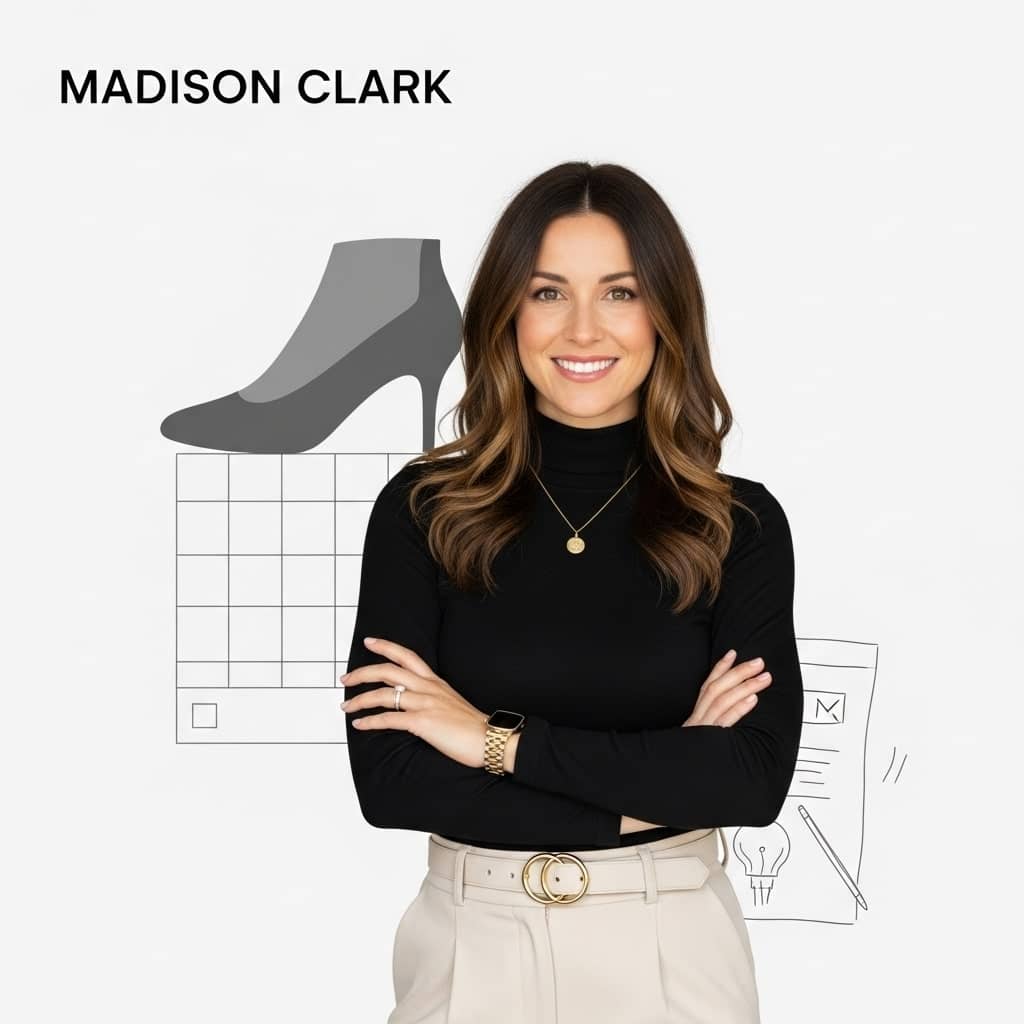
Madison Clark is a footwear expert and the voice behind MyStyleGrid.com. She specializes in honest shoe reviews, style tips, and practical guides to help readers find the perfect pair for any occasion. With years of experience in blogging and content creation, Madison makes footwear knowledge simple, stylish, and easy to follow.