When you dream of climbing Mount Kilimanjaro, you probably picture the snow at the top, the long trails, and maybe even the feeling of stepping above the clouds. What many beginners forget at first, though, is this: nothing matters more on that mountain than your feet. And the truth is, the best women’s hiking boots for Kilimanjaro can make or break your entire trek.
I still remember the first time I packed for a high-altitude hike. I brought a pair of boots that looked tough, but after only a few hours on a rocky trail, I felt every sharp stone under my feet. The boots were stiff. They slipped on wet rock. Worst of all, they soaked through in the rain. I learned the hard way that the right boots are not just “gear”—they are survival tools.
Because Kilimanjaro throws a little bit of everything at you—dust, loose rock, mud, rain, ice, and freezing cold—you need boots that hold up at every step. In this guide, I’ll walk you through everything you need to know, the way I would explain it to a friend who’s planning her first climb. We’ll look at what features matter, how boots feel on real terrain, and which models have earned a place on this list after years of hikers testing them out.
Along the way, I’ll share a couple of my own trail moments—small things I learned that I wish someone had told me earlier. So, take a deep breath, settle in, and let’s find the best women’s hiking boots for your Kilimanjaro journey.
What You Need in the Best Women’s Hiking Boots for Kilimanjaro
Understanding Kilimanjaro Terrain
Kilimanjaro is a special mountain. It’s one of the few peaks where a beginner can reach the top with no technical climbing skills. However, that does not mean it’s easy. You cross through five different climate zones, and each one demands something different from your boots.
You’ll walk through:
- Dry, dusty paths
- Rocky ledges
- Muddy rainforest floors
- Loose scree and gravel
- Frozen ground near the summit
Because of this, women’s boots for mountain climbing must be strong, supportive, and waterproof. A good pair keeps you steady in mud and safe on slippery stones. It also keeps your feet warm when temperatures drop.
Many hikers underestimate how much the terrain changes on a single day. At breakfast, you might be standing in wet soil. By lunch, you’re climbing rock slabs. By late afternoon, you could be crossing icy patches. Your boots must handle all of it.
What Beginners Often Miss
If this is your first big trek, you might think hiking boots are all the same. I’ve met many first-time hikers who believe that as long as the boots say “waterproof,” they’re good to go. But there’s more to it.
Here’s what beginners often miss:
- Ankle support prevents twisting on loose ground.
- Good grip stops slips on wet rock.
- Breathable fabric reduces sweat, which reduces blisters.
- A strong midsole keeps sharp stones from bruising your feet.
- Lightweight boots help you walk longer with less effort.
Even small details matter, like the tongue design or how the laces hold tension. When the trail becomes steep, these tiny features make a big difference.
My First Time on a High-Altitude Trail
On one of my early mountain trips—not Kilimanjaro, but a climb with similar altitude—I made a mistake that still makes me laugh today. I wore boots that were “almost” broken in. They felt fine around town, so I thought they were ready.
Two hours into a steep trail, the boots started rubbing the back of my heel. By lunch, I had a blister the size of a coin. Even worse, the pain made me walk differently, which tired out my legs. This taught me something that I now tell every new hiker:
Your boots should feel like a natural part of you, not something you’re trying to get used to.
So, as we go through these boot options, keep in mind that comfort is not a luxury—it’s your foundation on Kilimanjaro.
Key Features You Need in Kilimanjaro Hiking Boots
To help you choose wisely, let’s look at the features that matter most on this mountain.
Waterproof Protection
Kilimanjaro has rain, mist, mud, and melting snow. Your boots must keep your feet dry. Wet socks lead to cold feet, which leads to blisters, slow walking, and even injury. Look for boots with a proven waterproof membrane, such as Gore-Tex or a trusted brand’s equivalent.
Strong Grip & Traction
Loose rocks and wet stones can be tricky. Boots with deep lugs (the rubber grooves on the sole) make a huge difference. When the trail turns icy, a good grip gives you the confidence to step forward without fear.
Light Weight for Long Walks
Heavy boots drain your energy. Because Kilimanjaro is a multi-day trek, lighter boots help you move with ease. This also helps keep your knees and ankles from working too hard.
Breathability & Comfort
Good airflow reduces sweat. Less sweat means fewer blisters. It also keeps your feet warm because moisture makes you cold quickly at high altitudes.
2.5 Boot Fit & Sizing Tips
Your boots should have:
- A snug heel
- Enough toe room for downhill walking
- No tight spots
A good tip: wear the same socks you’ll use on the trek when trying new boots.
This is where the best trekking boots for women shine—they balance comfort and durability better than casual hikers.
Top 5 Best Women’s Hiking Boots for Kilimanjaro (Expert Reviews)
Now that you know what matters, let’s look at the top boots trusted by hikers around the world. Each one has strong reviews, good durability, and features that match Kilimanjaro’s tough conditions.
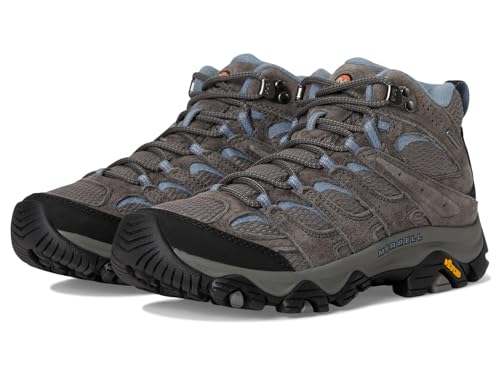
Merrell Women’s Moab 3 Mid Waterproof Hiking Boot

The Merrell Moab 3 Mid Waterproof is a long-time favorite among hikers. Many consider it the best balance of comfort, support, and durability for long, mixed-terrain treks. It has a breathable design, a cushioned footbed, and a sturdy outsole made to handle both wet and dry surfaces. This boot is especially good for women who want a reliable all-purpose hiking boot without a long break-in time.
Key Features
-
Waterproof membrane to keep feet dry
-
Vibram sole for strong traction
-
Breathable mesh to reduce sweat
-
Lightweight feel
-
Protective toe cap
Pros
-
Very comfortable right out of the box
-
Excellent grip on dusty and rocky trails
-
Good ankle support without feeling stiff
-
Durable enough for multi-day treks
Cons
-
Not the warmest boot for extreme cold
-
Slightly narrow fit for wide feet
-
May need thicker socks in colder zones
My Recommendation
If you’re new to long treks and want a boot you won’t struggle with, the Moab 3 is a strong choice. I’ve used earlier versions on several trips, and what I love most is how they feel from day one. They don’t fight your foot—they work with it. This makes them ideal for long days on Kilimanjaro.
Columbia Womens Newton Ridge Plus Waterproof

The Columbia Newton Ridge Plus Waterproof Amped is one of the most popular boots among beginner hikers. It’s stylish, supportive, and tougher than it looks. This boot blends full-grain leather with breathable mesh, giving you solid waterproof protection while still letting air move. Many women choose this boot because it delivers excellent value without sacrificing performance on mountain terrain.
Key Features
-
Waterproof seam-sealed construction