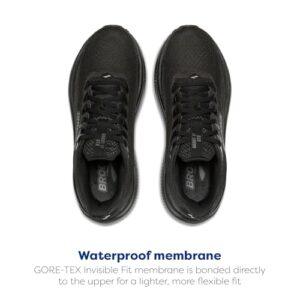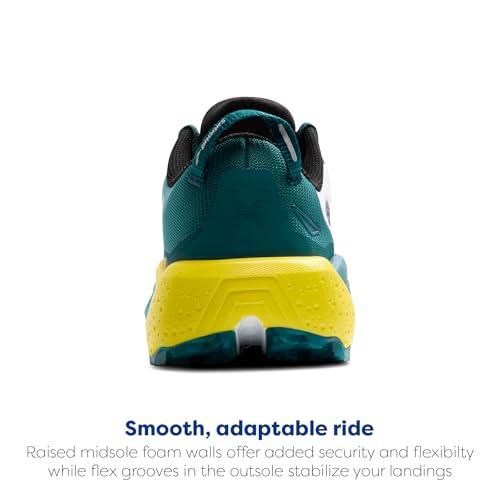
Caldera cushions for ultra-distance; Cascadia grips and protects on technical terrain.
Training for a 50K taught me a simple truth: your trail shoes set the tone for your day. In the brooks caldera vs cascadia matchup, both shine, but for different reasons. The Caldera feels like a plush cruiser for long miles. The Cascadia is a sure-footed mountain tool. I’ve run both on smooth fire roads and rocky ridgelines. Here’s what actually matters, based on real runs, so you can pick the right shoe for you in the brooks caldera vs cascadia debate.
Is Brooks Caldera Good?
Yes—if you want max cushion, smooth miles, and all-day comfort. It is the shoe I reach for when the route is long, the climbs are steady, and the surface is mixed but not too gnarly. If you live on sharp rock and off-camber ridges, it depends. The Caldera favors comfort and rollover over bite and armor.
On a 20-mile Saturday, the Caldera kept my legs feeling fresh through the last climb. The foam stayed lively and never felt harsh. Another day, I wore it for a recovery jog on gravel after a race. The shoe’s wide platform felt stable while the soft midsole took the sting out. That is the Caldera’s magic: make hard days feel easier.

What Makes It Stand Out / Key Features
- Max-cushion midsole built for long, steady trail miles
- Responsive, resilient foam that keeps legs fresh late in runs
- Wide, stable platform for confidence on uneven ground
- Durable outsole rubber for mixed trails and light road connectors
- Breathable, reinforced upper with a secure midfoot hold
What I Like
- Plush ride that reduces impact on back-to-back long runs
- Rolls smoothly on dirt roads, crushed gravel, and mellow singletrack
- Stable under load with a pack or fatigue
- Upper locks in without hot spots for me
- Outsole grips well on dry rock and hardpack
What Could Be Better
- Less bite on wet rock and slick roots than a more aggressive shoe
- No traditional rock plate feel; very sharp stones can poke through on thin sections
- Not the quickest option for short, technical sprints
My Recommendation
If you want comfort-first miles, the Brooks Caldera is a strong pick. Great value for ultra training, long daily runs, and door-to-trail days.
| Best For | Why |
|---|---|
| Ultras and long training runs | Max cushion and smooth, efficient ride |
| Mellow to moderate trails | Stable platform with forgiving foam |
| Door-to-trail | Comfort on short road links plus trail grip |
Is Brooks Cascadia Good?
Yes—if you run technical trails, want more protection, and value control. The Cascadia is a mountain-minded workhorse. It adds structure and a protective feel underfoot. If your runs are mostly smooth, it can feel firm. For rocky ridgelines, it shines.
I tested the Cascadia on a steep, rocky 12-mile loop after rain. The outsole held firm on wet slabs. The forefoot protection saved my feet when I clipped sharp edges. On rolling, root-filled singletrack, the platform felt planted and predictable. On easier gravel, I still liked it, but I noticed the firmer feel compared to the Caldera. That trade-off is the point: the Cascadia favors control.

What Makes It Stand Out / Key Features
- Protective platform with a rock shield feel for sharp terrain
- Grippy outsole designed for wet and dry technical trails
- Stable chassis that keeps you centered on off-camber ground
- Reinforced toe and side overlays for rugged use
- Secure upper with gaiter-friendly details
What I Like
- Confidence on rock, roots, and steep descents
- Outsole traction that works in mixed, wet conditions
- Protection that lets me push on rough trails
- Reliable, lockdown fit for precise footwork
- Durable build that handles abuse
What Could Be Better
- Firmer ride; not as plush for long, easy days
- Can feel heavier when pace picks up
- Less smooth on road links
My Recommendation
If your routes are technical or you want extra protection, choose the Brooks Cascadia. It’s a safe bet for mountain days.
| Best For | Why |
|---|---|
| Technical trails and mountains | Traction plus a protective underfoot feel |
| Wet or mixed conditions | Outsole design thrives when it gets slick |
| Runners who want control | Stable platform builds confidence |
brooks caldera vs cascadia: Side-by-Side Test
I ran both shoes on the same loops to see clear differences. Below are the head-to-head results based on real use. This brooks caldera vs cascadia comparison focuses on what you’ll feel on your feet.
Cushioning & Ride: Which Goes Farther With Less Fatigue?
Smoothness matters most on long days. Here’s how they feel.
| Brooks Caldera | Brooks Cascadia | |
|---|---|---|
| Ride feel | Plush, rolling, forgiving | Firm, controlled, responsive |
| Fatigue over long runs | Low; legs feel fresher late | Moderate; protection over comfort |
| Road connectors | Surprisingly comfortable | Serviceable but stiff |
| Best use | Ultras, long training, mellow trails | Rugged routes, shorter tech sessions |
Rating: Caldera – 9/10 | Cascadia – 8/10
Edge: Caldera, for its soft, smooth ride that reduces impact over hours.
Stability & Protection: Which Feels Safer on Rock?
Technical terrain demands control and armor.
| Brooks Caldera | Brooks Cascadia | |
|---|---|---|
| Underfoot protection | High cushion, less plate feel | Rock-shield feel for sharp hits |
| Off-camber stability | Wide base; good on moderate | Chassis keeps you centered |
| Downhill control | Stable at moderate pace | Excellent on steep descents |
| Confidence on talus | Fair | Strong |
Rating: Caldera – 8/10 | Cascadia – 9/10
Edge: Cascadia, thanks to its protective feel and planted platform.
Traction: Who Grips Better in Mixed Conditions?
Wet roots and rock expose outsole differences in brooks caldera vs cascadia.
| Brooks Caldera | Brooks Cascadia | |
|---|---|---|
| Dry rock and hardpack | Very good | Very good |
| Wet rock/roots | Good, can slip when slick | Better bite and braking |
| Mud performance | Moderate | Better lug clearing |
| Steep climbs/descents | Good on moderate grades | Strong on steep grades |
Rating: Caldera – 8/10 | Cascadia – 9/10
Edge: Cascadia, for wet traction and more aggressive grip.
Fit & Upper: Which Locks In Better?
Comfort and hold change how the shoe behaves at speed.
| Brooks Caldera | Brooks Cascadia | |
|---|---|---|
| Toe box | Roomy, comfortable | Secure, slightly snugger |
| Midfoot lockdown | Secure without pressure | Very secure, precise |
| Upper breathability | Good for warm days | Good, with extra overlays |
| Hot spot risk | Low for most feet | Low if fit is right |
Rating: Caldera – 9/10 | Cascadia – 9/10
Tie: Caldera for comfort; Cascadia for precision.
Weight & Agility: Which Feels Quicker?
A lighter feel can help when pace changes.
| Brooks Caldera | Brooks Cascadia | |
|---|---|---|
| Perceived weight | Light for a max-cushion shoe | Heftier, protective feel |
| Agility in tight turns | Good at moderate pace | Very good with firm platform |
| Pickups/strides | Smooth and easy | Stable, less bouncy |
| Overall “quick” feel | Better on rolling terrain | Better on tech switchbacks |
Rating: Caldera – 8.5/10 | Cascadia – 8/10
Edge: Caldera, by a hair, for its smooth turnover on rolling trails.
Durability & Maintenance: Which Lasts Longer?
Both are built to last; details differ in brooks caldera vs cascadia.
| Brooks Caldera | Brooks Cascadia | |
|---|---|---|
| Outsole life | Strong on mixed surfaces | Excellent on rock-heavy use |
| Upper durability | Good; overlays help | Very good; reinforced |
| Midsole resilience | Holds bounce over long miles | Maintains structure well |
| Easy to clean | Yes | Yes |
Rating: Caldera – 8.5/10 | Cascadia – 9/10
Edge: Cascadia, with tougher overlays and outsole for rocky abuse.
Value for Money: Which Delivers More for the Price?
Your choice should match your routes and goals.
| Brooks Caldera | Brooks Cascadia | |
|---|---|---|
| Use-case breadth | Ultras, daily trail, door-to-trail | Technical trails, hiking, rugged runs |
| Cost efficiency | High if you run long often | High if you run rocky routes |
| One-shoe quiver? | Yes for mellow to moderate | Yes for technical terrain |
| Overall value | Excellent for comfort seekers | Excellent for protection seekers |
Rating: Caldera – 9/10 | Cascadia – 9/10
Tie: Value depends on your terrain and distance.
Final Verdict: Which Should You Buy?
Pick the Brooks Caldera if you want cushion, smooth miles, and easy recovery on mellow to moderate trails. It wins long outings and door-to-trail days. In the brooks caldera vs cascadia decision, Caldera is the comfort king.
Choose the Brooks Cascadia if your trails are technical, rocky, and often wet. It gives better protection, traction, and control when terrain turns wild. In brooks caldera vs cascadia terms, Cascadia is the mountain workhorse.
FAQs Of brooks caldera vs cascadia
What is the main difference in the brooks caldera vs cascadia?
Caldera focuses on max cushion and smooth ride for long miles. Cascadia focuses on protection, stability, and traction for technical trails.
Which is better for ultras: brooks caldera vs cascadia?
Caldera for most ultras on mellow to moderate terrain. Cascadia if your ultra is rocky, steep, or wet and you need more protection.
Are the fits different in brooks caldera vs cascadia?
Yes. Caldera feels roomier and more relaxed. Cascadia feels more secure and precise, especially midfoot and forefoot.
Which has better traction: brooks caldera vs cascadia?
Cascadia. It grips better on wet rock, roots, and steeper grades. Caldera is fine on dry hardpack and light technical trails.
Can either be a one-shoe quiver in brooks caldera vs cascadia?
Yes. Caldera works if most runs are long and not too technical. Cascadia works if most runs are rugged and you want extra control.

Rubel Miah is the Senior Editor at MyStyleGrid.com, where he brings a sharp editorial eye and an unshakable love for fashion to everything he does. A true style addict, Rubel lives and breathes trends, from streetwear to high fashion, and has a knack for turning inspiration into impactful stories. With years of experience in fashion journalism and digital media, he curates content that empowers readers to express themselves through style. When he’s not editing features or forecasting the next big thing, you’ll find him hunting down vintage pieces or capturing street style moments around the city.