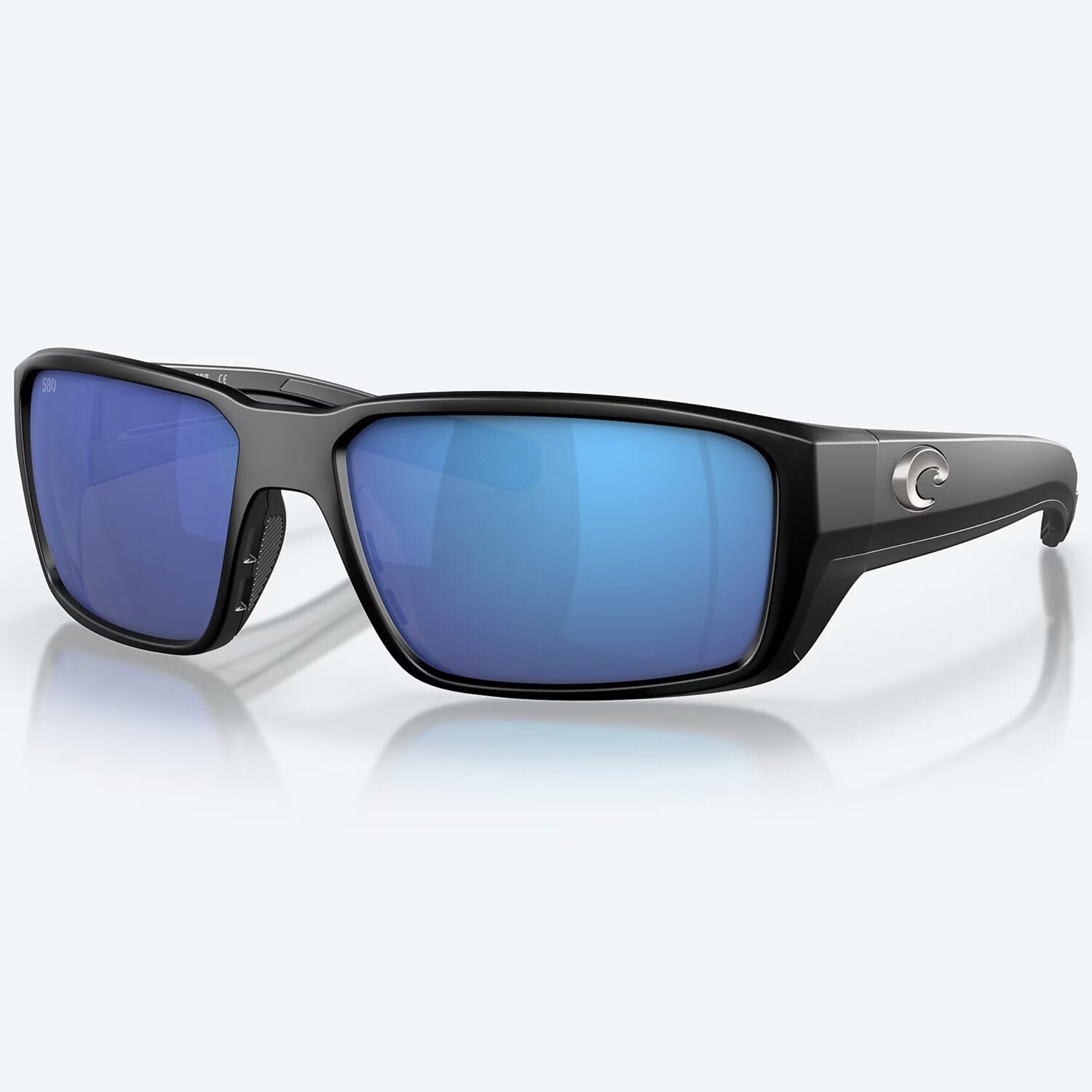
If you enjoy time on the water, you’ve probably heard of Costa Del Mar sunglasses. Many anglers, boaters, and beach lovers choose them for their quality lenses and tough frames. But one big question often comes up: Do Costa Del Mar sunglasses float? If you’ve ever dropped your shades in the ocean, lake, or pool, you know how fast they can vanish below the surface. Let’s dive in together and explore everything you need to know about Costa sunglasses and floating—so you can make the best choice for your next adventure.
Why Floating Sunglasses Matter For Water Lovers
If you spend time near water, you know how easy it is to lose things. Keys, phones, hats—and yes, sunglasses—can slip out of your hands or fall from your head. Most regular sunglasses will sink fast. This means you might never see them again, especially in deep or moving water.
Floating sunglasses help solve this problem. If you drop them, they stay on the surface. You can grab them before they float away. For boaters, kayakers, paddleboarders, and fishermen, this feature can save you money and stress. Losing a $200 pair of sunglasses is no fun!
Many people think all sunglasses float, but that’s not true. Most are made from heavy materials like glass and metal. Even some plastic frames will sink. This is why it’s important to know if your favorite brand offers floating options.
What Makes Sunglasses Float Or Sink?
Let’s keep this simple. Whether sunglasses float depends on their density compared to water. If the sunglasses are lighter than the water they displace, they float. If they’re heavier, they sink.
Several things affect this:
- Frame Material: Lighter plastics, like nylon or certain polymers, can float. Heavy materials like metal or thick acetate usually sink.
- Lens Material: Polycarbonate and plastic lenses are lighter than glass.
- Design: Some sunglasses are made with air pockets or foam to add buoyancy.
- Size and Shape: Bigger frames can displace more water, which sometimes helps them float.
Here’s a quick look at common materials and their floating ability:
| Material | Floats? | Used in Costa Sunglasses? |
|---|---|---|
| Acetate | No | Rarely |
| Metal | No | Yes (some models) |
| Nylon | Sometimes | Yes (many models) |
| TR-90 | Sometimes | Yes |
| Foam Core | Yes | No |
Costa sunglasses use several high-quality materials. Some are light enough to float, but not all models will stay above water.
Do Costa Del Mar Sunglasses Float? The Real Answer
You’re probably here for a straight answer: Do Costa sunglasses float? The truth is, most Costa Del Mar sunglasses do not float. The majority of their models are made with solid, durable materials—especially for their strong frames and polarized glass lenses. These materials are heavier than water, so they will sink if dropped.
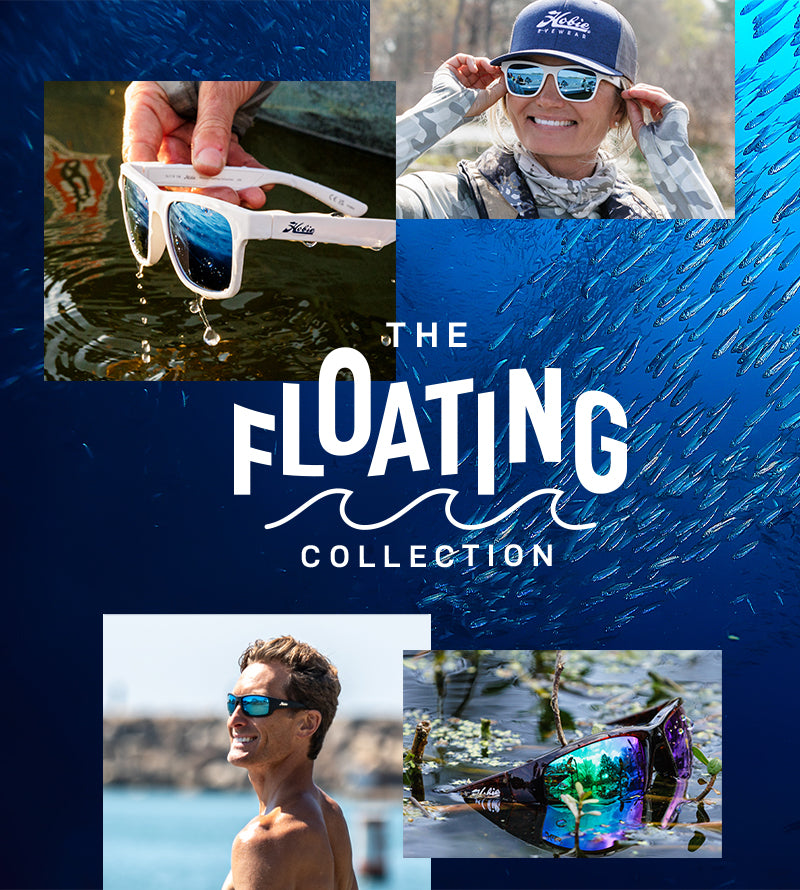
But Costa has listened to water lovers. In recent years, they have released a special series called Costa Untangled Collection and a few other floating models. These are designed to float for a short time, thanks to lighter plastics and clever engineering. However, the floating ability can vary by model.
Here are a few facts to remember:
- Most Costa sunglasses sink, especially those with glass lenses or metal frames.
- Some Costa models float for a short time, but not all. Check the product description for “floating” features before buying.
- Even “floating” sunglasses may not stay on the surface forever. If you don’t grab them quickly, water can get inside the frames, and they may slowly sink.
Which Costa Sunglasses Can Float?
Let’s get specific. Costa launched a few models with floating ability. These are mainly in their Paddle Series and a few select sport frames. The company uses special, low-density materials to help them stay on top of the water.
Some floating Costa models include:
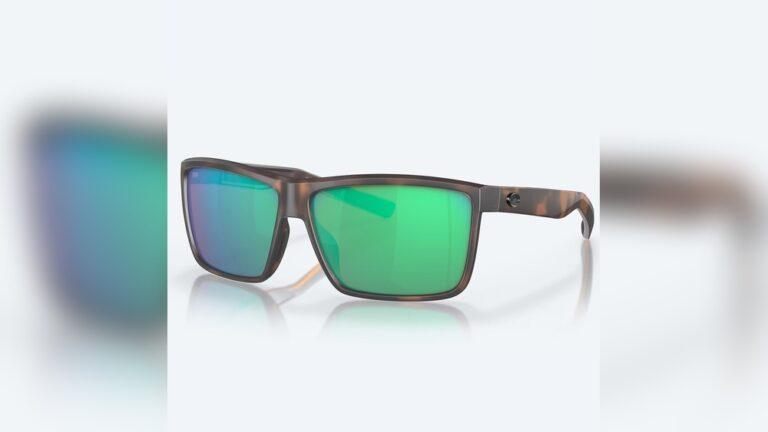
- Costa Rincon (Polycarbonate Lens/Plastic Frame)
- Costa Fantail (Polycarbonate Only)
- Costa Spearo (Paddle Series)
- Costa Panga
- Costa Santiago
These models are often marked as “floating” on the Costa website or in stores. Always look for terms like “floating frame” or “buoyant design. ”
But don’t assume every Rincon, Fantail, or Spearo will float. Only the versions made with specific materials will stay up. For example, a Rincon with glass lenses or heavy mirrored coating may still sink.
How To Tell If Your Costa Sunglasses Will Float
If you already own a pair or you’re shopping in person, here’s how to check:
- Check the Frame Material: Look for lightweight plastics, such as TR-90 or bio-resin. These often float better than metal or acetate.
- Check the Lenses: Polycarbonate lenses are lighter than glass. If your Costa sunglasses have glass lenses, they are likely to sink.
- Look for “Floating” Markings: Costa labels floating models clearly. Read the box, tag, or product page.
- Test in a Safe Place: If you’re not sure, test them in a sink or bathtub. Fill it with water and gently place your sunglasses on the surface. Watch for a few minutes to see if they stay up or slowly sink.
- Ask the Seller: If you’re buying from a shop or online store, ask customer service. They should know which models will float.
Why Most Costa Sunglasses Don’t Float
Costa Del Mar is famous for their polarized glass lenses. These lenses are scratch-resistant and give crystal-clear vision. But glass is much heavier than water. When combined with strong frames, this makes most Costa sunglasses sink.
Costa focuses on making sunglasses that are:
- Durable
- Comfortable
- High-performance
- Long-lasting
These are great for protection and style, but not always for floating. The best floating sunglasses often sacrifice some durability or optical quality to save weight. Costa tries to balance both, but not every model can do it.

Credit: www.amazon.com
Comparing Costa To Other Floating Sunglasses Brands
You might be wondering: “Do other brands float better?” Some companies make floating sunglasses as their main feature. Let’s compare Costa to a few popular floating options.
| Brand | Average Price | Main Material | Floats? | Polarized? |
|---|---|---|---|---|
| Costa Del Mar | $150-$250 | Nylon, TR-90, Glass | Some models | Yes |
| Rheos Gear | $55-$75 | TPU | All models | Yes |
| Suncloud | $50-$100 | Plastic | Some models | Yes |
| Oakley | $120-$250 | O-Matter | Very few | Yes |
| Flying Fisherman | $20-$60 | Polycarbonate | Most models | Yes |
As you can see, brands like Rheos Gear and Flying Fisherman design all their sunglasses to float. Costa offers some floating models, but it’s not their main focus. If floating is your top need, you may want to compare options.
Costa’s Approach: Performance First, Floating Second
Costa Del Mar is all about performance on the water. Their main goal is to give you the best vision, comfort, and durability. Floating is a bonus, not the main feature.
Some key Costa features include:
- 580 Lens Technology: Cuts glare and boosts contrast on the water.
- Bio-Resin Frames: Eco-friendly and light, used in some floating models.
- Hydrolite Nose Pads: Keep sunglasses from slipping, even when wet.
- Scratch-Resistant Coating: Keeps lenses clear, even in tough conditions.
Costa sunglasses are trusted by serious fishermen and boaters for these reasons. But if you drop most models in deep water, you’ll probably lose them.
Real-world Example: What Happens If You Drop Costa Sunglasses In Water?
Let’s imagine you’re on a boat and your Costa sunglasses fall off your face. If you have a glass lens model with a heavy frame, it will sink in seconds. There’s little chance to catch them unless you react instantly.
If you have a floating model—like a Costa Spearo with polycarbonate lenses—it will stay on the surface for a while. But wind, waves, or a moving boat can carry them away fast. Floating sunglasses give you a chance, but you still need to act quickly.
Many people share stories online of losing their Costa sunglasses in lakes, rivers, or oceans. Sometimes, they float for a few seconds, then slowly fill with water and sink.
How To Keep Your Costa Sunglasses From Sinking
If you love your Costa sunglasses but they don’t float, don’t worry. There are ways to protect them from being lost forever.
1. Use A Floating Retainer
A floating sunglasses strap or retainer is a simple solution. These are foam or neoprene bands that attach to the arms of your sunglasses. If your shades fall off, the retainer will keep them on the surface.
Popular options include:
- Chums Floating Retainer
- Croakies Floater
- Costa C-Line Floating Cord
Floating retainers are cheap, easy to use, and come in many colors. They work with almost any sunglasses—even heavy ones.
2. Choose A Floating Model
If you are buying new sunglasses, pick a floating model from Costa or another brand. Look for words like “buoyant,” “water sports,” or “floating frame” in the description.
3. Avoid Heavy Lens Upgrades
Some lens options, like blue mirror glass, add extra weight. If floating is important, choose lightweight, polycarbonate lenses.
4. Secure Your Sunglasses When Not In Use
When you’re not wearing your sunglasses, keep them in a case, on a lanyard, or tucked into a secure pocket. Don’t rest them on your hat or shirt collar near water—they can slip off easily.
The Untangled Collection: Eco-friendly And Lighter
Costa’s Untangled Collection is unique. These sunglasses are made from recycled fishing nets, which makes the frames lighter and better for the planet. Some models in this collection are more likely to float, especially those with polycarbonate lenses.
While not all Untangled models float, they are closer to floating than the heavy, metal-based styles. Plus, you’re helping clean up the ocean with every pair.
Common Myths About Floating Sunglasses
Let’s clear up some confusion. Many people believe things about floating sunglasses that just aren’t true.
Myth 1: All expensive sunglasses float.
Price does not affect floating ability. It depends on the materials, not the cost.
Myth 2: Plastic sunglasses always float.
Not all plastics are light enough to float. Some plastic frames are thick and heavy.
Myth 3: Any sunglasses with a floating retainer will float.
A retainer helps, but only if it’s designed to float the weight of your sunglasses. Some retainers are just for comfort.
Myth 4: Once floating, sunglasses will stay on the surface forever.
Sun, salt, and wear can make sunglasses heavier over time. Water can seep in and cause them to sink after a while.
Myth 5: All Costa sunglasses are water-safe.
Costa sunglasses are water-friendly, but not all are designed to float.
Credit: hobieeyewear.com
Extra Tips For Sunglasses Safety On The Water
Here are two less obvious tips that many beginners miss:
- Rinse After Each Use: Saltwater and chemicals can build up, making sunglasses heavier over time. Rinse with fresh water and dry well. This keeps them light and clean.
- Check for Cracks or Damage: Small cracks can let water in, making even floating models sink. Inspect your sunglasses often, especially after drops or impacts.
What To Do If Your Sunglasses Sink
If your sunglasses sink, don’t panic. You might be able to recover them if the water is clear and shallow. Use a pool net, diving mask, or even a magnet for metal frames. If you’re in a river or ocean, it’s usually not safe to dive in after them.
Take it as a lesson—next time, use a floating retainer or pick floating sunglasses for water activities.
Should You Buy Floating Sunglasses?
This depends on your lifestyle. If you spend a lot of time on boats, kayaks, paddleboards, or near the pool, floating sunglasses or a retainer are a smart choice. They give you peace of mind.
But if you mostly drive, hike, or stay on land, floating may not matter. Costa’s regular models offer the best optics and durability.
Durability Vs. Floating: What Matters More?
Some people worry that floating sunglasses are less durable. In the past, this was sometimes true. Foam-filled or hollow frames could break more easily. But today, brands like Costa use advanced plastics that balance strength and lightness.
If you need sunglasses for serious fishing or sports, Costa offers both tough and floating options. Just remember, the most durable models may still sink—so use a floating retainer for safety.
Costa Sunglasses: How To Choose The Right Model For You
When picking Costa sunglasses, think about your main needs:
- If you want the best vision and durability, go for glass lenses and strong frames. Just add a floating retainer if you’ll be near water.
- If you want lightweight comfort and floating ability, choose a floating model with polycarbonate lenses.
- If you care about the environment, look at the Untangled Collection.
- If you are on a budget but want floating, consider other brands like Rheos Gear.
Always try sunglasses on if you can. Comfort and fit matter, especially for long days on the water.
Where To Buy Floating Costa Sunglasses
You can find Costa floating models at:
- The official Costa website
- Outdoor and fishing stores
- Sunglasses shops
- Online retailers like Amazon, Backcountry, or REI
Always check the product details for “floating” or “buoyant” before you buy. If you are still unsure, ask the seller or check reviews.
For more information about Costa Del Mar sunglasses, visit the Costa official site.
Credit: jandh.com
Frequently Asked Questions
Do All Costa Del Mar Sunglasses Float?
No, most Costa sunglasses do not float. Only a few special models with lightweight frames and lenses are designed to float. Always check the product description.
Can I Make My Costa Sunglasses Float If They Don’t Already?
Yes, you can use a floating retainer or strap. These attach to the arms of your sunglasses and keep them on the surface if dropped.
Are Floating Costa Sunglasses As Strong As The Regular Models?
Floating Costa models are made with advanced plastics for lightness and strength. They are durable for most water sports, but extra-tough glass lens models may be even stronger.
How Do I Know If My Costa Sunglasses Will Float?
Check the frame and lens materials. Polycarbonate lenses and lightweight plastic frames are more likely to float. You can also test them in a sink or ask the seller.
Are Floating Sunglasses Worth The Extra Money?
If you spend time on the water, floating sunglasses or a floating retainer can save you from losing expensive shades. For land use, floating is less important.
Final Thoughts
Costa Del Mar sunglasses are known for their clear lenses and tough frames. But most of them will sink if dropped in water. Only a few special models are designed to float, and even these may only stay up for a short time.
If you want to protect your sunglasses near water, use a floating retainer or choose a floating model. Remember, always check the materials and product details before you buy. This simple step can save you a lot of money—and keep your eyes safe and your adventures stress-free.

Madison Clark is a footwear expert and the voice behind MyStyleGrid.com. She specializes in honest shoe reviews, style tips, and practical guides to help readers find the perfect pair for any occasion. With years of experience in blogging and content creation, Madison makes footwear knowledge simple, stylish, and easy to follow.