A fast, cushioned trail shoe that balances speed, protection, and long-run comfort.
You’re heading out for a long day on rough trails. You want something light enough to push the pace, but cushioned and stable enough to protect your feet for miles. The Hoka Mafate Speed 4 answers that exact need. It’s for runners who want a nimble, protective shoe that still feels lively. I tested it on mixed terrain, steep climbs, and technical descents. Below I break down how it performs, who it fits best, and whether it’s worth your next trail-shoe buy.

Is Hoka Mafate Speed 4 Good?
This one’s a clear yes for aggressive trail runners who want cushion and traction without heavy bulk. The Hoka Mafate Speed 4 blends Hoka’s plush midsole foam with a grippy outsole and a secure upper. In my use, it handled long, rocky days and muddy climbs without feeling sluggish. I ran a 20-mile mix of singletrack and jeep road in these. My feet stayed well-cushioned and blister-free. On faster trail reps, the shoe felt responsive enough to pick up pace. If you’re a casual hiker or prefer minimal shoes, this might feel overbuilt. But for trail runners chasing comfort, protection, and speed, the Hoka Mafate Speed 4 hits the mark.

My First Impression for Hoka Mafate Speed 4
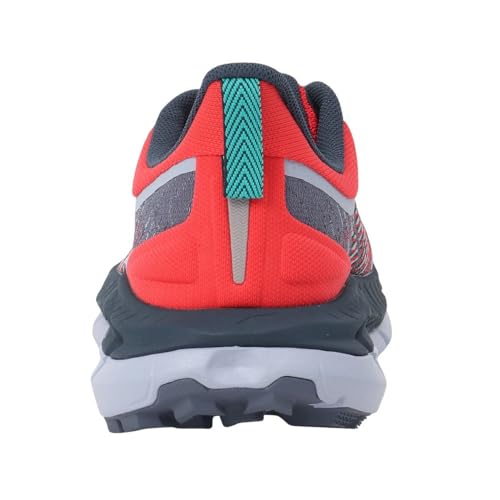
The box arrived nicely packed. The shoe looked clean and premium out of the box. The upper uses a tightly woven mesh with reinforced overlays. Right away the build felt durable but not stiff. I noticed a roomy toe box and the plush Hoka midsole profile. Lacing was simple and secure; the tongue is padded and sits flat. My first run was 10 miles on mixed singletrack. The shoe felt cushioned and protected on rocks. I was surprised by how nimble it felt for the stack height. I left the run impressed. The Hoka Mafate Speed 4 met my early expectations for comfort and trail protection. It also gave me confidence on technical terrain.

What Makes It Stand Out / Key Features
- Plush, responsive midsole foam for long-run comfort and energy return
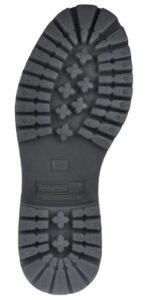
- Aggressive Vibram-like lug pattern for traction on wet and loose surfaces
- Durable upper with reinforced overlays to protect against debris
- Roomy toe box for natural toe splay and blister prevention
- Secure midfoot fit with flat, padded tongue for stable lockdown
- Moderate heel-to-toe drop that balances downhill control with forward drive

What I Like
- Comfortable cushioning that reduces trail fatigue
- Excellent traction on mixed and technical terrain
- Durable build that holds up to rocky routes
- Secure fit that prevents foot slip during descents
- Roomy toe box that helped avoid hot spots on long runs
- Versatile enough for both training days and faster long efforts
What Could Be Better
- Not the lightest option for very fast races
- Slightly bulky for runners who prefer minimal shoes
- May feel too cushioned for those who want ground feel

My Recommendation
The Hoka Mafate Speed 4 is best for trail runners who want cushioning and traction without sacrificing pace. I recommend it for anyone who runs long technical routes or trains frequently on mixed terrain. The shoe’s protection and comfort make it ideal for high-mileage days. If you need a lightweight racer for short, fast events, look elsewhere. Overall, the Hoka Mafate Speed 4 offers strong value and wide availability.
| Best for | Why |
|---|---|
| High-mileage trail runners | Plush cushioning reduces fatigue on long runs |
| Technical terrain | Aggressive outsole and reinforced upper protect on rocks |
| Trail runners who want speed + comfort | Responsive midsole lets you push the pace comfortably |

Alternative Products You Can Consider
- Altra Olympus — Best for runners wanting a zero-drop but highly cushioned trail shoe. The Olympus offers a roomy toe box like the Hoka Mafate Speed 4, but with zero drop and different ride feel. Choose it if you prefer natural foot position and maximum cushion.
- Salomon Speedcross 6 — Best for aggressive grip and faster trail races. The Speedcross is lighter and has a grippier lug pattern. It’s less cushioned than the Hoka Mafate Speed 4 but great for muddy, technical terrain where bite matters most.
- La Sportiva Akasha — Best for technical mountain trails with a slightly stiffer platform. The Akasha gives stability and rock protection, offering a firmer feel than the Hoka Mafate Speed 4. Pick it if you need rigid support over jagged routes.
| Product | Best For | Key Difference |
|---|---|---|
| Hoka Mafate Speed 4 | Balanced long runs and technical trails | Plush cushioning with responsive ride |
| Altra Olympus | Zero-drop high-mileage comfort | Zero drop and very wide toe box |
| Salomon Speedcross 6 | Muddy, technical racing | Lighter, more aggressive lugs |
| La Sportiva Akasha | Technical mountain stability | Firmer, more protective platform |

Final Verdict: Which Should You Buy?
If you want a versatile, cushioned trail shoe that still lets you move quickly, buy the Hoka Mafate Speed 4. It shines on long, mixed terrain runs and gives strong protection on rocky routes. Choose an Altra Olympus if you prefer zero-drop and maximum toe room. Pick the Salomon Speedcross 6 when you need ultra-grippy lugs for muddy races. For technical mountain support, the La Sportiva Akasha is a solid alternative. Overall, the Hoka Mafate Speed 4 balances comfort, protection, and speed better than most in its class.
FAQs Of hoka mafate speed 4 review
What is the ideal use for Hoka Mafate Speed 4?
Answer
It’s ideal for long trail runs and technical routes. The cushioning protects on rocks and roots while the outsole grips well.
How does sizing run for Hoka Mafate Speed 4?
Answer
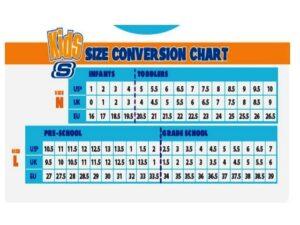
I found them true to size with some room in the toe box. If you’re between sizes, consider half a size up for extra toe comfort on long runs.
Are these shoes good for mud and wet trails?
Answer
Yes. The lug pattern and rubber give good traction on wet surfaces. Still, very deep mud may reduce traction a bit compared to specialist mud shoes.
Can you use Hoka Mafate Speed 4 for everyday hiking?
Answer
Absolutely. They’re comfortable for long days on the trail and offer enough protection for hiking and fastpacking.
Do they require a break-in period?
Answer
Not much. I felt comfortable on the first long run, though a short break-in helps the upper adapt to your foot shape.

Rubel Miah is the Senior Editor at MyStyleGrid.com, where he brings a sharp editorial eye and an unshakable love for fashion to everything he does. A true style addict, Rubel lives and breathes trends, from streetwear to high fashion, and has a knack for turning inspiration into impactful stories. With years of experience in fashion journalism and digital media, he curates content that empowers readers to express themselves through style. When he’s not editing features or forecasting the next big thing, you’ll find him hunting down vintage pieces or capturing street style moments around the city.