A grippy, cushioned, go‑anywhere trail shoe that thrives on rough terrain.
You know that feeling when a perfect trail day is ruined by sore feet and sketchy traction? If you run or hike on wet rock, rooty climbs, or muddy fire roads, you need trust underfoot and comfort that lasts. That’s where this Hoka Speedgoat 5 review lands: it’s built for confidence, cushion, and durability when trails fight back. I tested it on slick singletrack, rocky ridge scrambles, and slow recovery hikes. It handled them all with surprising ease and zero fuss.

Is Hoka Speedgoat 5 Good?
Yes—especially if you want plush cushion and class‑leading grip on technical trails. In this Hoka Speedgoat 5 review, I found it ideal for trail runners, fast hikers, and anyone logging long miles on mixed terrain. It’s stable for the stack height, secure in the midfoot, and the outsole bites on wet rock and loose gravel. If you love a soft, protective ride that still feels lively, it hits the mark.
On my first wet morning run, the Vibram outsole hooked up on polished granite where some shoes slip. Another day, I used it for a 14‑mile hike with a full daypack; my feet felt fresh, and my knees thanked the rocker geometry on the downhills. For me, it’s a trusted daily trail driver.
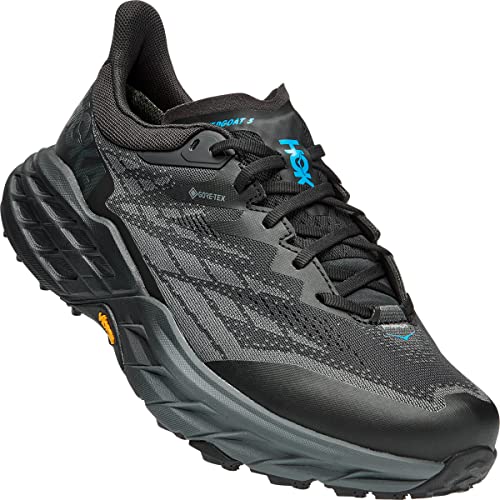
My First Impression for Hoka Speedgoat 5
The pair arrived well packed, with zero glue marks or loose threads—clean and ready to go. In hand, the shoe felt lighter than it looks. The upper has a refined weave that feels soft but tough. The heel counter is structured without being stiff, and the toe cap looks protective without adding bulk. Laces cinched evenly, and the lockdown was simple to dial in.
My first jog up a rocky trail was smooth. The midsole felt plush yet stable, and the Meta‑Rocker rolled me forward without forcing my stride. Traction was the standout; wet roots didn’t faze it. I’ll admit, I was excited—and a little surprised—that a max‑cushion trail shoe could feel this nimble out of the box.
What Makes It Stand Out / Key Features
- Vibram Megagrip outsole with Traction Lugs for excellent grip on wet and dry rock
- Lightweight, responsive midsole for cushion without a “mushy” feel
- Breathable, reinforced upper with secure midfoot lockdown
- Late‑stage Meta‑Rocker for smooth transitions on climbs and descents
- Protective toe cap and balanced platform for confident technical running
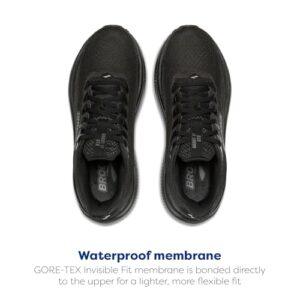
- GTX option adds a waterproof Gore‑Tex membrane for wet and cold conditions
What I Like
- Confident traction on wet rock, roots, and loose gravel
- Plush cushioning keeps legs fresh on long runs and hikes
- Stable platform for the stack—rare in max‑cushion trail shoes
- Upper locks down well without hot spots or pressure points
- Durable outsole rubber that wears slowly
- GTX version is a clutch choice for rain, snow, and slush
What Could Be Better
- Ground feel is limited; minimalists may want more trail feedback
- GTX version can run warm in summer conditions
- Price is premium compared to entry‑level trail shoes
My Recommendation
If you want one trail shoe to do most things well, this is it. In my Hoka Speedgoat 5 review, the shoe shined for daily trail miles, technical runs, and long hikes. Choose the GTX version if you live in wet or cold regions, or you cross streams and slop often. If you prefer a firmer, low‑to‑the‑ground feel, look elsewhere; otherwise, the blend of cushion, grip, and stability is hard to beat. Availability is strong, and the value holds thanks to durability.
Best for vs. Why:
| Best for | Why |
|---|---|
| Technical trails and mountain runs | Vibram Megagrip and Traction Lugs lock in on rock and roots |
| Long runs and all‑day hikes | Plush, stable cushioning reduces fatigue and impact |
| Wet, cold, or slushy conditions (GTX) | Waterproof membrane keeps feet dry and warm |
Alternative Products You Can Consider
Salomon Speedcross 6: Best for soft dirt and muddy trails. Its deep, chevron lugs bite hard in loam but feel less stable on wet rock than the Speedgoat. The ride is firmer with a narrow fit. Choose it if you want aggressive traction in soft ground over mixed‑terrain versatility.
Altra Lone Peak 7: Best for runners and hikers who want a wide toe box and zero‑drop geometry. It offers great ground feel and comfort for natural stride fans. Traction is good but not as sticky on slick rock as the Hoka. It’s a lighter, flatter feel with more toe splay.
Brooks Cascadia 17: Best for protection and stability in a do‑it‑all package. The Cascadia is versatile and comfortable, with a balanced midsole and rock plate. It grips well, though not as aggressively as the Hoka on wet rock. A great pick if you like a traditional trail ride.
| Product | Best For | Key Difference |
|---|---|---|
| Hoka Speedgoat 5 GTX | Mixed and technical trails; wet conditions | Plush cushion with class‑leading wet‑rock traction |
| Salomon Speedcross 6 | Soft dirt and mud | More aggressive lugs; less stable on slick rock |
| Altra Lone Peak 7 | Natural feel, wide forefoot | Zero drop and roomy toe box; less cushion |
| Brooks Cascadia 17 | Balanced, protective daily trail use | Traditional feel; less bite on wet rock |
Final Verdict: Which Should You Buy?
If you want a cushioned, confident shoe that handles rocky ridgelines, wet roots, and long miles, the Hoka Speedgoat 5 is the standout from this Hoka Speedgoat 5 review. It blends soft protection with secure traction, and the GTX version adds reliable weatherproofing for year‑round use. It’s the best pick for most trail runners and fast‑packers who value comfort and grip.
If your trails are mostly soft and muddy, the Salomon Speedcross 6 may serve you better. If you prefer a wide toe box and a natural, low‑to‑the‑ground feel, the Altra Lone Peak 7 is a great choice. For a traditional, protective ride on varied terrain, the Brooks Cascadia 17 is a safe bet. Choose based on your terrain and your preferred ride feel.
FAQs Of Hoka Speedgoat 5 review
Is the Hoka Speedgoat 5 true to size?
Most runners can go true to size. If you sit between sizes or have a very wide forefoot, consider trying a half size up. The fit is secure through the midfoot with a comfortable toe box.
Is the Hoka Speedgoat 5 waterproof?
The standard model is not waterproof, but it drains and breathes well. The GTX version adds a Gore‑Tex membrane for waterproof protection in rain, snow, and slush.
How does it compare to the Speedgoat 4?
The Speedgoat 5 is lighter, with a more breathable upper and improved outsole traction. The ride feels smoother with a more lively midsole. Lockdown and comfort are also improved.
Can I hike in the Speedgoat 5?
Yes. Many hikers use it for long days thanks to the cushion, traction, and protection. The GTX version is great for wet shoulder seasons.
Is it good for road‑to‑trail?
Short road links are fine, but it shines on dirt and rock. If you do lots of pavement, consider a hybrid road‑to‑trail shoe. For trails first, the Speedgoat 5 excels.
Note: This Hoka Speedgoat 5 review reflects my hands‑on testing and aims to help you choose the right trail shoe for your terrain and goals.

Rubel Miah is the Senior Editor at MyStyleGrid.com, where he brings a sharp editorial eye and an unshakable love for fashion to everything he does. A true style addict, Rubel lives and breathes trends, from streetwear to high fashion, and has a knack for turning inspiration into impactful stories. With years of experience in fashion journalism and digital media, he curates content that empowers readers to express themselves through style. When he’s not editing features or forecasting the next big thing, you’ll find him hunting down vintage pieces or capturing street style moments around the city.