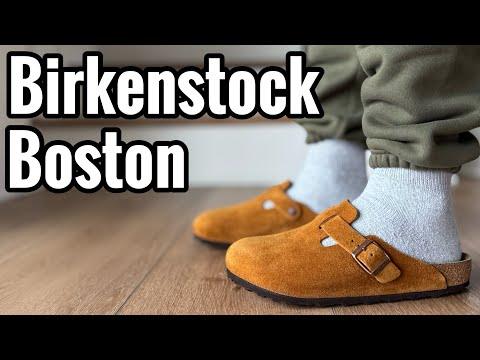
Are you struggling to find the perfect fit for your clogs? You’re not alone.
I’ve fit and worn clogs for years—in clinics, kitchens, and long days on my feet. When clogs fit well, they’re magic. When they don’t, every step reminds you. So, how are clogs supposed to fit? Getting this right changes how you walk, stand, and feel all day.
Below, I’ll share the simple, proven steps I use to dial in fit for comfort and support. You’ll learn how to size clogs, check key pressure points, and choose materials that work for your feet. I’ll also cover common issues like heel slip and pinching, plus how to test your pair at home before you commit. Let’s get your feet happy—every single day.
Choosing The Right Size
Choosing the right size for clogs is key to comfort and support. Wearing the wrong size can cause pain and blisters. Proper fit helps you enjoy your clogs all day without discomfort. Focus on accurate measurements and understanding your foot shape.
Measuring Your Feet Accurately
Start by measuring your feet at the end of the day. Feet tend to swell, so this gives a true size. Use a ruler or tape measure to check length and width. Measure both feet, as one may be larger. Choose the size that fits the larger foot.
Here’s my quick at‑home method:
- Stand on a sheet of paper with socks you plan to wear with your clogs.
- Mark the tip of your longest toe and the back of your heel. Measure that length.
- Measure the widest part of your forefoot for width.
- Repeat for both feet. Go with the larger measurements.
Pro tip: If you use custom orthotics or thicker work socks, consider sizing with those in mind. They can change your ideal size or width.
Considering Width Variations
Feet are not just long, they have different widths too. Some clogs come in narrow, regular, or wide sizes. Know your foot width to avoid tight or loose shoes. Too narrow causes pinching; too wide means less support. Pick clogs that match your foot width for comfort.
What I look for during a fitting:
- No pressure on the little toe or big toe joint (bunion area).
- Room over the instep (top of foot). High insteps often need adjustable straps or a deeper vamp.
- Forefoot feels secure but not squeezed. Your toes should relax, not brace.
Trying Different Brands
Brands size clogs differently. One size in one brand may feel smaller or bigger in another. Try on several brands to find the best fit. Walk around in the clogs to check comfort and fit. Choose the brand that feels right for your foot shape and size.
Some brands use EU sizing or a roomier toe box. Others run narrow or have a higher instep. If you have bunions, a rounder toe box is your friend. If you have low-volume feet, look for styles with adjustable buckles or removable insoles.
US, UK, and EU Size Conversions
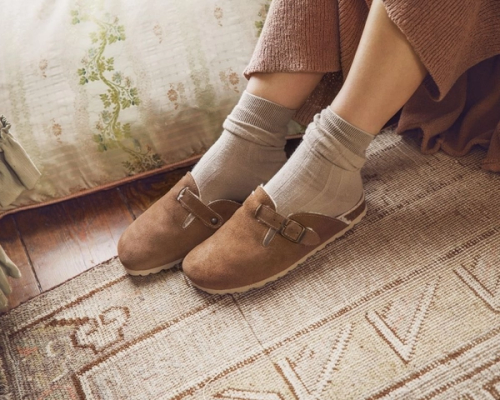
Many clogs use EU sizing. If you’re between sizes, I usually go up for closed-back clogs and stay true for backless mules. Always confirm with the brand’s chart. Your foot length in centimeters is the most reliable guide.
- US to EU varies by brand. Check the brand chart, not a generic one.
- If you often wear half sizes, try both options. Sock thickness can make the call.
- When in doubt, order two sizes and compare at home on clean floors.
Credit: www.jonesbootmaker.com
Key Features Of A Proper Fit
Understanding the key features of a proper fit helps you choose the best clogs. A good fit keeps your feet comfortable and healthy. It stops blisters, pain, and slipping.
Heel And Toe Room
Clogs should have enough space in the toe box. Your toes need room to move and wiggle. Too tight, and toes get cramped. Too loose, and feet slide forward. The heel area must fit snugly but not squeeze.
What I aim for:
- Toe room: about a thumb’s width (roughly 5–10 mm) in front of the longest toe.
- Toes should lie flat. No curling, no pressure on the nail.
- In wooden or firm-soled clogs, a tiny heel “kiss” or lift can be normal. It should not rub or blister.
Arch Support Placement
Arch support is important for foot comfort. It should match the natural curve of your foot arch. Proper support reduces strain and fatigue. Clogs with good arch support help keep your balance.
If you have flat feet or high arches, test support on both feet. The arch should sit under your arch—not forward under the ball of your foot. A contoured footbed (like cork-latex or PU) often works well for long shifts.
Secure Heel Fit
The heel must feel secure without slipping. A loose heel causes rubbing and blisters. A tight heel prevents the foot from moving inside the shoe. Secure fit ensures safe walking and standing all day.
Closed-back clogs should “hug” the heel cup. Backless styles won’t grip the heel, so check that your foot doesn’t slide forward. If you feel slide, go down a half size or switch to a style with a strap.
Material Impact On Fit
The material of clogs plays a big role in how they fit your feet. Different materials feel and behave differently. This affects comfort, support, and how the shoe shapes to your foot. Understanding these differences helps you pick clogs that fit well from the start.
Leather Vs Synthetic
Leather clogs often fit better over time. They stretch and mold to your feet. Synthetic clogs keep their shape more. They may feel stiff at first but stay consistent. Leather feels soft and natural. Synthetic can be lighter and easier to clean.
Common uppers and footbeds you’ll see:
- Full‑grain leather: durable, molds to shape, needs conditioning.
- Oiled/nubuck leather: soft feel, breaks in faster, scuffs can be buffed.
- PU or EVA: light, cushy, easy to clean; holds shape; great for kitchens and hospitals.
- Cork‑latex footbeds: contour over time; great for arch support and shock absorption.
- Wood bases: classic look, firm platform with rocker; sizing needs to be spot‑on.
- Wool felt: breathable, cozy, adapts to foot volume, great for indoor wear.
Breathability And Flexibility
Leather allows air to pass through. This keeps feet cooler and dry. Synthetic materials may trap heat and moisture. Flexibility also varies. Leather bends with your foot’s movement. Some synthetics are rigid, making walking harder. Choose material based on how your feet feel.
If you run warm or work long shifts, look for perforations, moisture-wicking linings, or cork footbeds. If you need wipe-clean shoes, PU or EVA is very practical.
Break-in Periods
Leather clogs usually need time to soften. This break-in period can last days or weeks. During this time, expect some tightness or pressure. Synthetic clogs often need less or no break-in. They fit closer to their original shape. Knowing this helps you prepare for comfort.
My break‑in plan:
- Wear for 1–2 hours at home for the first few days.
- Use thick socks to help gentle stretch (leather only).
- Spot-treat hot spots with moleskin while they soften.
Common Fit Issues And Fixes
Clogs are popular for comfort and style. Yet, many face fit problems. Knowing common issues helps you enjoy your clogs more. Small fixes make a big difference in comfort and wear.
Dealing With Slippage
Slippage means your heel slips out while walking. It causes discomfort and affects balance. Try wearing thicker socks to fill space. Adding heel grips inside clogs stops slipping. Check if the clog size is too big. Consider a half size smaller for a snug fit.
In backless clogs, a light heel lift is expected. If your foot slides forward, add a thin insole to take up volume, or switch to a model with a strap.
Avoiding Pinching And Blisters
Pinching hurts the sides or top of your foot. Blisters form from friction and pressure. Break in new clogs slowly to soften the material. Use moleskin or blister pads on hot spots. Adjust straps or laces to reduce tightness. Choose clogs with a wider toe box to prevent squeezing.
If the top of your foot (instep) feels crushed, look for a deeper vamp or adjustable buckle. If the little toe pinches, you likely need more width or a rounder toe shape.
Adjusting For Swelling Feet
Feet swell during the day or in warm weather. Tight clogs cause pain and poor circulation. Wear clogs in the afternoon for the best fit. Choose styles with adjustable straps for extra room. Stretch clogs gently with a shoe stretcher or thick socks. Consider clogs made from flexible materials that adapt to foot changes.
High Instep or Low-Volume Feet
High instep: favor adjustable straps, stretchable leather, or deeper lasts. Low-volume feet: use a thin insole to remove extra space and keep the heel secure.
Using Orthotics and Inserts
If you wear orthotics, pick clogs with removable footbeds and enough depth. Test your insert at home to ensure it doesn’t lift your heel out of the cup or crowd your toes. A supportive insole can transform the fit—and your day.
Tips For Testing Clogs At Home
Testing clogs at home helps ensure they fit well before wearing them out. This process lets you feel how they support your feet. It also shows if they stay comfortable after walking.
Walking Techniques
Walk on different surfaces like carpet and hardwood floors. Take slow, steady steps to notice how the clogs feel. Try walking uphill or downstairs to check stability. Pay attention to any slipping or pinching.
Also try quick side steps and a few squats. Your foot should stay centered and supported.
Checking Comfort Over Time
Wear the clogs for at least 30 minutes inside your home. Notice if any part of your foot feels sore or tight. Stand and sit to see how the clogs support your feet. Comfort that lasts means a good fit.
Green flags:
- No hotspots after 30–60 minutes.
- Stable heel. Toes relax and spread.
- Natural roll through the step (rocker sole should help, not fight you).
Using Socks Or Insoles
Test clogs with the socks you usually wear. Socks can change how snug the clogs feel. Add insoles if you need extra support or cushioning. Make sure the clogs still feel roomy and not tight.
The Paper Test for Toe Room
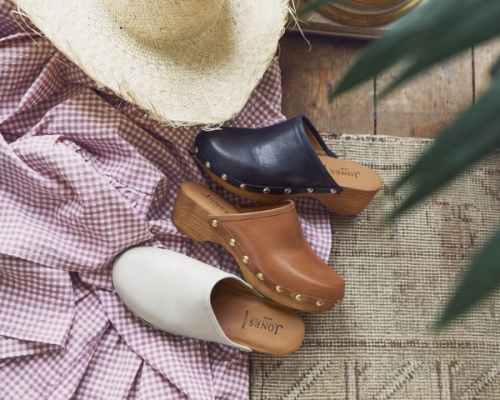
Stand tall. Slide a folded receipt or thin card between toes and the front. You should feel space without your toes hitting the front when you walk.
Credit: www.jonesbootmaker.com
Maintenance For Long-lasting Comfort
Proper maintenance keeps your clogs comfortable and durable. Regular care prevents wear and tear. It also helps your clogs fit better over time. Small efforts extend their life and comfort. Here are key steps for maintaining your clogs.
Cleaning And Conditioning
Clean your clogs often to remove dirt and sweat. Use a soft brush or cloth. Mild soap with water works well. Avoid soaking your clogs completely. Let them air dry away from heat. For leather clogs, apply a conditioner to keep the material soft. This stops cracking and stiffness.
For PU/EVA: wipe with a damp cloth and mild cleaner. For cork: use a cork sealer to prevent drying. For wool felt: spot clean and air out to control odor.
Replacing Insoles
Insoles wear out faster than the clogs themselves. Replace them if they feel hard or lose support. New insoles restore cushioning and comfort. Choose insoles made for your clog type. This simple step improves fit and reduces foot pain.
I also rotate pairs. Letting them rest between wears keeps cushioning lively and helps them last.
When To Retire Your Clogs
Clogs need replacement when they no longer support your feet. Signs include worn soles or holes. If the shape changes and causes discomfort, it’s time to retire them. Using old clogs can lead to foot problems. Keep an eye on their condition for safe wear.
Other red flags: the heel cup tilts, outsole loses grip, or the upper cracks beyond conditioning. If you work on slick floors, replace earlier to keep traction strong.
Credit: www.jonesbootmaker.com
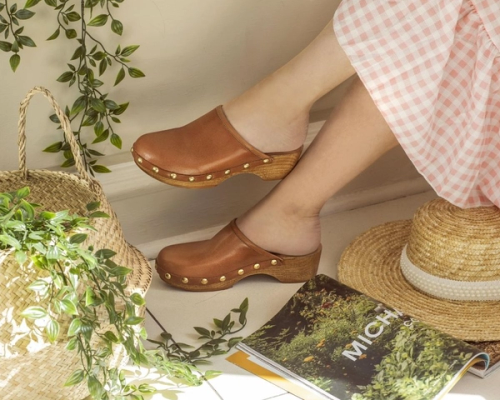
Backless vs Closed-Back Clogs: Fit Differences
Backless clogs and mules feel freer. Closed-back clogs feel more secure. Fit them a bit differently:
- Backless: aim for zero forward slide. If you push off and toes hit the front, go down a half size or add a thin insole.
- Closed-back: heel should sit in the cup with minimal lift. A tiny lift is okay in wooden bases. No rubbing allowed.
- Straps help: a heel or instep strap fine-tunes volume and locks your foot in.
Clogs by Use: Nurses, Chefs, Teachers, and Beyond
Different jobs need different fits:
- Nurses and healthcare: choose supportive arch, slip-resistant outsole, and easy-clean uppers. Roomy toe box helps during long shifts and swelling.
- Chefs and kitchen staff: go for slip-resistant, oil-resistant soles, and wipe-clean PU/EVA. Secure heel fit is key on slick floors.
- Teachers, retail, hospitality: balanced cushioning with a stable heel. Lightweight materials help with all-day wear.
- Gardeners and casual wear: breathable uppers, flexible soles, and easy-on styles. Consider water-friendly materials.
Special Foot Types and Conditions
These quick pointers help match clog features to your feet. Always consult a pro for medical advice.
- Plantar fasciitis: seek strong arch support, deep heel cup, and a slight heel lift.
- Flat feet/overpronation: structured footbeds or orthotic-ready clogs work well.
- High arches: cushioned footbeds with gentle contour. Avoid very flat bases.
- Bunions/Morton’s neuroma: wide, round toe box and soft leather over the forefoot reduce pressure.
- High instep: adjustable straps and deeper vamps. Avoid shallow, rigid uppers.
Returns, Exchanges, and Break-in: What’s Normal?
A little snug across leather uppers can be normal. Pain on bones or numb toes is not. Here’s my rule of thumb:
- After 2–3 short wears, hotspots should fade. If they don’t, try a different size or width.
- If your toes hit the front while walking, size up or choose a roomier toe box.
- If your heel lifts and rubs in a closed-back, size down or add a thin insole/heel grip.
Frequently Asked Questions
How Tight Should Clogs Fit On Your Feet?
Clogs should fit snugly but not too tight. They must hold your foot securely without causing discomfort or pinching. A proper fit ensures comfort and prevents blisters or chafing during wear.
Can Clogs Be Worn Without Socks Comfortably?
Yes, clogs can be worn without socks if they fit properly. Properly fitted clogs allow air circulation and avoid friction. Always check for smooth interiors to prevent irritation when barefoot.
Should There Be Space At The Toe In Clogs?
Yes, there should be about a half-inch space at the toe. This allows natural foot movement and prevents toes from rubbing the clog front. Proper toe space ensures comfort during walking.
How To Know If Clogs Fit Your Heel Correctly?
Your heel should feel secure without slipping out while walking. A good clog fit grips the heel comfortably to avoid blisters. Avoid clogs that are too loose or too tight at the heel.
Do Wooden Clogs Fit Differently?
Yes. Wood does not stretch, so sizing must be precise. Expect a tiny heel lift with a rocker base. There should be no rubbing or toe bumping.
Can I Use Custom Orthotics in Clogs?
Choose clogs with removable footbeds and enough depth. Test at home to confirm your orthotic doesn’t lift the heel out of the cup or crowd the toes.
Are Clogs Good for Plantar Fasciitis?
They can be. Look for strong arch support, a deep heel cup, and a slight heel rise. Many nurses and retail workers find relief with supportive clog footbeds.
Is Some Heel Slip Normal?
A small lift can be normal, especially with wooden or firm bases. It should not cause friction or blisters. If it does, adjust size or add a thin insole.
Conclusion
Choosing the right fit for clogs is key to comfort and support. Clogs should feel snug but not tight, with enough room for your toes to move. A good fit helps prevent blisters and foot pain. Always try them on and walk around before buying.
With the steps above—and a few minutes of testing at home—you can land a pair that feels custom. Take your time, trust how your feet feel, and pick the materials and features that match your day. Well-fitted clogs keep your feet happy from clock-in to clock-out and everywhere in between.

Madison Clark is a footwear expert and the voice behind MyStyleGrid.com. She specializes in honest shoe reviews, style tips, and practical guides to help readers find the perfect pair for any occasion. With years of experience in blogging and content creation, Madison makes footwear knowledge simple, stylish, and easy to follow.