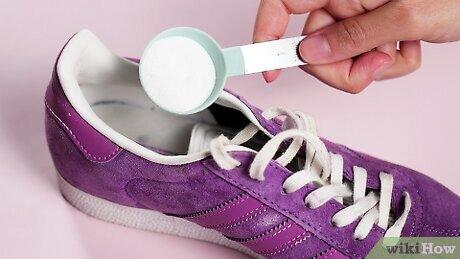
Wash the insoles, dry the sneakers fully, and use baking soda to remove odor-causing moisture and bacteria.
How Do You Get the Smell Out of Sneakers? The best answer is not to cover the odor with perfume. You need to remove sweat, clean the parts that hold moisture, and let the shoes dry all the way. This guide explains safe methods for mesh, canvas, leather, and athletic sneakers, plus simple ways to stop the smell from coming back.
Why Do Sneakers Smell?
Sneaker odor usually comes from sweat, bacteria, and trapped moisture. Your feet contain many sweat glands, and sneakers often hold heat close to the skin. When sweat soaks into socks, insoles, and shoe lining, bacteria break down the sweat and create strong-smelling compounds.
The smell may become worse when you wear the same shoes every day. A sneaker needs time to release moisture. If it stays damp inside, it becomes a small, warm space where odor grows.
Common causes include:
• Wearing sneakers without socks
• Using the same pair on back-to-back days
• Leaving wet shoes in a gym bag
• Wearing shoes with poor airflow
• Keeping dirty or damp insoles inside
• Having sweaty feet or a skin condition such as athlete’s foot
A useful way to think about sneaker odor is like a smoky room. Spraying fragrance may hide the smell for a short time, but the source remains. Cleaning and drying remove the source.

How Do You Get the Smell Out of Sneakers Quickly?
If you need fresh sneakers today, use this simple process. It works best when the odor is mild or moderate.
- Remove the laces and insoles.
- Shake out dirt and loose debris.
- Wipe the inside with a clean cloth lightly dampened with warm water and mild soap.
- Sprinkle baking soda inside the shoes.
- Leave the baking soda in place for at least eight hours.
- Empty the shoes and let them air out near a fan.
Do not soak the shoes unless the care label allows it. Too much water can damage foam, weaken glue, stain leather, or create an even bigger odor problem.
For a faster result, place the sneakers near moving air. A fan is better than direct heat. Strong heat from a hair dryer, radiator, or clothes dryer can shrink materials and deform the sole.
In my experience, the biggest mistake people make is trying to rush the drying step. A shoe can feel dry on the outside while the foam and inner lining remain damp. That hidden moisture is often why the smell returns the next day.
How Do You Get the Smell Out of Sneakers With Baking Soda?
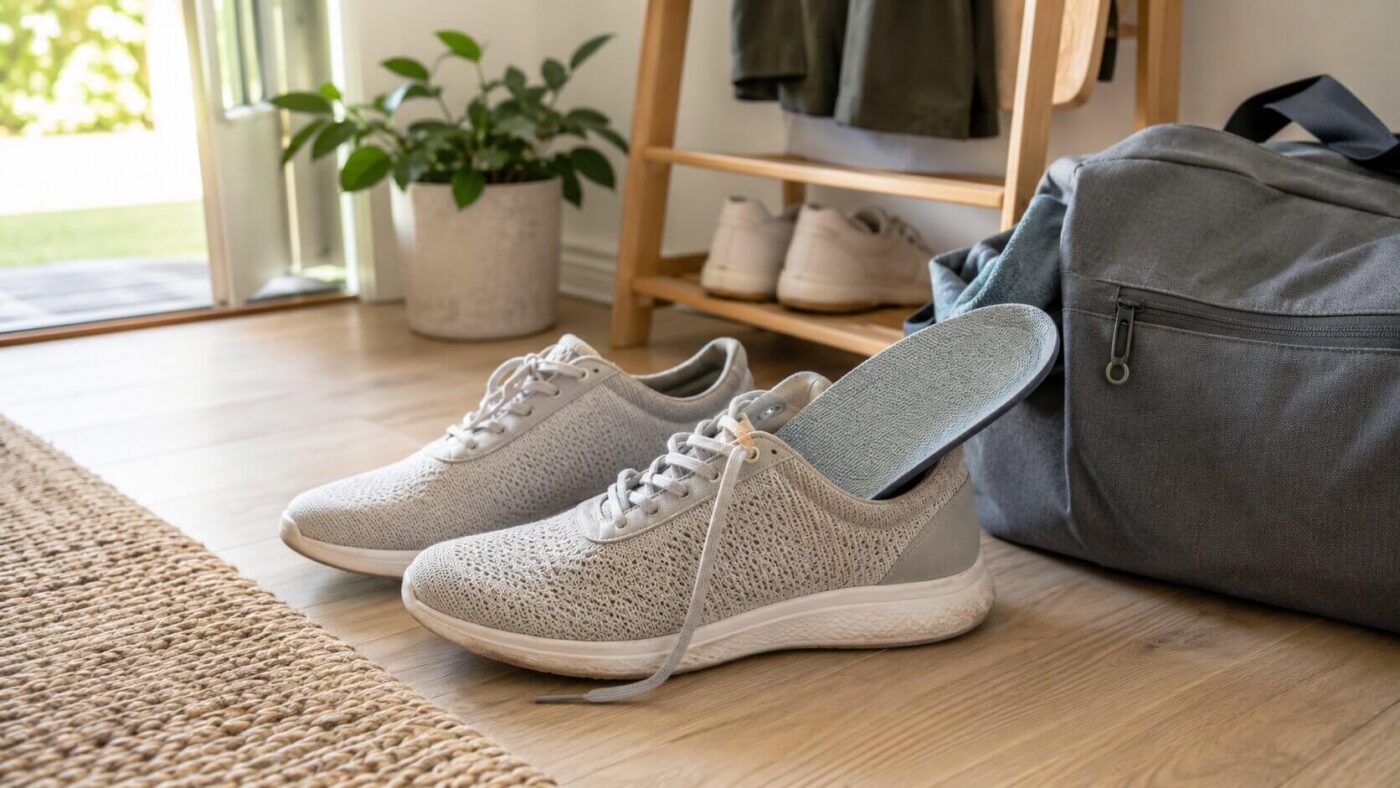
Baking soda is one of the safest and most useful home treatments for sneaker odor. It helps absorb moisture and neutralize some odor compounds. It does not replace washing, but it works well as part of a complete cleaning routine.
To use baking soda:
• Pour two to four tablespoons into each shoe.
• Spread it across the toe, heel, and sides.
• Leave it overnight, or for up to 24 hours.
• Shake the powder out outdoors.
• Use a vacuum with a narrow attachment to remove the rest.
For removable insoles, place them in a paper bag with baking soda. Close the bag loosely and leave it overnight. This gives the powder time to absorb odor from the insole without spreading powder throughout your home.
Avoid adding large amounts of water to baking soda inside the shoe. The paste can become trapped in fabric and foam. Also, test baking soda on a hidden area if the shoe has a dark or delicate lining.
Baking soda is helpful for freshening. It is not a strong disinfectant, and it will not cure athlete’s foot. If the smell is linked to itching, peeling, burning, or cracked skin, treat the foot problem as well.
How Do You Get the Smell Out of Sneakers by Washing Them?
Many canvas and fabric sneakers can be hand-washed. Some athletic shoes can go in a washing machine, but you should check the care instructions first. Shoes with leather, suede, lights, glued decorations, or delicate foam are usually better cleaned by hand.
Hand-washing fabric sneakers
Follow these steps:
- Remove the laces and insoles.
- Brush away dry dirt with a soft brush.
- Mix warm water with a small amount of mild laundry detergent.
- Dip a soft brush or cloth into the solution.
- Scrub the upper, tongue, lining, and footbed gently.
- Wipe away soap with a clean, damp cloth.
- Stuff the shoes with plain paper towels.
- Replace the paper as it becomes damp.
- Let the sneakers air-dry completely.
Do not use newspaper inside light-colored sneakers. Ink can transfer to the fabric. Paper towels or clean white paper work better.
Machine-washing athletic shoes
If the label permits machine washing, place the shoes in a mesh laundry bag. Wash them with towels on a gentle, cool cycle. Use a small amount of mild detergent, then air-dry the shoes.
Never assume that every sneaker is machine-safe. Running shoes often contain layered foam and bonded materials that may break down with heat, strong agitation, or repeated washing.
Cleaning leather and suede sneakers
Use a cleaner made for the specific material. Do not flood leather with water. For suede, use a dry suede brush and a suitable suede cleaner. Test any product on a hidden spot first.

How Do You Get the Smell Out of Sneakers Without Washing Them?
Sometimes washing is not safe or practical. You can still reduce odor with dry methods and careful surface cleaning.
Try this routine:
• Remove the insoles and laces.
• Brush away dirt.
• Wipe the lining with a barely damp cloth and mild soap.
• Place baking soda or activated charcoal bags inside.
• Leave the shoes in a dry, ventilated room.
• Rotate the shoes after several hours so air reaches every area.
Activated charcoal bags can absorb odor in enclosed spaces. They are reusable in many cases, but they do not clean sweat or kill all bacteria. Replace or recharge them as the product label directs.
Dry rice is sometimes suggested as a moisture absorber. It is not the best choice because loose grains can become trapped inside the shoe. Silica gel packets are safer when kept away from children and pets, but they should never be opened or eaten.
Freezing sneakers is another popular internet tip. Cold may slow some bacteria, but it does not remove sweat, dirt, or skin oils. Once the shoes warm up, the odor can return. Cleaning and drying remain more reliable.

Can Vinegar or Rubbing Alcohol Remove Sneaker Odor?
Diluted white vinegar may help reduce odor on some washable fabric shoes. Mix one part vinegar with three parts water, then lightly wipe the inside. Do not saturate the shoe, and always test the mixture first.
Vinegar has a strong smell of its own. That smell usually fades as the shoe dries, but it may linger in foam or synthetic lining. Never mix vinegar with bleach or other cleaning chemicals.
Rubbing alcohol can help clean small areas because it evaporates quickly. However, it may damage dyes, coatings, leather finishes, and adhesives. Use it only after checking the material and testing a hidden area.
Avoid bleach, strong disinfectants, and ammonia. These products can irritate skin, weaken shoe materials, and create harmful fumes when mixed with other cleaners. A mild detergent, fresh air, and full drying are safer choices for most sneakers.

How Do You Clean Smelly Insoles?
Insoles often hold more odor than the outer shoe. They absorb sweat and stay close to the foot, so cleaning or replacing them can make a major difference.
For washable fabric insoles:
- Remove them from the shoes.
- Brush off loose dirt.
- Scrub gently with warm water and mild detergent.
- Rinse with a clean, damp cloth.
- Press them between towels to remove water.
- Air-dry them fully before putting them back.
Do not twist foam insoles. Twisting can bend or break the foam. Keep them flat while they dry.
If the insole still smells after cleaning, replace it. Replacement insoles are often less expensive than new sneakers. Choose a breathable, moisture-managing option that fits the shoe without crowding your toes.
Never put damp insoles back into clean shoes. That mistake can rebuild the odor within hours.
How Do You Get the Smell Out of Sneakers Permanently?
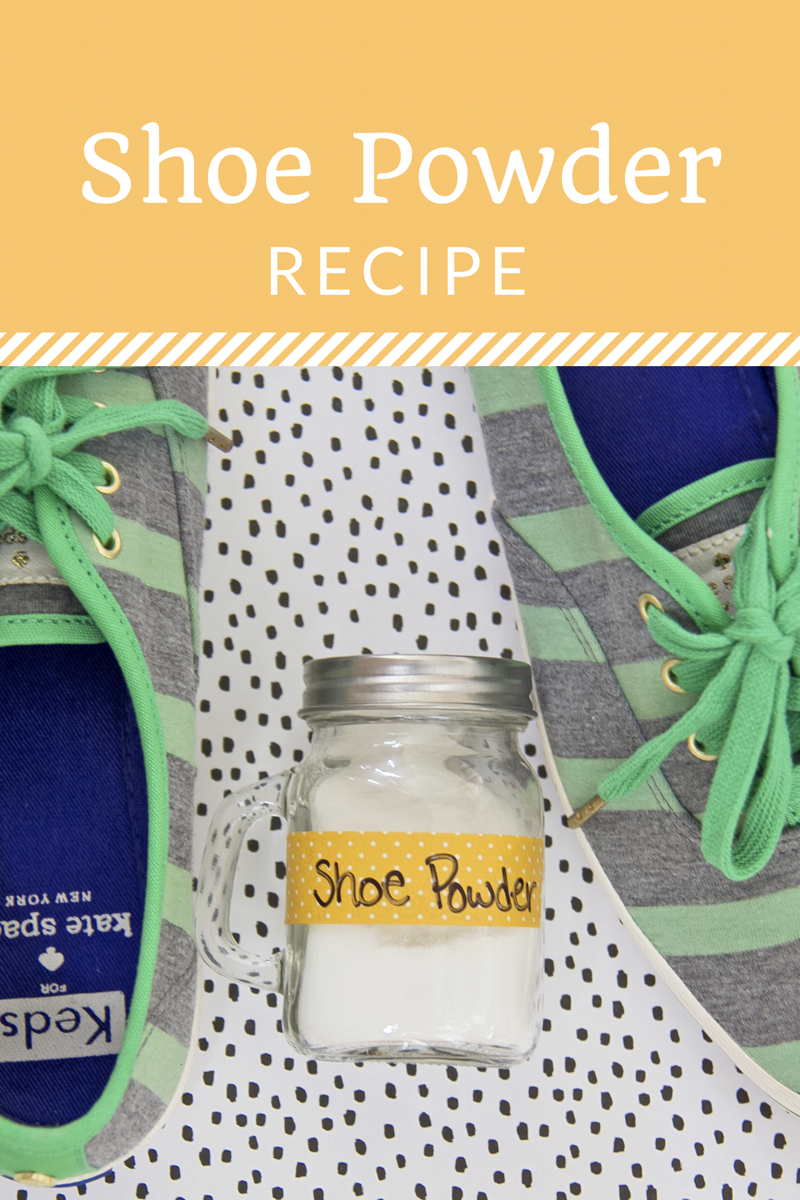
No method can prevent odor forever if sweat and moisture keep entering the shoe. The long-term solution is to control moisture and give the sneakers time to dry.
Use these habits:
• Rotate between at least two pairs of sneakers.
• Wear clean, breathable socks each day.
• Change socks after exercise or heavy sweating.
• Wash feet daily and dry well between the toes.
• Use moisture-wicking socks for running and sports.
• Remove insoles after wearing the shoes.
• Store sneakers in an open, dry area.
• Do not leave sweaty shoes in a closed gym bag.
• Air out shoes before placing them in a closet.
Cotton socks can feel comfortable, but they may hold moisture during long workouts. Synthetic blends or merino wool often move moisture away from the skin more effectively. The best choice depends on your comfort, activity, and skin needs.
Foot powder may help people who sweat heavily. Follow the label and stop using it if it causes redness or irritation. If excessive sweating continues, a health professional can suggest suitable treatment.

When Should You Replace Smelly Sneakers?
Cleaning is worth trying when the shoes still have good structure. Replace them when the odor remains severe after repeated cleaning and complete drying, or when the materials are breaking down.
Consider replacing sneakers if:
• The lining is torn and holds dirt
• The foam stays damp for a long time
• The sole has lost its shape
• Mold or mildew covers a large area
• The shoes cause pain or rubbing
• The odor returns within a few hours every time
A small amount of surface mold may be removable from some washable materials, but heavily contaminated shoes are difficult to sanitize fully. People with asthma, allergies, or weakened immune systems should be extra careful around moldy footwear.
Also check the fit. A tight shoe can increase heat, sweating, and friction. A well-fitting, breathable sneaker can help prevent the odor cycle from starting again.
Mistakes to Avoid When Removing Sneaker Odor
Good intentions can damage shoes or make the smell worse. Avoid these common errors:
• Spraying perfume without cleaning the shoe
• Drying sneakers on a hot radiator
• Wearing the same damp pair every day
• Using too much detergent
• Soaking leather or suede
• Sealing wet shoes in a plastic bag
• Mixing cleaning products
• Ignoring itchy or peeling skin
• Putting shoes away before they are fully dry
The goal is simple: remove the odor source, reduce moisture, and protect the shoe material. More cleaner does not mean better cleaning. Gentle care used consistently is usually more effective than one harsh treatment.
Frequently Asked Questions About How Do You Get the Smell Out of Sneakers
How Do You Get the Smell Out of Sneakers Overnight?
Remove the insoles, wipe the inside with mild soapy water, and let the shoes air out near a fan. Add baking soda overnight, then shake it out before wearing the sneakers.
Does Baking Soda Really Remove Smell From Sneakers?
Baking soda can absorb moisture and reduce some odors. It works best after the shoes are cleaned and dried, but it cannot replace washing or treat a foot infection.
Can I Put Smelly Sneakers in the Washing Machine?
Some fabric and athletic sneakers are machine washable, but always check the care label first. Use a cool, gentle cycle and air-dry them instead of using a dryer.
Why Do My Sneakers Smell Even After I Wash Them?
The insoles, foam, or inner lining may still contain moisture and bacteria. Dry the shoes completely, clean or replace the insoles, and rotate your footwear between wears.
Is Vinegar Safe for Smelly Sneakers?
Diluted vinegar may be suitable for some washable fabric sneakers, but it can damage certain dyes, finishes, and materials. Test it in a hidden area and never mix it with bleach.
Should I Throw Away Sneakers With a Bad Smell?
Not always. Try cleaning, replacing the insoles, and drying the shoes fully first; replace them if the odor remains severe or the shoe has mold, damage, or poor support.
Conclusion
How Do You Get the Smell Out of Sneakers? Start by removing the insoles, cleaning the shoe material safely, using baking soda for extra odor control, and allowing the sneakers to dry completely. Then prevent the problem by wearing clean socks, rotating shoes, and storing them where air can move.
A little care after each workout can save your favorite pair from becoming a permanent odor trap. Try the cleaning method that matches your sneaker material, and share your results or best shoe-care tip in the comments.

Madison Clark is a footwear expert and the voice behind MyStyleGrid.com. She specializes in honest shoe reviews, style tips, and practical guides to help readers find the perfect pair for any occasion. With years of experience in blogging and content creation, Madison makes footwear knowledge simple, stylish, and easy to follow.