Are you struggling with Echo clogs that feel too big or sloppy? I’ve been there. A small size tweak can change everything—better comfort, better grip, and no more heel slip.
So, how do you shrink Echo clogs without ruining them? I’ll walk you through safe, proven methods I’ve used and tested. They’re simple to do at home, take little time, and work best when you know your material. Follow along, and you’ll dial in a snug, secure fit—without pinching or hot spots. Let’s get started.
Causes Of Echo Clogs Stretching
Echo clogs can loosen with wear. The change is slow, but it affects comfort, stability, and performance. When you understand why they stretch, you can treat them right and keep the fit consistent. The main reasons come down to the material, heat, moisture, and how you use and store them.
Material Types And Their Stretching Properties
Many Echo-style clogs (including Crocs Echo Clog) use a closed-cell foam resin, often called Croslite or EVA foam. These respond to heat and pressure. Warmth can soften the foam, and as it cools, it can set in a new shape. Leather uppers stretch more with time and moisture. They mold to your feet but can also loosen too much. Synthetic uppers keep shape longer but can still relax with heat. Fabric stretches fast and may lose firmness sooner.
Each material reacts differently to heat, water, and pressure. Foam resins (Croslite/EVA) can shrink with controlled heat, while leather may tighten with moisture and mild heat but can also dry out if overheated. Knowing your material helps you choose the safest method.
Common Situations Leading To Loose Fit
Long hours on your feet lead to natural give. Walking on rough ground adds flex and strain. Water, sweat, and steam soften the material, making it relax. Going sockless adds friction inside the clog and can speed up wear. Storing clogs in a hot car or direct sun can change shape over time. These habits add up and can turn a once-snug clog into a loose, less secure fit.
How Croslite/EVA Reacts To Heat And Pressure
Closed-cell resin foams like Croslite and EVA soften with heat and firm up as they cool. That’s why controlled warmth can help you “reset” the fit. Too much heat, though, can warp the toe box, thin the walls, or make the surface glossy and brittle. Gentle, even heat is key. Short sessions. Constant motion. Let them cool on your feet so they set to your shape.

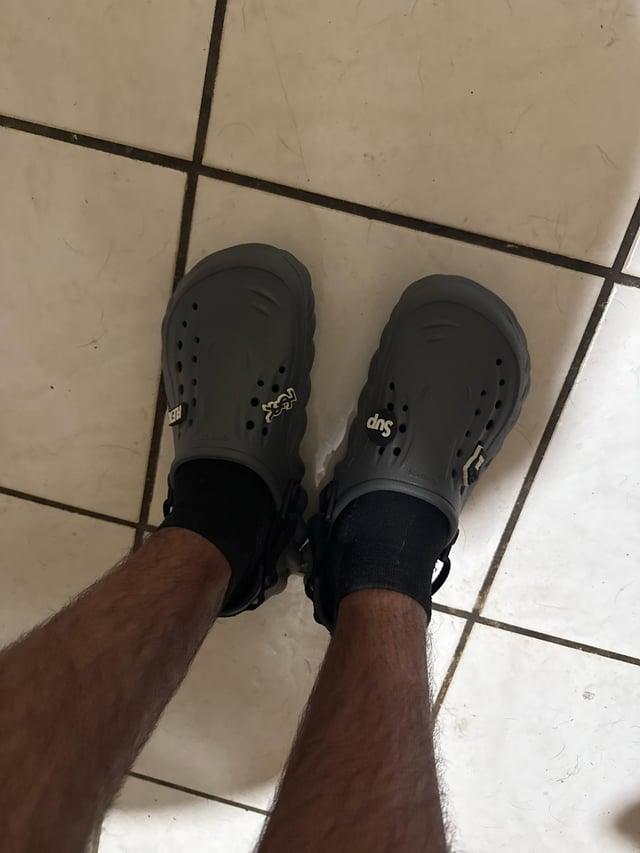
Credit: www.reddit.com. Example Echo clogs with a roomy profile that may need slight shrinking for a locked-in feel.
Pre-shrinking Preparation
Before you shrink Echo clogs, prep well. Good prep protects your shoes, your feet, and your results. It also helps you avoid over-shrinking. I always measure first, then test heat on a small area.
Cleaning Your Clogs
Brush off dust and grit. Use a soft brush or cloth. For scuffs, use mild soap with lukewarm water. Do not soak leather parts. Rinse and let dry fully. Clean clogs heat and shrink more evenly. They also look better afterward.
Gathering Necessary Tools
Have a spray bottle with lukewarm water, a clean cloth, and a safe heat source (hair dryer is best). A measuring tape helps you track changes. Optional but helpful: thick socks, shoe trees, paper for stuffing, an infrared thermometer, and heat-resistant gloves. Laying everything out keeps the process smooth and safe.
Before-You-Begin Safety And Warranty Notes
Heat-based methods can void a warranty and may damage clogs if overdone. Always test on a small, hidden area first. Keep heat moving. Avoid direct flames and very high temps. If your clogs have glued parts, high heat can weaken the bond. When in doubt, go slower and use less heat.
Water-based Shrinking Techniques
Water methods are simple and gentle. They help soften material so it can set to a smaller, closer fit as it dries. These are my go-to options for small, precise changes.
Work in small steps. Aim for a mild shrink. You can always repeat if needed. Avoid boiling water on foam-based clogs; it’s too aggressive and risky.
Using Warm Water Method
Fill a basin with warm water—comfortably warm to the touch, not hot. Soak the clogs for 5–10 minutes. The material softens a bit.
Put on thick socks and wear the clogs while damp. Walk around for 10–15 minutes. Let them dry on your feet if you can. This helps them form to your foot shape. If the fit is still loose, repeat once more.
Applying Hot Water For Tough Stretching
Use hot water only if the clogs are very loose. Heat water until hot but not boiling. Dip the clogs for a few seconds and remove. Avoid soaking for long periods.
Slip them on right away with thick socks. Move your feet and flex. Let them cool on your feet at room temp. This can set a firmer, smaller fit. Do not rush with high heat. Err on the side of caution.
Targeted Spot-Shrink With Spray Bottle
If only the heel or toe feels loose, mist that area with warm water. Warm it gently with a hair dryer (low to medium). Put the clogs on and let them cool. This local approach avoids shrinking areas that already fit well.
Heat-based Shrinking Options
Heat can work fast, but control is everything. Keep the air moving. Use short bursts. Let the clogs cool on your feet so they hold the new shape. If you see shine or smell strong plastic, stop. That’s a sign of too much heat.
Hair Dryer Method
Use a hair dryer on medium to high heat. Hold it 6–10 inches from the surface. Keep it moving in circles. Warm the problem areas for 45–90 seconds.
Put on thick socks and wear the clogs while they’re warm. Walk and flex for 5–10 minutes. Let them cool on your feet. Repeat in small steps if needed. Avoid overheating one spot.
Oven Technique And Safety Tips
Preheat the oven to a low 150°F (65°C). Place clogs on a baking sheet and heat for 3–5 minutes. Watch closely. Remove as soon as they feel warm and pliable. Wear them right away with socks and let them cool on your feet.
Important: Oven methods carry risk for foam clogs. Overheating can warp the toe box or thin the side walls. Never leave the oven unattended. If you’re unsure, use the hair dryer instead—it’s safer and easier to control.
Clothes Dryer “Towel Burrito” Alternative
Wrap clogs in a thick towel (the “burrito”). Tumble on low heat for 3–4 minutes. Check often. When warm and flexible, wear with socks and let cool. This is gentler than the oven and more even than a hair dryer for some models.
Alternative Shrinking Methods
Some quick tricks do not rely on soaking or direct heat. These can fine-tune fit or address small gaps. They’re also low-risk if you prefer to avoid heat or water.
Freezing Method Explained
Freezing usually helps with stretching, not shrinking. The “bag of water” trick expands as it freezes and can slightly stretch tight spots. It does not reliably shrink foam clogs. If your goal is a smaller fit, stick to warm water or gentle heat. Use freezing only if you need a tiny stretch in one area.
Using Socks For A Better Fit
Layer one to three pairs of socks and wear your clogs around the house. The extra padding fills empty space and helps the clog mold to your foot as it warms and cools. It’s a gentle method that protects the material and helps break in new pairs.
Non-Heat Fit Helpers
Try low-profile insoles, heel grips, or tongue pads (cut to size). They reduce internal volume without shrinking the shoe. Adjustable heel straps can also lock in the heel. These quick fixes are reversible and safe.
Drying And Setting The Shape
Drying is where the new shape sets. Take your time. Even, slow drying gives the best result and helps prevent uneven shrink.
Air Drying Vs. Towel Drying
Air drying is most gentle. Place clogs in a cool, dry area, away from heaters and direct sun. Let them dry for several hours. This prevents uneven shrink or surface damage.
Towel drying removes excess water faster. Press with a soft towel. Do not rub hard. Rubbing can scuff or roughen the surface. After towel drying, let them finish air drying.
Maintaining Shape During Drying
Hold the desired shape while they set. Use shoe trees or stuff with clean paper. Avoid heavy pressure or weights that could distort the profile. Check them every 20–30 minutes early on. Adjust stuffing if needed so they set in a balanced shape.
Pro tip: Do a quick “fit check” mid-dry. Slip them on for 60 seconds. If they still feel loose, you can repeat a short warm-water or hair-dryer cycle while they’re not yet fully set.
When To Seek Professional Help
Home methods work for small and moderate tweaks. Bigger problems, damage, or mis-shapes can need expert hands. It’s better to ask for help early than to push heat too far.
Signs Your Clogs Need Expert Care
Watch for deep cracks, thinning walls, or shiny, brittle spots from past overheating. If water soaks inside layers or glue lets go, see a pro. Lingering odor or stains may need pro cleaning. Loose rivets, blown-out straps, and warped toe boxes are also good reasons to get expert help.
Finding Reliable Repair Services
Look for shoe repair shops with experience in EVA/Croslite reshaping. Read reviews and ask about methods and prices. A good shop uses controlled heat, proper forms, and safe tools. Many can replace rivets or adjust straps. This protects shape and extends life without guesswork.

Credit: www.wikihow.com. Gentle, even heat is key—short sessions and constant motion help prevent warping.
Tips For Preventing Future Stretching
Prevention keeps your fit locked in. A few small habits go a long way. I follow these with all my foam clogs.
Proper Wearing Habits
Pick the right size from the start; a snug-but-not-tight fit is ideal. Don’t force your foot into a tight clog—use the strap and step in. Use socks on long days to reduce friction and sweat. Give your clogs a break—rotate pairs if you can. Avoid grinding over rough surfaces when not needed.
Storage Recommendations
Store in a cool, dry spot away from direct sun or a hot car. Heat can relax or warp the foam. Keep them upright, and use a shoe tree if you have one. Don’t stack heavy items on top. Wipe down after wear to remove sweat and oils. Clean before long-term storage.
Care And Cleaning For Longevity
Use mild soap and water only. Avoid harsh chemicals, solvents, or strong detergents that can dry or crack the surface. Let them dry fully before the next wear. Regular care helps the foam keep its shape and rebound.
Sizing, Fit, And Return Options
If your clogs are more than one size too big, shrinking won’t be enough. Echo-style clogs often run true to size, but foot shape matters. If you’re between sizes, many people size down for a sportier, locked-in feel.
Check the brand’s size guide and return policy. If you can exchange for a better size, do that first. Home shrinking is best for dialing in a close fit, not for fixing major size mismatches.
Quick Step-By-Step Summary
Here’s the fast version I use when I tune fit at home:
- Clean clogs and dry completely.
- Measure length and width so you can track change.
- Warm with either warm water (5–10 minutes) or a hair dryer (45–90 seconds, moving constantly).
- Put on thick socks and wear clogs while warm/damp.
- Walk and flex for 10–15 minutes.
- Let them cool on your feet, then air dry fully.
- Repeat once if needed. Go slow to avoid over-shrinking.
Frequently Asked Questions
How Can I Shrink Echo Clogs At Home?
To shrink Echo clogs, soak them in warm water for 10–15 minutes. Then, wear them damp with thick socks so they mold to your feet as they dry. Avoid boiling water, which can damage foam or warp shape.
What Materials In Echo Clogs Affect Shrinking?
Echo clogs may use leather, fabric, or foam resins like Croslite/EVA. Leather can tighten slightly with controlled moisture and heat. Croslite/EVA can shrink with gentle heat. Synthetic uppers vary—check the label before you start.
Can Heat Help Shrink Echo Clogs Effectively?
Yes—gentle heat like warm water or a hair dryer on low to medium helps. Keep heat moving to avoid glossy or brittle spots. High heat can warp foam or separate glued parts.
Is Shrinking Echo Clogs Reversible?
Shrinking is usually permanent, especially with foam resins and leather. Work in small steps. Test first. It’s easier to repeat than to fix an over-shrink.
How Many Times Can I Safely Shrink My Clogs?
Limit to one or two short sessions. Repeated high heat can thin walls and reduce durability. If you still need more change, consider insoles or a size exchange.
Can I Shrink Only The Heel Or Toe Box?
Yes. Use the spot-spray method with warm water and a hair dryer. Heat only the target area, then wear and cool. This avoids shrinking areas that already fit well.
Will Shrinking Affect Traction Or Cushion?
Mild heat does not change traction. Overheating can stiffen foam and reduce rebound. Stay with low, controlled heat for best results.
What Temperature Is “Safe” For Foam Clogs?
Keep water comfortably warm, not boiling. With a hair dryer, use low to medium heat and keep it moving. If using an oven, stay near 150°F (65°C) for only a few minutes and monitor closely.
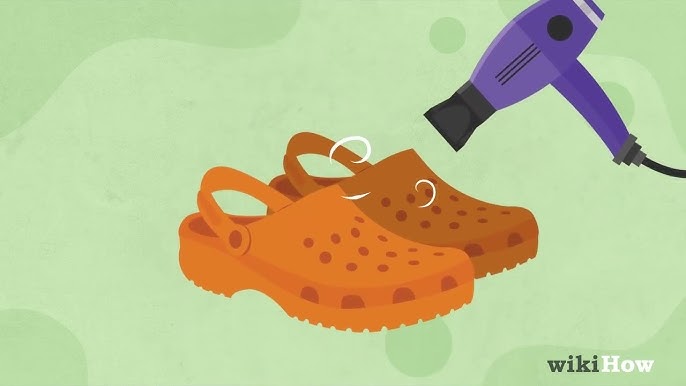
Credit: www.youtube.com. Many owners report best results with warm water plus thick socks for a personalized fit.
Conclusion
Shrinking Echo clogs is simple when you go slow and stay safe. Warm water or gentle heat, short sessions, and a careful dry-down will get you a snug, secure fit. Clean first, measure progress, and set the shape on your feet. If you overshoot, add an insole or heel grip to fine-tune.
I use these exact steps to dial in my pairs. With a little patience, you’ll stop the slip, lose the pinch, and enjoy that “just right” feel every day. Your feet will thank you.

Madison Clark is a footwear expert and the voice behind MyStyleGrid.com. She specializes in honest shoe reviews, style tips, and practical guides to help readers find the perfect pair for any occasion. With years of experience in blogging and content creation, Madison makes footwear knowledge simple, stylish, and easy to follow.