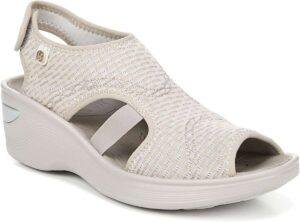
Tight suede shoes can often be loosened, but they cannot always be made much larger. The safest approach is to stretch them a little at a time with a suede-safe shoe stretcher or by wearing thick socks for short periods. Avoid soaking suede or using direct heat, since both can stain, stiffen, shrink, or damage the nap.
If the shoes hurt, pinch your toes, or rub your heel, start with the gentlest method. Stop if the suede shows marks, cracks, color changes, or deep creases.

What You Need Before Stretching Suede Shoes
Before you stretch suede shoes, check what is tight and what the shoes are made from. Suede is leather with a soft, raised surface called the nap. That surface can react badly to water, heat, oils, and strong sprays.


You may need:
- Thick cotton socks
- A suede- or leather-safe shoe stretcher
- Stretching spray labeled for suede
- A clean suede brush
- A soft cloth
- Shoe trees for later storage
- Masking tape to protect decorative parts
- A small hidden area for a patch test
Look inside the shoe for the care label. Also check whether the shoe is genuine suede, nubuck, or synthetic suede. These materials may respond in different ways.
Identify the type of tightness
The location of the pressure helps you choose the right method.
| Problem | Best first choice |
|---|---|
| Tight across the ball of the foot | Two-way shoe stretcher |
| Tight at one small spot | Stretcher with a bunion or spot plug |
| Tight at the toe box | Toe-area stretcher or a shoe repair shop |
| Heel rubbing | Heel grips, thicker socks, or a fit check |
| Shoe too short | Replace the shoes; stretching will not add useful length |
| Tight only because of stiff suede | Short sock-wearing sessions |
A shoe stretcher can widen a shoe. It usually cannot add meaningful length. If your toes touch the front when you stand, the shoes are likely too short. Stretching will not solve that problem safely.
Test any spray or conditioner on a hidden part of the shoe first. Wait until it dries. Look for darkening, spotting, or a change in texture before treating the visible area.
How to Stretch Suede Shoes With a Shoe Stretcher
A shoe stretcher is usually the most controlled home method. Choose one made for leather and suede, and use a stretcher that matches the shoe shape.
Step 1: Clean the shoes
Brush off loose dirt with a dry suede brush. Do not stretch shoes while mud, salt, or grit is on the surface. Dirt can become pressed into the nap and leave marks.
If the shoes are damp, let them dry at room temperature first. Do not place them near a radiator, heater, hair dryer, or sunny window.
Step 2: Apply suede-safe stretching spray
If the stretcher instructions allow it, apply a light coat of spray to the inside of the tight area. Some sprays are made for smooth leather only, so read the label before use.
Do not saturate the suede. Too much liquid can cause dark spots or uneven texture. A light, even application is safer than trying to make the shoes wet.


Step 3: Insert the stretcher
Place the stretcher inside the shoe. Make sure the heel sits fully against the back. Turn the handle slowly until the stretcher makes gentle contact with the sides.
Do not force the handle. The goal is mild pressure, not a dramatic increase in width.
Step 4: Leave it in place
Leave the stretcher in the shoe for several hours or overnight, based on the product directions. Then remove it and try the shoes on with the socks you plan to wear.
If the shoes still feel tight, repeat the process in small steps. Several gentle sessions are safer than one aggressive session.
Step 5: Brush the nap
After stretching, use a dry suede brush to lift and even out the nap. Brush lightly in one direction, then adjust as needed. Avoid hard scrubbing, which can flatten or damage the surface.
Use a spot-stretching plug for one pressure point
Some stretchers include small plugs. You can place a plug over a bunion, toe joint, or other tight area. This focuses pressure where you need it instead of widening the whole shoe.
Use this method carefully. A small area can stretch faster than the rest of the shoe, which may create a lump or a visible change in shape.
How to Stretch Suede Shoes With Thick Socks
Thick socks offer the lowest-risk home method when the shoes are only slightly tight. They work by adding gentle pressure as your feet warm the inside of the shoes.
- Put on one pair of thick socks. Use two pairs only if the shoes still feel comfortable.
- Put on the suede shoes.
- Walk around your home for 10 to 20 minutes.
- Remove the shoes if you feel sharp pain, numbness, tingling, or strong pressure.
- Let the shoes rest for several hours.
- Repeat once a day until the fit improves.
Do not use this method for shoes that are severely tight. Forcing your feet into narrow shoes can cause blisters and pressure on your toes. It can also crease the suede in places that are difficult to fix.
A slightly warm foot can help soften the inside lining, but do not use a hair dryer or heat gun. Direct heat can dry leather fibers, change the color, and make suede brittle.
A useful fit check
After a short session, stand and walk normally. Your toes should have room to move. The widest part of your foot should sit near the widest part of the shoe. The heel should stay in place without painful rubbing.
If the shoes feel fine while standing but pinch when you walk, the problem may be the shoe shape rather than simple stiffness. A professional shoe repair shop may be able to stretch one area more accurately.
Can You Stretch Suede Shoes With Water, Ice, or Heat?
Water, ice, and heat are not reliable first choices for suede shoes. They may seem simple, but they can create more problems than they solve.


Water
Do not soak suede shoes to stretch them. Water can leave rings, dark patches, stains, and a rough nap. It may also affect dyes, glue, linings, and stiffeners.
A spray made specifically for suede is different from soaking the shoe. It is designed to add controlled moisture, but it still requires a patch test.
Ice
The ice-bag method involves filling bags with water, placing them inside the shoes, and freezing them. As water freezes, it expands. The method may stretch some materials, but it is risky for suede.
Leaks can stain the leather. Condensation can dampen the shoe. Freezing may also affect adhesives and shoe structure. Because the result is hard to control, this is not the preferred method for valuable or delicate suede footwear.
Heat
Heat may soften some materials for a short time, but direct heat can dry suede and damage its finish. It can also shrink or distort parts of the shoe.
Avoid:
- Hair dryers
- Heat guns
- Radiators
- Clothes dryers
- Open flames
- Leaving shoes in a hot car
Room-temperature drying is the safer choice.
When a Shoe Repair Professional Is the Better Option
Take suede shoes to a cobbler when they are expensive, vintage, heavily structured, or tight in one exact spot. A professional can use a shaped stretcher and control the pressure more precisely.
Professional help is also wise when:
- The shoes have delicate decorations
- The suede is light-colored or easily marked
- The shoes have a rigid toe cap
- You need a large change in width
- The shoes contain unusual materials
- The shoes are already cracked or weak
- Home stretching has caused a stain or distortion
A cobbler cannot make a shoe fit every foot. However, they may be able to widen the forefoot, relieve a bunion area, or adjust a small pressure point without changing the rest of the shoe.
Ask what material the professional will treat and whether the process may change the color or finish. A reputable repair shop should explain the likely limits before starting.
How Much Can Suede Shoes Stretch?
Suede shoes may give slightly with wear, but the amount depends on the leather, construction, lining, seams, and shoe shape. Stretching usually changes width more easily than length.
A practical rule is to aim for comfort, not a new size. If a shoe is one full size too small, stretching is unlikely to make it fit correctly. If it is only mildly tight across the sides, careful stretching may help.


The strongest warning signs are:
- Toes pressed against the front
- Persistent numbness
- Sharp pain at the joints
- A seam digging into the foot
- Severe heel slip after stretching
- Visible stress marks in the suede
If you see these signs, stop. The shoe may be the wrong size or shape.
Common Mistakes When Stretching Suede
The most common mistake is trying to stretch suede too fast. Aggressive pressure can permanently change the shoe shape and leave a pale or shiny area.
Avoid these errors:
- Skipping the hidden patch test
- Using a smooth-leather product on suede
- Applying too much spray
- Stretching wet or dirty shoes
- Wearing thick socks through severe pain
- Turning a stretcher too far
- Using household oils or petroleum products
- Scrubbing the nap with a stiff brush
- Drying the shoes with direct heat
- Expecting stretching to add useful length
Do not apply cooking oil, hand lotion, petroleum jelly, or shoe polish to suede. These products can leave greasy marks and flatten the nap.
If a mark appears, let the shoe dry fully. Then brush it gently with a suede brush. Do not keep adding products in an attempt to cover the mark. Persistent stains or color changes may need professional cleaning.
How to Keep Suede Shoes From Getting Tight Again
Once the shoes fit better, help them keep their shape. Use shoe trees when possible, especially after wearing the shoes for a long day. Cedar shoe trees can help absorb some moisture and reduce deep creases, but they should fit without forcing the shoe wider.
Store suede shoes in a cool, dry place. Keep them away from heaters, damp basements, and direct sunlight. Use a breathable shoe bag instead of sealing damp shoes in plastic.
A suede protector may help reduce future water and stain damage. Choose one labeled for suede, follow the directions, and test it first. A protector will not make the shoes waterproof, and it will not replace regular cleaning.
Rotate footwear when you can. Giving shoes time to dry between wears can help preserve the lining and shape.
What to Do If Stretching Does Not Work
If the shoes still hurt after two or three gentle sessions, stop stretching them at home. More pressure may damage the shoe without fixing the fit.
Check these points:
- Are the shoes too short? Replace them rather than trying to lengthen them.
- Is the pressure in one spot? Use a spot stretcher or see a cobbler.
- Is the heel slipping? The shoe may be too large in the back, even if the front feels tight.
- Does the lining pinch? The inner construction may be the problem.
- Do both shoes fit differently? A professional can adjust one shoe more than the other.
- Does walking cause pain? Choose a different size or shape.
Comfort matters more than saving a pair of shoes. A shoe that causes numbness, blisters, or ongoing pain is not a good fit, even if the suede looks attractive.


FAQs About Stretching Suede Shoes
Can you stretch suede shoes half a size?
You may be able to gain some width, but a full half-size increase is not guaranteed. Suede can relax slightly, yet the shoe’s length, toe shape, lining, and seams limit the result. A shoe stretcher or cobbler is more controlled than forceful wear.
How long does it take to stretch suede shoes?
A gentle home process may take several sessions over a few days. Leave a stretcher in place according to its instructions, and check the fit after each session. Do not rush by applying strong pressure or heat.
Can a cobbler stretch suede boots?
Yes, a cobbler can often stretch suede boots in selected areas. The result depends on the boot’s lining, zippers, toe cap, seams, and construction. Tell the cobbler exactly where the boot hurts.
How do you stretch suede shoes without damaging them?
Use short wear sessions with thick socks or a suede-safe stretcher. Patch-test any spray, avoid soaking and heat, and increase pressure slowly. Stop when the shoes feel comfortable rather than trying to make them as wide as possible.
Can you stretch synthetic suede shoes?
Synthetic suede may respond differently from real suede. Some synthetic materials resist stretching, while heat can warp or melt them. Check the manufacturer’s care label and use a professional repair shop if the shoes are valuable.
Conclusion: The Safest Way to Stretch Suede Shoes
For mildly tight suede shoes, begin with thick socks and short indoor wear sessions. If more control is needed, use a suede-safe stretching spray with a proper shoe stretcher and make small adjustments over time.
Do not soak suede, freeze it, or expose it to direct heat. If the shoes are too short, badly shaped, expensive, or painful after gentle stretching, a cobbler—or a different pair—is the safer answer.
Rubel Miah is the Senior Editor at MyStyleGrid.com, where he brings a sharp editorial eye and an unshakable love for fashion to everything he does. A true style addict, Rubel lives and breathes trends, from streetwear to high fashion, and has a knack for turning inspiration into impactful stories. With years of experience in fashion journalism and digital media, he curates content that empowers readers to express themselves through style. When he’s not editing features or forecasting the next big thing, you’ll find him hunting down vintage pieces or capturing street style moments around the city.