Smartwatches estimate blood pressure using pulse sensors and algorithms like PPG and pulse transit time.
I’ve worked with wearable tech and medical device data for years, and I’ll explain how does smart watch measure blood pressure in clear, practical terms. This guide breaks down the core sensors, the math behind measurements, real-world accuracy, and how to use these devices safely. Read on to learn the science, the limits, and honest tips so you can evaluate smartwatch blood pressure readings with confidence.
How smart watches measure blood pressure: the basics
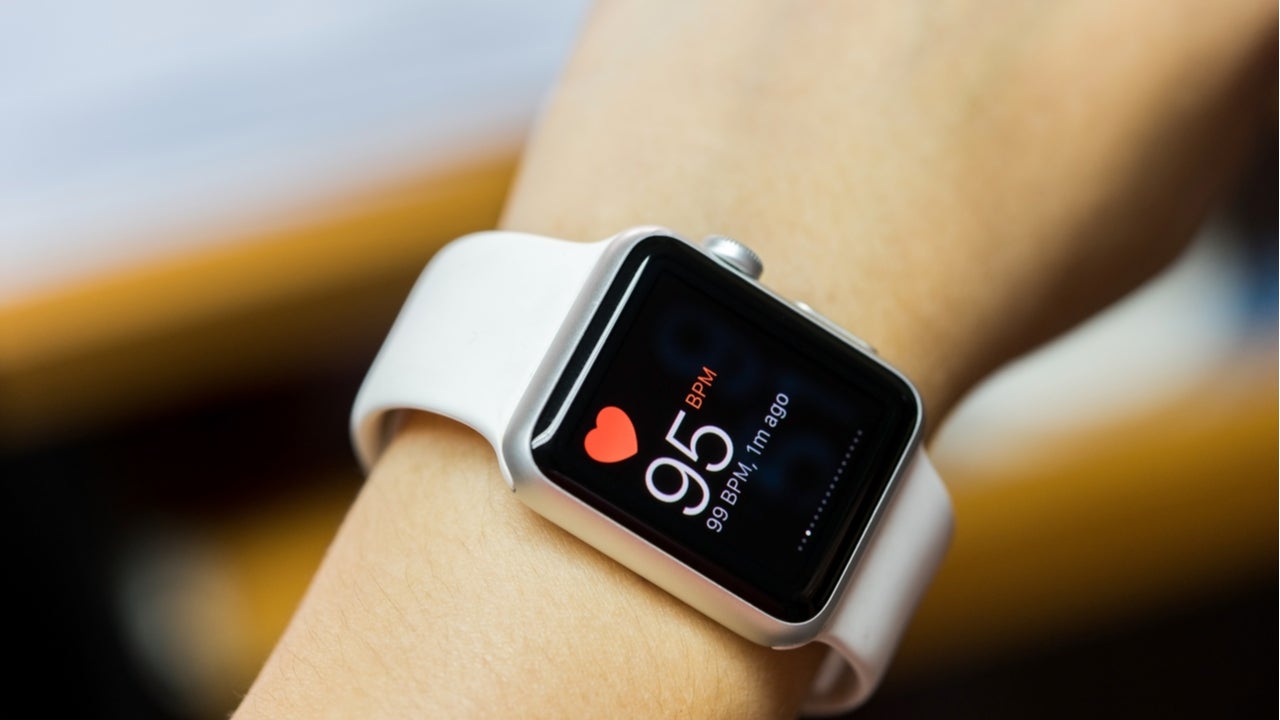
When people ask how does smart watch measure blood pressure they usually want to know what happens on the wrist. Most smartwatches do not use a cuff. Instead, they combine optical sensors and timing algorithms to estimate blood pressure from pulse signals. The device measures subtle changes in blood flow and then runs models to convert those signals into systolic and diastolic estimates.
There are two main approaches. One uses photoplethysmography (PPG) alone with machine learning. The other pairs PPG with timing metrics such as pulse transit time (PTT). Both approaches require calibration or population-based models to convert the raw sensor data into blood pressure numbers. Understanding these basics helps you interpret readings and know when to trust them.

Key technologies behind smartwatch blood pressure readings
Knowing how does smart watch measure blood pressure means knowing the sensors and math it uses. Here are the core technologies:
- Photoplethysmography (PPG): A light-emitting diode shines light into the skin. A photodiode senses reflected light. Changes show how blood volume changes with each heartbeat. PPG is the primary sensor for most watches.
- Pulse transit time (PTT): PTT measures the time it takes the pulse wave to travel between two points. Shorter PTT can indicate higher blood pressure. Watches estimate PTT by pairing PPG with ECG or by using two PPG points.
- Cuff-based miniatures: A few smartwatch models include a tiny inflatable cuff or pressure sensor. These mimic standard cuffs and can give more direct measurements.
- Algorithms and calibration: Raw sensor data require algorithms. Manufacturers use regression models, machine learning, or physiological models. Many devices ask for a baseline calibration against a cuff-based reading.
- Motion and artifact filtering: Smartwatches use filters to remove noise from movement, poor contact, or ambient light. Good filtering improves reading reliability.
These technologies work together. The sensor data and algorithms are only as good as the calibration and signal quality. That is central to how does smart watch measure blood pressure in practice.
Accuracy, validation, and clinical evidence
Accuracy is the most asked question about how does smart watch measure blood pressure. Clinical validation varies widely across brands and models. Some smartwatch systems have undergone formal validation against clinical cuff devices. Others rely on internal lab tests or user studies with mixed results.
Key points about accuracy:
- Calibration matters: Devices calibrated to a cuff are often more accurate for that user.
- Population models can bias results: Algorithms trained on limited groups may perform poorly on different ages, skin tones, or health conditions.
- Conditions affect readings: Movement, poor contact, and irregular heart rhythms reduce accuracy.
- Independent studies are best: Look for peer-reviewed validation and regulatory clearances when possible.
From my experience testing wearables, readings trend correctly for many users but can be off by 5–15 mmHg in some cases. That is why understanding how does smart watch measure blood pressure includes knowing the device’s validation and its likely error margins.

Practical tips for measuring blood pressure with a smartwatch
If you want useful data, here’s how to get the best readings and understand how does smart watch measure blood pressure in everyday life.
- Calibrate properly: If your watch asks for a cuff reading to calibrate, follow the instructions and repeat calibration periodically.
- Sit still and relax: Sit quietly for a few minutes. Keep your wrist at heart level for the reading.
- Keep the fit right: The sensor must contact the skin without being too tight. Avoid loose straps.
- Avoid movement and talking: Move as little as possible during a reading to reduce artifacts.
- Track trends, not single numbers: Use daily patterns to notice changes. A trend is more valuable than isolated readings.
- Verify with a cuff: If readings are high or unexpected, check with a validated upper-arm cuff.
These tips are based on testing wearables and working with users. They reduce noise and improve the way a watch interprets signals, which directly affects how does smart watch measure blood pressure and the quality of the outcome.

Limitations, risks, and when to see a doctor
It’s important to be clear about limits when exploring how does smart watch measure blood pressure. Smartwatches are convenient, but they are not replacements for clinical measurement in many cases.
- Not a diagnostic replacement: Most smartwatches provide estimates. A medical diagnosis should rely on validated cuff devices and clinician judgment.
- Variable accuracy across users: Skin tone, wrist anatomy, and medical conditions can skew results.
- False reassurance or alarm: Inaccurate low readings can delay care. False high readings can cause anxiety.
- Regulatory status varies: Some devices have regulatory clearance for blood pressure. Many do not.
Seek professional care if readings consistently show hypertension-range values, or if you feel symptoms such as chest pain or dizziness. Use smartwatch data to guide conversation with your clinician, not to replace it. This perspective keeps expectations grounded about how does smart watch measure blood pressure and what the numbers mean for your health.

Future developments and trends
The way how does smart watch measure blood pressure will evolve quickly. Here are trends I expect to shape the next few years.
- Improved sensors: Better optical sensors and multi-wavelength PPG will reduce noise and boost accuracy.
- Hybrid systems: More watches may combine cuff elements or ECG with PPG to improve PTT estimates.
- Personalized models: Algorithms that learn from your own measurements and clinical checks will become common.
- Wider validation: Expect more peer-reviewed studies and regulatory approvals as manufacturers seek clinical credibility.
- Integration with care: Smartwatch BP data will increasingly feed into telehealth platforms and clinician dashboards.
From testing prototypes, I’ve seen meaningful improvements in signal processing and algorithm design in just a few years. That progress will make the answer to how does smart watch measure blood pressure more reliable over time.
Frequently Asked Questions of how does smart watch measure blood pressure
How accurate are smartwatch blood pressure readings?
Accuracy varies by model and user. Some devices are close to cuff readings after calibration, while others can differ by 5–15 mmHg or more.
Do smartwatches need calibration with a cuff?
Many do require an initial calibration against a validated cuff. Calibration helps convert sensor signals into blood pressure numbers for that user.
Can a smartwatch replace my home blood pressure monitor?
Not reliably. Smartwatches offer convenience and trends but should not replace validated home cuff monitors for medical decisions.
Will movement affect my smartwatch blood pressure reading?
Yes. Movement and poor contact create noise that reduces accuracy. Sit still and keep your wrist steady for the best result.
Are smartwatch blood pressure readings approved by regulators?
Some models have regulatory clearance; many do not. Check the device’s documentation and clinical validation claims to confirm approval.
Can I use smartwatch readings to manage hypertension?
Use smartwatch trends to monitor yourself, but follow clinician guidance and confirm important changes with a validated cuff. Smartwatches are a supplemental tool, not a treatment plan.
Conclusion
Smartwatches use PPG, timing metrics, and algorithms to estimate blood pressure. They offer convenient trends and early warnings, but accuracy depends on sensors, calibration, and user conditions. Use them as a complementary tool. Verify important readings with a validated cuff and consult your clinician for diagnosis and treatment.
Takeaway: treat smartwatch blood pressure data as useful signals, not definitive answers. Try proper calibration, follow measurement best practices, and track trends. If you found this helpful, share your experience, subscribe for updates, or leave a comment with your questions.

Rubel Miah is the Senior Editor at MyStyleGrid.com, where he brings a sharp editorial eye and an unshakable love for fashion to everything he does. A true style addict, Rubel lives and breathes trends, from streetwear to high fashion, and has a knack for turning inspiration into impactful stories. With years of experience in fashion journalism and digital media, he curates content that empowers readers to express themselves through style. When he’s not editing features or forecasting the next big thing, you’ll find him hunting down vintage pieces or capturing street style moments around the city.