Construction spanned about 632 years, beginning in 1248 and finishing in 1880.
I’ve studied European cathedrals and walked the nave of Cologne Cathedral multiple times, so I’ll guide you through exactly how long did the cologne cathedral take to build and why its timeline reads like a history book. This article breaks the long story into clear dates, causes, and lessons so you can understand the pauses, revivals, and final completion without getting lost in jargon. Read on for a concise, expert view that blends research and real-world visits.

how long did the cologne cathedral take to build? A clear timeline
The simple timeline is long and layered. The phrase how long did the cologne cathedral take to build captures a process that spans medieval ambition, centuries of interruption, and a 19th-century finish.
Key dates and milestones:
- 1248: Foundations laid and first official start of major Gothic construction.
- 1473: Significant work paused when funds and focus shifted elsewhere.
- 1794–1814: Napoleonic wars and political upheaval further delayed work.
- 1842: Restoration and completion efforts restarted with a renewed national interest.
- 1880: Exterior and major structure declared complete; cathedral consecrated as finished.
This timeline shows the cathedral’s work spanned roughly 632 years from first major construction to official completion. Historians often debate start points and earlier building phases, but the widely accepted answer centers on these key dates.

Why did how long did the cologne cathedral take to build stretch across centuries?
The short answer is money, politics, and changing priorities. Those three forces repeatedly paused and restarted the project.
Main causes:
- Financial limits: Medieval cities funded large churches slowly through donations, tolls, and church revenues. Money ran out multiple times.
- Political change: Shifts in rulers and priorities made long-term funding unreliable.
- War and disruption: Regional wars and later Napoleonic rule halted progress and shifted focus to survival.
- Architectural ambition: The Gothic design required sophisticated stonework and skill. That slowed steady progress.
When you ask how long did the cologne cathedral take to build, you must think beyond simple years. The timeline includes long gaps when building stopped entirely. These gaps are as important as the active building years.
PAA-style questions
Why did they stop building in the 15th century?
Work slowed due to depleted funds and shifting civic priorities. Local leaders redirected resources to other projects and defense.
Could medieval builders have finished faster?
They could not, given financing and technology limits. Building large Gothic cathedrals required slow, careful stonework and specialized craftsmen.

Construction phases, styles, and technical details
Breaking the project into phases makes the timeline less intimidating. Each phase has its own character.
Phases at a glance:
- Early Gothic phase (1248–mid 14th century): Master masons laid key foundations and began the choir and nave.
- Pause and slow progress (14th–15th centuries): Sporadic additions and modifications.
- Near-abandonment and damage (16th–18th centuries): Little major work; some parts weathered or were repurposed.
- 19th-century revival (1842–1880): Industrial-era resources, nationalism, and revived interest led to a concentrated completion push.
Technical points:
- Stone carving and flying buttresses demanded skilled labor and time.
- Medieval logistics meant stones were quarried locally and transported slowly.
- 19th-century technology sped up work but stayed faithful to Gothic designs.
If you wonder how long did the cologne cathedral take to build in terms of active construction time, the total of active building years is much less than 632 years. Yet the full story includes the long pauses that defined its character.

Restoration, 19th-century completion, and ongoing conservation
The 19th-century revival is crucial when answering how long did the cologne cathedral take to build. That revival finished what medieval hands started.
What changed in the 1800s:
- National pride: The cathedral became a symbol of cultural identity, which drove funding.
- Modern logistics: Railways and industrial tools eased material transport.
- Scholarly interest: Architects studied old plans and medieval techniques to recreate original intent.
Ongoing conservation:
- Even after 1880, the cathedral has needed constant upkeep.
- World War II damage required major repairs.
- Pollution and weather mean regular restoration continues today.
So while 1880 marks completion, the building is always a living project. Maintenance and restoration remain part of how long did the cologne cathedral take to build as a continuous effort.
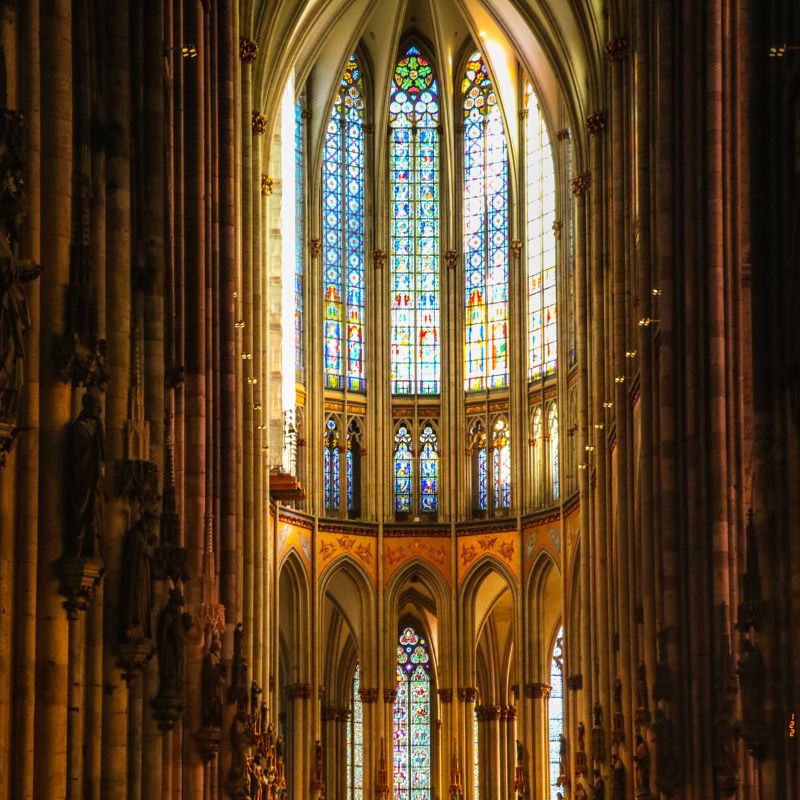
My experience, lessons learned, and practical tips
I’ve visited Cologne Cathedral on research trips and guided tours. Seeing scaffolding on a centuries-old facade is humbling. Here’s what I learned and what I advise.
Personal insights:
- Perspective matters: Seeing the nave helps you grasp the patient scale of Gothic building.
- Ask guides about pauses: Local historians usually explain why work stalled for generations.
- Observe restoration marks: You’ll notice newer stone and different carving styles—evidence of continued work.
Practical tips:
- Visit the tower: The climb shows construction joints and repair patches up close.
- Read plaques and guides: They often explain phases and dates succinctly.
- Be patient: Appreciating how long did the cologne cathedral take to build takes time and context.
These tips help make the cathedral’s long history tangible and meaningful on a visit.

Frequently Asked Questions of how long did the cologne cathedral take to build
How long did the cologne cathedral take to build from start to finish?
From the major Gothic start in 1248 to official completion in 1880 spans about 632 years. This counts long pauses when work stopped.
Was the cathedral built continuously for 632 years?
No. Most of that time includes long pauses. Active building years add up to a much shorter period.
Who completed the cathedral in the 19th century?
19th-century architects and craftsmen led a revival that finished medieval plans. Renewed funding and national interest made completion possible.
Did wars affect how long did the cologne cathedral take to build?
Yes. Wars and political upheaval caused major delays and interruptions across centuries. The Napoleonic era particularly disrupted work.
Is the cathedral still being worked on today?
Yes. Conservation and restoration are ongoing to address damage from weather, pollution, and past conflicts. Maintenance is permanent for such a large stone building.
Can I see original medieval parts when I visit?
Yes. Much of the choir and key Gothic elements date from the medieval phase. Restoration stayed faithful to original designs.
Wrap up and next steps
The story of how long did the cologne cathedral take to build is a lesson in patience, politics, and pride. It took about 632 years from the 1248 start to 1880 completion, but that number only tells part of the story. The pauses, revivals, and ongoing care make the cathedral a living chronicle of European history.
If this piqued your curiosity, plan a visit with a guided tour or look for a local conservation talk. Share your questions or experiences in the comments, subscribe for more deep dives on historic architecture, or explore related guides to Gothic cathedrals to widen your view.

Rubel Miah is the Senior Editor at MyStyleGrid.com, where he brings a sharp editorial eye and an unshakable love for fashion to everything he does. A true style addict, Rubel lives and breathes trends, from streetwear to high fashion, and has a knack for turning inspiration into impactful stories. With years of experience in fashion journalism and digital media, he curates content that empowers readers to express themselves through style. When he’s not editing features or forecasting the next big thing, you’ll find him hunting down vintage pieces or capturing street style moments around the city.