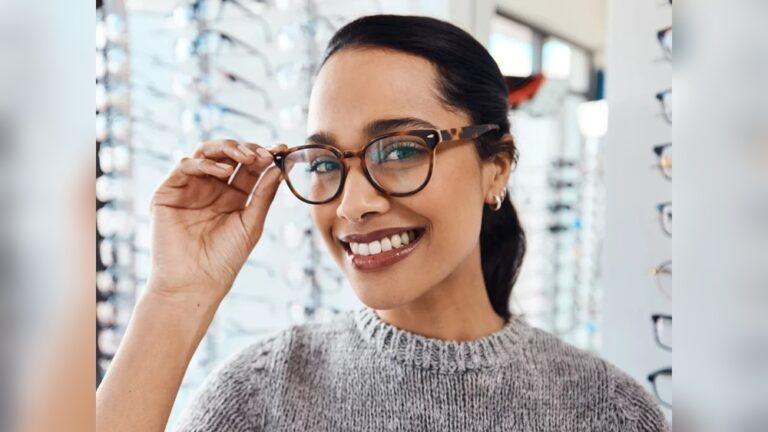
Can you see clearly? If you are reading this, maybe not.
You need new glasses. But you checked your wallet. You do not have vision insurance. You might feel worried. I understand that feeling. I have been there too.
Finding the right price for glasses is hard. It feels like a secret. But it does not have to be.
I am an eyewear writer. I have spent years tracking prices. I have bought glasses from doctors. I have bought them online. I have helped friends save hundreds of dollars.
Today, I will help you. We will look at how much are glasses without insurance. We will find affordable options. We will break down the costs.
You will learn to save money. You will get the best deal. Let us get started.
The Shock of the Price Tag
Have you ever walked into an optical shop? You pick up a frame. You look at the tag. It says $300.
That is just for the frame.
Then, you add lenses. The price goes up. You add coatings. The price goes up again. Suddenly, the total is over $600.
This is “sticker shock.”
So, what is the real answer? How much should you pay?
The short answer:
- Online: You can pay as little as $20 to $100.
- In-Store (Budget): You might pay $100 to $200.
- In-Store (High-End): You could pay $300 to $600+.
The price varies a lot. It depends on where you go. It depends on what you need.
My Personal Story: The Crunch Sound
Let me tell you a story. It was a Tuesday. I was working late. I was tired.
I took off my glasses. I put them on the couch. You can guess what happened next.
I sat down. Crunch.
My heart sank. Those were my only glasses. They were Ray-Bans. I bought them at a fancy shop. They cost me $450 years ago. I did not have vision insurance at that time.
I needed glasses fast. But I did not have $450 to spend.
I went online. I found a site selling cheap prescription glasses online. I was scared. Would they be bad? Would they break?
I ordered a pair for $35. They arrived in a week.
I put them on. I could see perfectly.
That day, I learned a lesson. Price does not always equal quality. You can find great glasses for less. You just need to know where to look.

Credit: valuvision.com
Understanding the Base Price: What Am I Paying For?
Why do prices change so much?
To save money, you must know the parts. A pair of glasses has two main costs.
- The Frames: This is the plastic or metal part.
- The Lenses: This is the glass part you look through.
Let us look closer at each part.
The Cost of Frames
Frames are like clothes. You pay for the brand.
Generic Frames ($10 – $50)
These are basic. They are made of standard plastic or metal. They work well. They look good. But they do not have a famous logo.
Brand Name Frames ($100 – $250)
Think of Ray-Ban, Oakley, or Prada. You are paying for the name. The quality is good. But is it five times better than generic? Usually, no.
Luxury Materials ($300+)
Some frames use special stuff. Titanium is light and strong. Carbon fiber is tough. These materials cost more.
Expert Tip: If you want to save, pick a “house brand” frame. They are made in the same factories as the big brands. But they cost much less.
The Cost of Lenses
This is where it gets tricky. The lenses are the most important part. They correct your vision.
The price depends on your eyes.
If you have a simple prescription, you pay less. If you have a strong prescription, you pay more.
Also, the material matters.
- Plastic (CR-39): This is the cheapest. It is good for low prescriptions.
- Polycarbonate: This is stronger. It does not break easily. It is good for kids. It costs a bit more.
- High-Index: This is for strong prescriptions. It is thin and light. It is the most expensive.
Breakdown of Lens Costs Without Insurance
Let us get specific. How much will your lenses cost?
Single Vision Lenses Cost
Do you have trouble seeing far away? Or maybe just up close?
You likely need single vision lenses.
These lenses fix one problem. They are the most common type. They are also the cheapest.
- Online Price: $10 to $50.
- Retail Store Price: $50 to $100.
If your prescription is low (between -2.00 and +2.00), stick with standard plastic. It is clear and cheap.
Bifocals and Progressive Lenses Price
Do you need glasses to read and to drive?
You might need multifocals.
Bifocals have a line in the middle. Top is for distance. Bottom is for reading.
- Cost: $50 to $150.
Progressive lenses are modern. They have no line. The power changes smoothly. They look better. But they are harder to make.
- Online Price: $60 to $150.
- Retail Store Price: $200 to $400+.
My Advice: If you need progressives, shop around. The price difference is huge. A local doctor might charge $400. An online store might charge $80.
High-Index Lenses
Do you have “thick” glasses? Is your prescription strong (like -6.00)?
You need High-Index lenses.
Standard plastic lenses will look like “coke bottles.” They will be heavy. They might slide down your nose.
High-index plastic bends light better. The lens can be thinner. It looks nicer.
- Cost: Add $50 to $150 to the price.
It is an investment. But for comfort, it is worth it.
Credit: www.discovervision.com
Lens Coatings and Add-Ons: Do You Need Them?
Salespeople will offer you add-ons. They sound fancy. But do you need them?
Anti-Reflective (AR) Coating
This coating stops glare. It helps you see at night. It helps people see your eyes in photos.
- Cost: $10 to $100.
- Verdict: Yes. Get this. It makes driving safer. It makes computer work easier.
Blue Light Blocking
You look at screens all day. They emit blue light. Sellers say this damages your eyes. They say you need a blocker.
- Cost: $20 to $50.
- Verdict: Maybe. The science is not 100% clear. Some people say it helps them sleep. Others see no change. If you have headaches, try it. If not, save your money.
Photochromic (Transitions) Lenses
These lenses turn dark in the sun. They turn clear inside.
- Cost: $50 to $150.
- Verdict: Personal Choice. They are convenient. You do not need sunglasses. But they do not work well inside a car. The windshield blocks the UV rays that change the lens.
Where to Buy Glasses: A Price Comparison
You know what you need. Now, where do you buy?
The place you shop changes the price. Let us compare.
Buying Cheap Prescription Glasses Online
This is the cheapest option.
Websites like Zenni Optical, EyeBuyDirect, or GlassesUSA cut out the middleman. They have no physical stores. They have low overhead.
- Pros: Very low prices. Huge selection.
- Cons: You cannot try them on (physically). No in-person help.
- Average Cost: $30 to $100 total.
How to do it safely:
- Use their “Virtual Try-On” tool. You upload a photo. You see how frames look on your face.
- Check the return policy. Can you send them back if they fit bad?
- Know your PD (Pupillary Distance). I will explain this later.
Big Box Retailers
Stores like Walmart Vision Center or Costco Optical are great.
They buy in bulk. They pass the savings to you.
- Walmart Vision Center Prices: Frames start around $20. Lenses are affordable. You can get a complete pair for under $100.
- Costco Optical: You need a membership. But the quality is high. Their lenses are top-tier. A complete pair is often $130 to $180.
- Pros: You can try frames on. You get help from an optician. Good prices.
- Cons: Selection is smaller than online.
Private Eye Doctors
This is your local clinic. The doctor checks your eyes. Then you walk to the lobby to buy glasses.
- Pros: Best service. High-quality frames. Expert fitting.
- Cons: Most expensive option.
- Average Cost: $300 to $600+.
Why pay more? If you have a very complex prescription, go here. They measure everything perfectly. If your prescription is simple, you can save money elsewhere.
Credit: www.matt-elly.com
The Hidden Step: Eye Exam Cost Without Insurance
You cannot get glasses without a prescription. You need a doctor.
How much does the eye exam cost without insurance?
Retail Chains vs. Private Clinics
- Retail Chains (Target, Walmart, America’s Best): These are cheaper.
- Price: $60 to $100.
- Some places, like “America’s Best,” offer a deal. Pay $79 for the exam and get two pairs of glasses free. That is a steal.
- Private Doctors:
- Price: $150 to $250.
- They check for eye health issues deeper. They take more time.
How to Find Free or Low-Cost Exams
Are you tight on cash? Look for help.
- Optometry Schools: Students need practice. They are supervised by experts. Exams are very cheap.
- Community Health Centers: They base the price on your income.
- Lions Clubs: This group helps people get vision care.
My Tip: Ask for Your PD
This is crucial.
When you get an exam, ask for your Pupillary Distance (PD).
This is the distance between your pupils. It is a number like “63”.
Doctors use this to center your lenses.
Here is the secret: Some doctors do not write it on the prescription. They want you to buy glasses from them.
You must ask for it. Say, “Please write my PD on my prescription.”
If you have this number, you can buy glasses online. Without it, you cannot.
Real-World Price Scenarios (Case Studies)
Let us see how this works in real life. Here are three people. They have no insurance.
Scenario A: The Student
Name: Alex
Needs: Simple glasses for class. Low budget.
Choice: Alex gets an exam at Walmart (
75).HeasksforhisPD.HebuysglassesatZenniOptical(75).HeasksforhisPD.HebuysglassesatZenniOptical(25).
Total Cost: $100.
Scenario B: The Professional
Name: Sarah
Needs: Stylish glasses. Works on a computer. Needs blue light blocking.
Choice: Sarah goes to Costco. Exam is
90.Shepicksadesignerframe(90.Shepicksadesignerframe(60) and high-quality lenses with blue light coating ($80).
Total Cost: $230.
Scenario C: The Senior
Name: Bob
Needs: Progressive lenses. Strong prescription. Needs help fitting frames.
Choice: Bob goes to a local doctor. He needs precise measurements. The exam is $150. The glasses are $350.
Total Cost: $500.
See? The price fits the need.
How to Save Money: Expert Tips & Tricks
You want the best deal. I have more tips for you.
Using FSA and HSA Funds
Do you have a job? Do you have an FSA (Flexible Spending Account) or HSA (Health Savings Account)?
This is pre-tax money. You can use it for glasses!
You can use it for:
- Eye exams.
- Prescription glasses.
- Prescription sunglasses.
- Contact lenses.
Note: FSA funds expire. Use them before the year ends. Don’t lose your money.
Reuse Your Old Frames
Do you have an old pair of glasses? Are the frames still good?
You can just buy new lenses.
Some shops will put new lenses in your old frames. This saves you the cost of the frame. Walmart and Costco often do this. Ask them first.
Spotting Sales and Coupons
Never pay full price.
- Sign up for emails: Online stores send coupons. “Buy one get one free” is common.
- Holiday Sales: Black Friday is huge for glasses. Back-to-school season (August) has great deals too.
- First-Time Buyer: Many sites give 15% off your first order.
Also, check for “clearance” sections. You can find designer frames for 50% off just because they are last year’s style.
Frequently Asked Questions (FAQ)
You have questions. I have answers.
Can I use insurance just for the exam?
Yes. If you have health insurance, it might cover a “medical eye exam.” This is if you have eye pain or issues. It might not cover the “refraction” (the part that determines your prescription). Call your insurance to check.
Why are glasses so expensive in stores?
Stores have high costs. They pay rent. They pay staff. They keep stock. Online stores do not have these costs. That is why they are cheaper. Also, big brands control many stores. They set high prices.
Are $20 glasses safe for my eyes?
Yes. They must meet safety standards. The lens power is accurate. The plastic might feel cheaper. The hinges might be stiff. But they will correct your vision safely. I use them daily.
How much are glasses at Costco?
A standard pair of single vision glasses at Costco starts around $130 (frames + lenses). Progressive lenses are cheaper there than most places. You need a membership to buy glasses, but usually not for the exam.
Can I get an exam at one place and buy glasses at another?
Absolutely. By law, the doctor must give you your prescription. You are free to take that paper anywhere. Do not feel pressured to buy there.
Final Thoughts: See Clearly for Less
You started this article worried about the cost.
Now, you know the truth.
How much are glasses without insurance? They are as expensive or as cheap as you make them.
You do not need to spend $500. You can get great vision for $100 or less.
Here is your action plan:
- Find a cheap exam (Walmart, Costco, or America’s Best).
- Ask for your prescription and your PD.
- Shop around. Check online prices. Check big box stores.
- Use coupons or FSA money.
Your vision is important. Do not let money stop you from seeing the world.
Go get your new glasses. You will look great. And your wallet will stay full.
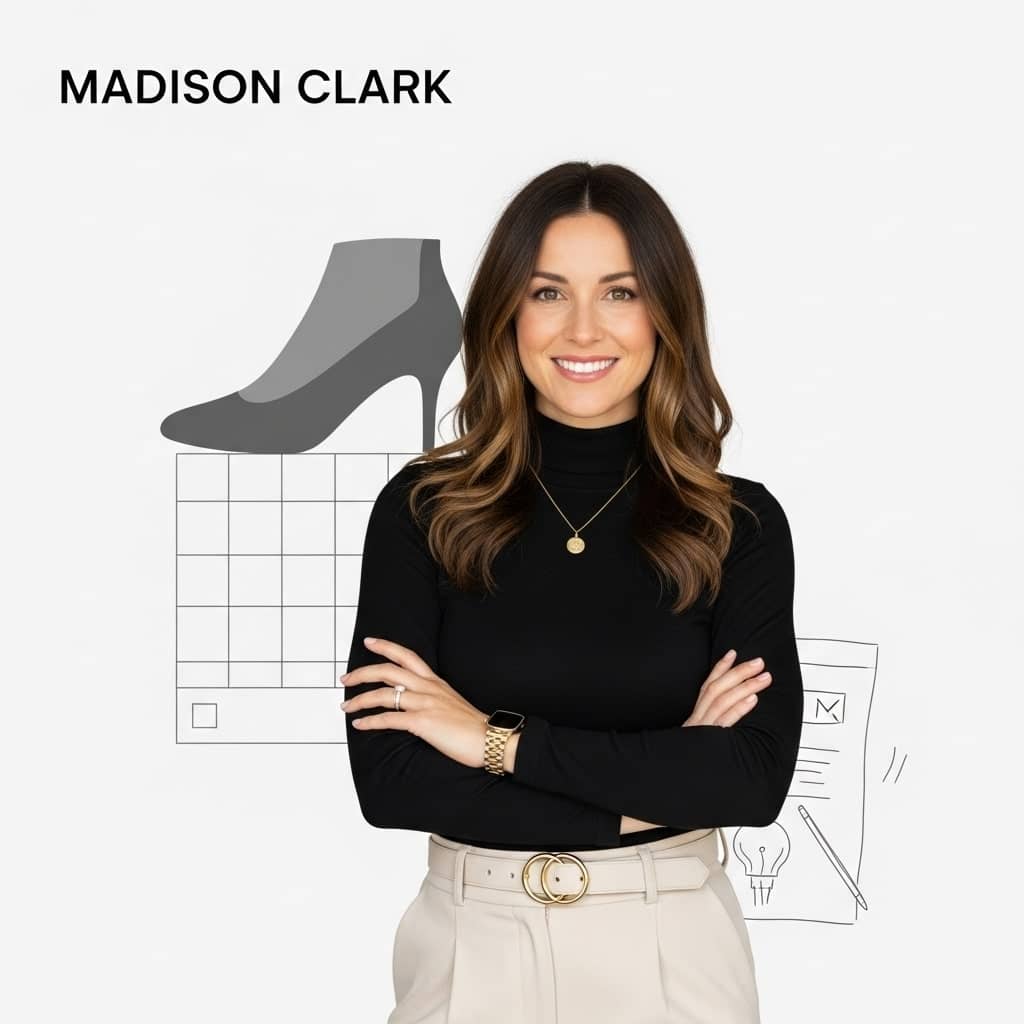
Madison Clark is a footwear expert and the voice behind MyStyleGrid.com. She specializes in honest shoe reviews, style tips, and practical guides to help readers find the perfect pair for any occasion. With years of experience in blogging and content creation, Madison makes footwear knowledge simple, stylish, and easy to follow.