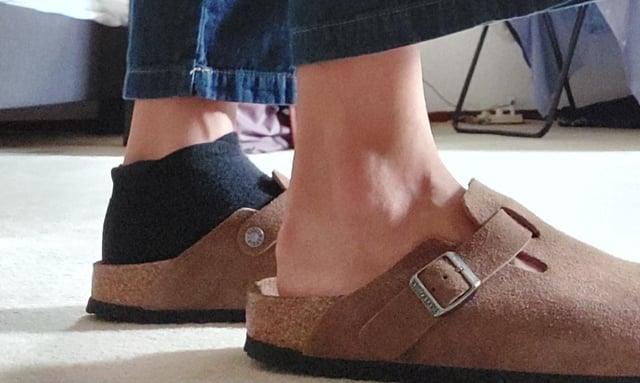
Finding the perfect fit for your Boston clogs can make all the difference in comfort and style. If your clogs are too tight, they might pinch your feet and cause discomfort.
Too loose, and you risk slipping or blisters. You want your clogs to feel just right, supporting your feet all day long without any pain. In my years of wearing and fitting Birkenstock Boston clogs, a dialed-in fit has always been the secret to all‑day comfort. Below, you’ll learn exactly how Boston clogs should fit so you stay comfortable and confident with every step.
Keep reading for simple, proven tips that will transform how your clogs feel from the moment you put them on.
Choosing The Right Size
Choosing the right size for Boston clogs matters a lot. The perfect fit ensures comfort and support all day. A wrong size can cause pain or blisters. Take time to find your best fit. Here are easy steps to help you choose the right size.
Measuring Your Foot Accurately
Start by measuring your foot length. Use a ruler or tape measure on a flat surface. Place your heel against a wall and measure to the tip of your longest toe. Do this for both feet. Use the larger measurement for sizing. Measure at the end of the day for accuracy. Feet swell slightly during the day.
For even better accuracy, trace your foot on paper while standing. Measure the longest length and the widest point across the ball of your foot. This quick step helps with width selection too.
- Stand when measuring (your foot spreads under load).
- Wear the socks you plan to use with your clogs.
- Note any differences between feet and fit to the larger foot.
Considering Width Variations
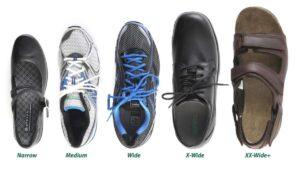
Boston clogs come in different widths. Some feet are wider or narrower than average. Check if the clog brand offers wide or narrow options. Wider feet need extra space to avoid tightness. Narrow feet need snugger fits to avoid slipping. Know your foot width before buying.
For Birkenstock Boston specifically, you’ll see two width options:
- Regular fit (outlined foot icon on the footbed): best for average to wide feet.
- Narrow fit (filled-in foot icon): best for slim or low-volume feet.
If you’re between widths, base your choice on how much room you have across the forefoot and instep. I have a high instep, so I usually go Regular and fine‑tune with the buckle.
Trying On Different Sizes
Try on at least two sizes near your measurement. Walk around in them for a few minutes. Check for pressure points or loose areas. Your toes should move freely but not slide. Heel should stay in place without rubbing. Testing different sizes helps find your best fit.
- Buckle the strap so it’s secure but not tight.
- Do a “toe-wiggle test.” You should have room to move, without bumping the front.
- Check the heel cup. Your heel should sit inside the cup, not on the rim.
Understanding Birkenstock Boston Sizing (EU, US, Half Sizes, Soft Footbed)
Birkenstock uses EU sizing. US conversions can vary by gender and model, so always check the brand’s size chart. If you’re between sizes, most people size up and use the buckle to fine‑tune.
- No half sizes: Size up if you’re in between.
- Soft Footbed vs. Classic: The Soft Footbed has a thin foam layer. It can feel slightly snug at first but compresses with wear.
- Sock plan: If you’ll wear thick socks in colder months, consider that extra volume when choosing size and width.

Credit: www.asos.com
Key Features Of A Proper Fit
Finding the right fit for Boston clogs is important for comfort and foot health. Proper fitting clogs support your feet well and prevent pain. They should feel snug but not tight. Let’s explore the key features that show a proper fit.
Heel And Arch Support
Good heel support keeps your foot stable inside the clog. It stops your foot from slipping out. Arch support helps reduce foot fatigue. It supports the natural curve of your foot. Proper arch support improves balance and comfort.
In a Birkenstock Boston, the cork-latex footbed has a deep heel cup, defined arch, and a raised toe bar. When the size is right:
- Your heel sits fully inside the cup, not riding the edge.
- The arch feels present but not pokey.
- The toe bar meets just behind your toes, encouraging a natural roll.
Toe Box Space
The toe box must have enough room for your toes. Your toes should not feel cramped or squeezed. A roomy toe box allows natural toe movement. This helps prevent blisters and foot pain. Check that your toes can wiggle freely.
Aim for about a thumb’s width (roughly 5–10 mm) in front of your longest toe. That space protects your toes on slopes and long days.
Secure Heel Grip
A secure heel grip keeps your heel in place. It prevents slipping while walking. Loose heels cause discomfort and blisters. The heel strap or back of the clog should hold your heel firmly but gently.
With Boston clogs, the open back relies on the footbed shape and the instep buckle. If your heel lifts more than a few millimeters with each step, tighten the buckle one hole. If it still lifts, the size or width may be off.
Common Fit Issues
Boston clogs should fit comfortably to support your feet all day. Many people face common fit issues that make wearing clogs unpleasant. These problems include tightness, slippage, and pressure points. Understanding these issues helps you find the right fit and feel better in your shoes.
Dealing With Tightness
Tight clogs can cause pain and restrict movement. Your feet might feel squeezed, especially around the toes or instep. To ease tightness, try loosening any straps or choosing a wider size. Wearing clogs with thicker socks can also make tightness worse. Always test the fit by walking to check comfort.
- If the vamp (top) digs in, open the buckle one hole.
- For leather uppers, a professional shoe stretcher can add a few millimeters where needed.
- Don’t try to “water-mold” cork or suede. It can damage the footbed.
Addressing Slippage
Slippage happens when your heel lifts out of the clog while walking. This can cause blisters and make walking unstable. To fix slippage, adjust the heel strap if your clogs have one. Adding an insole can help your foot stay in place. Make sure the clog is not too big for your foot.
- Tighten the instep buckle until the foot is secure but comfortable.
- Use a thin, non-slip insole or heel grip pad to increase hold.
- If slippage persists, size down or switch to Narrow width.
Handling Pressure Points
Pressure points cause sharp pain in certain spots of your foot. These spots often appear on the sides or top of the foot. To relieve pressure points, try cushioned inserts or thicker socks. Check for rough seams or edges inside the clog. These areas might need smoothing or padding for comfort.
If you feel a hotspot at the big toe joint or pinky toe, you may need more width. For tenderness along the arch, the arch may be too aggressive in that size; try the next size up or the Soft Footbed.
Breaking In Your Boston Clogs
Breaking in your Boston clogs is important for comfort. These shoes need time to fit your feet perfectly. Wearing them too long at first can cause discomfort or blisters. Follow simple steps to make the process smooth and easy.
Tips For Gradual Use
Start by wearing your clogs for short periods. Try 1 to 2 hours daily at first. Slowly increase the time as they feel more comfortable. Avoid wearing them all day on the first few days. This helps your feet adjust without pain.
- Days 1–3: 1–2 hours indoors.
- Days 4–7: 2–4 hours with light walking.
- Week 2: Full workday if they feel good.
Using Socks And Inserts
Wear thin socks to reduce friction inside the clogs. Socks protect your skin and help the shoes fit better. You can use soft inserts for extra cushioning. Inserts also improve comfort during the breaking-in phase.
Note: Very thick or tall insoles can lift your foot out of the heel cup. If you need orthotics, choose low-profile options.
Recognizing When They’re Ready
Your clogs are ready when they feel snug but not tight. You should walk without pain or blisters. The shoes will form to your feet over time. At this point, you can wear them for longer periods comfortably.
Expect the suede footbed to compress slightly, the arch to feel more natural, and the upper to soften at flex points. That’s when the Boston “locks in.”
Maintaining Comfort Over Time
Maintaining comfort in Boston clogs over time is key for happy feet. Proper care keeps the fit snug and the materials strong. Small habits help your clogs last longer and feel better every day.
Regular Cleaning And Care
Clean your Boston clogs often to remove dirt and sweat. Use a soft brush or cloth with mild soap and water. Avoid soaking them. Let the clogs air dry away from direct heat. This prevents damage and keeps the material soft.
- For suede: brush with a suede brush to lift nap and remove marks.
- For leather: wipe clean; condition lightly (avoid the footbed).
- Keep cork away from high heat and direct sun to prevent drying.
Replacing Insoles
Insoles wear out faster than the clogs themselves. Replace them when they feel flat or lose support. New insoles restore cushioning and improve fit. Choose insoles made for clogs for the best comfort.
Some models allow footbed refresh or resoling by authorized repair services. If the top liner is worn but the cork is sound, a repair may extend life and maintain your fit.
When To Replace Your Clogs
Check your clogs for cracks, worn soles, or loose parts. Replace them if they no longer support your feet well. Worn clogs can cause discomfort or pain. Change them early to protect your foot health and keep walking comfortably.
- Outsole is bald or uneven.
- Cork shows deep cracks or crumbling.
- Heel cup is flattened and no longer centers the heel.

Credit: www.reddit.com
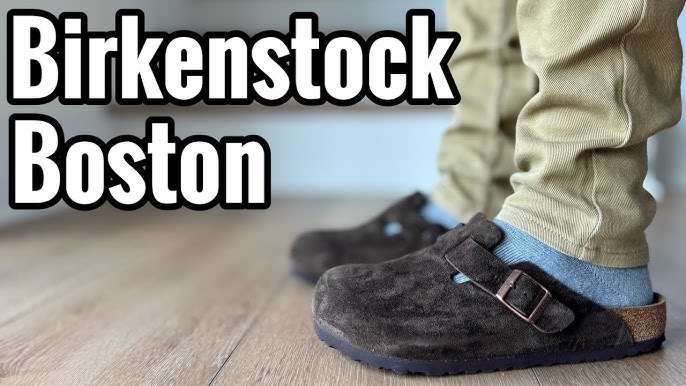
Credit: www.youtube.com
Dialing In Fit For Different Foot Types
Foot shape matters. Here’s how I coach friends and customers with common foot types to get that just‑right Boston fit.
High Instep or High Volume Feet
- Pick Regular width for more height over the instep.
- Start with a looser buckle, then tighten one hole after a few wears.
- Consider the Soft Footbed for extra give under the arch.
Low Volume or Narrow Feet
- Choose Narrow width to reduce side-to-side movement.
- Use the buckle to snug the vamp and prevent heel lift.
- Thin socks help maintain grip inside the footbed.
Bunions or Wide Forefoot
- Go Regular width and avoid over-tightening the buckle.
- Leather uppers stretch slightly; suede is softer from day one.
- Check for adequate space at the big toe joint—no pinching.
Flat Feet or Plantar Fasciitis
- The defined arch and deep heel cup can help alignment.
- Give yourself a longer break-in window as tissues adapt.
- If the arch feels too aggressive, try the next size up or Soft Footbed.
Seasonal And Sock Considerations
Boston clogs are popular year-round. Socks change the fit more than you think.
- Summer: bare feet or thin socks—fit feels roomier.
- Winter: thick wool socks—fit feels snugger; you may need the next buckle hole.
- If you split time between thick and thin socks, fit to the thinner setup and adjust with the buckle for thicker pairs.
Online Ordering Fit Checklist
Buying online? Here’s my quick checklist to get the right size on the first try.