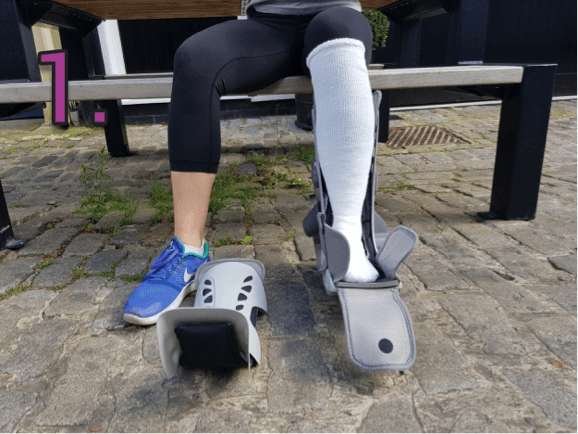
An Aircast boot should feel snug and secure, never painful, numb, or tight enough to restrict blood flow.
Knowing how tight should an Aircast boot be can make walking safer and recovery more comfortable. The right fit supports your injured foot and ankle while still allowing normal circulation, gentle toe movement, and room for mild swelling. This guide explains how to adjust the boot, how to spot a poor fit, and when to contact your clinician.

How tight should an Aircast boot be?
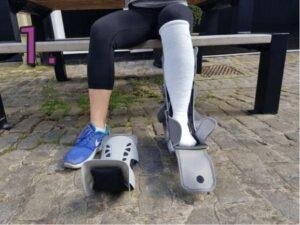
An Aircast boot should fit snugly around your foot and lower leg. It should hold your ankle steady without squeezing it. Think of the boot as a firm seat belt, not a clamp.
You should feel even support across the boot. There should be no sharp pressure on your toes, heel, ankle bones, or incision. Your foot should not slide forward or lift inside the boot when you take a step.
A properly fitted boot usually allows you to:
• Wiggle your toes slightly
• Feel warm toes with normal color
• Walk without painful pressure from the straps
• Keep your heel resting at the back of the boot
• Wear the prescribed sock or dressing without extra compression
The answer to how tight should an Aircast boot be may change during the day. Swelling often increases after walking or later in the evening. You may need to loosen the straps slightly, but the boot must still hold your foot in place.

What a properly fitted Aircast boot feels like
A good fit feels stable, balanced, and supportive. You may notice pressure around the sides of your ankle, but that pressure should feel even. It should not create one painful spot.
Your heel should stay down in the boot. If your heel lifts with each step, the boot may be too loose, the wrong size, or worn without the correct liner. Heel movement can increase rubbing and reduce ankle support.
Check these signs after putting the boot on:
• Your toes remain their usual color
• Your toes feel warm, not cold
• You can move your toes a little
• There is no tingling or numbness
• The straps stay closed while you walk
• Your foot does not slide from side to side
• The boot does not pinch your calf or ankle
A small amount of pressure is normal. Pain, burning, throbbing, or loss of feeling is not. Remove or loosen the boot and follow your medical team’s instructions if these symptoms appear.

How to tighten an Aircast boot correctly
Put on the sock, dressing, or brace liner recommended by your clinician before adjusting the boot. Do not place the boot directly over bare skin unless your medical team specifically says that is safe.
Follow these steps:
-
Sit down and place your heel fully at the back of the boot.
-
Center your foot so your toes point straight ahead.
-
Fasten the lower foot strap until it feels secure.
-
Fasten the ankle strap without squeezing the ankle bones.
-
Fasten the upper strap around the lower leg.
-
Stand up carefully and take a few slow steps.
-
Recheck the straps after five to ten minutes.
The lower strap should stop your foot from sliding. The ankle strap should provide support without causing pressure over the injured area. The upper strap should hold the boot in place but should not feel like a tight band around your calf.
If your boot has air cells, follow the product instructions or your clinician’s instructions. Add air only as directed. Too much air can create strong pressure and may affect comfort or circulation.
The key to how tight should an Aircast boot be is steady support, not maximum tightness. Tightening every strap as much as possible does not improve healing.

How to check circulation after adjusting the boot
Circulation checks are important, especially when swelling is present. Compare the color and temperature of the toes on your injured foot with those on your other foot.
Press gently on a toenail until it becomes pale, then release it. Color should return soon. This simple check is not perfect, but a clear change from your normal condition deserves attention.
Watch for:
• Blue, gray, or unusually pale toes
• Cold toes
• New numbness or tingling
• Increasing pain or pressure
• Severe swelling below the boot
• A burning feeling under a strap
• Inability to move your toes normally
Loosen the straps slightly if the boot feels too tight. Keep the foot supported and contact your clinician if symptoms do not improve quickly. Seek urgent medical care for severe pain, a cold or blue foot, major numbness, or sudden swelling.
People with diabetes, poor circulation, nerve problems, or recent surgery may need more frequent checks. A reduced ability to feel pressure can make a boot injury harder to notice.

How swelling changes the fit
Swelling is common after an ankle fracture, sprain, tendon injury, or surgery. It may increase after standing, walking, or sitting with the leg down for a long time.
This means the right fit in the morning may feel too tight at night. Check your toes and comfort several times each day. Resting with the leg raised, if approved by your clinician, may help reduce swelling.
Do not make the boot loose enough for your foot to move freely. Instead, adjust the straps in small steps. The boot should remain secure while allowing enough room for changes in swelling.
Helpful habits include:
• Elevate the leg as instructed
• Take only the amount of walking your clinician allows
• Check the skin after removing the boot
• Keep the liner clean and dry
• Avoid adding thick padding without medical advice
• Report swelling that worsens instead of improving
A boot that feels tight because of swelling may need professional adjustment. Your clinician may recommend a different size, a new liner, or a different treatment plan.

Signs your Aircast boot is too tight
A boot that is too tight may cause symptoms during wear or soon after you remove it. Do not ignore these warning signs.
Common signs include:
• Numbness or pins and needles
• Cold or discolored toes
• Increasing pain under the straps
• Deep marks that remain on the skin
• Blisters, sores, or broken skin
• A strong throbbing feeling
• Swelling below the boot
• Difficulty moving the toes
A little redness that fades soon after removing the boot may come from normal contact. Redness that remains, becomes painful, or turns into a sore needs medical review.
If the boot is too tight, sit down and loosen one strap at a time. Do not remove a boot that your clinician instructed you to keep on during a specific period unless you need urgent care or have clear instructions to do so.

Signs your Aircast boot is too loose
A loose boot cannot provide reliable support. It may allow the ankle to roll, the heel to lift, or the foot to slide forward.
Signs of a loose fit include:
• Your heel lifts while walking
• Your toes press into the front
• The boot rocks from side to side
• Straps open during movement
• You hear your foot sliding inside
• The ankle feels unsupported
• You develop rubbing on the heel or ankle
Tighten the straps in small amounts and walk a few steps after each adjustment. If the boot still feels unstable, check whether the liner is fitted correctly. A damaged strap, worn liner, or incorrect boot size may be the real problem.
Do not solve a loose boot by wearing several thick socks. Extra layers can create pressure points and may change how the boot supports your ankle. Ask your clinician or orthotist for a proper fit.

Common fitting mistakes to avoid
Many comfort problems come from small setup errors. The most common mistake is placing the heel too far forward before fastening the straps.
Other mistakes include:
• Fastening the boot while the foot is not centered
• Wearing the wrong sock thickness
• Tightening the top strap more than the others
• Ignoring new numbness
• Walking before checking the fit while standing
• Adding padding over a surgical site without approval
• Leaving the liner damp or folded
• Adjusting the boot without following medical instructions
A useful lesson from clinical boot fitting is that comfort should be checked in two positions. First, check the boot while seated. Then stand safely and check it again. Weight-bearing can change foot position and reveal pressure that was not obvious while sitting.
Your injury also matters. A boot prescribed after surgery may have stricter instructions than one used for a mild sprain. Always follow the plan given by the professional who prescribed your boot.
Can you sleep in an Aircast boot?
Whether you should sleep in an Aircast boot depends on your injury and your clinician’s instructions. Some people need the boot at night to protect a fracture, repair, or tendon. Others may remove it for sleep when the foot is safely supported.
Never guess if you were not given clear instructions. Ask whether you should wear the boot in bed, during showers, and during short periods of rest.
If you must sleep in the boot:
• Keep the straps secure but not painfully tight
• Check your toes before sleeping
• Avoid covering the boot with heavy bedding
• Keep the leg in the position your clinician recommended
• Report new numbness, coldness, or severe pain
The answer to how tight should an Aircast boot be at night is usually the same as during the day: secure enough to prevent unwanted movement, but not tight enough to affect comfort or circulation.
Walking safely in an Aircast boot
A properly adjusted boot does not automatically mean you can put full weight on the injured leg. Your clinician may tell you to avoid weight, use partial weight, or walk normally in the boot.
Use crutches, a cane, or a walker if prescribed. Take short steps and avoid wet floors, stairs, loose rugs, and uneven ground. The boot can make one leg longer, which may affect your balance and back.
Before walking, check:
• The sole is clean and not damaged
• The straps are closed
• Your heel is seated
• Your toes have normal color and feeling
• You are using the prescribed amount of weight
Stop and seek advice if walking causes sharply increasing pain, new swelling, or a change in sensation. A boot protects the injury, but it cannot prevent harm from too much activity.
When to contact a doctor or physical therapist
Contact your medical team if you cannot find a comfortable fit after careful adjustment. You may need a different boot size, a new liner, or help with your walking plan.
Call promptly about:
• Persistent numbness or tingling
• New skin damage
• Severe or increasing pain
• Toes that stay pale, blue, or cold
• A boot that keeps slipping
• Increasing swelling
• Fever, drainage, or redness after surgery
• Calf pain, chest pain, or sudden shortness of breath
Calf pain with sudden breathing problems is an emergency. Call 911 in the United States for chest pain or serious breathing trouble.
A professional assessment is especially important after surgery or a fracture. Online advice can explain general fitting principles, but it cannot replace an examination or your prescribed treatment plan.
How long should you wear an Aircast boot?
Wear the boot for the schedule given by your clinician. The correct duration depends on the injury, healing progress, pain, imaging results, and weight-bearing instructions.
Do not stop wearing it early just because the pain improves. Pain can decrease before the injured tissue is ready for normal stress. At the same time, do not wear it longer than advised without checking in, because prolonged use may cause stiffness, weakness, or changes in walking.
Your clinician may gradually move you from the boot to a shoe, ankle brace, or physical therapy. That transition should be planned. Try not to test the injured ankle by taking extra steps without protection.
Frequently asked questions about how tight should an Aircast boot be
Should I be able to wiggle my toes in an Aircast boot?
Yes, you should usually be able to move your toes a little. They should not feel numb, cold, painful, or compressed against the front of the boot.
Can an Aircast boot be too tight?
Yes, a boot can be too tight if it causes numbness, tingling, cold toes, color changes, burning, or severe pressure. Loosen the straps slightly and contact your clinician if the symptoms continue.
Should my heel move inside the boot?
Your heel should stay mostly in place. Mild movement may occur, but repeated lifting or sliding suggests that the boot is loose, the size is wrong, or the liner is not positioned correctly.
How do I know if my Aircast boot is too loose?
The boot may be too loose if your foot slides, your heel lifts, the ankle feels unstable, or the straps open while walking. Adjust the straps in small steps, and seek a professional fitting if it still does not feel secure.
Should I tighten the boot more when swelling goes down?
You may need a small adjustment as swelling changes, but do not tighten the boot to the point of discomfort. The boot should remain snug and stable while preserving normal toe color, warmth, and feeling.
Can I wear a thick sock with an Aircast boot?
Wear the sock thickness recommended by your clinician or the boot instructions. A thick sock can reduce rubbing, but it can also create extra pressure if the boot is already a close fit.
What should I do if the boot causes a blister?
Remove the boot only as your treatment instructions allow, inspect the skin, and contact your medical team. Do not place extra padding over a wound or surgical area without professional advice.
Conclusion
An Aircast boot should feel snug, stable, and supportive without causing pain, numbness, cold toes, or color changes. Keep your heel seated, center your foot, adjust each strap evenly, and recheck the fit after standing or walking.
Swelling can change the fit during the day, so regular checks matter. If the boot slips, causes skin damage, or affects circulation, contact your clinician instead of forcing the adjustment. Use these steps with your prescribed care plan, and explore trusted rehabilitation resources or discuss your fit concerns at your next appointment.

Rubel Miah is the Senior Editor at MyStyleGrid.com, where he brings a sharp editorial eye and an unshakable love for fashion to everything he does. A true style addict, Rubel lives and breathes trends, from streetwear to high fashion, and has a knack for turning inspiration into impactful stories. With years of experience in fashion journalism and digital media, he curates content that empowers readers to express themselves through style. When he’s not editing features or forecasting the next big thing, you’ll find him hunting down vintage pieces or capturing street style moments around the city.