Add removable arch inserts or reshape footbed with cork or orthotic insoles.
I have helped clients and tested many methods to show exactly how to add arch support to flat sandals so you can walk pain-free. This guide covers proven products, simple DIY tweaks, fitting tips, and when to see a pro — all written from hands-on experience and clinical know-how to help you pick the best route for your feet.
Why arch support matters
Flat sandals often lack the curve your foot needs to distribute weight correctly. Learning how to add arch support to flat sandals reduces foot fatigue, prevents heel pain, and eases strain on knees and hips. Proper arch support helps the plantar fascia and calf muscles work more efficiently. I’ve seen people shift from daily aches to comfortable walks after modest support upgrades.
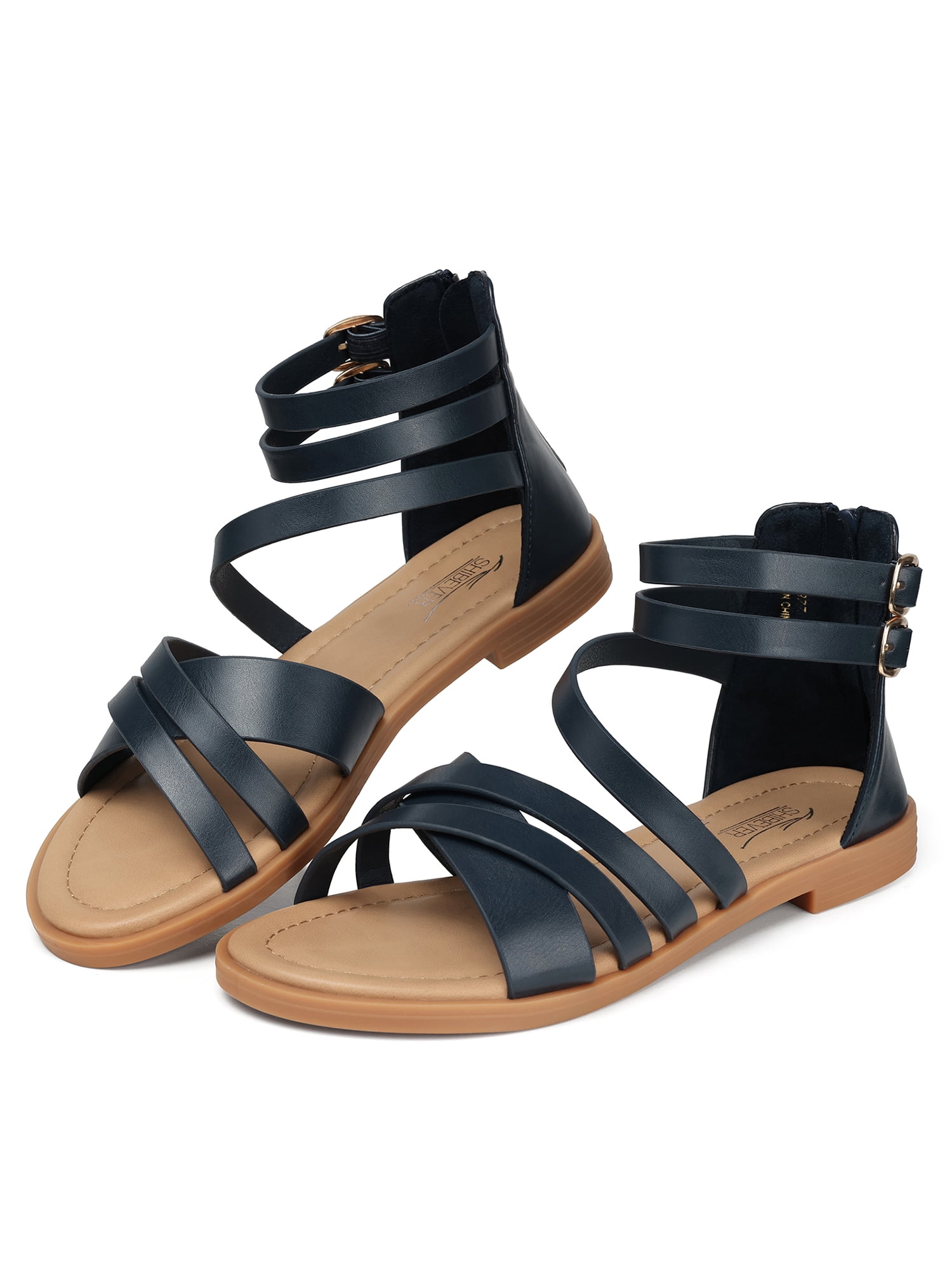
Assess your feet and sandals first
Before you change anything, check your arch and the sandal structure. Stand barefoot on a wet surface to see your arch type, and test sandals on a hard floor to locate slippage or pressure points. Understand how to add arch support to flat sandals by matching support type to your arch height: low arches need firmer, fuller support; high arches may require targeted lift. Simple assessment saves time and prevents poor product choices.

Off-the-shelf products to add arch support to flat sandals
Choose a ready-made product when you want quick, reliable results. Below are main options that work well for flat sandals.
- Removable arch inserts
- Thin, contoured pads that stick or sit inside the sandal. Good for low-profile styles.
- Full-length orthotic insoles
- Provide heel cup and arch contour. Trim to fit many sandals with removable soles.
- Adhesive arch pads
- Small gel or foam pads that glue to the footbed. Best for slight arches or targeted lift.
- Cork and foam liners
- Thin cork sheets or EVA foam add subtle, long-lasting arch and footbed shape.
- Sandals with built-in arch support
- Consider swapping to a sandal designed with molded arch support if heavy corrections are needed.
I often recommend starting with removable arch inserts to test comfort before committing to permanent changes. This practical step shows you fast results and helps answer whether more support is needed.
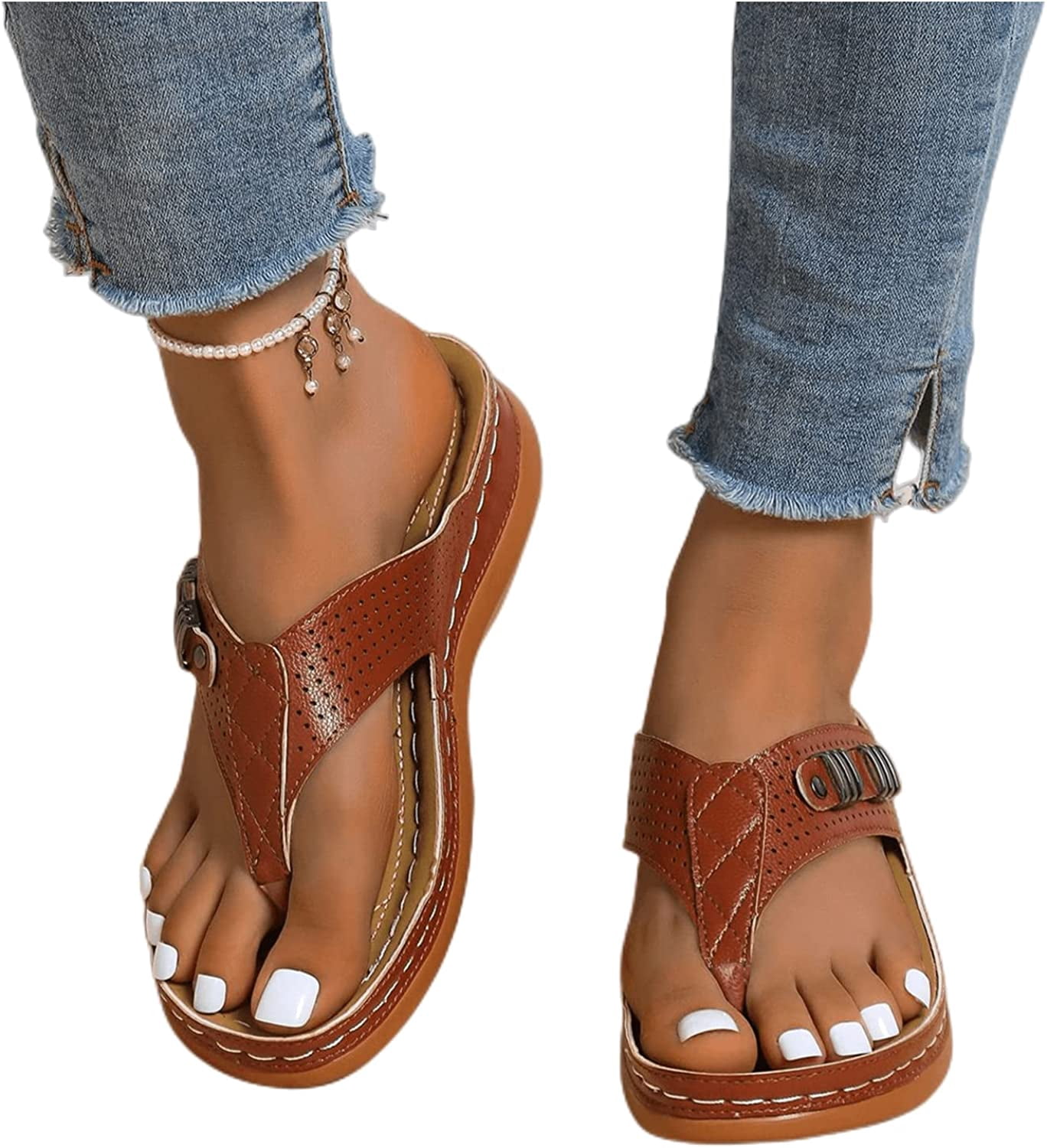
Step-by-step DIY: modify flat sandals to add arch support
These steps walk you through a common DIY method to add arch support to flat sandals. Read all steps before starting.
- Gather materials: cork strip or EVA foam, contact cement or shoe glue, scissors, fine sandpaper, and optional adhesive arch pads.
- Clean the footbed: wipe the inside of the sandal with rubbing alcohol and let dry. This improves glue bond and prevents slippage.
- Trim the cork or foam: trace the sandal footbed onto the cork and cut a piece slightly smaller than the sole. Cut an extra small wedge for the arch zone.
- Shape the arch piece: sand and curve the wedge to match your arch height. Test by placing it under your foot and adjust thickness slowly.
- Glue in place: apply thin contact cement to both surfaces, let tack, then press the arch wedge in the arch area. Smooth any seams.
- Add a thin top layer: place the trimmed footbed liner over the arch piece for comfort and to hide edges. Glue or press in place.
- Break in and test: wear the sandals short periods for a few days. If pain increases, remove modifications and try a gentler option.
When you DIY, go gradual. Small lifts of 3–6 mm often give relief without causing new strains. My experience shows that subtle changes work better than aggressive arch builds.

Simple swap: using removable insoles and arch pads
If you prefer non-permanent fixes, removable insoles and adhesive arch pads are fast and low-risk. Follow these tips.
- Trim insoles carefully
- Use the old sole as a template. Cut slowly and test fit repeatedly.
- Use adhesive pads for targeted lift
- Place gel or foam pads under the arch and secure with a thin top liner for friction control.
- Combine thin full-length insoles with arch pads
- This balances heel height and arch contour for wider sandals that accept layers.
I once helped a patient who had blisters from layered insoles; we solved it by choosing thinner materials and ensuring edges were flush. Comfort matters as much as support.

Exercises and non-insert approaches
Support can come from stronger feet and better habits as well as inserts. Try these short routines.
- Toe curls with a towel
- Pull a towel toward you with your toes for 1–2 minutes daily to strengthen intrinsic muscles.
- Heel raises
- Do 2 sets of 10 slow rises to build calf and arch endurance.
- Foot mobility
- Roll a soft ball under the arch for 1–2 minutes to ease tightness and boost circulation.
These practices complement how to add arch support to flat sandals by making your feet more resilient. I recommend pairing exercises with inserts for best results.

When to see a podiatrist or orthotist
If pain persists despite support changes, seek professional assessment. Signs you need expert help include sharp heel pain, numbness, persistent swelling, or pain that alters your gait. A podiatrist can prescribe custom orthotics that integrate into or replace flat sandals, and an orthotist can recommend long-term solutions. Be open about what you’ve tried so professionals can tailor adjustments quickly.
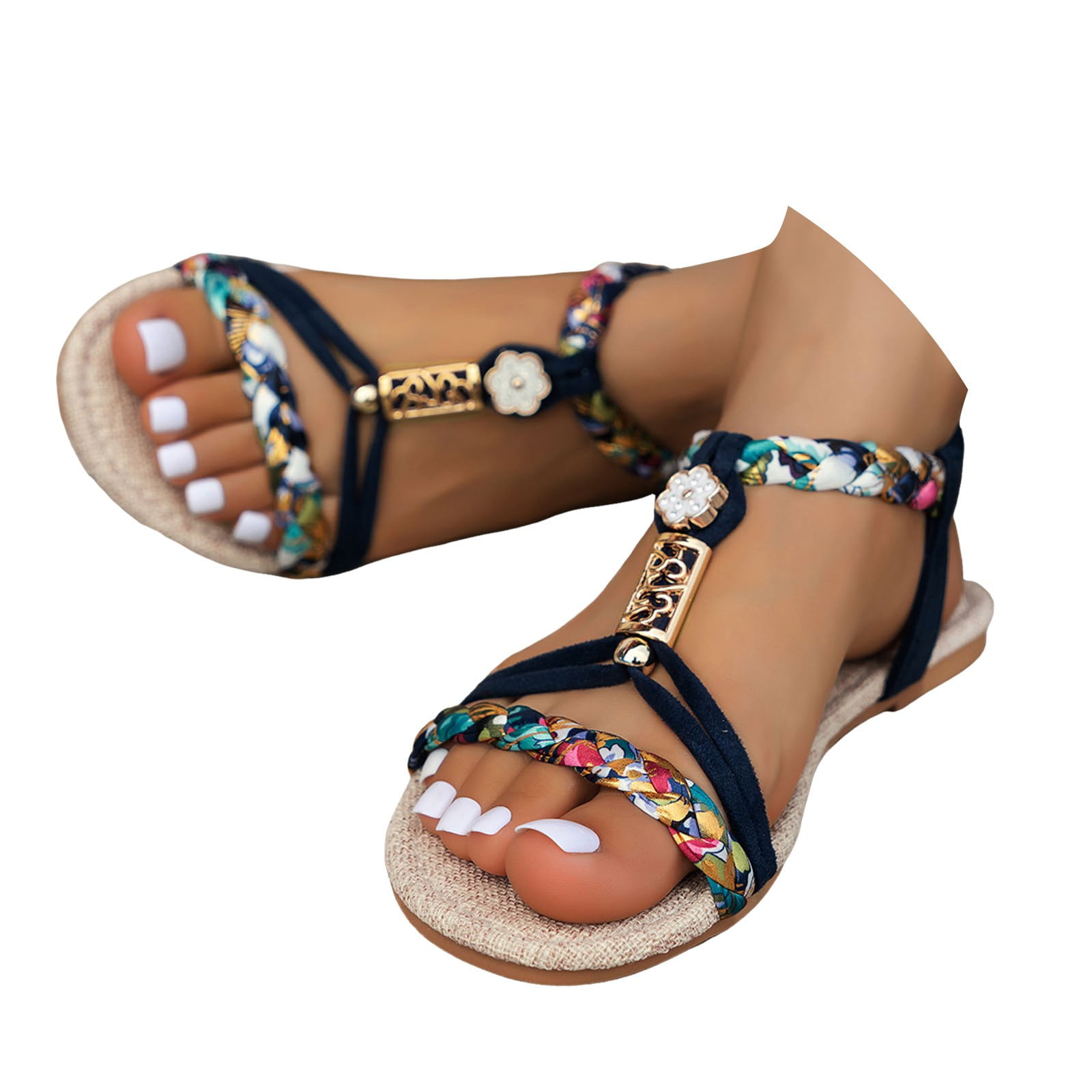
Maintenance and common mistakes to avoid
Take care of added support so it lasts and stays comfortable. Common mistakes and fixes include:
- Adding too much lift all at once
- Sudden large arch increases can strain tendons; increase lift gradually.
- Using thick layers that change shoe fit
- Overstuffing makes sandals tight and causes friction; trim to maintain fit.
- Ignoring wear and hygiene
- Replace pads and insoles when they compress or smell; clean glue residue to prevent slipping.
When you know how to add arch support to flat sandals the right way, the support will feel like a natural part of the shoe, not a foreign object. My rule: small, tested changes beat big, one-off fixes.

Frequently Asked Questions of how to add arch support to flat sandals
How do I know if my sandals need arch support?
If you feel foot, heel, or knee pain after wearing flat sandals, they likely need support. Also look for uneven wear or slippage inside the sandal.
Can I add arch support without changing shoe size?
Yes. Use thin adhesive pads or low-profile removable insoles that trim down to the exact size. Start thin to avoid altering fit.
Are DIY cork inserts safe for long-term use?
Cork inserts are safe when glued and sealed properly, but they can compress over time. Replace or recondition them when they lose shape.
Will arch support fix plantar fasciitis from sandals?
Arch support can reduce strain on the plantar fascia and help recovery, but severe cases may need medical care and physical therapy. Combine support with rest and exercises for best results.
Can I wear arch-supporting sandals all day right away?
No, build wear time slowly over a week to let your feet adapt. Start with one to two hours and add time as comfort improves.
Conclusion
You can make flat sandals comfortable and supportive by learning how to add arch support to flat sandals with simple products, careful DIY methods, and foot-strengthening habits. Start with a clear foot assessment, choose the least invasive option that works, and ramp up gradually while watching for signs of discomfort. Try one change this week—test a removable insert or add a thin cork wedge—and note how your feet feel after short walks. Share your results or questions below, subscribe for more practical foot-care guides, or leave a comment about your favorite sandal hack.

Madison Clark is a footwear expert and the voice behind MyStyleGrid.com. She specializes in honest shoe reviews, style tips, and practical guides to help readers find the perfect pair for any occasion. With years of experience in blogging and content creation, Madison makes footwear knowledge simple, stylish, and easy to follow.