Use verified retailers, check URLs and reviews, and pay safely to avoid fake sneaker websites online.
I have tracked and stopped dozens of scams in my years buying sneakers. This guide explains exactly how to avoid fake sneaker websites online. You’ll get clear checks, real examples, and steps you can use right now to protect your money and your collection. I write from long experience buying and vetting sellers, and I’ll walk you through practical checks that work every time.
Why fake sneaker websites are common
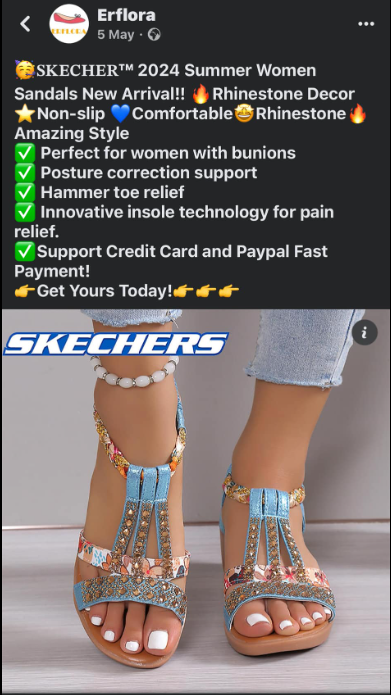
Fake sneaker websites are low-cost scams that mimic brands and legit shops. Criminals build slick pages, copy logos, and steal product photos to trick buyers. High demand and limited drops make sneakers a perfect target. Scammers rely on urgency, low prices, and social ads to lure buyers.
The result is many people losing money or getting low-quality fakes. Knowing why these sites exist helps you spot them faster. That leads to safer purchases and fewer headaches when you shop online for shoes.

Key signs of fake sneaker websites
Spotting fake sites comes down to simple checks. Use this list to quickly test any page before you buy. Each item is a quick red flag or green light.
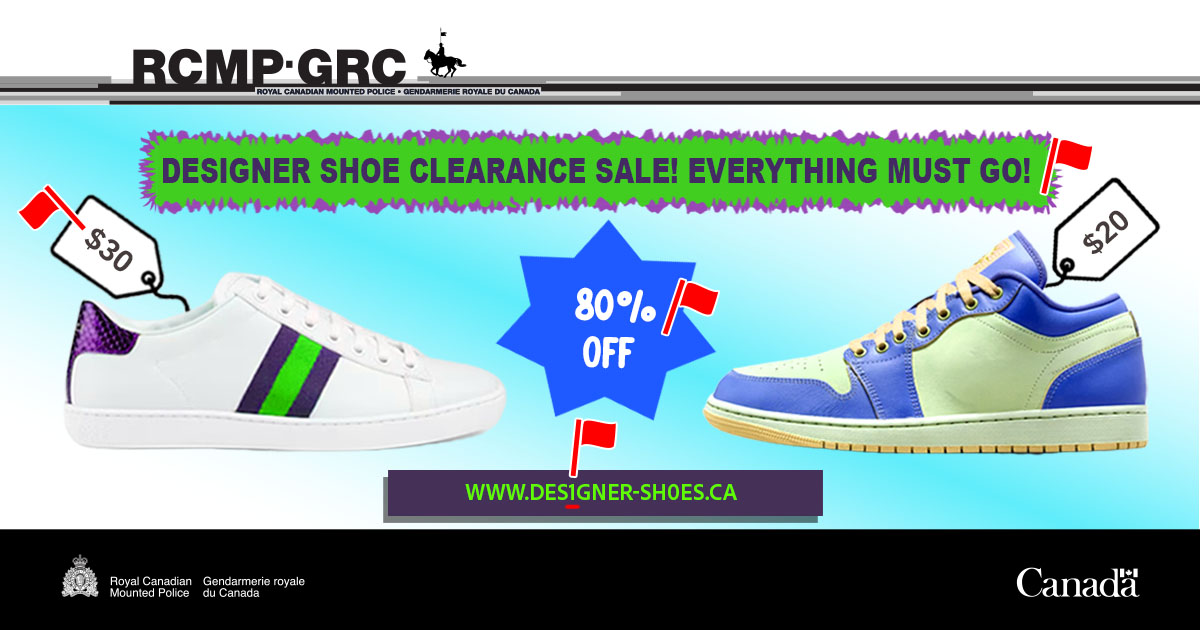
- Website address: Compare the URL to the brand’s official domain. A wrong subdomain or odd ending often means a fake sneaker website online.
- Poor design or broken links: Legit retailers maintain clear navigation and working pages. Too many errors suggest a scammer.
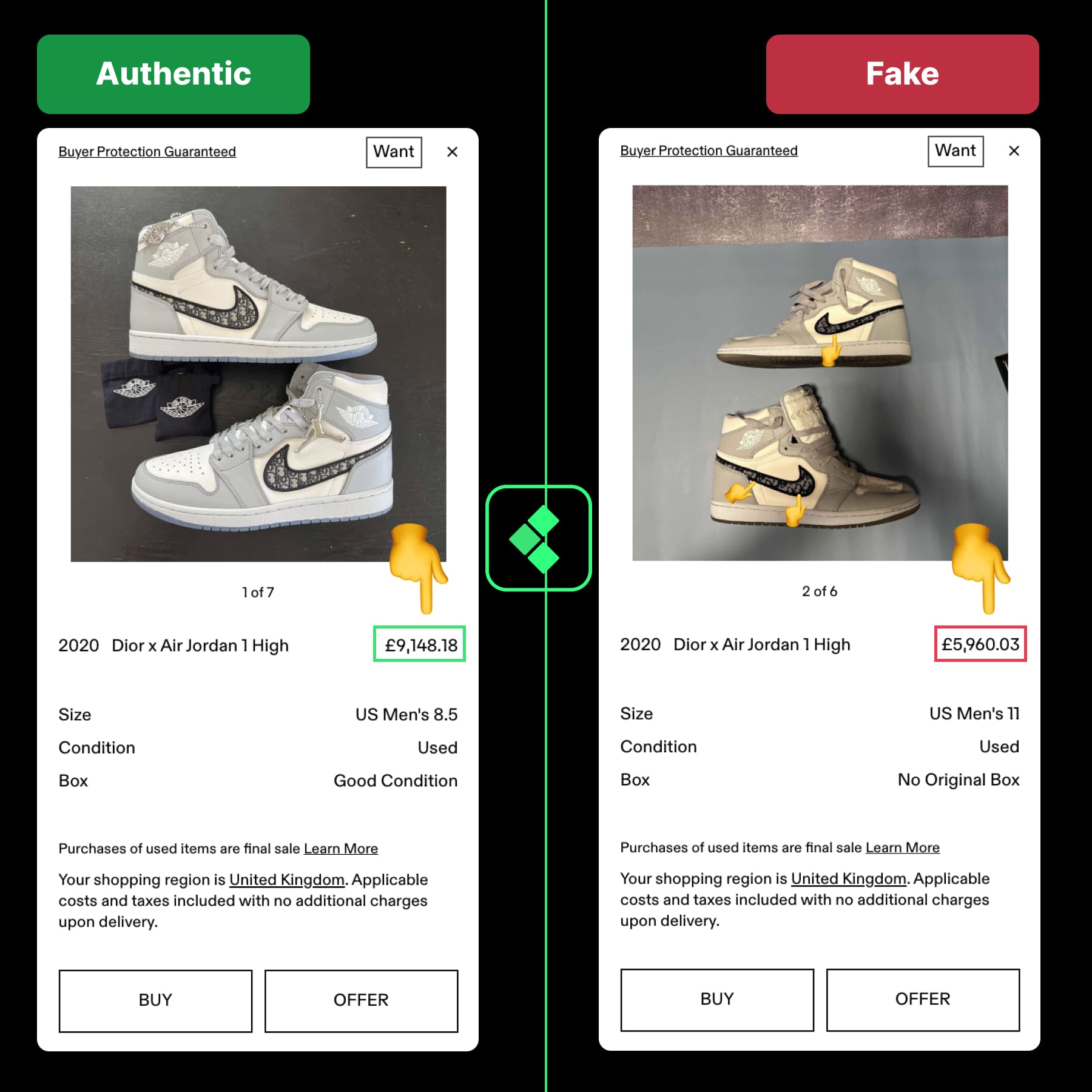
- Wildly low prices: If a rare pair is massively cheaper, treat the site as suspect. Scammers bait buyers with deep discounts.
- No clear contact info: Real sellers list phone numbers, return addresses, and business details. Missing details point to fraud.
- Sketchy payment options: Sites that only accept wire transfers, gift cards, or crypto are risky. Use card or PayPal for buyer protection.
- Fake trust badges: Trust logos can be copied. Click badges—if they don’t link to a real certificate, they’re fake.
- Short domain age: Many fake sneaker websites online appear for days or weeks. Use a domain check to see when the site was created.
- Reviews and social proof: Look for independent reviews. Lots of stock photos and no user photos is a red flag.
Use this set of signs every time you consider buying from a new site. It takes two minutes and prevents big losses.
Step-by-step checklist: how to avoid fake sneaker websites online
Follow these steps before you enter payment details. Treat it as a pre-buy ritual.
-
Verify domain and name
- Type the brand name into search. Compare the official URL to the seller’s URL.
- Watch for extra words like “shop,” “store,” or different country codes that don’t match the brand.
-
Read the fine print
- Scan shipping, returns, and privacy policies. Short or vague policies are suspicious.
- Check for a physical address and a real phone number.
-
Inspect product pages
- Zoom photos and check details. Low-res images or repeated stock pictures are warning signs.
- Check product codes and model numbers against the brand’s catalog.
-
Check reviews and social proof
- Search for the store name plus “scam” or “review.” Real complaints often appear on forums.
- Look for authentic customer photos on social platforms.
-
Validate security and payments
- Ensure the page uses HTTPS and a valid certificate.
- Prefer credit card or PayPal. Avoid wire transfers, gift cards, and direct crypto payments.
-
Use buyer protection tools
- Shop with credit cards that offer dispute and chargeback options.
- Consider a virtual card number for one-time purchases.
-
Contact the seller
- Call the number or ask specific product questions via chat. Delays or dodges are red flags.
Do these checks every time. Repeating the same steps makes spotting fake sneaker websites online fast and routine.
Tools and resources to verify sellers
Lean on simple tools that reveal a site’s history and reputation. I use these often when vetting sellers.
- Domain lookup: Shows site age and registration details. New domains often indicate temporary scam sites.
- WHOIS and registrar info: Reveals owner and hosting country. Anonymous registrations can be a clue.
- Price comparison tools: Confirm if a deal is realistic by comparing to known retailers.
- Browser safety extensions: Flag known scam sites and block unsafe content.
- Social search: Scan Instagram, Twitter, and Reddit for complaints or photos from buyers.
Combining a few tools cuts risk dramatically. For me, a domain check plus a quick social search catches most fake sneaker websites online.

Real examples and lessons from my experience
I once ordered a hyped pair from a slick-looking site. The photos looked real. The price was tempting. The site had a fake trust badge and a newly registered domain. I ignored those signs. The shoes never arrived and the charge was refused by my bank only after a long fight.
Lessons I learned and now follow:
- Always check domain age before buying.
- Save screenshots of product pages and receipts.
- Use card protections and document communications.
Those small steps saved me money later. My mistakes taught me the exact checks in this article. Use them to avoid the same pain.
Common scams and how to respond
Knowing scam types helps you act fast when something goes wrong.
- Phantom orders: The site takes money and never ships. Contact your bank and file a dispute.
- Fake returns: Scammers post fake return policies then refuse refunds. Save copies of policies and emails.
- Counterfeit goods: If items arrive fake, document differences and report to the brand. File claims with your payment provider.
- Fake ads and influencer promos: Always click through verified brand links, not sponsored posts from unknown accounts.
If you think you’ve been scammed, stop further payments, contact your bank, and report the site to authorities and the brand. Quick action increases the chance of recovery.
People also ask (PAA) — quick answers
How can I tell if a sneaker website is fake?
- Check the URL, domain age, contact info, and payment methods. Unrealistic prices and low-quality photos are red flags.
Is it safe to buy sneakers from small online shops?
- It can be safe if the shop has clear contact details, real reviews, secure payment, and a valid domain history. Use buyer protection for extra safety.
What payment method is safest when shopping for sneakers online?
- Credit cards and PayPal offer the best buyer protection. Avoid wire transfers and gift cards.
Can I check a sneaker’s authenticity after it arrives?
- Yes. Compare details to official product images, check labels and stitching, and use online authentication services if unsure.
Should I trust social media ads for sneaker drops?
- Be cautious. Verify the seller’s site and reviews before buying. Many fake sneaker websites online use social ads to appear legitimate.
Frequently Asked Questions of how to avoid fake sneaker websites online
How do I quickly check a sneaker site before buying?
Look at the URL, SSL lock, domain age, and contact info. If anything feels off, pause and research.
What payment options protect buyers most?
Use credit cards or PayPal for disputes and chargebacks. Avoid direct bank transfers and gift cards.
Are low prices a guaranteed sign of a fake site?
Not always, but huge discounts on limited drops are usually too good to be true. Verify the seller first.
How can I report a scam sneaker website?
Contact your bank, report to consumer protection agencies, and notify the shoe brand. Sharing on forums helps warn others.
What documents should I keep after purchase?
Save order confirmations, screenshots of the product page, receipts, and any chat or email with the seller. These help with disputes.
Conclusion
You can avoid fake sneaker websites online by using simple checks and safe payment habits. Verify domains, read reviews, test contact methods, and use buyer protection every time. My experience taught me that a two-minute checklist prevents most scams and saves both money and time.
Start using the checklist today. Bookmark this guide, double-check sellers, and share your safe shopping tips below. Tell a friend, subscribe for updates, or leave a comment about your experience with suspicious sneaker sites.

Rubel Miah is the Senior Editor at MyStyleGrid.com, where he brings a sharp editorial eye and an unshakable love for fashion to everything he does. A true style addict, Rubel lives and breathes trends, from streetwear to high fashion, and has a knack for turning inspiration into impactful stories. With years of experience in fashion journalism and digital media, he curates content that empowers readers to express themselves through style. When he’s not editing features or forecasting the next big thing, you’ll find him hunting down vintage pieces or capturing street style moments around the city.