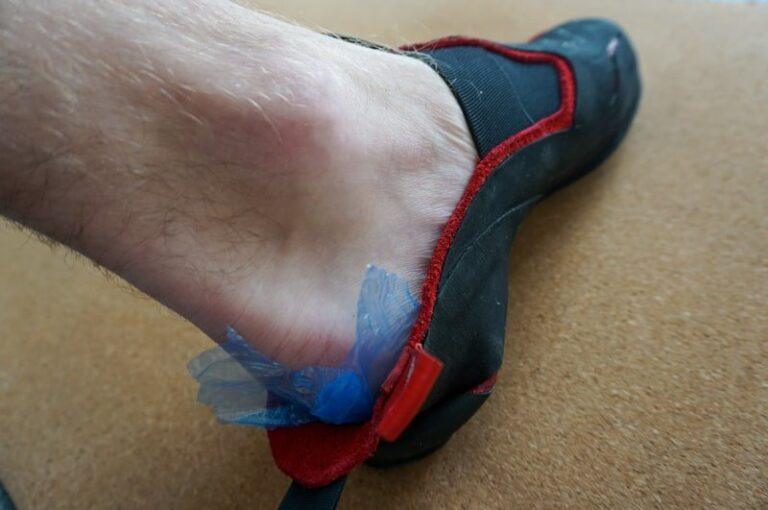
Break in shoes with gradual wear, gentle heat, and stretching tools for comfort and fit.
I have spent years helping people and testing methods on many shoe types. I will show clear steps for how to break in shoes safely, fast, and without damage. You will get expert tips, real-life tricks I use, and easy fixes for tight spots. Read on to learn the best way to break in shoes for leather, suede, canvas, heels, boots, and sneakers.
Why breaking in shoes matters
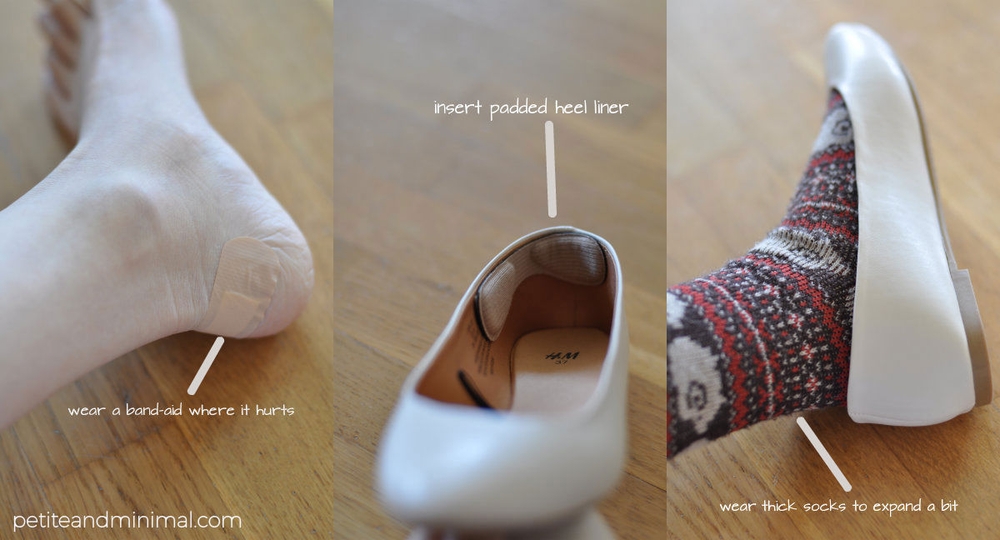
New shoes can look great but feel stiff. Poor fit can cause blisters, pain, and poor posture. Learning how to break in shoes helps protect your feet. It also extends the life of the shoes and keeps them looking better.
My experience: I once ruined a pair of leather shoes with a bad DIY stretch. Since then I use slow, safe methods that work. These methods cut break-in time and avoid damage.

How to break in shoes safely: step-by-step
Follow these clear steps to break in shoes without harm. Use the same basic plan for most shoe types. Adjust the pace for delicate materials.
- Inspect the shoes first.
- Check seams, glue, and hardware. Confirm no defects.
- Wear thin socks inside at home.
- Start with short sessions of 15–30 minutes. Gradually add time over days.
- Use thicker socks to stretch slightly.
- Put on a pair of thick socks and walk indoors for 10–20 minutes.
- Apply targeted heat for leather or synthetic.
- Use a hair dryer at low heat while flexing the shoe with your foot. Do not overheat.
- Use a shoe stretcher for tight zones.
- Insert a stretcher for 24–48 hours as needed. Use toe and width attachments when required.
- Treat seams and leather with conditioner.
- Leather conditioner softens material and reduces cracking.
- Repeat short wear cycles.
- Aim for several short wears instead of one long, painful day.
These steps form the core of how to break in shoes in a controlled way. For boots or heels, see the specific tips below.
How to break in leather shoes
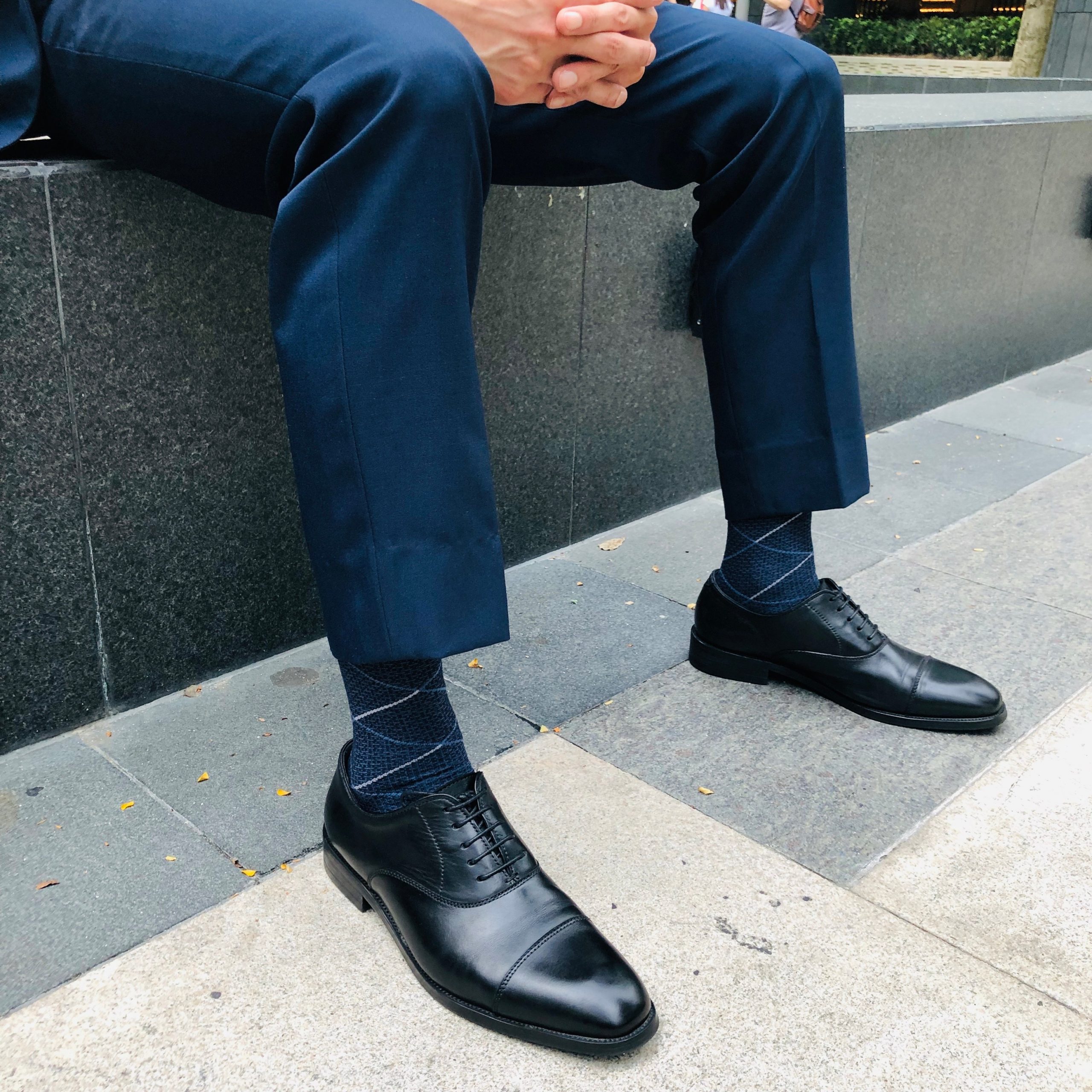
Leather needs both moisture and time to relax. Treat leather with care.
- Clean first. Remove dust and polish residue with a soft cloth.
- Apply leather conditioner sparingly. Let it sit and absorb for a few hours.
- Wear with thick socks inside the house for 30–60 minutes at a time.
- Use a shoe stretcher for tight toes or width. Leave it for 24–48 hours.
- Use gentle heat to speed softening. Aim the hair dryer at the stiff zone, then walk in the shoes.
Personal tip: I condition new leather shoes the day I buy them, then wear them for short walks. That routine saved me from blisters many times.

How to break in suede and nubuck
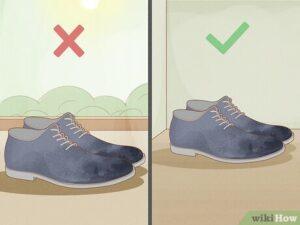
Suede and nubuck are more delicate. Avoid water and heavy heat.
- Brush the suede to loosen fibers before wearing.
- Use a suede protector spray to prevent stains and reduce stiffening.
- Wear with thin socks and walk indoors first.
- Use a shoe stretcher with a soft cover if needed.
- If a spot feels tight, use a steamer at a safe distance to relax the material lightly.
I once used too-hot steam on nubuck and left a mark. Treat suede gently and test on an unseen spot first.

How to break in canvas and fabric shoes
Canvas and fabric are forgiving. They stretch more quickly but can lose shape if overstretched.
- Wear them with thin socks for short periods.
- If extra room is needed, dampen the fabric slightly and wear until dry.
- Use insoles to stabilize fit and reduce friction.
- Avoid harsh heat; air-dry only.
For sneakers, simply walking in them for a few days usually does the trick. Replace insoles if arch support causes rubbing.

How to break in high heels safely
Heels focus pressure on small areas. Break them in carefully.
- Start with cushioned gel inserts for the ball of the foot.
- Wear at home for 10–20 minutes. Increase time slowly.
- Use moleskin or blister pads on hot spots.
- Consider a heel grip to prevent slipping that causes friction.
My trick for new heels: swap insoles with a thinner pair for a few wears, then return to original insoles when fit improves.
How to break in boots
Boots often need a longer break-in period due to height and stiffness.
- Loosen all laces and walk with socks that match intended use.
- For leather boots, condition and use a stretcher in tight spots.
- For pull-on boots, use a boot jack and thick socks for short sessions.
- Break in on soft surfaces before tackling rough terrain.
When I tested hiking boots, I always wore them on local trails for a few short hikes before a long trip. That step saved my feet on the trail.

Tools and products that help
Good tools make the process easy and safe.
- Shoe stretcher: widens toe box and lifts specific spots.
- Leather conditioner: softens leather without damaging it.
- Suede brush and protector: maintain texture and protect from stains.
- Gel inserts and moleskin: reduce pressure and friction.
- Hair dryer or clothes steamer: gentle heat to soften materials.
- Thick and thin socks: key for controlled stretching.
Use tools with care. Overuse can deform the shoe. Follow product directions.

Common mistakes and how to avoid them
Know what not to do when you learn how to break in shoes.
- Rushing the process: quick fixes can cause damage.
- Overheating leather: high heat dries and cracks leather.
- Using water on suede: water stains and hardens suede.
- Ignoring arch support: poor support leads to pain even if the shoe fits.
- Skipping insoles: the wrong insole can make fit worse.
I once soaked a pair of suede shoes to speed things up. They warped and needed a costly repair. Slow wins here.
How to handle pain and blisters during break-in
Blisters are common. Treat them fast and adjust your approach.
- Use moleskin or blister pads on red spots.
- Stop wearing shoes that cause severe pain.
- Trim rough threads and seams carefully.
- Apply antiseptic and cover open blisters.
- Give feet a rest and let skin heal before next wear.
If pain persists, consider consulting a podiatrist. Foot health is worth professional care.
Frequently Asked Questions of how to break in shoes
How long does it take to break in shoes?
Most shoes take several days of short wear. Leather and boots may need weeks for full comfort.
Can I speed up the process?
You can speed it with gentle heat, stretchers, and thicker socks, but don't rush. Slow is safer and more effective.
Will shoe stretchers damage my shoes?
Proper use of a quality stretcher will not harm shoes. Overstretching or using the wrong size can cause issues.
Is it safe to use water to stretch shoes?
Water can help canvas but can stain or warp leather and suede. Use water only on fabrics and with caution.
When should I stop trying to break in shoes?
Stop if pain is severe or the shoe is structurally flawed. Persistent discomfort may mean the shoe is the wrong size or shape.
Conclusion
Breaking in shoes is a mix of patience, the right tools, and small steps. Use short wear sessions, targeted heat, stretchers, and protective products to speed comfort. My advice: start slow, protect hot spots, and choose methods by material. Try these tips and share what works for you. Subscribe for more gear and shoe care tips, or leave a comment with your break-in story.

Rubel Miah is the Senior Editor at MyStyleGrid.com, where he brings a sharp editorial eye and an unshakable love for fashion to everything he does. A true style addict, Rubel lives and breathes trends, from streetwear to high fashion, and has a knack for turning inspiration into impactful stories. With years of experience in fashion journalism and digital media, he curates content that empowers readers to express themselves through style. When he’s not editing features or forecasting the next big thing, you’ll find him hunting down vintage pieces or capturing street style moments around the city.