Pick frames that contrast your face shape, fit snug, and block 100% UV.
You want sunglasses that flatter your features, feel good all day, and protect your eyes. I’ve fit thousands of pairs, from budget buys to pro sport shades, and I know what works in real life. This guide shows how to choose best sunglasses for your face with clear steps, simple tests, and pro tips you can use today.
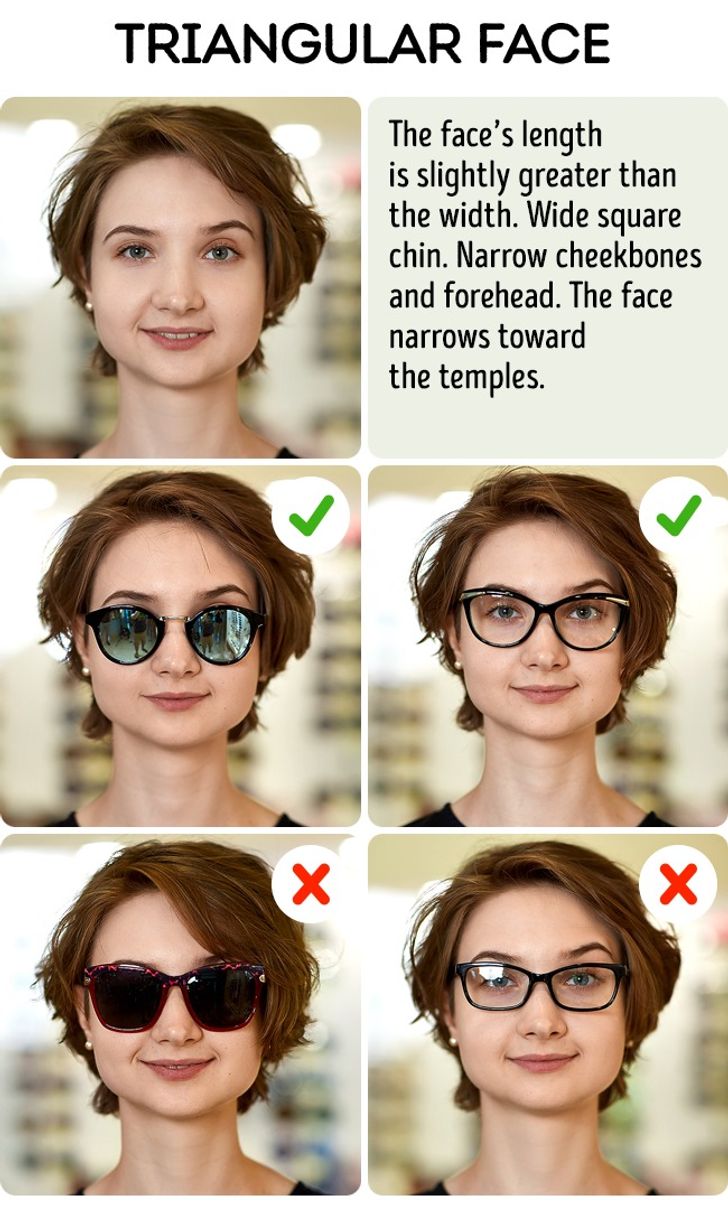
Find your face shape (the easy way)
Stand in front of a mirror. Pull your hair back. Use a dry-erase marker or lipstick to trace your face outline on the mirror. Step back and note your shape: oval, round, square, heart, diamond, or long.
Your traits help too:
- Round: soft jaw, full cheeks, equal width and length
- Square: strong jaw, broad forehead, width close to length
- Heart: wider forehead, narrow chin, sometimes high cheekbones
- Oval: balanced features, slightly longer than wide
- Diamond: narrow forehead and chin, wide cheekbones
- Long/oblong: longer face, narrow width
Do not obsess over perfect labels. Pick the closest shape and move on. This is the first step in how to choose best sunglasses for your face.

Balance shape with frame style
Think balance. Opposites flatter. Angular frames add structure to soft faces; curved frames soften sharp lines. This quick match guide keeps it simple.
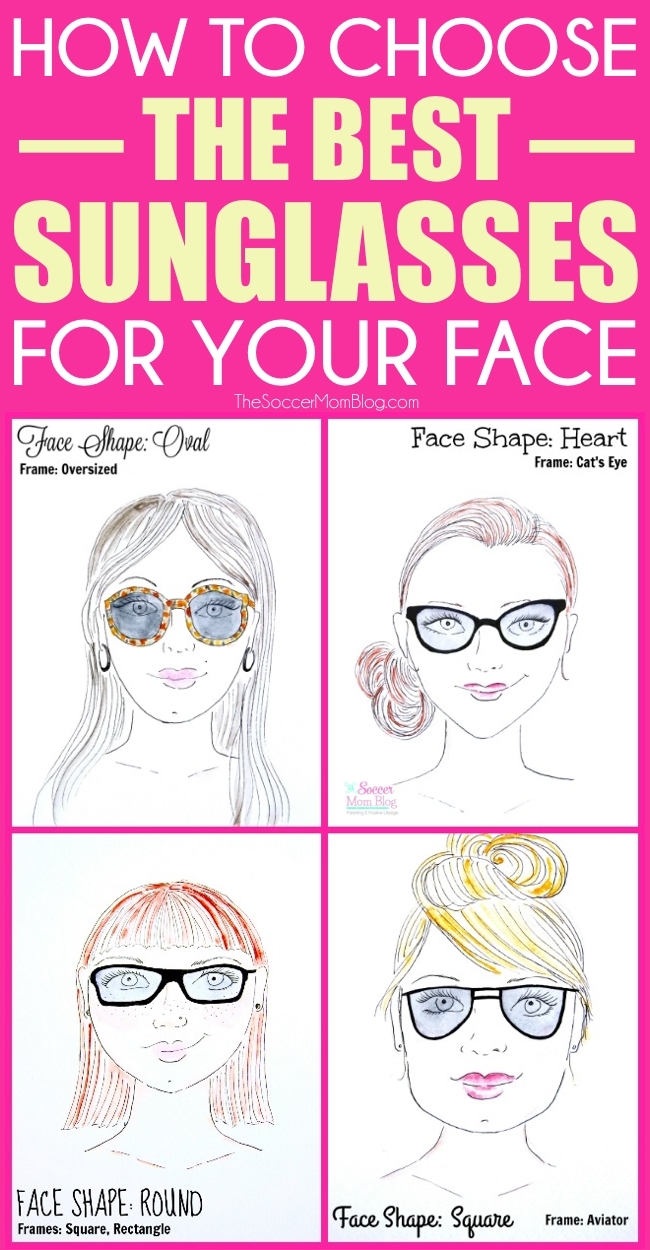
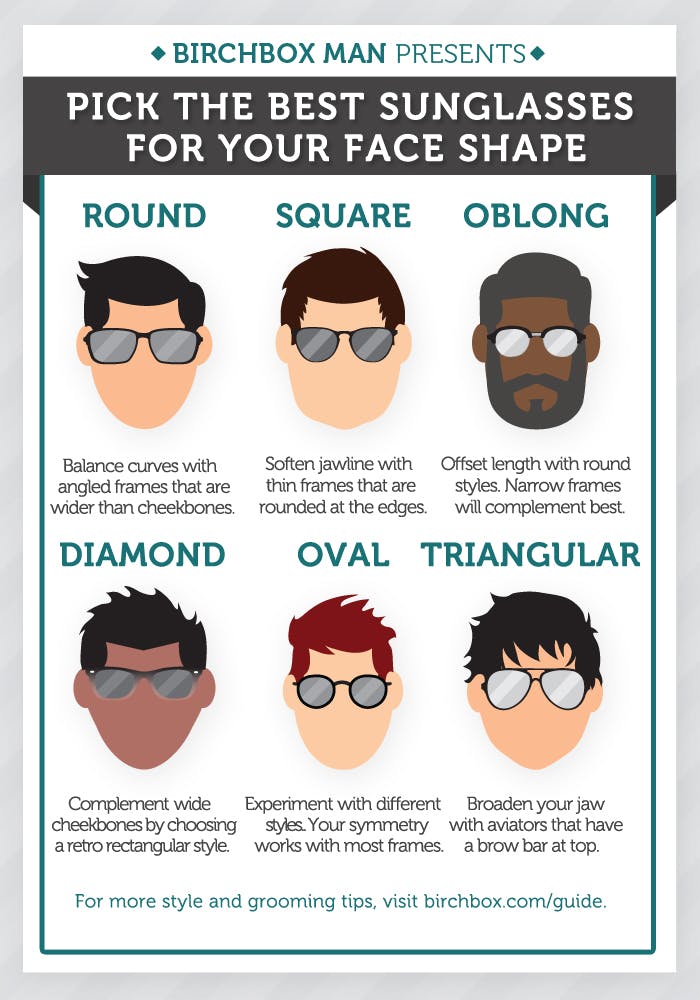
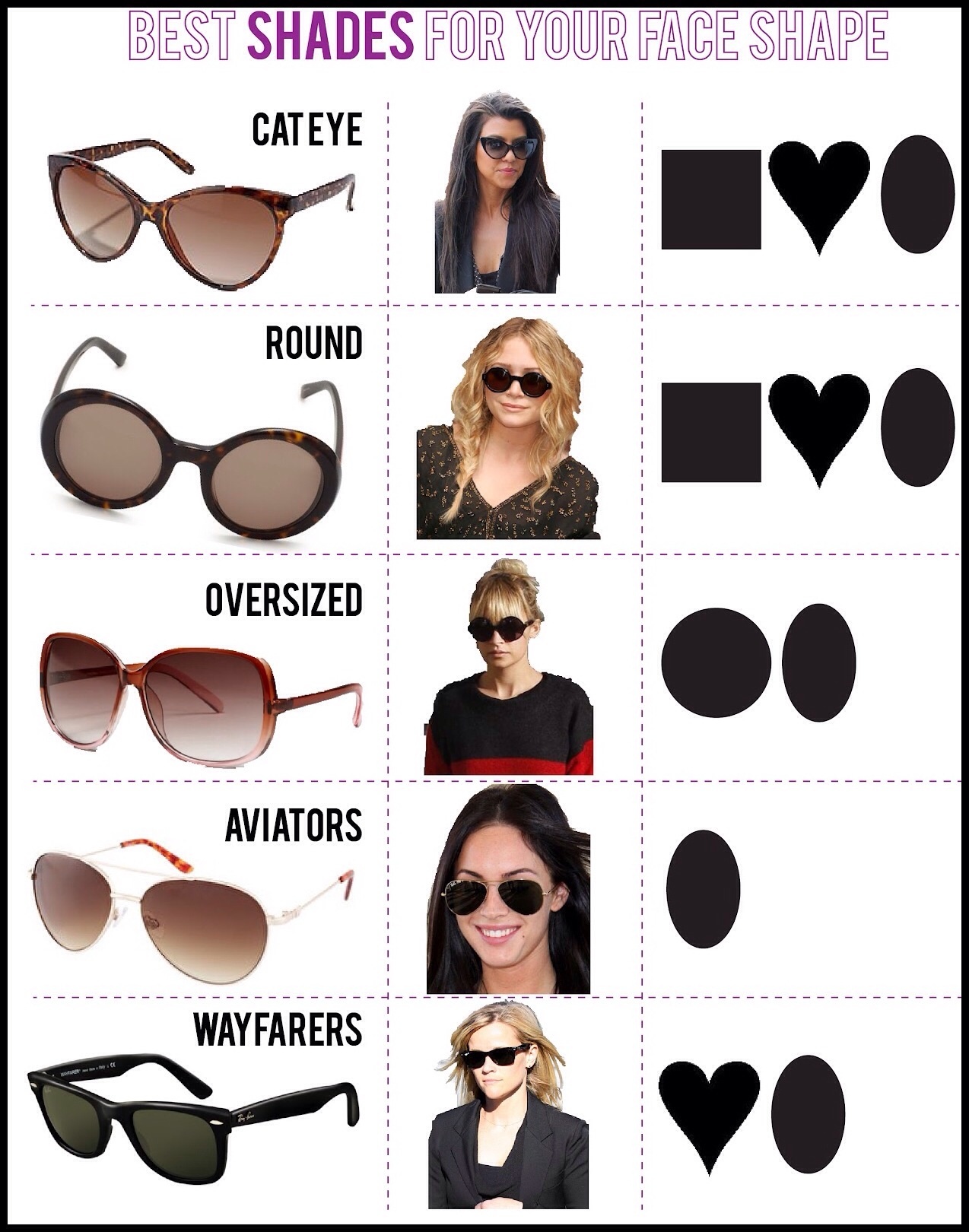
- Round face: choose angular frames like rectangles, squares, or flat-top aviators
- Square face: try round, oval, or softly curved aviators to smooth angles
- Heart face: go for bottom-heavy aviators, round, or light cat-eyes to balance a narrow chin
- Oval face: most shapes work; keep proportions in check, not too tall or too narrow
- Diamond face: oval, rimless, or cat-eye highlight cheekbones without extra width
- Long face: tall lenses, wayfarers, or slight wrap add visual height and balance
Real-talk tip: I once guided a client with a sharp, square jaw away from square frames. We tried round lenses with a thin metal rim. It changed the whole vibe from harsh to cool. This balance step is core to how to choose best sunglasses for your face.

Nail the size and fit
Protection and style fail if fit is off. Use these key checks:
- Frame width: matches your face width; temples sit straight, not splayed
- Lens width: your eyes sit near the lens center, not too close to the bridge
- Bridge fit: no pinch, no slide; nose pads rest evenly
- Temple length: arms reach your ears without pressing; no hot spots
Do the smile test. If the frames lift when you smile, the nose fit is wrong. Do the head-shake test. Lightly shake your head; if they fly, size down or add grippy pads. If you wear a cap or helmet, test with it on. This is a practical part of how to choose best sunglasses for your face.

Choose lenses that protect and perform
Look for 100% UVA and UVB protection (UV400). Check labels that comply with standards like ANSI Z80.3 or ISO 12312-1. Dark tint alone does not mean UV safety.
Pick lens features by use:
- Polarized: cuts glare on water and roads; great for driving and fishing
* Lens tints: gray keeps colors true; brown/amber boosts contrast; green balances both - Lens materials: polycarbonate and Trivex are light and impact-resistant; glass is super clear but heavier
- Coatings: anti-reflective on the back reduces bounce; mirror cuts brightness; hydrophobic resists smudges
Note: Some screens and car HUDs can look odd with polarization. Test before you buy if you rely on those. Smart lens choices are central to how to choose best sunglasses for your face.
Color and undertone that flatter you
Frames act like makeup for your face. Use color to lift your features. Quick undertone guide:
- Warm skin (gold/olive): tortoise, honey, olive, warm metals
- Cool skin (pink/rosy): black, crystal, navy, cool metals
- Neutral: most colors work; match your wardrobe
Lens hues also shape mood and function:
- Gray: everyday, true color
- Brown/amber: boosts contrast, great for driving and sport
- Green: balanced, classic look
I keep two pairs: a tortoise for everyday and a matte black for sharp outfits. Simple swaps keep style easy. Color confidence helps with how to choose best sunglasses for your face.
Match your lifestyle
Pick frames for where you spend time, not just the mirror.
- Driving: polarized gray or brown, medium tint, AR coating
- Water: polarized with mirror, wrap frames to block side glare
- Mountains: higher UV at altitude; brown/rose with mirror; consider side shields
- City: lighter tints or photochromic for shade-to-sun shifts
- Sport: wrap TR-90 or nylon frames, rubber nose and temples, impact lenses
I bike with a slight wrap and vented lenses to prevent fog. For brunch, I wear a lighter tint so eyes still show. Real life use is a big part of how to choose best sunglasses for your face.

Try-on methods and shopping smart
In-store checks:
- Alignment: frames sit level; pupils centered; no brow poke
- Comfort: even pressure at nose and ears; no red marks after 10 minutes
- Light leak: face the sun; block side and top gaps where possible
Online tips:
- Use a recent selfie and a credit card as a scale reference
- Know your numbers: lens width, bridge, temple, and overall width
- Demand free returns and a real warranty; verify authenticity
I ask clients to wear the pair while walking around the store for five minutes. Hot spots reveal fast. This shopping plan supports how to choose best sunglasses for your face.
Care, durability, and sustainability
Good care means better vision and longer life.
- Clean with a microfiber cloth and lens spray; avoid shirts and paper towels
- Store in a hard case; never on the car dashboard (heat warps frames)
- Tighten screws as needed; replace nose pads and lenses to extend life
Materials matter:
- Acetate: rich color, adjustable, repairable
- TR-90/nylon: light, flexible, sport-friendly
- Metal: stainless steel or titanium for durability and low weight
- Spring hinges: add comfort when faces swell in heat
If you can replace lenses, you cut waste and save money. A durable plan is smart for how to choose best sunglasses for your face.

Budget and value
Price does not equal protection. Affordable shades with true UV400 can protect as well as premium brands. Spend more for better optics, durable materials, comfy fit, and strong warranties.
Buy from trusted sellers to avoid fake UV claims. If you need prescription, ask about Trivex or high-quality polycarbonate and use your FSA/HSA. Value-first thinking rounds out how to choose best sunglasses for your face.
Frequently Asked Questions of how to choose best sunglasses for your face
How can I tell if sunglasses truly block UV?
Look for 100% UVA and UVB or UV400 on the label. If possible, ask a shop to test them with a UV meter for peace of mind.
Are polarized lenses always better?
Polarized lenses cut glare and reduce eye strain, especially on water and roads. They can distort some screens, so test them if you use HUDs or certain displays.
What frame size should I choose?
Match the overall frame width to your face. Your pupils should sit near the middle of each lens, and the temples should not flare out.
What is the best tint for driving?
Gray and brown are top picks. They keep color accurate and boost contrast, which helps you see road lines and hazards.
Can I wear oversized frames on a small face?
Yes, if they still align with your pupils and do not slip. Choose lighter materials and shorter lens heights to avoid overwhelm.
How do I use how to choose best sunglasses for your face if I have a beard or bangs?
Balance your visible features. If hair adds volume on top, choose frames with a bit more bottom weight, and vice versa.
Do I need different sunglasses for sport and daily wear?
It helps. Sport frames offer grip, wrap, and impact resistance. Keep a lighter, stylish pair for daily life.
Conclusion
You now know how to balance shape, fit, lenses, color, and lifestyle to find your ideal pair. Start with face shape, confirm fit, demand UV protection, and pick lenses that match your day. That simple process is how to choose best sunglasses for your face.
Try three styles that contrast your face, do the smile and shake tests, and step into daylight to check glare. Save a photo of each and pick the one you forget you are wearing. Ready to level up your look and eye health? Use these tips today, share your wins, and drop your questions so we can fine-tune your next pair.

Rubel Miah is the Senior Editor at MyStyleGrid.com, where he brings a sharp editorial eye and an unshakable love for fashion to everything he does. A true style addict, Rubel lives and breathes trends, from streetwear to high fashion, and has a knack for turning inspiration into impactful stories. With years of experience in fashion journalism and digital media, he curates content that empowers readers to express themselves through style. When he’s not editing features or forecasting the next big thing, you’ll find him hunting down vintage pieces or capturing street style moments around the city.