Choose sneakers with firm arch support, stable midsoles, cushioning, and a roomy toe box for flat feet.
I’ve spent years testing shoes and advising people with low arches, and this guide will teach you exactly how to choose sneakers for flat feet support. You’ll learn what features truly matter, how to test fit in the store, when to use orthotics, and which mistakes to avoid. Read on to make smarter choices that reduce pain, improve posture, and keep your feet comfortable all day.
Why choosing the right sneakers matters for flat feet
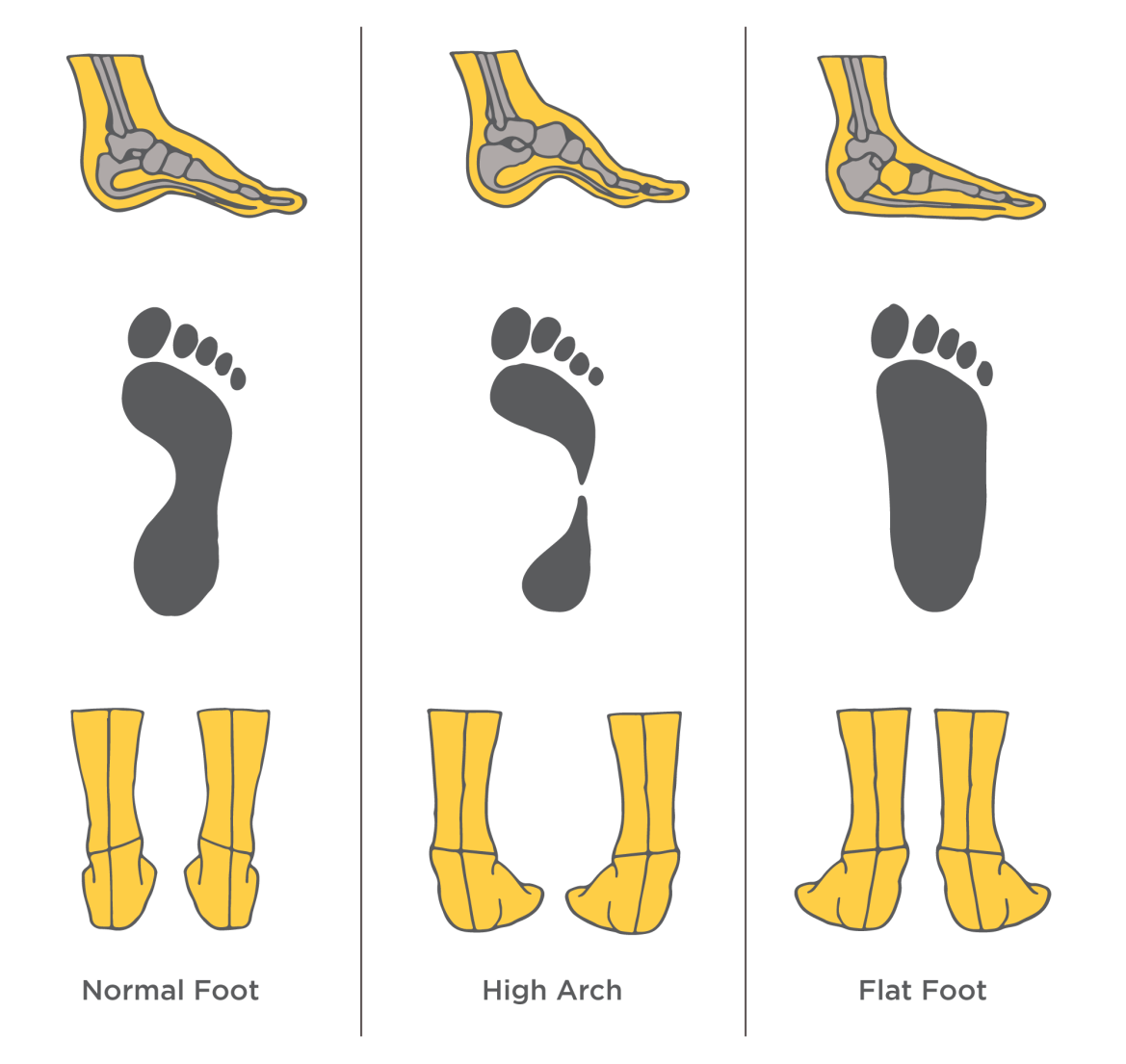
Wearing the wrong shoes can increase pain, fatigue, and joint stress for people with flat feet. Flat feet change how weight is distributed across the foot. That can lead to overpronation, shin pain, knee pain, and faster shoe wear.
Choosing the right sneakers reduces strain, improves alignment, and helps you stay active without discomfort. Think of good sneakers as simple, wearable therapy. They give structure where the arch is low and guide your foot through a healthier stride.
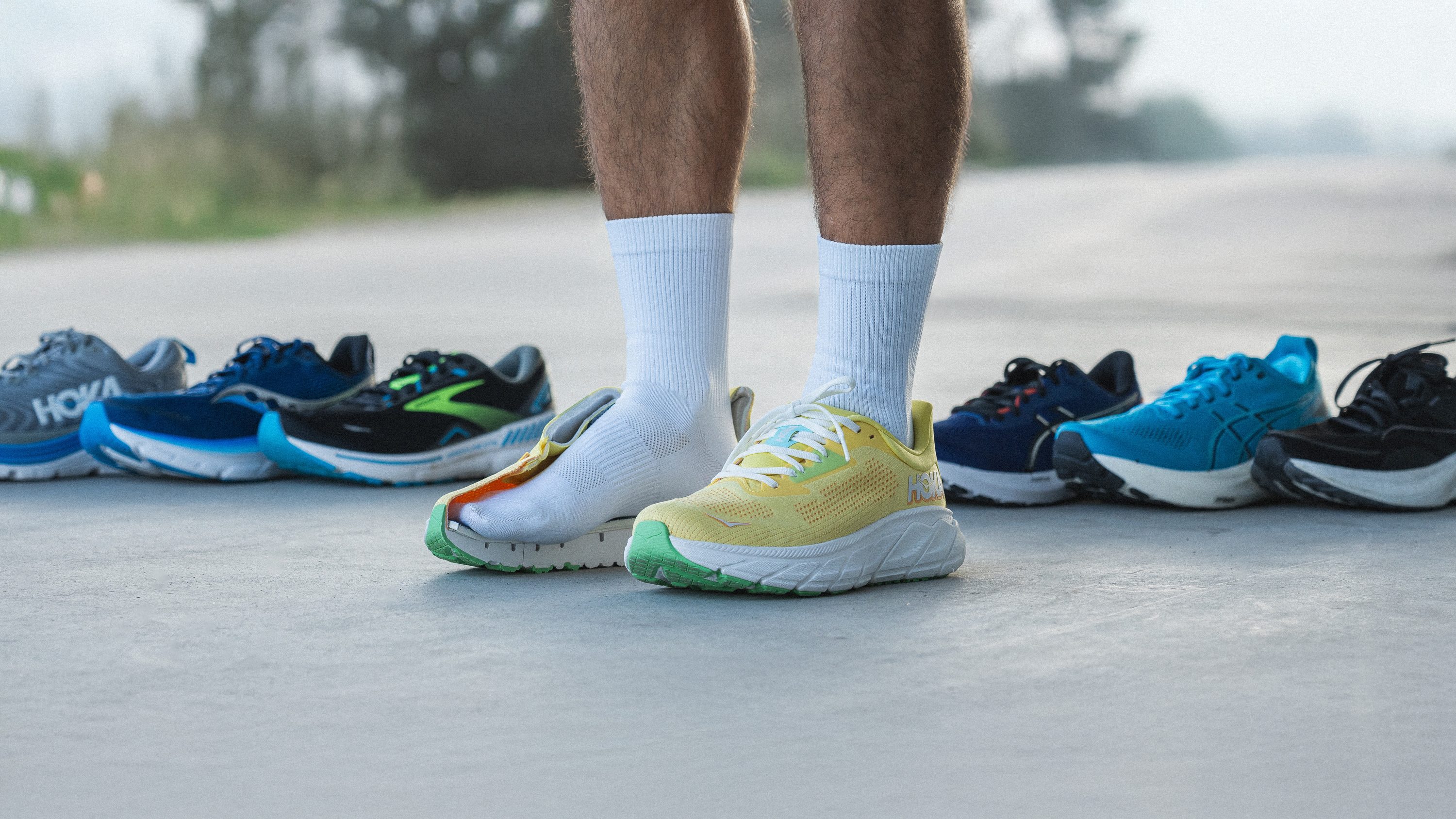
How to choose sneakers for flat feet support: key features to prioritize
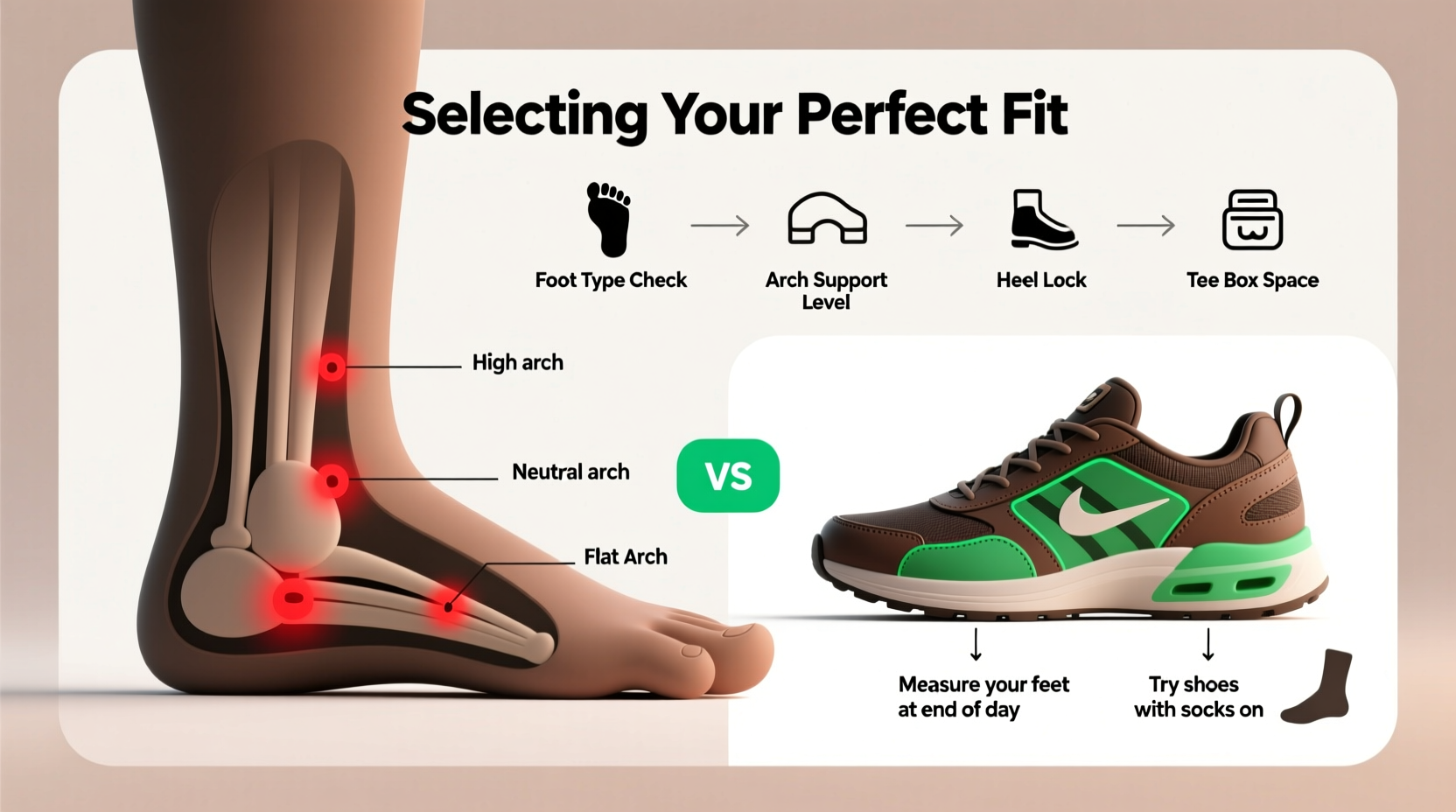
When you search for how to choose sneakers for flat feet support, focus on these features first. Each plays a specific role in stabilizing a low arch and preventing injury.
- Firm arch support
- A contoured midsole or built-in arch helps support the medial arch and stops the foot from rolling inward too much.
- Stability and motion control
- Look for shoes labeled stability or motion-control, which include stiffer midsoles and supportive heel counters.
- Structured heel counter
- A firm heel cup locks the rearfoot and reduces excessive inward collapse.
- Moderate-to-firm midsole cushioning
- Cushions shocks but avoids overly soft, unstable foams that increase pronation.
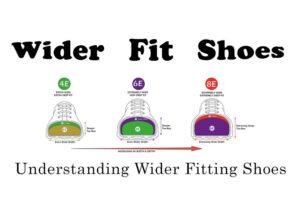
- Wide and roomy toe box
- Flat feet often spread more; a roomy toe box prevents crowding and bunion pain.
- Durable sole with medial posting or supportive shank
- Medial posts or firm shanks limit overpronation and keep the foot aligned.
- Proper shoe last and fit
- A stability shoe last (not racer-style narrow lasts) supports low arches better.
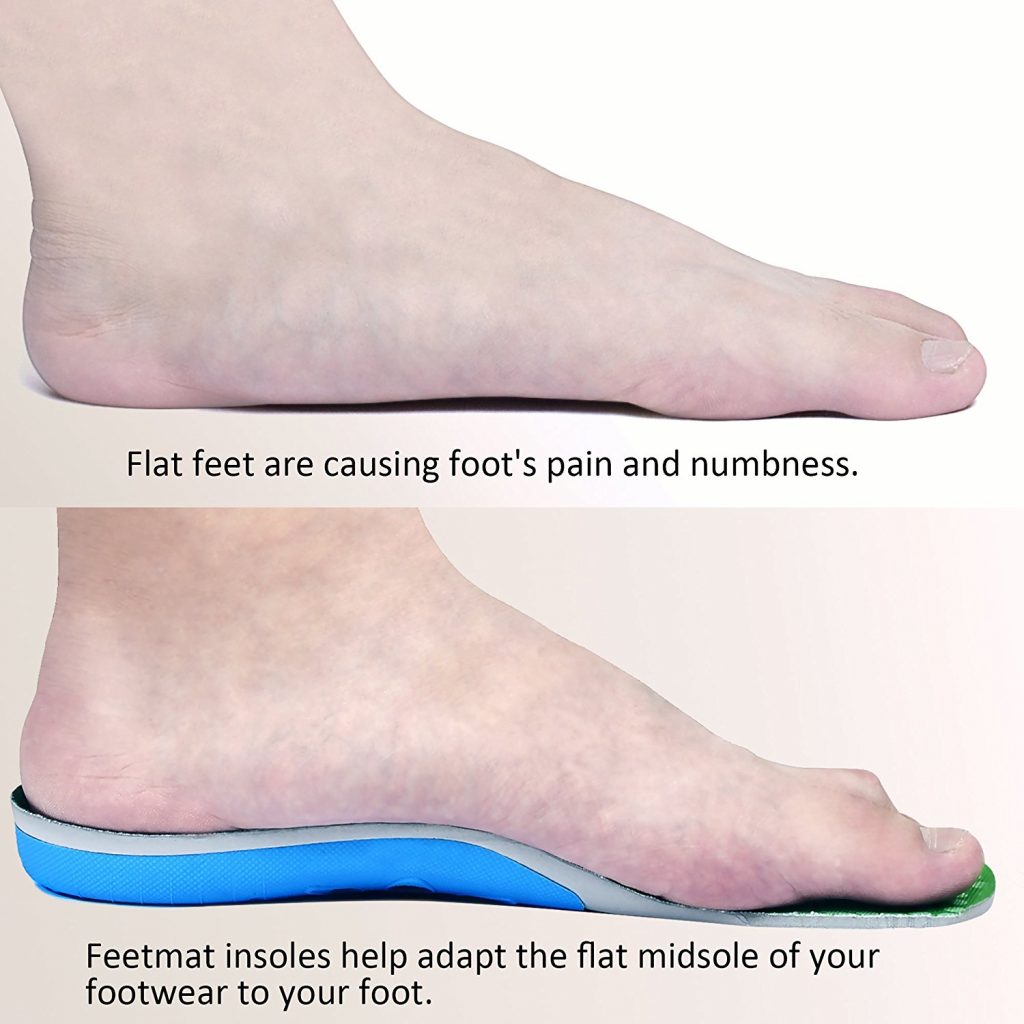
How to measure and test fit in-store and at home
A great fit matters as much as technical features. Follow this step-by-step process when trying shoes.
- Measure both feet
- Measure length and width at the end of the day when feet are slightly swollen. Use the larger foot for sizing.
- Try shoes with your usual socks or orthotic
- Wear the socks you plan to run or walk in. Bring any orthotic you currently use.
- Check arch support with your hand
- Press the midsole where your arch sits to feel the contour. It should feel supportive, not a soft dip.
- Walk and jog inside the store
- Walk for several minutes and, if possible, jog on a treadmill to feel stability through the stride.
- Look for heel and midfoot lockdown
- Your heel should not slide and the midfoot should feel snug without pinching.
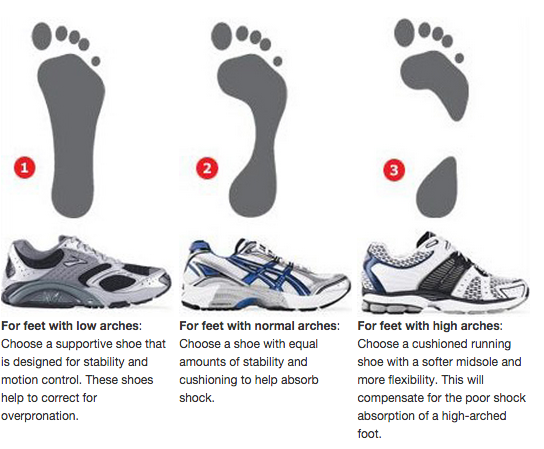
Types of sneakers and when to use them
Different activities call for different shoes. Here’s how to match sneakers to activity when you have flat feet.
- Daily walking and casual wear
- Use stability walking shoes with firm midsoles and roomy toes.
- Running
- Choose stability running shoes or motion-control shoes for longer runs and high mileage.
- Gym and cross-training
- Cross-trainers with stable platforms and minimal heel-to-toe drop work well for weightlifting and HIIT.
- Trail running and hiking
- Trail shoes with a supportive shank and firm midsoles help on uneven ground.
- Minimalist shoes
- Avoid very minimalist shoes unless you have a long, guided transition plan and strong intrinsic foot muscles.
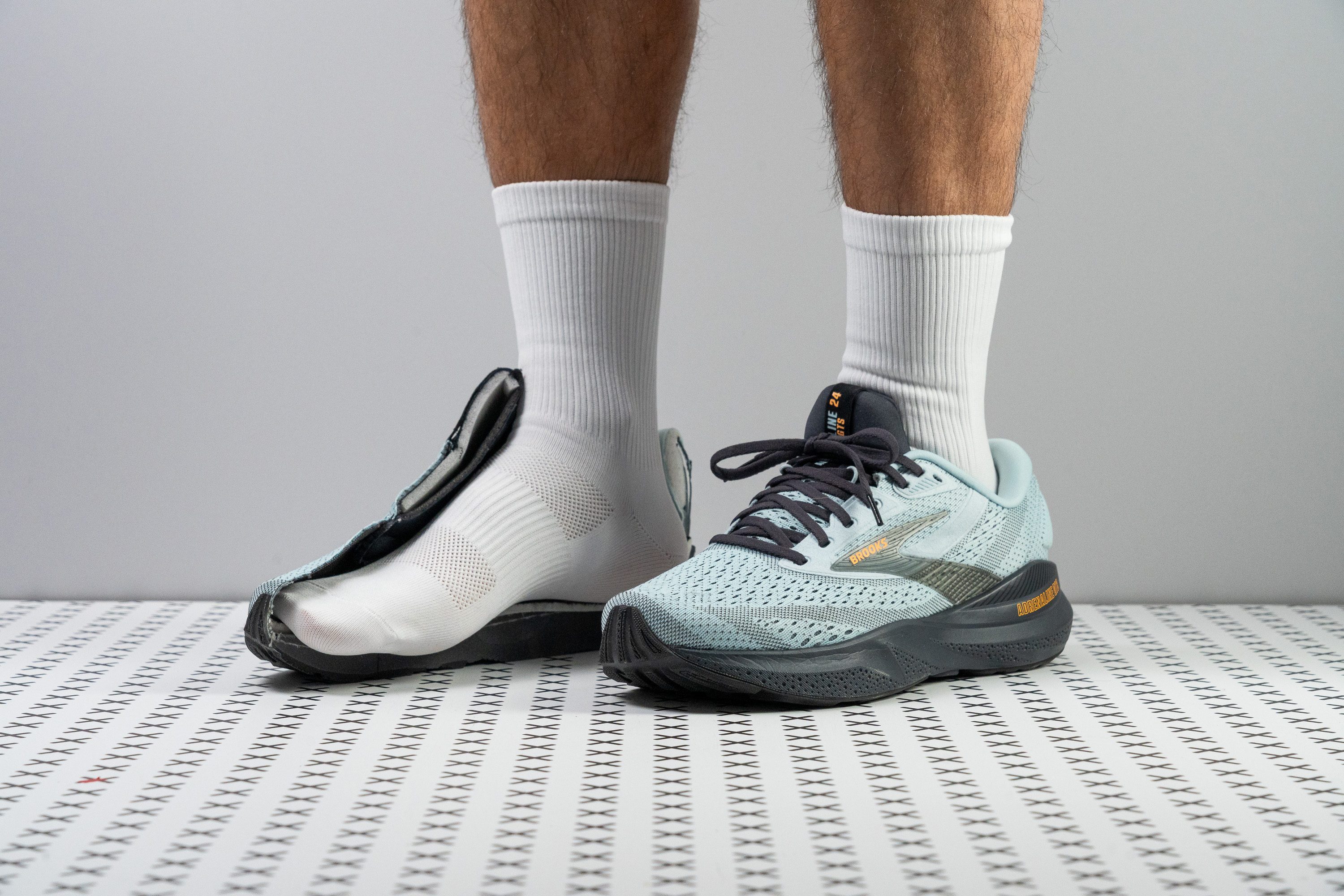
Orthotics, insoles, and shoe modifications
Orthotics can be a game-changer when you learn how to choose sneakers for flat feet support. They add tailored arch support and correct alignment.
- Over-the-counter insoles
- Many good store inserts add arch support and cushioning; pick firmer models designed for stability.
- Custom orthotics
- Custom orthotics from a clinician offer the best fit and correction for severe issues.
- Combining orthotics with supportive shoes
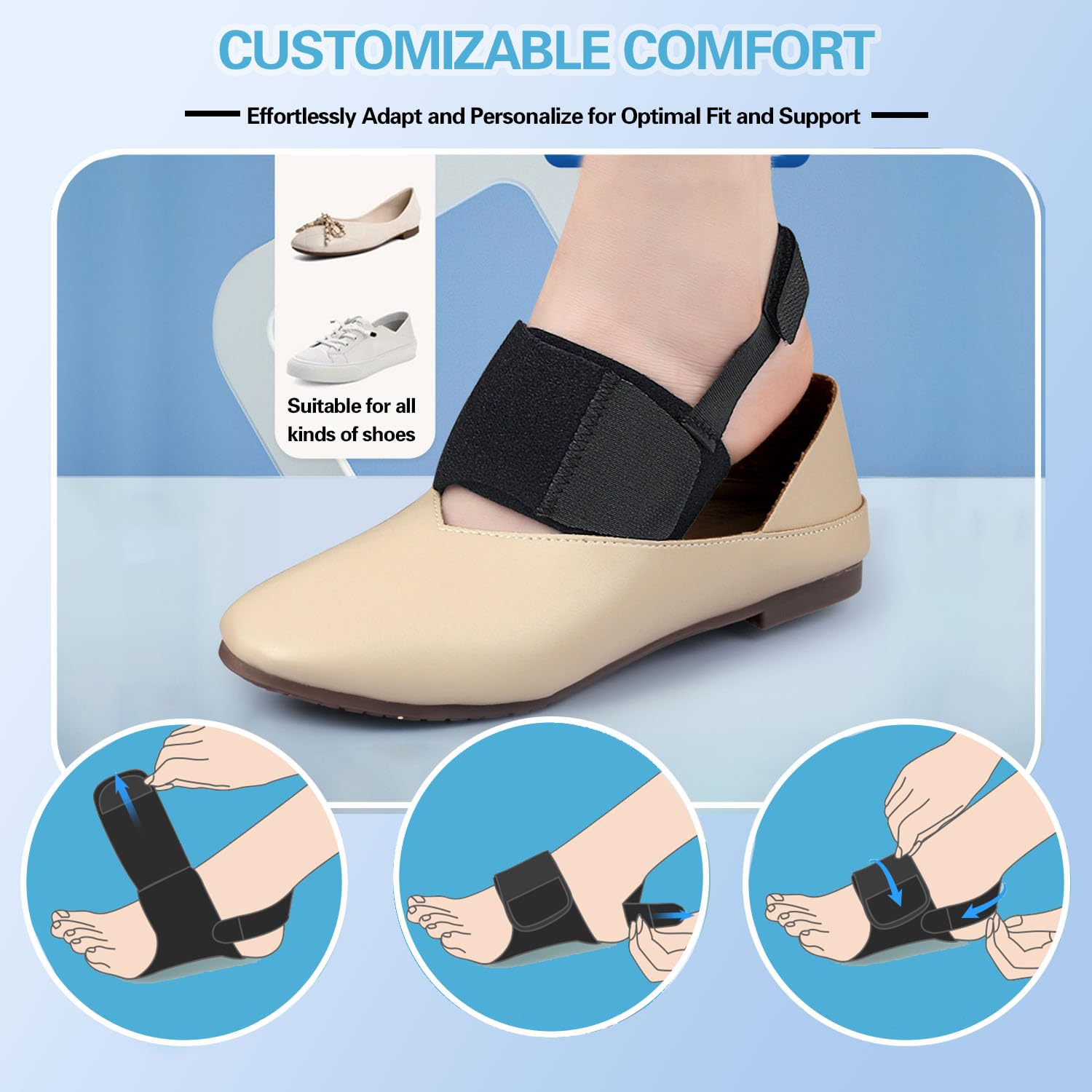
- Use shoes with a stable last and removable insoles to accommodate orthotics.
- When not to use orthotics
- If shoes are flimsy or too tight, orthotics can make fit worse; get the right shoe first.
Common mistakes to avoid
Avoiding these mistakes speeds up relief and saves money.
- Buying shoes based on style alone
- A trendy shoe may lack stability and wear out quickly.
- Choosing overly soft cushioning
- Extremely soft foams compress and let the foot collapse.
- Ignoring shoe lifespan
- Replace shoes every 300–500 miles or when midsoles compress noticeably.
- Failing to test shoes with orthotics or real activity
- Always test with the equipment you’ll actually use.

Personal experience: lessons from testing shoes for flat feet
I spent years in footwear retail and tested dozens of sneakers with friends and clients who have flat feet. Early on, I wore a very cushioned neutral shoe thinking more cushion equals comfort. It felt good for a week, then my calves and knees flared. Switching to a stability shoe with a mild medial post and trying a firmer insole cut my pain in half.
Lessons learned:
- Always test for stability, not just comfort.
- Bring your current insole or orthotic to the fitting.
- Don’t assume brand hype equals support—feel the arch and heel counter.

Quick PAA-style questions
How much arch support do I need if I have flat feet?
Most people with flat feet benefit from moderate to firm arch support that controls motion without pushing painfully into the arch. Start with stability shoes and add orthotics if needed.
Can running shoes help fix flat feet?
Running shoes can manage symptoms and improve alignment but they do not permanently "fix" flat feet. Consistent use of supportive shoes and targeted exercises can reduce pain and improve function.
Should kids with flat feet wear special sneakers?
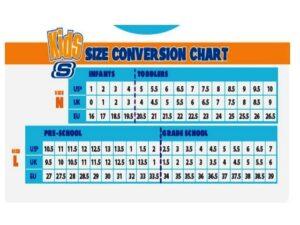
Children often have flexible flat feet and many outgrow them. If your child has pain or difficulty, get supportive sneakers and consult a clinician for guidance.
Frequently Asked Questions of how to choose sneakers for flat feet support
What is the difference between stability and motion-control sneakers?
Stability shoes offer a balance of cushioning and support with a firmer medial side. Motion-control shoes provide even more structure and are best for severe overpronation or heavier runners.
How do I know if a sneaker has enough arch support?
Press the midsole with your thumb or try it on and feel the contour under your arch. It should lift the arch gently and prevent your foot from collapsing inward.
Can I use running sneakers for everyday walking with flat feet?
Yes, many stability running sneakers work well for all-day wear if they offer good arch support and a roomy toe box. Avoid overly minimal designs for daily use.
Do inserts always improve comfort for flat feet?
Inserts often improve comfort, but they work best when paired with supportive shoes. Poor-fitting shoes can negate the benefits of inserts.
How often should I replace sneakers for flat feet?
Replace sneakers every 300 to 500 miles or when you notice the midsole compresses and stability decreases. For walking shoes, monitor wear patterns and replace yearly if used daily.
Conclusion
Choosing the right sneakers for flat feet support comes down to three things: firm arch support, a stable platform, and a proper fit. Test shoes in person, bring your orthotic or socks, and prioritize stability over plush cushioning. Start with a stability or motion-control sneaker, add a quality insole if needed, and replace shoes before they lose structure.
Take action today: try one stability model, test it on a short walk or run, and compare how your feet and knees feel. If pain persists, consult a foot specialist. Share your experience below or subscribe for shoe reviews and fitting tips.

Rubel Miah is the Senior Editor at MyStyleGrid.com, where he brings a sharp editorial eye and an unshakable love for fashion to everything he does. A true style addict, Rubel lives and breathes trends, from streetwear to high fashion, and has a knack for turning inspiration into impactful stories. With years of experience in fashion journalism and digital media, he curates content that empowers readers to express themselves through style. When he’s not editing features or forecasting the next big thing, you’ll find him hunting down vintage pieces or capturing street style moments around the city.