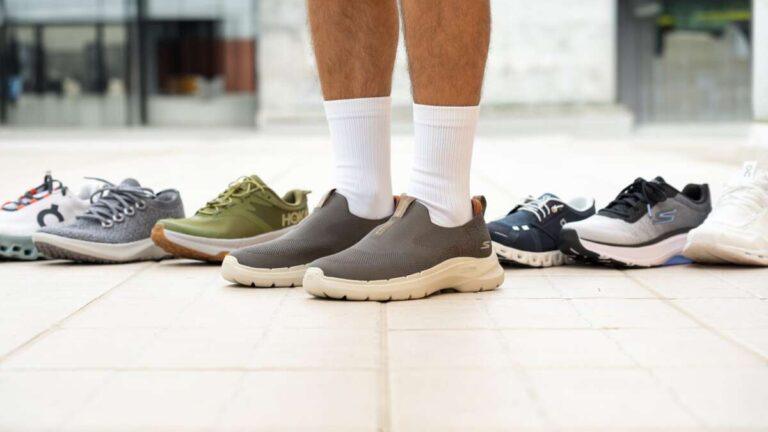
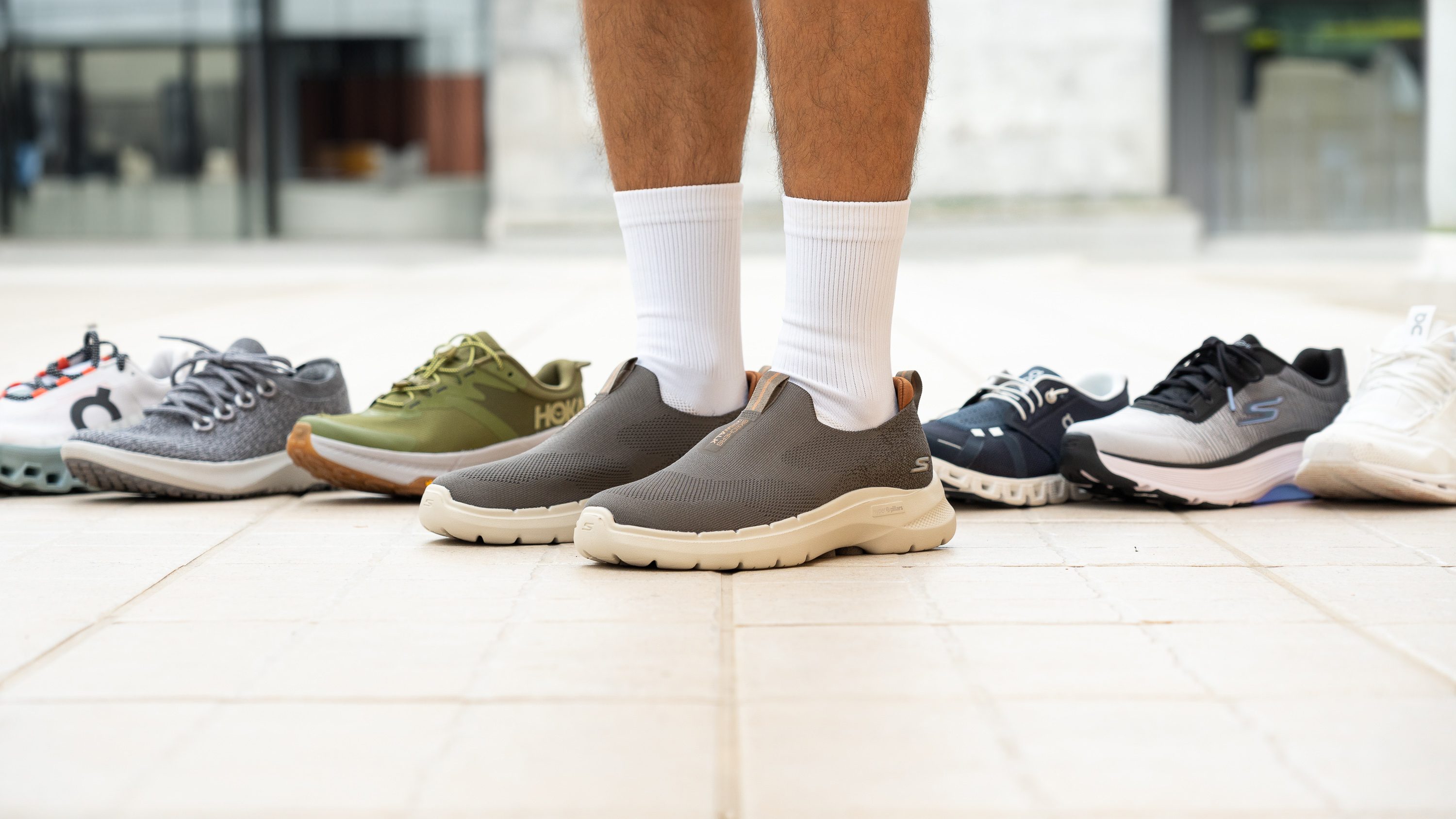
Choose cushioned, supportive sneakers with correct fit, arch support, and shock-absorbing soles.
I’ve helped dozens of people pick shoes for long shifts and tested many pairs myself, so you’re getting hands-on advice rooted in experience. This guide on how to choose sneakers for standing all day work breaks down fit, features, materials, and real-world tips so you can pick a pair that keeps you comfortable, reduces fatigue, and protects your feet shift after shift. Read on to learn practical steps, mistakes to avoid, and the exact things to check before you buy.
Why the right sneakers matter for standing work
Choosing the right sneaker affects your feet, knees, and back. Poor shoes can lead to soreness, plantar fasciitis, and chronic fatigue. Knowing how to choose sneakers for standing all day work helps you reduce pain and stay productive.
Good shoes distribute pressure, cushion impact, and support foot mechanics. That lowers stress on joints and reduces injury risk. Employers, nurses, retail staff, and cooks all benefit from shoes built for long hours on their feet.
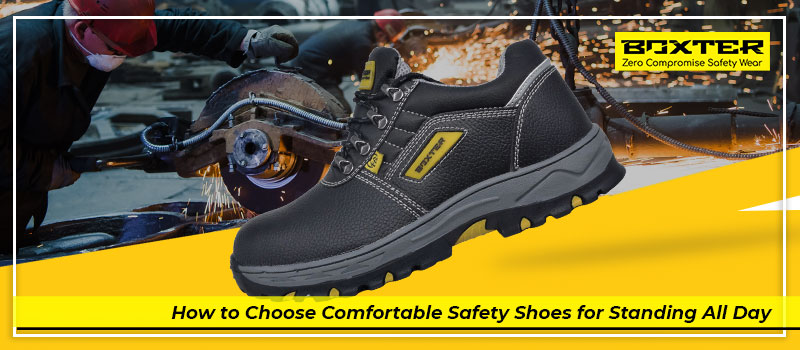
Key features to look for when deciding how to choose sneakers for standing all day work
Focus on function over fashion. Look for features that solve the problems of long standing days.
- Cushioning: Absorbs shock and reduces fatigue. Look for midsole foam or gel.
- Arch support: Matches your foot type to prevent overpronation or supination.
- Stable sole: A firm, slightly rigid sole prevents excessive foot roll.
- Good fit: Room in the toe box and snug heel to stop slipping.
- Breathable upper: Reduces sweat and blisters for long shifts.
- Durability: Reinforced areas at stress points extend shoe life.
- Lightweight: Less energy spent lifting your feet during long shifts.
How to choose sneakers for standing all day work often comes down to balancing cushioning and stability. Too soft can be unstable; too rigid can hurt pressure points.
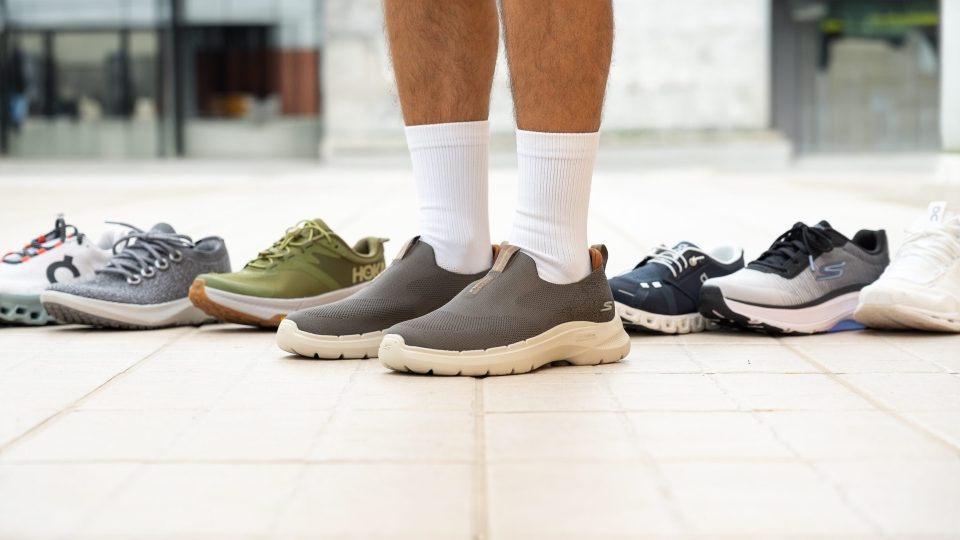
Common quick questions (PAA-style)
How much cushioning is enough for standing all day?
Choose cushioning that feels supportive when you stand and walk; medium-firm midsoles typically work best for long standing periods.
Do I need special arch support?
If you have high or low arches, yes. Custom or over-the-counter orthotics help match support to your arch type.
Are running shoes good for standing jobs?
Some running shoes are fine, but many are designed for forward motion, not prolonged standing. Look for stable, cushioned models rather than maximalist running trainers.
How to measure and fit sneakers properly
A correct fit beats a fancy brand every time. Measure both feet at the end of the day when feet are slightly swollen. Try shoes with the socks you’ll wear at work.
- Length: One thumb’s width (about ½ inch) from longest toe to shoe end.
- Width: No pinching; your foot should not bulge out of the upper.
- Heel fit: Heel should lock without rubbing or slipping.
- Walk test: Walk 5–10 minutes in the store to feel pressure points.
- Standing test: Stand on both feet; do you feel even weight distribution?
If you wear orthotics, bring them when trying shoes. If trying online, buy from retailers with a good return policy. I once bought a promising pair online and had to return two sizes before getting the right match.
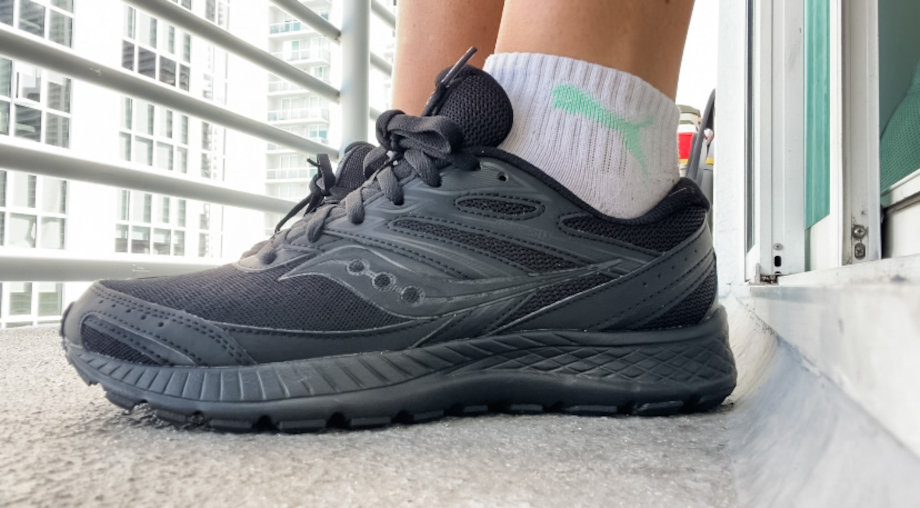
Materials and construction: what matters
Materials change comfort and lifespan. Understand basic materials to spot quality.
- Uppers: Knit and mesh offer breathability; leather offers durability and structure.
- Midsoles: EVA and PU foams are common; more responsive foams provide longer comfort.
- Outsoles: Rubber compounds resist wear and provide grip. Thicker rubber lasts longer.
- Seams and overlays: Well-placed overlays reduce stretch and increase support.
A knit upper can be cozy but may stretch too much for feet that need tighter support. Leather or synthetic overlays add structure for long standers.

Sole design, cushioning, and shock absorption
The midsole is the heart of a sneaker for standing work. It controls how much impact your feet feel.
- Foam density: Medium-firm foams balance cushioning and stability.
- Multi-layer midsoles: Combine soft top layers with firmer base layers for comfort and support.
- Heel-to-toe drop: Low drops (4–8 mm) are fine; extreme drops can change posture.
- Rocker soles: Help roll your foot forward and reduce pressure on forefoot.
- Outsole tread: Flat, stable contact is often better than aggressive lugs for indoor work.
I learned that overly plush midsoles felt great for a quick walk but left my feet tired after a 10-hour shift. Balance is key.

Support, stability, and injury prevention
Support prevents repeated strain on tissues. Stability helps feet remain neutral under load.
- Arch support options: Built-in arch support or removable insoles for customization.
- Medial posts: Firmer midsole inserts that limit inward roll for overpronators.
- Wide base: A broader sole gives a more stable standing platform.
- Ankle support: Low tops offer freedom; higher collars add stability for uneven floors.
If you have prior injuries, choose supportive sneakers and consult a podiatrist. Evidence shows good footwear reduces plantar stress and helps with posture over time.

Choosing sneakers by work environment
Different work settings require tweaks in choice.
- Hospitality and kitchens: Slip-resistant outsoles and easy-clean materials.
- Retail and warehouses: Durable soles and shock absorption for hard floors.
- Healthcare: Lightweight, anti-slip designs with antimicrobial linings.
- Construction and outdoor: Consider safety toe options and tougher outsoles.
Match the shoe to both your body and your workplace hazards. I switched to slip-resistant outsoles after slipping twice on a wet floor; it made a big safety difference.

Breaking in, caring for, and testing your sneakers
New shoes need smart care and testing before full shifts.
- Break-in: Wear for short shifts for a week before full use.
- Insoles: Try different insoles to tune comfort and arch support.
- Rotation: Rotate two pairs to let foam recover and extend life.
- Cleaning: Regularly clean and air-dry to maintain materials and reduce odor.
If a shoe causes numbness or persistent pain in the first three wears, it’s not the right shoe. Don’t force a break-in that harms your feet.
:max_bytes(150000):strip_icc()/shp-allbirds-womens-tree-dasher-2-jennifer-heimlich-side-wearing-5-e19818eca98049679b10442f44e125ec.jpeg)
Buying tips, budget guidance, and mistakes to avoid
You don’t need the most expensive pair, but avoid cheap choices that fail fast.
- Shop later in the day: Feet swell, so this gives a realistic fit.
- Try multiple brands: Sizes and shapes vary widely by brand and model.
- Use store gait analysis when available: It reveals pronation and gait patterns.
- Budget: Mid-range performance shoes often give the best value.
- Avoid: Buying purely on style, ignoring fit, or keeping worn-out shoes too long.
My biggest mistake was keeping a worn pair for sentimental reasons. The extra support and reduced pain after replacing them convinced me never to do that again.
Personal recommendations and real-world examples
From experience I recommend looking at models that emphasize stability, breathable uppers, and replaceable insoles. Brands that offer removable insoles and multiple width options are ideal for standing all day.
Example picks I’ve used or tested:
- A medium-firm foam sneaker with a removable orthotic for customized arch support.
- A slip-resistant model for kitchen shifts with a breathable upper.
- A durable leather-synthetic hybrid when I needed more structure on long retail days.
Try to keep a 6–12 month replacement cycle if you stand daily. Track comfort and support—shoes that feel worse usually are past their prime.
Frequently Asked Questions of how to choose sneakers for standing all day work
How do I know if a sneaker has enough arch support?
Try standing and lifting one foot to see if the arch feels supported. If your foot flattens or aches, you may need stronger arch support or an orthotic.
Can I use running shoes for standing all day?
Some running shoes work, but many are built for forward motion. Choose running shoes with stable midsoles and avoid ultra-soft maximalist models for long standing.
How long should I wait before replacing sneakers I wear while standing?
Replace shoes every 6–12 months if you stand daily, or sooner if cushioning and support feel reduced. Watch for compressed midsoles and uneven wear on the outsole.
Are orthotics necessary for standing jobs?
Not always. Orthotics help if you have specific foot mechanics, pain, or injury. Over-the-counter insoles can also improve comfort in many cases.
What if I have plantar fasciitis and must stand all day?
Choose shoes with firm heel cushioning, good arch support, and a slightly raised heel. Consider custom orthotics and consult a specialist if pain persists.
Do I need slip-resistant soles for all standing jobs?
Not all jobs require slip-resistant soles, but they are vital in wet or spill-prone environments like kitchens and hospitals. They improve safety and reduce fall risk.
Conclusion
Choosing the right pair starts with fit, cushioning, and support tailored to your body and workplace. Learn how to choose sneakers for standing all day work by testing shoes with your work socks, checking midsole firmness, and prioritizing stability over fleeting softness. Take action: measure your feet, try several models, and replace worn shoes before they cause pain. Share your experiences below, try one of the testing tips today, or subscribe to get more guides on footwear and workplace comfort.

Rubel Miah is the Senior Editor at MyStyleGrid.com, where he brings a sharp editorial eye and an unshakable love for fashion to everything he does. A true style addict, Rubel lives and breathes trends, from streetwear to high fashion, and has a knack for turning inspiration into impactful stories. With years of experience in fashion journalism and digital media, he curates content that empowers readers to express themselves through style. When he’s not editing features or forecasting the next big thing, you’ll find him hunting down vintage pieces or capturing street style moments around the city.